
Cherry wood for smoking meat is one of the most versatile and rewarding fuels you can have in your pitmaster arsenal, producing a mild, slightly sweet fruitwood smoke that complements nearly every protein you can throw on the grates. Unlike the bold punch of hickory or the borderline aggressive bite of mesquite, cherry wood plays beautifully with the natural flavors of the meat rather than overpowering them. You get a gorgeous reddish-brown smoke ring that goes deep, a rich mahogany bark that looks like it came straight out of a competition pit, and a flavor profile that keeps people coming back for seconds every single time.
When you fire up the grill or smoker with cherry wood, you are working in a sweet spot that suits both beginners and seasoned pitmasters. Cherry burns clean at smoking temps between 225 degrees Fahrenheit and 275 degrees Fahrenheit, giving you stable, predictable heat that makes the low and slow process far more forgiving. Whether you are running a stick burner, a kettle grill, an offset smoker, or a ceramic kamado, cherry wood adapts without giving you headaches. It produces a moderate amount of smoke, so you get good penetration without the bitter, acrid edge that comes from over-smoking.
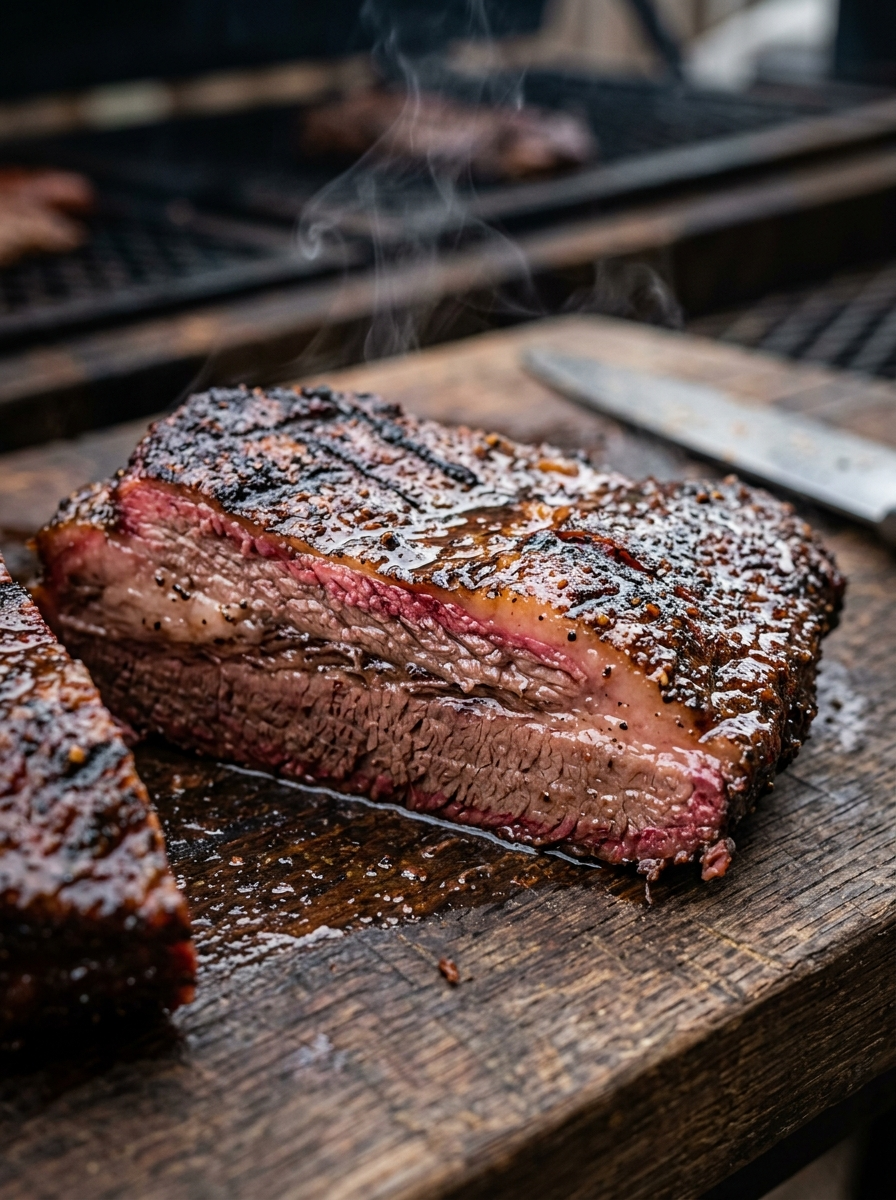
One of the biggest reasons pitmasters reach for cherry wood specifically is its unique ability to enhance the visual presentation of the finished cook. The natural compounds in cherry smoke react with the myoglobin in meat to create that deep, vivid smoke ring that judges and backyard guests alike go absolutely wild for. We are talking a smoke ring that can go a full half-inch deep on a long brisket cook running 12 to 14 hours at 250 degrees Fahrenheit. Pair that color with a crackling, peppery bark and you have got a cook that looks as incredible as it tastes.
Cherry Wood for Smoking Meat: Complete Pitmaster Guide
Cherry wood for smoking meat delivers a mild, sweet, fruity smoke that builds gorgeous mahogany bark and a deep red smoke ring on everything from ribs to brisket. Learn how to use it like a seasoned pitmaster and give yourself every reason to fire up the grill today.
Ingredients
| AMOUNT | INGREDIENT | NOTES |
|---|---|---|
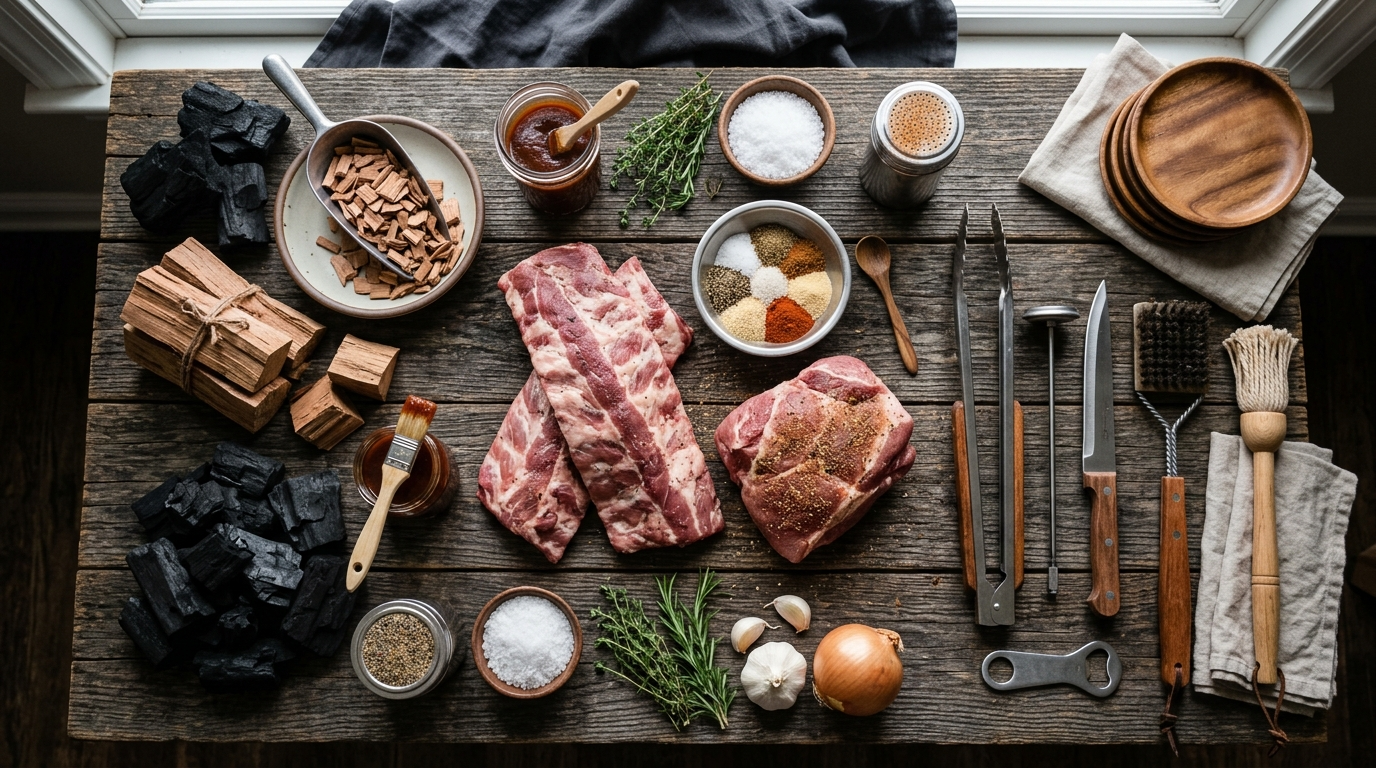
| 4 lbs | bone-in pork ribs or beef short ribs | the ideal showcase protein for cherry wood smoke flavor |
| 4-6 chunks | cherry wood chunks | fist-sized chunks work best for charcoal and kettle smokers |
| 2 tablespoons | coarse kosher salt | for dry brine or rub base |
| 2 tablespoons | coarse black pepper | freshly cracked for maximum bark development |
| 1 tablespoon | garlic powder | adds depth to the rub without competing with cherry smoke |
| 1 tablespoon | smoked paprika | enhances color and complements the fruitwood sweetness |
| 1 teaspoon | cayenne pepper | optional, adds a subtle heat balance to the sweet smoke |
| 2 tablespoons | yellow mustard | used as a binder to help the dry rub adhere to the meat surface |
Instructions
Nutrition (per serving)
The BBQ Story Behind This Recipe
Fruitwood smoking has deep roots in American BBQ culture, particularly across the Mid-Atlantic, the Carolinas, and the Pacific Northwest where cherry orchards have been a fixture of the agricultural landscape for generations. Pitmasters in these regions discovered early on that the pruned branches and hardwood from cherry trees produced a cleaner, sweeter smoke than many of the denser hardwoods available to them. Before the era of commercially bagged smoking chips and pellets, folks simply used what grew around them, and cherry wood earned its place at the pit through decades of trial, flavor, and tradition passed down through families and BBQ communities.
Over time, cherry wood crossed regional lines and became a staple of competition BBQ circuits from Kansas City to Memphis to the Texas Hill Country. Competition teams began blending cherry with harder woods like oak or hickory to craft complex smoke profiles that could win over judges with both flavor and appearance. The Kansas City BBQ circuit in particular embraced cherry wood heavily because of the dramatic smoke ring it creates on ribs and brisket, which became a hallmark of championship-level presentation. Today, cherry wood is widely recognized as one of the foundational smoking woods in American BBQ, beloved for its accessibility, versatility, and the undeniable beauty it brings to everything that comes off the pit.
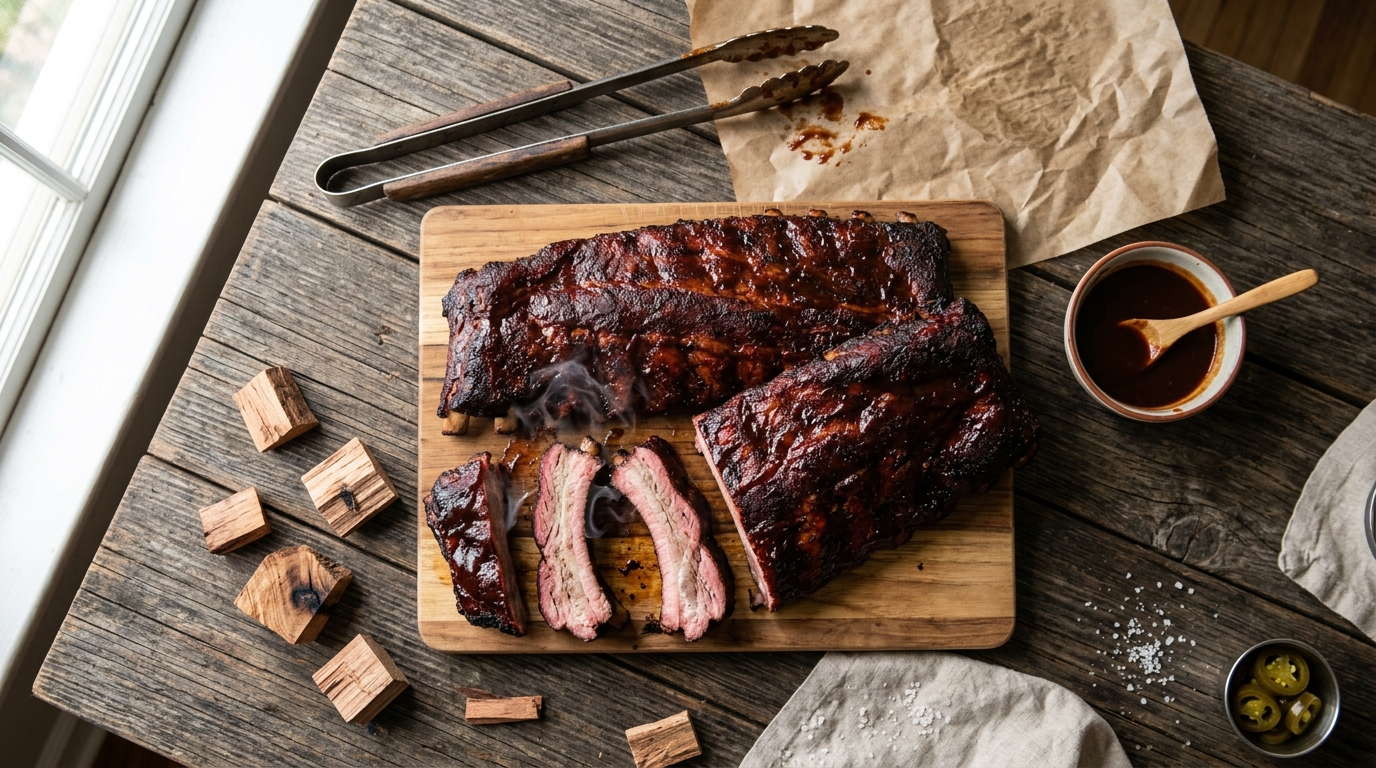
Hot Off the Grill
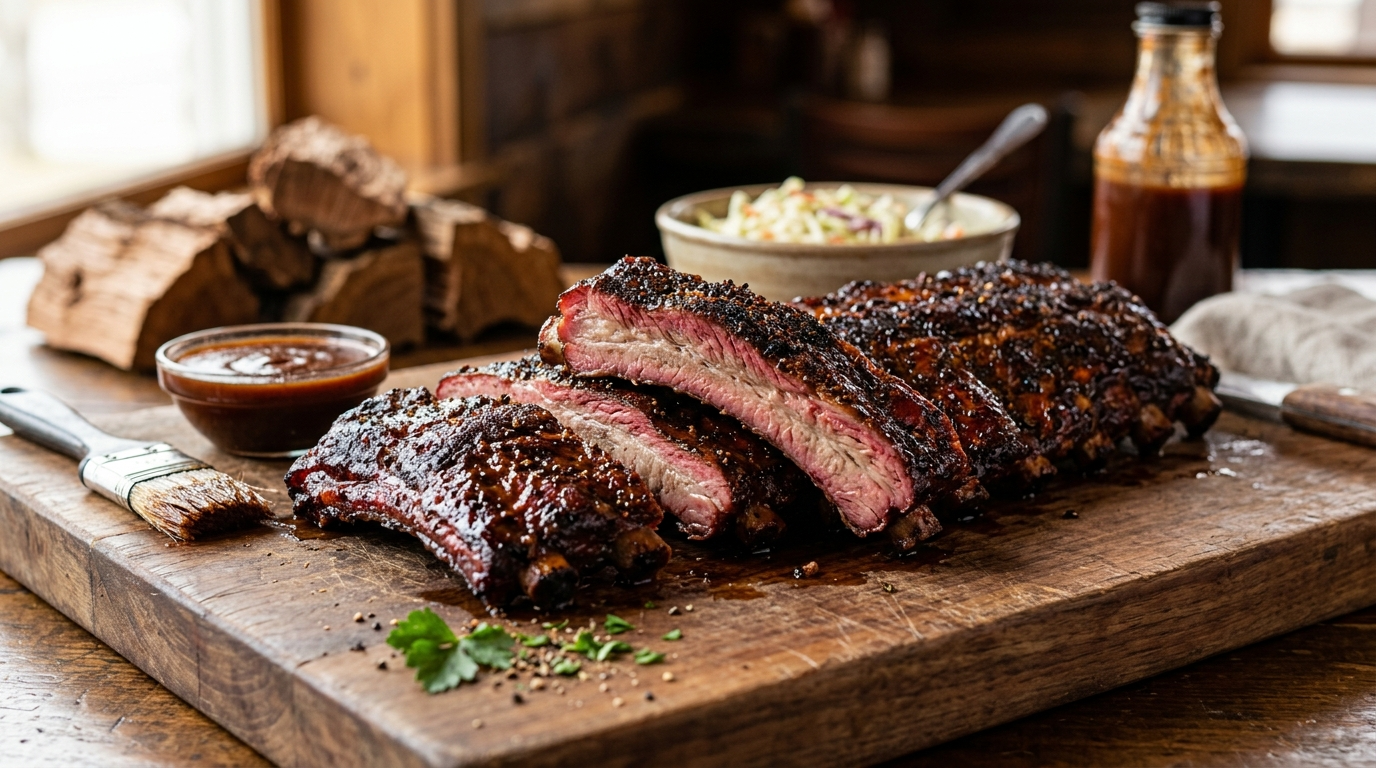
A Closer Look
Pitmaster Tips for Best Results
- Use dry cherry wood chunks rather than soaked chips – dry wood combusts cleanly and produces the thin blue smoke you want at 250 degrees Fahrenheit rather than the thick steam-smoke that comes from wet wood.
- Blend cherry wood with oak at a 2 to 1 cherry to oak ratio for brisket and beef short ribs – the oak adds backbone and depth while cherry provides the sweetness and that stunning smoke ring color.
- Keep your cook chamber between 245 and 265 degrees Fahrenheit throughout the low and slow process. Wild temperature swings above 280 degrees Fahrenheit can cause the bark to set too fast and produce a bitter crust before the interior is done.
- Cherry wood pairs exceptionally well with pork, poultry, lamb, and duck – but it truly shines on pork shoulder and baby back ribs where its mild sweetness complements the natural richness of the fat without overpowering it.
- Store your cherry wood chunks in a dry, well-ventilated area and allow any freshly cut cherry wood to season for at least 6 to 12 months before using it in your smoker – green or unseasoned wood produces harsh, acrid smoke that will ruin an otherwise perfect cook.
🔧 Pitmaster Equipment
Offset Smoker or Charcoal Smoker: Gives you the best environment for cherry wood chunks or logs to produce clean, consistent smoke over long low and slow cooks.
Instant Read Thermometer: Critical for hitting the exact internal temp on every protein so you never under or over cook your meat.
Wireless Dual Probe Thermometer: Lets you monitor both the smoker chamber temp and the internal temp of the meat at the same time without lifting the lid.
Long Tongs and Heat Resistant Gloves: Keep your hands safe while managing cherry wood chunks, adjusting the fire, and pulling hot meat off the grates.
Cherry Wood Chunks or Splits: Chunks are ideal for charcoal smokers and kettles while full splits work best in offset and stick burner setups.
Chimney Starter: Gets your charcoal lit and ashed over quickly so you can add cherry wood chunks at the right moment without wasting fuel.
Water Pan: Placing a water pan in the smoker chamber keeps humidity up, helps the smoke adhere to the meat surface, and stabilizes temperature swings.
🔥 Variations
Pellet Grill Version: Set your pellet grill to 250 degrees Fahrenheit using 100 percent cherry pellets or a cherry and oak blend pellet mix. Follow the same rub application and cook times as the main recipe. Most pellet grills produce a lighter smoke profile than offset smokers, so you may want to use a smoke tube filled with cherry pellets for the first 2 hours to boost smoke output and get a better smoke ring.
Kettle Grill Version: Set up your kettle for indirect heat by banking a full chimney of lit charcoal to one side and placing a water pan on the opposite side. Add 2 cherry wood chunks directly on top of the hot coals and place your meat over the water pan side. Keep the bottom vent 25 percent open and the top vent 50 percent open to maintain around 250 degrees Fahrenheit. Replenish with a few unlit coals and a fresh cherry chunk every 60 to 90 minutes throughout the cook.
Cherry and Hickory Blend for Brisket: For a full packer brisket cook running 12 to 14 hours, use a 50-50 blend of cherry and hickory wood. The hickory provides the bold, classic Texas-style smoke punch while the cherry rounds out the flavor and creates a more vivid smoke ring. Run your smoker at 250 degrees Fahrenheit and expect your brisket to hit the target internal temp of 203 degrees Fahrenheit somewhere in that 12 to 14 hour window depending on the size of the cut.
Cherry Wood Smoked Chicken: Cherry wood and poultry are a natural pairing. Spatchcock a whole chicken and apply the same salt, pepper, garlic, and paprika rub. Smoke at 275 degrees Fahrenheit with 2 cherry wood chunks for a faster cook of around 2 to 2.5 hours. Pull the chicken when the thickest part of the thigh hits an internal temp of 165 degrees Fahrenheit. The higher temp helps crisp the skin while the cherry smoke gives you a gorgeous mahogany color and a mild fruity finish.
❓ Pitmaster FAQ
What meats pair best with cherry wood for smoking?
Cherry wood works beautifully with virtually every protein, but it truly excels with pork ribs, pork shoulder, chicken, duck, lamb, and salmon. It is mild enough to not overwhelm delicate proteins like chicken or fish while still being assertive enough to complement bold cuts like beef short ribs and brisket, especially when blended with oak or hickory.
Should I soak cherry wood chunks before using them in my smoker?
No – do not soak your cherry wood chunks. This is one of the most common mistakes new pitmasters make. Soaking wood does not produce better smoke. It produces steam mixed with smoke, which can create harsh, bitter flavors on your meat. Dry cherry wood combusts cleanly and produces the thin blue smoke that carries sweet fruitwood flavor into your meat at the right 250 degree Fahrenheit smoking temp.
How long does cherry wood smoke affect the meat during a cook?
The smoke ring formation and deep smoke penetration happens primarily in the first 3 to 4 hours of the cook, while the meat surface temperature is still below 140 degrees Fahrenheit. After that point, the surface has developed enough bark that smoke contributes more to surface flavor than deep penetration. This is why you want active cherry wood smoke production in that critical early window of the low and slow cook.
Can I use cherry wood chips instead of chunks?
Yes, cherry wood chips work well in smaller setups like kettle grills, gas grill smoker boxes, and electric smokers. Chips burn faster than chunks, so you will need to replenish them every 30 to 45 minutes during the first few hours of your cook. For longer cooks in an offset or charcoal smoker, cherry wood chunks or small splits are far more practical since they burn slower and give you more consistent smoke over a longer period.
Will cherry wood alone produce a good smoke ring on brisket?
Cherry wood is one of the best woods for producing a vivid, deep smoke ring due to the nitric oxide and carbon monoxide compounds it releases during combustion. For a full packer brisket, using 100 percent cherry wood or a cherry and oak blend at 250 degrees Fahrenheit over a 12 to 14 hour cook will produce an impressive smoke ring that can penetrate half an inch or more into the meat. Keeping the meat cold going onto the smoker and maintaining humidity in the cook chamber with a water pan also helps maximize smoke ring depth.