
Can you grill frozen meat safely and still get a result worth bragging about at the next cookout? Absolutely yes, and once you understand the technique, you will wonder why you ever waited for meat to thaw. The key is a two-zone fire setup, patience, and your instant read thermometer working overtime. We are talking about starting that frozen steak or chicken breast over indirect heat around 225 to 250 degrees Fahrenheit, letting the interior come up slowly before finishing it hard and fast over direct flame to build that gorgeous crust.
Here at GrillMasterHQ we have tested this method dozens of times with everything from thick-cut ribeyes straight out of the freezer to bone-in chicken thighs that were rock solid at the start of the cook. The results? Consistently juicy, properly cooked meat that hits safe internal temps every single time. The USDA has actually confirmed that cooking from frozen is safe as long as you allow for roughly 50 percent more cook time than you would use for thawed meat. That extra time is not wasted time. That is flavor-building time.
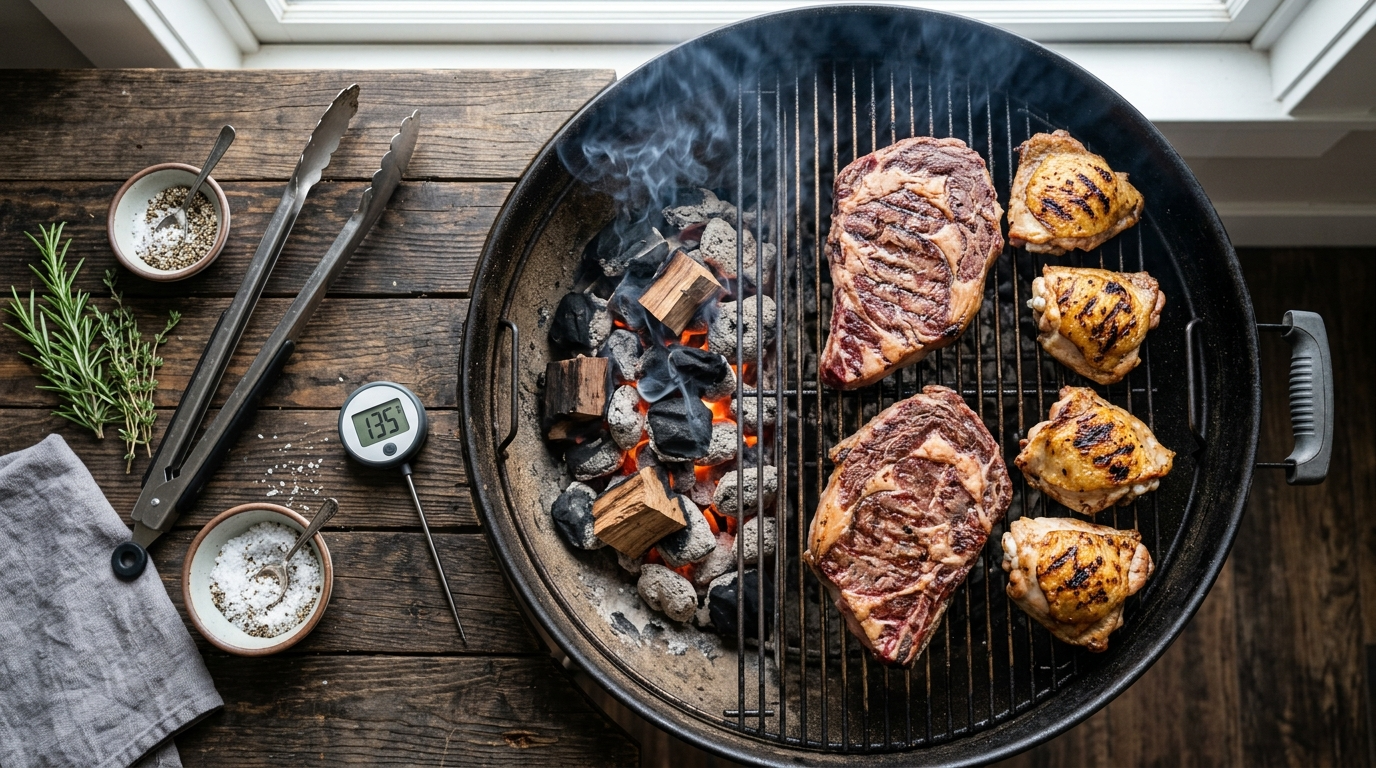
The biggest mistake backyard grillers make when they fire up the grill with frozen protein is going straight to high heat. That move scorches the outside while leaving the center dangerously raw and cold. Instead, treat frozen meat like a low and slow project in the beginning. Get that indirect zone dialed in, use a reliable instant read thermometer to monitor internal temp throughout the cook, and only move it to the hot side once the center reads around 90 to 100 degrees Fahrenheit. From there, you are just a few minutes away from a beautiful sear and a perfect finish.
Can You Grill Frozen Meat? Safe Tips That Work
Wondering if you can grill frozen meat without ruining your cookout? The answer is yes, and when done right, it produces juicy, perfectly cooked results. Learn the pitmaster method for safe temps, proper technique, and bold flavor. Fire up the grill today and never waste a frozen steak again.
Ingredients
| AMOUNT | INGREDIENT | NOTES |
|---|---|---|
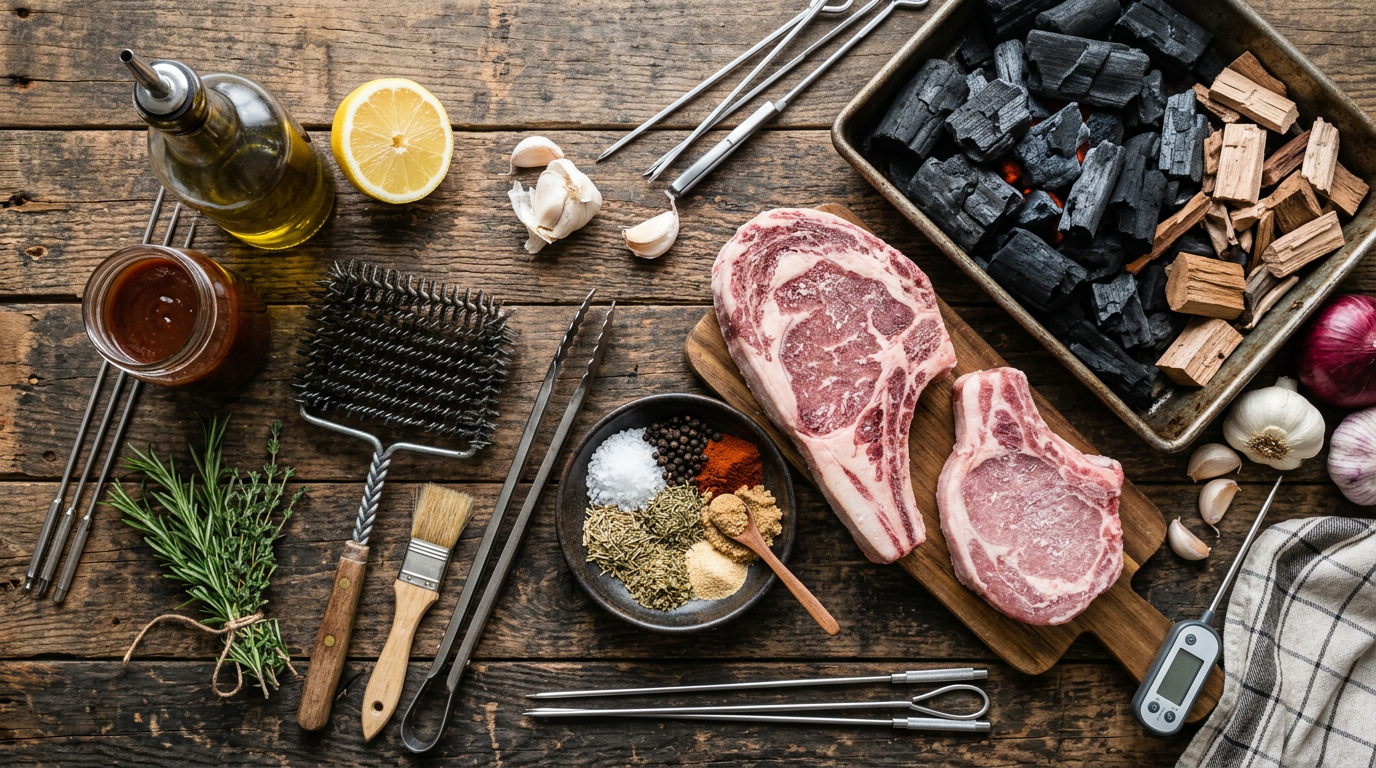
| 2 lbs | frozen bone-in chicken thighs | completely frozen solid, skin-on for best bark and moisture retention |
| 2 lbs | frozen ribeye or strip steaks | at least 1 inch thick, individually frozen works best for even cooking |
| 3 tablespoons | kosher salt | applied after the first 15 minutes on the grill when the surface begins to thaw |
| 2 tablespoons | coarse black pepper | freshly cracked for bold bark development |
| 1 tablespoon | garlic powder | adds depth once the surface is ready to hold seasoning |
| 1 tablespoon | smoked paprika | optional but adds beautiful color and smoky depth to the crust |
| 2 tablespoons | neutral oil or beef tallow | brushed on after initial thaw phase to help seasoning adhere and promote crust formation |
| 2 chunks | hardwood smoke chunks | hickory or oak for beef, apple or cherry for chicken, placed directly on coals |
Instructions
Nutrition (per serving)
The BBQ Story Behind This Recipe
Grilling frozen meat is not some modern shortcut born out of impatience. It is a practical technique with roots in working-class American BBQ culture, where pitmasters and home cooks alike had to make do with what was available. Before refrigeration was widespread and reliable, communities preserved meat through freezing during cold months and pulled it out as needed, often cooking it straight from its frozen state over open fire. Necessity built the foundation for a method that modern science has now validated as both safe and effective when executed correctly.
Across the American BBQ belt from Texas to the Carolinas, resourcefulness has always been a hallmark of great pit cooking. The low and slow philosophy that defines regional BBQ traditions naturally lends itself to working with frozen cuts. Whether a Texas pitmaster was dealing with a brisket that did not thaw in time or a backyard griller in Kansas City needed to feed a crowd on short notice, cooking from frozen became an unspoken skill passed down through generations of fire tenders. Today that skill is getting the recognition it deserves as a legitimate grilling technique rather than a compromise.
Hot Off the Grill
A Closer Look
Pitmaster Tips for Best Results
- Never go straight to high direct heat with frozen meat. Always start on the indirect side at 225 to 250 degrees Fahrenheit to bring the internal temp up gradually before the final sear. Skipping this step means a burnt outside and a raw frozen center.
- Season frozen meat only after the exterior has visibly thawed, usually 15 to 20 minutes into the indirect cook. Salt applied to a frozen surface will not penetrate and will steam off without doing its job. Wait for that moisture bead on the surface before applying your rub.
- Add about 50 percent more total cook time when grilling from frozen compared to fresh thawed meat. A steak that normally takes 12 minutes from thawed will take around 18 minutes from frozen. Plan accordingly and keep your thermometer handy rather than relying on time alone.
- Use cuts that are at least 1 inch thick when grilling from frozen. Thin cuts like chicken breasts under three-quarters of an inch or thin burger patties cook too unevenly from frozen and are harder to control. Thick steaks, bone-in chicken thighs, and pork chops over 1 inch thick are your best candidates for the frozen grill method.
- Always let the meat rest after pulling it from the grill, especially when cooking from frozen. The muscle fibers have been under significant temperature stress and need time to relax and reabsorb those juices. Five to ten minutes resting is not optional. It is the final step that makes your cook a success.
🔧 Pitmaster Equipment
Charcoal Grill or Kettle Grill: Allows you to build a two-zone fire with direct and indirect heat zones which is essential for safely cooking frozen meat from the inside out.
Instant Read Thermometer: Absolutely non-negotiable when grilling frozen meat. You must monitor internal temp at every stage to ensure food safety and perfect doneness.
Long Tongs or Grill Gloves: Frozen meat releases more moisture during cooking which can cause flare-ups. Keep your hands safe while managing the fire and flipping protein.
Grill Lid: Keeping the lid closed during the indirect phase traps heat and acts like an oven, helping the frozen interior come up to temp evenly without burning the exterior.
Chimney Starter: Gets your charcoal lit fast and evenly so you can establish consistent indirect heat right from the start of your frozen meat cook.
Aluminum Drip Pan: Place under the meat on the indirect side to catch drippings and prevent flare-ups, especially important when moisture from frozen meat hits the coals.
🔥 Variations
Pellet Grill Version: Set your pellet grill to 225 degrees Fahrenheit and place the frozen meat directly on the grates. Let it run at that temperature through the entire indirect phase, monitoring internal temp with your instant read thermometer. Once the meat hits the target temp for switching to direct heat, crank the pellet grill up to its highest setting which is usually 450 to 500 degrees Fahrenheit and sear for 2 to 3 minutes per side to build that bark and crust. The consistent heat output of a pellet grill makes it one of the best tools for the frozen meat method.
Gas Grill Version: Light one side of your gas grill on high and leave the other side completely off to create a two-zone setup. Place a smoker box filled with soaked hickory or oak wood chips over the lit burner to get smoke flavor going. Put your frozen meat on the unlit side, close the lid, and maintain an indirect temp of around 250 degrees Fahrenheit by adjusting the lit burner as needed. Follow the same internal temp checkpoints as the charcoal method before moving to the direct heat side for the final sear. Swap out the smoker box chips halfway through if you want a stronger smoke presence.
Frozen Burger Patties Version: Frozen burger patties are one of the most forgiving frozen grill projects. Set up your two-zone fire and start the patties on the indirect side for 10 to 12 minutes until the center reaches around 80 degrees Fahrenheit. Move directly over the hot coals and smash them slightly with a spatula if going for a smash-style finish. Cook 2 to 3 minutes per side over direct heat until internal temp hits 160 degrees Fahrenheit, then rest for 3 minutes before serving. Season aggressively right after the indirect phase begins and the surface thaws.
Frozen Pork Chops Version: Thick-cut frozen pork chops respond beautifully to the indirect-then-sear method. Set up your two-zone fire, place the frozen chops on the indirect side, and let them cook low and slow until the internal temp hits 110 to 115 degrees Fahrenheit. Brush with a thin layer of oil and apply your seasoning at the 15-minute mark when the surface thaws. Finish over direct heat for 2 to 3 minutes per side until the internal temp reaches 145 degrees Fahrenheit. Rest the pork chops for 5 minutes before slicing to preserve all those juices.
❓ Pitmaster FAQ
Can you grill frozen meat without thawing it first?
Yes, you absolutely can grill frozen meat without thawing it first. The key is using a two-zone fire setup with indirect heat at 225 to 250 degrees Fahrenheit to bring the interior up to temp slowly before finishing over direct high heat. The USDA confirms that cooking from frozen is safe as long as you allow roughly 50 percent more cook time and always verify doneness with an instant read thermometer hitting the appropriate safe internal temp for your protein.
Is it safe to grill meat straight from the freezer?
It is completely safe to grill meat straight from the freezer as long as you follow proper technique and use a reliable instant read thermometer throughout the cook. The danger zone for bacterial growth is between 40 and 140 degrees Fahrenheit. When you use the low and slow indirect method, the meat passes through that zone quickly and evenly before reaching safe internal temps. For beef that is 145 degrees Fahrenheit for steaks and 160 degrees Fahrenheit for ground beef. For chicken it is 165 degrees Fahrenheit. Never rely on color alone. Always check internal temp.
How much longer does it take to grill frozen meat?
Plan on adding roughly 50 percent more cook time when grilling frozen meat compared to fresh or thawed cuts. A steak that normally takes 12 minutes will take approximately 18 minutes from frozen. A chicken thigh that takes 20 minutes thawed may take 30 minutes or more from frozen. These are estimates and every cut is different, so your instant read thermometer is your most reliable guide. Check internal temp regularly throughout the cook rather than relying on time alone.
What is the best meat to grill from frozen?
The best meats to grill from frozen are thick cuts at least 1 inch in thickness. Bone-in chicken thighs, thick ribeye and strip steaks, pork chops over 1 inch thick, and frozen burger patties all perform well with the indirect-then-sear method. Thinner cuts like chicken breasts under three-quarters of an inch and thin-cut chops are more difficult to control from frozen because the exterior scorches before the interior reaches safe temps. Stick to thicker cuts for the best results when grilling straight from the freezer.
When should I add seasoning to frozen meat on the grill?
Do not add seasoning to frozen meat right out of the freezer. The frozen surface cannot absorb salt and the rub will not adhere properly or penetrate the meat. Instead, place the frozen meat on the indirect heat side first and wait approximately 15 to 20 minutes until you see visible moisture beading on the surface. At that point the exterior has thawed enough to hold seasoning. Brush with a thin layer of oil first, then apply your salt, pepper, and any additional rub generously. The oil helps the seasoning stick and promotes better crust formation during the final sear.
Can I use a gas grill instead of charcoal for grilling frozen meat?
Yes, a gas grill works well for grilling frozen meat. Set up a two-zone configuration by lighting one side of the burners on high and leaving the other side completely off. Place the frozen meat on the unlit side and close the lid, maintaining an indirect temperature of around 250 degrees Fahrenheit by adjusting the lit burner. Add a smoker box with wood chips over the lit burner for smoke flavor. Once the meat reaches the target internal temp for switching zones, move it directly over the lit burners for the final sear. Follow the same internal temp guidelines as you would on a charcoal grill.