
St. Louis style BBQ sauce is one of the most recognizable regional barbecue sauces in the United States. Unlike the thin, vinegar-forward sauces of the Carolinas or the mustard-based varieties of South Carolina, St. Louis sauce is thick, glossy, and built on a ketchup and tomato base sweetened with brown sugar and molasses. The result is a clingy, caramelizing sauce that performs exceptionally well when brushed onto meat over direct heat.
Making this sauce at home gives you complete control over sweetness, heat, and acidity. The ingredient list is straightforward and largely pantry-based, meaning you can pull this together on a weeknight without a special grocery run. Once made, it keeps well in the refrigerator for up to two weeks, making it a practical batch-cook item for any grilling season.
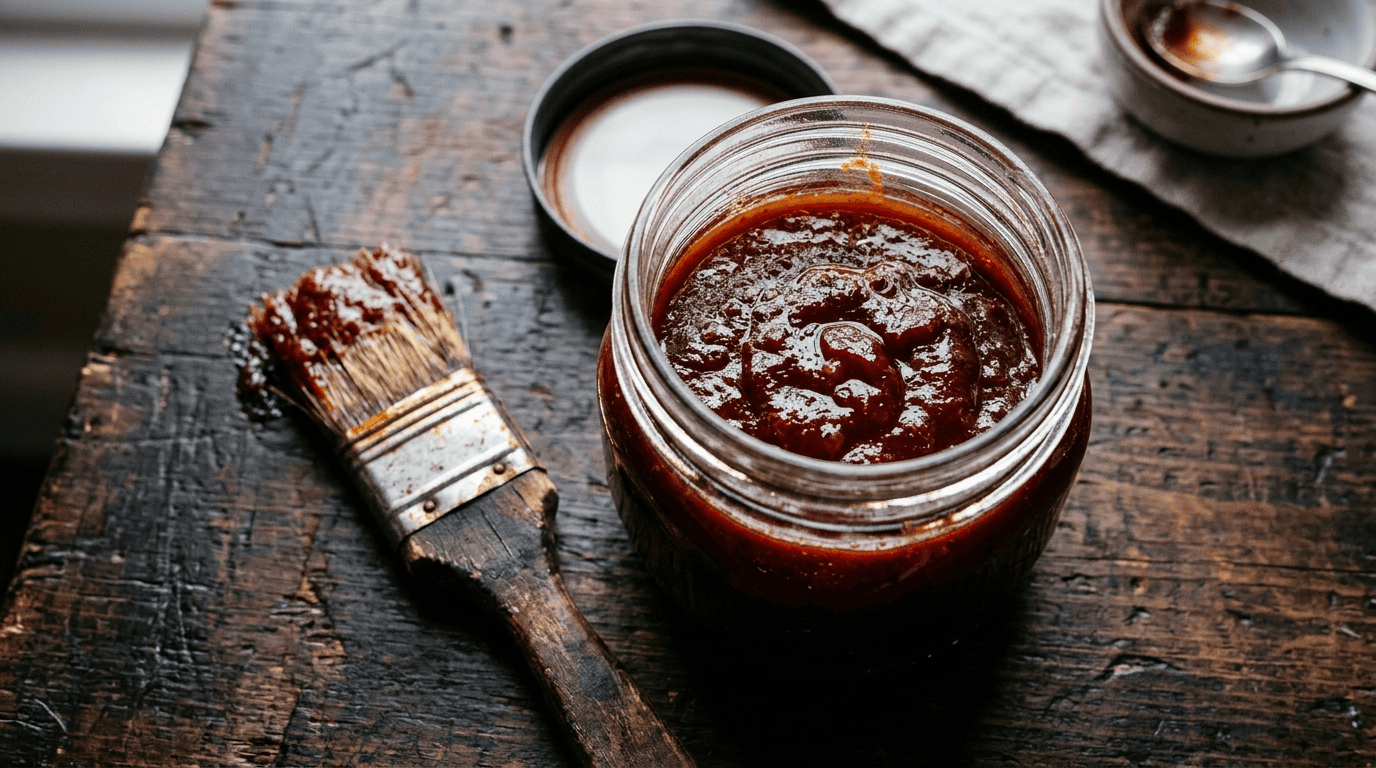
St Louis BBQ Sauce Recipe: Thick, Tangy, and Perfectly Balanced
This St. Louis BBQ sauce is a thick, tomato-based sauce with a careful balance of sweet, tangy, and smoky flavors. It comes together in under 30 minutes on the stovetop and works beautifully on ribs, chicken, and pulled pork.
Prep: 10 minutes | Cook: 20 minutes | Servings: 12
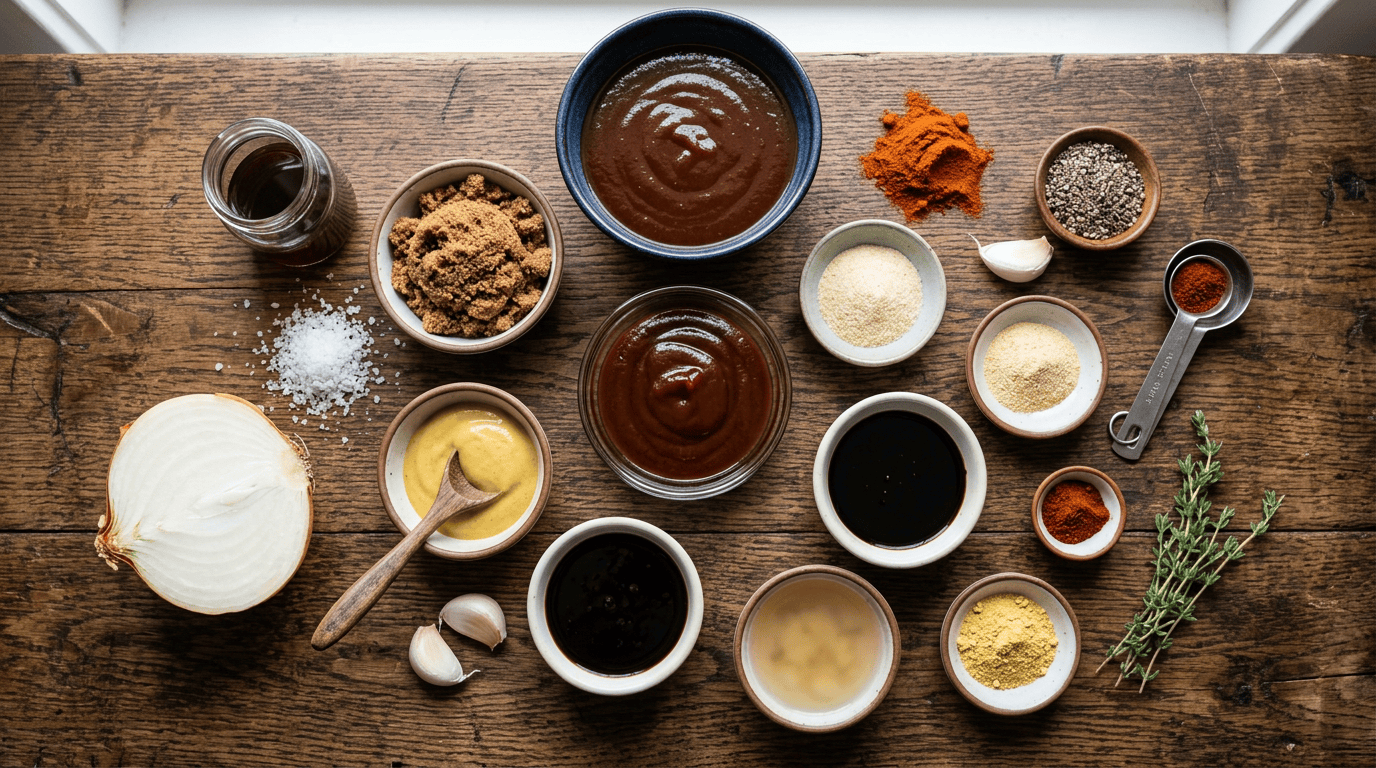
Ingredients
- 1 cup ketchup Use a standard tomato ketchup as the base
- 1/4 cup apple cider vinegar Provides the signature tangy backbone
- 1/4 cup dark brown sugar Packed; adds sweetness and depth
- 2 tablespoons molasses Unsulfured; deepens color and adds bittersweet richness
- 2 tablespoons Worcestershire sauce Adds umami and complexity
- 1 tablespoon yellow mustard Prepared mustard, not dry; adds mild tang
- 1 tablespoon tomato paste Concentrates tomato flavor and helps thicken the sauce
- 1 teaspoon smoked paprika Adds a subtle smoky undertone
- 1 teaspoon garlic powder For savory depth without overpowering the sauce
- 1 teaspoon onion powder Rounds out the savory base
- 1/2 teaspoon black pepper Freshly ground preferred
- 1/2 teaspoon celery salt A classic St. Louis flavor note
- 1/4 teaspoon cayenne pepper Adjust to taste for heat level
- 1 tablespoon butter Optional; stir in at the end for a glossy, smooth finish
Instructions
- Combine ketchup, apple cider vinegar, dark brown sugar, molasses, and Worcestershire sauce in a medium saucepan over medium heat.
- Whisk in the yellow mustard, tomato paste, smoked paprika, garlic powder, onion powder, black pepper, celery salt, and cayenne pepper until fully combined and smooth.
- Bring the mixture to a gentle simmer over medium heat, stirring frequently to prevent the sugars from sticking to the bottom of the pan.
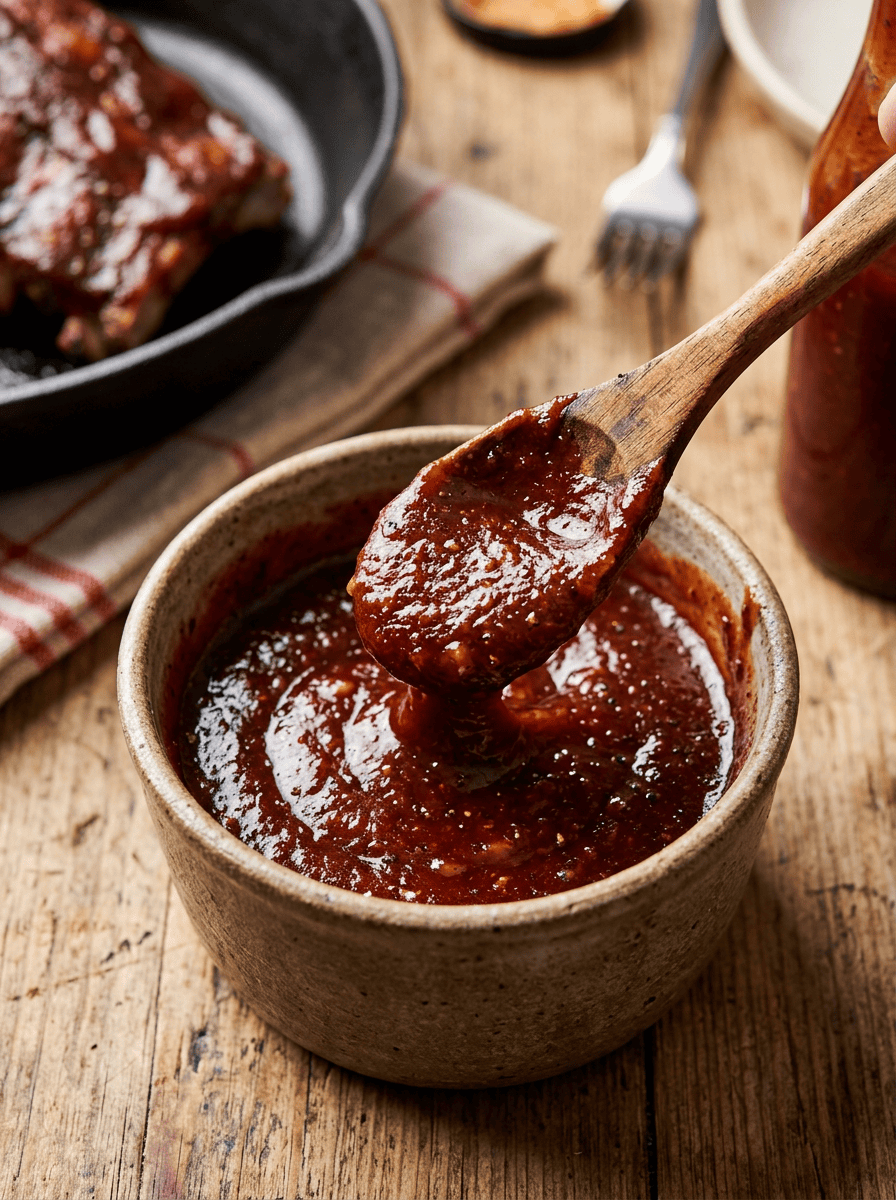
- Reduce heat to medium-low and continue simmering uncovered for 15 to 20 minutes, stirring every few minutes, until the sauce thickens to a consistency that coats the back of a spoon.
- Remove the saucepan from heat. If using butter, stir it in now until fully melted and incorporated for a glossy finish.
- Taste the sauce and adjust seasoning. Add more vinegar for tang, more brown sugar for sweetness, or more cayenne for heat.
- Allow the sauce to cool to room temperature before transferring to an airtight jar. Refrigerate for up to 2 weeks. The flavor improves after resting for several hours.
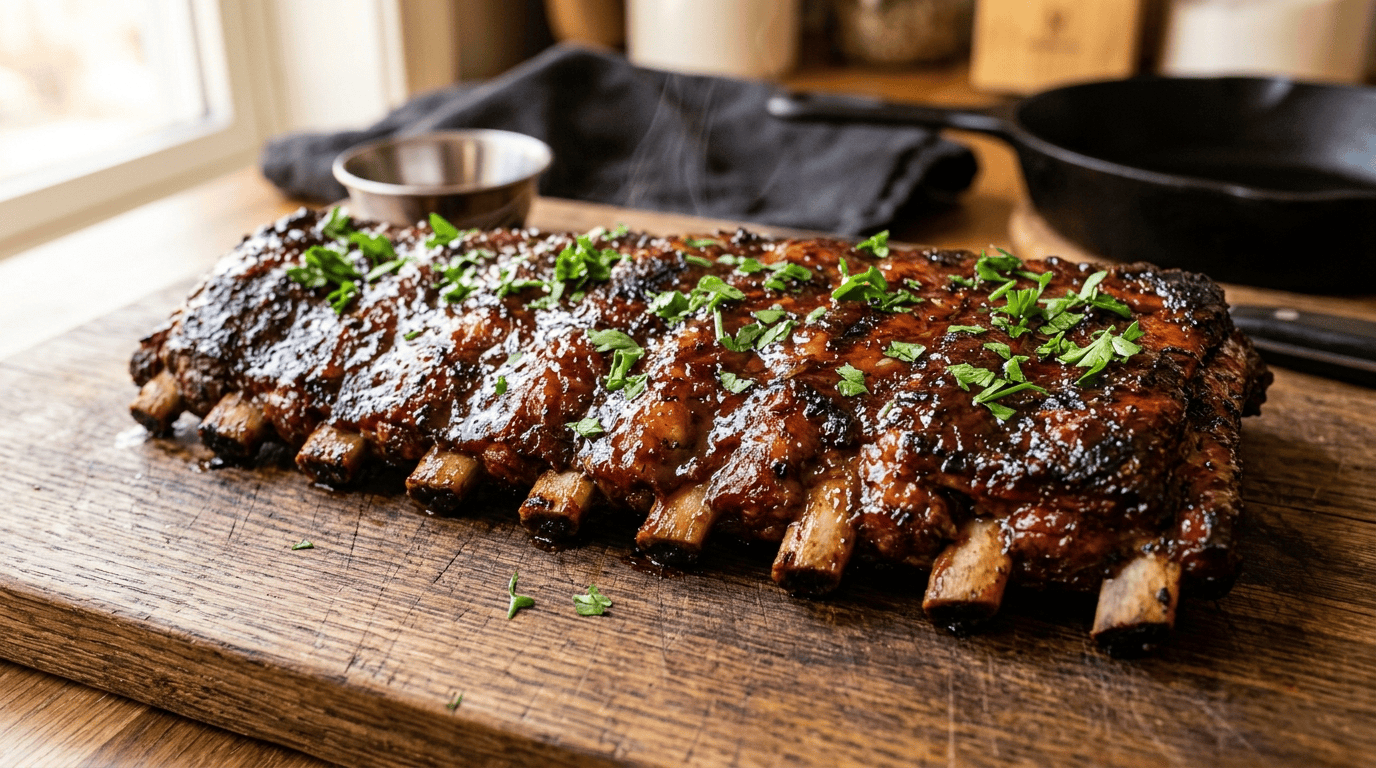
St. Louis developed its distinctive BBQ identity through its geography and meatpacking history. Situated along the Mississippi River, the city became a major hub for pork processing in the 19th century, and pork ribs became the defining cut. The sauce style that emerged reflects Midwestern tastes: sweet and thick, designed to complement rather than overpower slow-cooked meat. The St. Louis style rib cut itself, a trimmed spare rib with the sternum and cartilage removed, is named after the city and is closely associated with this sauce. Maull's, a local brand founded in 1926, is widely credited with defining the commercial flavor profile that home cooks and pitmasters still reference today.
Practical Tips
- Do not boil the sauce aggressively. A low, steady simmer prevents scorching and keeps the sugar from burning.
- For a smoother sauce, use an immersion blender or standard blender once the sauce has cooled slightly.
- Brush the sauce onto meat only during the last 10 to 15 minutes of grilling to prevent the sugars from charring.
- If the sauce becomes too thick after refrigerating, stir in a teaspoon of warm water at a time until it reaches your desired consistency.
- Letting the sauce rest overnight in the refrigerator allows the flavors to meld and significantly improves the overall taste.
Medium saucepan: Used to combine and simmer all sauce ingredients evenly without scorching
Whisk: Ensures smooth incorporation of all ingredients, especially the thicker components like molasses and tomato paste
Measuring cups and spoons: Precise measurement keeps the sweet-to-acid ratio balanced
Wooden spoon or heat-safe spatula: For stirring the sauce as it thickens without scratching the pan
Airtight glass jar or container: For storing the finished sauce in the refrigerator
Spicy St. Louis Sauce: Double the cayenne to 1/2 teaspoon and add 1 tablespoon of hot sauce such as Crystal or Tabasco for a bolder heat level that still stays true to the style.
Bourbon St. Louis Sauce: Add 2 tablespoons of bourbon whiskey along with the other wet ingredients. Simmer as directed; the alcohol cooks off and leaves a warm, oaky undertone that pairs especially well with pork ribs.
Honey St. Louis Sauce: Replace the dark brown sugar with 3 tablespoons of honey for a lighter, floral sweetness. The sauce will be slightly thinner but still clings well to meat.
Smokier Variation: Add 1/2 teaspoon of liquid smoke along with the wet ingredients and increase smoked paprika to 1.5 teaspoons for a deeply smoky profile suited to oven-cooked ribs.
What makes St. Louis BBQ sauce different from other regional styles?
St. Louis sauce is characterized by its thick, ketchup-based body, pronounced sweetness from brown sugar and molasses, and a balanced tangy note from vinegar. It differs from Carolina sauces, which are thin and vinegar-forward, and from Kansas City sauces, which are similar but typically sweeter and less acidic. The use of celery salt and yellow mustard are small but distinctive flavor markers in the St. Louis style.
Can I make this sauce ahead of time?
Yes, and it is recommended. Making the sauce at least a few hours before use allows the flavors to meld together. Store it in an airtight container in the refrigerator for up to two weeks. The sauce can also be frozen in a sealed container for up to three months.
What cuts of meat work best with this sauce?
This sauce is classically paired with St. Louis style spare ribs. It also works very well on baby back ribs, pulled pork, grilled chicken thighs and drumsticks, smoked brisket, and even as a dipping sauce for smoked sausage or burnt ends.
Why does my sauce taste too sweet or too tangy?
The balance between sweetness and acidity is a matter of personal preference and can vary based on the brand of ketchup used. If the sauce is too sweet, add apple cider vinegar one teaspoon at a time and simmer briefly. If it is too tangy, stir in a small amount of additional brown sugar and allow it to dissolve over low heat before tasting again.