
This kansas city bbq sauce recipe is the one true sauce that every serious pitmaster needs in their arsenal – thick, molasses-rich, and packed with layers of smoky, tangy, and sweet flavor that cling to your ribs, brisket, or chicken like a dream. Kansas City is not playing games when it comes to BBQ, and this sauce reflects that no-nonsense attitude. We are talking about a sauce that was born in the smoke-filled BBQ joints along the Kansas City strip, developed over decades of low and slow cooking and passed down through generations of pitmasters who took their craft seriously.
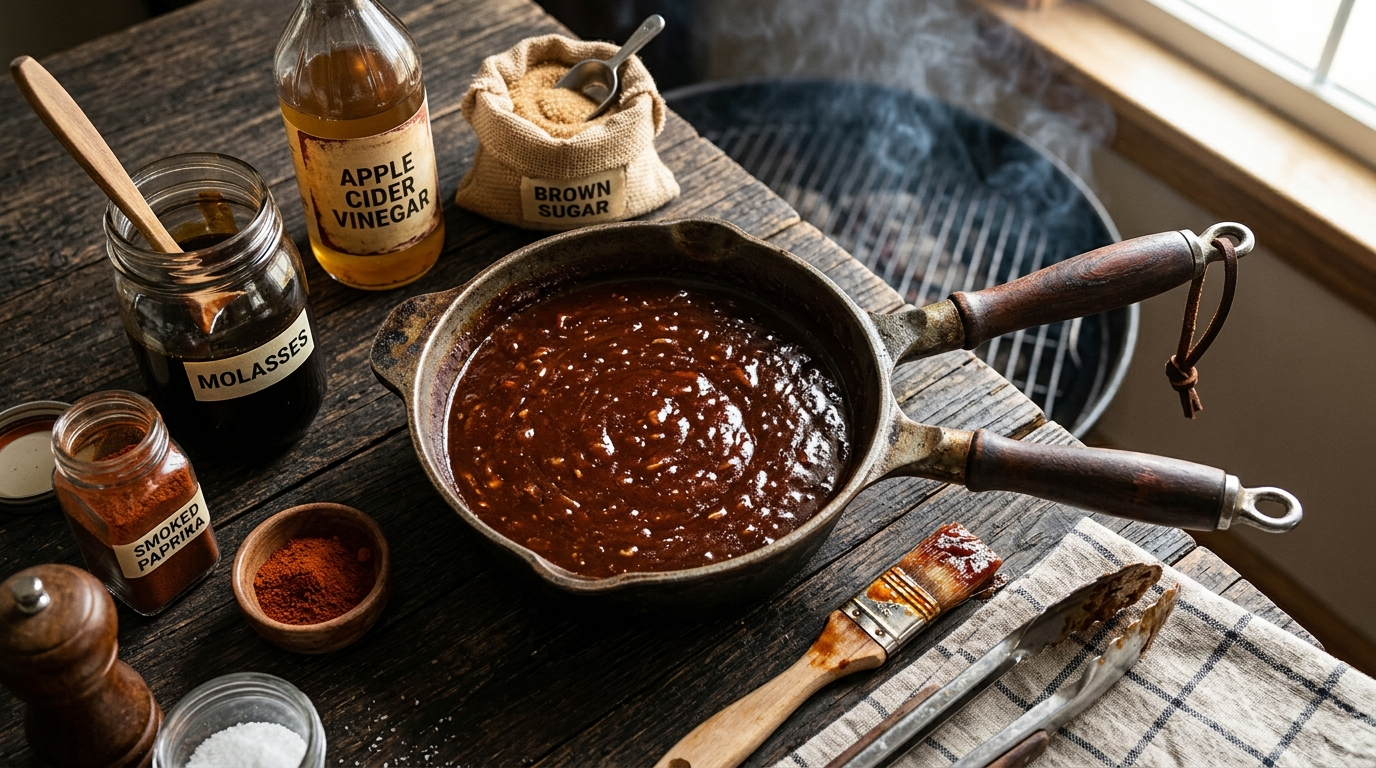
What sets this sauce apart from store-bought bottles is the depth you get from building each flavor layer intentionally. We start by blooming aromatics in a heavy-bottomed saucepan, then we layer in tomato base, apple cider vinegar for that sharp backbone, molasses for body and darkness, and a carefully calibrated spice blend that includes smoked paprika, cumin, and a hit of cayenne for back-end heat. The whole thing simmers at a gentle 200 to 220 degrees Fahrenheit for about 25 to 30 minutes until it reduces down to that glossy, spoon-coating consistency you know from the best BBQ joints.
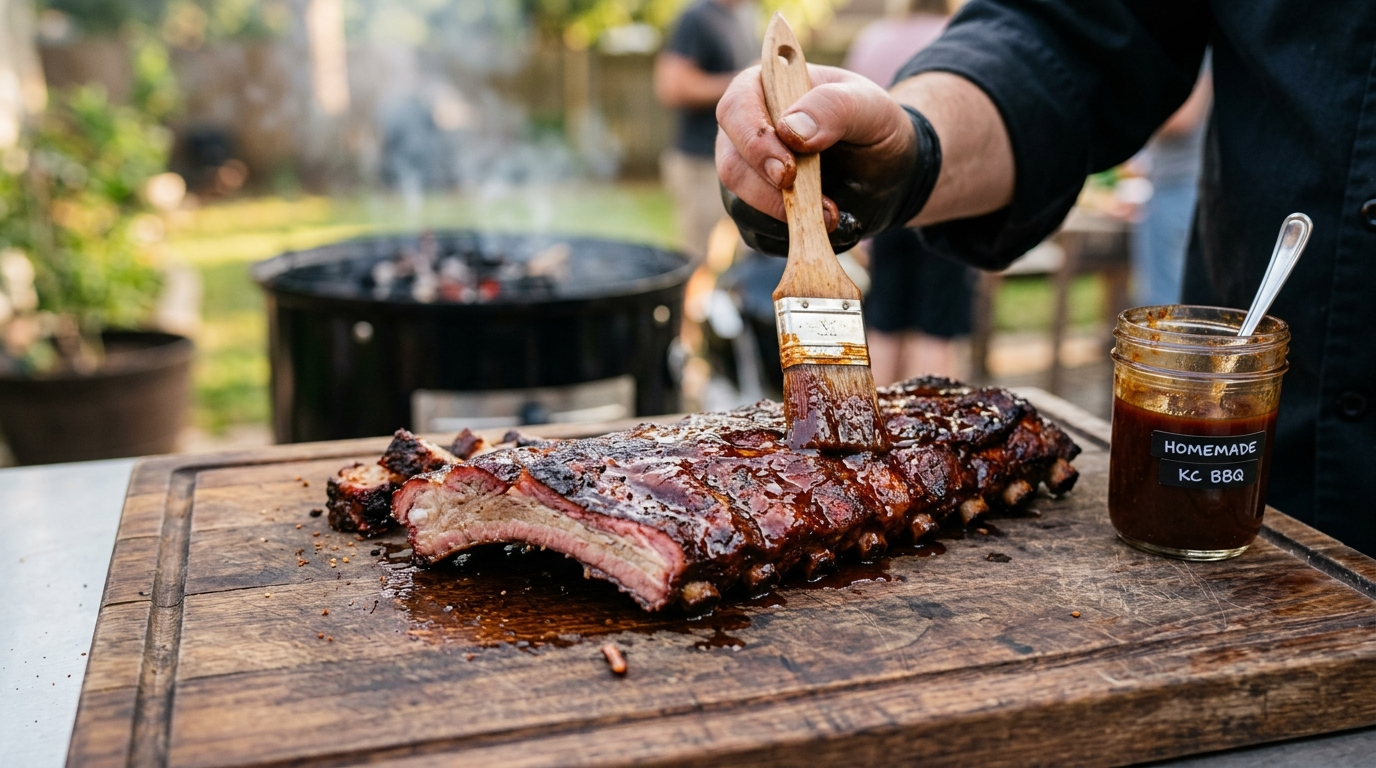
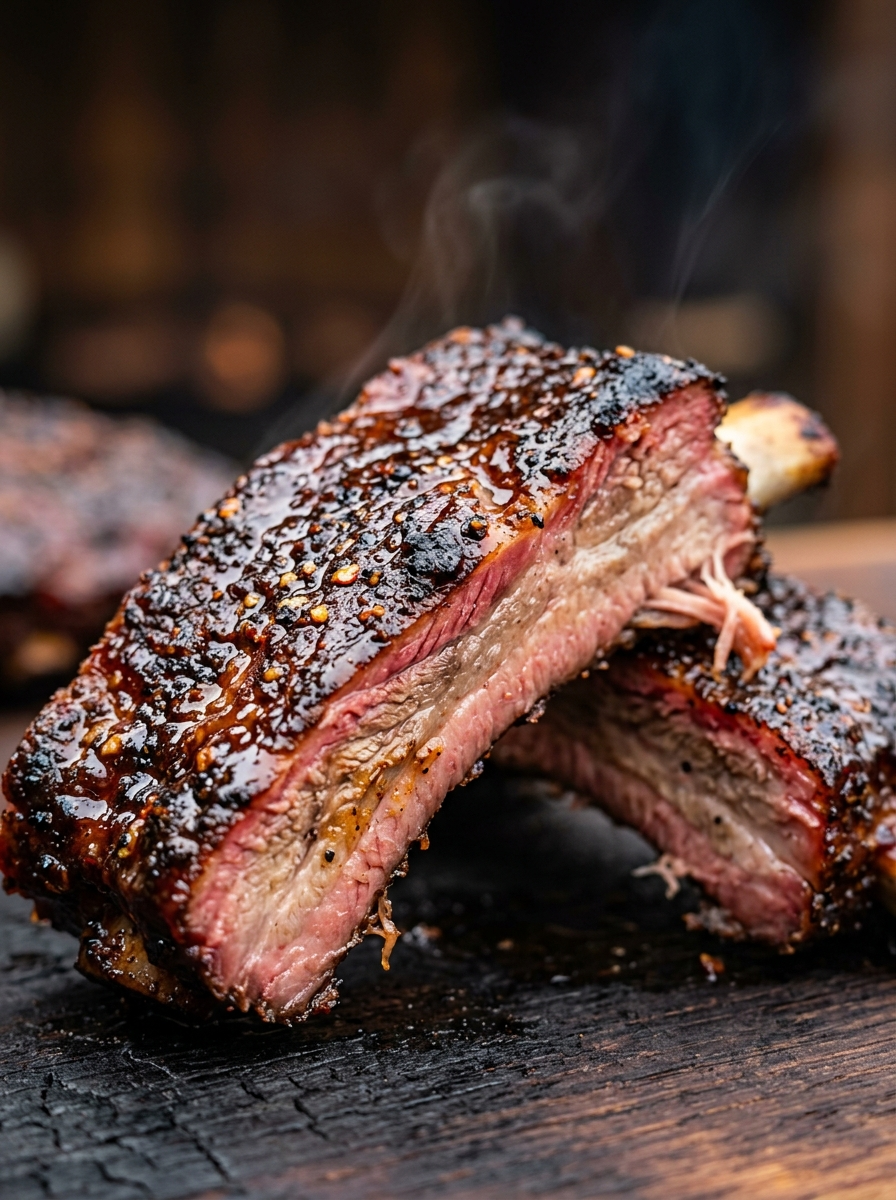
Whether you are brushing this onto a rack of St. Louis-style ribs in the final 30 minutes of a 5-hour smoke session, slathering it over a pulled pork shoulder just before you rest the meat, or using it as a dipping sauce straight off the grill, this recipe will become your go-to every single time you fire up the grill. It keeps beautifully in the refrigerator for up to three weeks and only gets better with time as the flavors continue to marry together.
Kansas City BBQ Sauce Recipe – Bold & Smoky Homemade
This kansas city bbq sauce recipe delivers that iconic thick, sweet, and smoky flavor that has made KC the BBQ capital of the world. Built from pantry staples and simmered low and slow, this sauce will transform your next cookout. Fire up the grill today and taste the difference homemade makes.
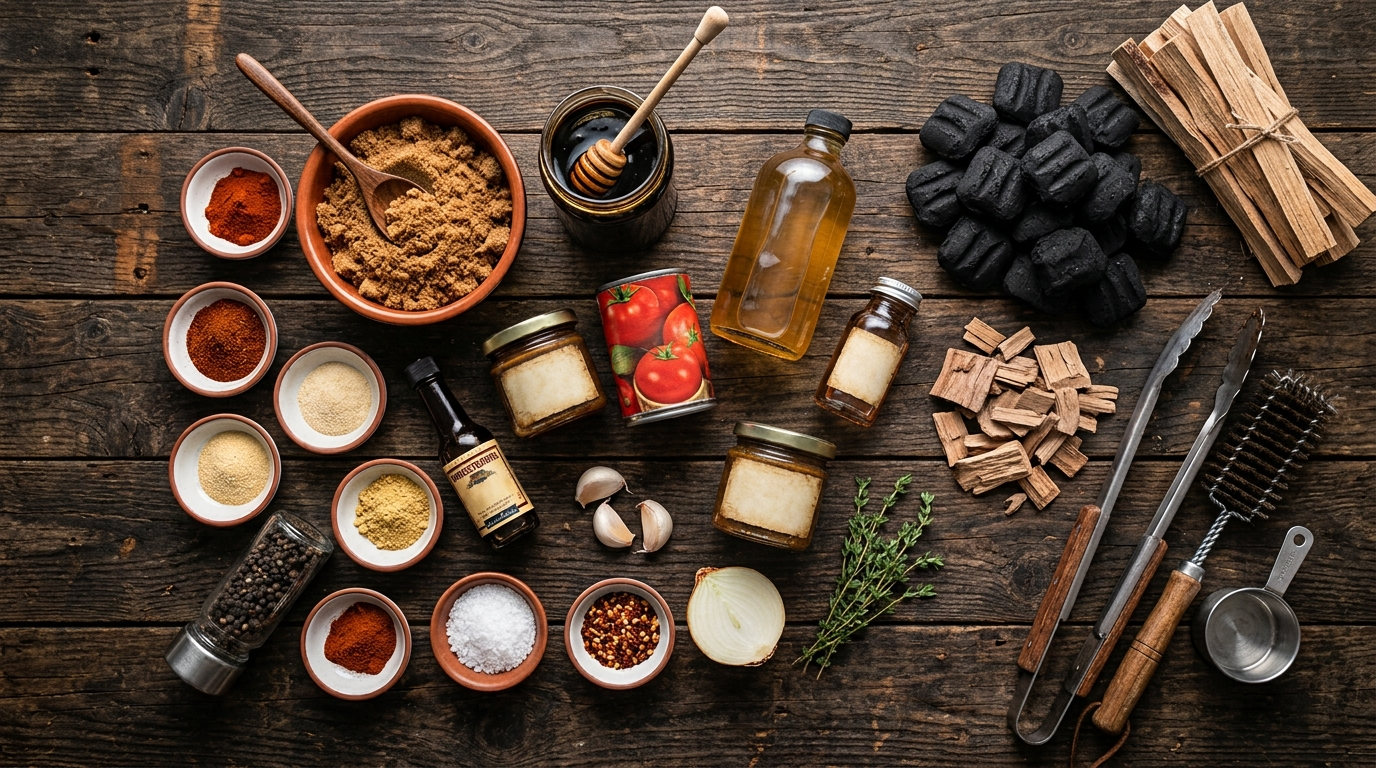
Ingredients
| AMOUNT | INGREDIENT | NOTES |
|---|---|---|
| 2 cups | ketchup | use a quality brand for the best tomato base flavor |
| 1/2 cup | apple cider vinegar | the tangy backbone of a true KC sauce |
| 1/3 cup | dark molasses | do not substitute with light molasses – you need the depth |
| 1/4 cup | brown sugar | packed, dark brown sugar preferred for richer caramel notes |
| 2 tablespoons | Worcestershire sauce | adds umami and savory complexity |
| 2 tablespoons | yellow mustard | classic prepared mustard, not Dijon |
| 1 tablespoon | smoked paprika | use a quality Spanish smoked paprika for authentic smoke flavor |
| 1 tablespoon | chili powder | a mild blend works best here |
| 1 teaspoon | garlic powder | freshly opened jar preferred for best potency |
| 1 teaspoon | onion powder | rounds out the savory base |
| 1 teaspoon | ground cumin | adds warmth and earthiness |
| 1/2 teaspoon | cayenne pepper | adjust up or down based on your heat tolerance |
| 1/2 teaspoon | black pepper | freshly cracked preferred |
| 1/2 teaspoon | kosher salt | adjust to taste at the end |
| 1/4 teaspoon | celery salt | a subtle but important KC flavor note |
| 1/4 teaspoon | ground coriander | optional but adds a bright citrus-like undertone |
| 2 tablespoons | unsalted butter | stirred in at the end for richness and gloss |
| 1 tablespoon | liquid smoke | hickory flavor preferred – use sparingly for depth without overpowering |
Instructions
Nutrition (per serving)
The BBQ Story Behind This Recipe
Kansas City has earned its reputation as the BBQ capital of the United States, and that crown sits squarely on the back of its legendary sauce. The story starts in the early 1900s when Henry Perry, widely considered the founding father of Kansas City BBQ, began slow-smoking meats over hickory wood and selling them wrapped in newspaper on the streets of KC. His style was bold, his smoke was heavy, and his sauces were thick and assertive. Over the following decades, pitmasters like Arthur Bryant and Charlie Bryant refined that sauce tradition into something deeply iconic – thick tomato-based sauces sweetened with molasses and brown sugar, sharpened with vinegar, and given complexity through layers of warm spices. By the mid-20th century, Kansas City had more BBQ restaurants per capita than nearly any other American city, and the sauce was the common thread holding it all together.
What makes Kansas City sauce distinct from its regional competitors is its unapologetic sweetness balanced against a tangy, slightly smoky backbone. Texas goes with a thinner, more meat-forward approach. Carolina pitmasters swear by vinegar or mustard bases. Memphis loves a dry rub. But Kansas City says yes to all of it – sweet, smoky, tangy, spiced, and thick enough to cling to every inch of bark on a slow-smoked brisket. The city even formed the Kansas City Barbeque Society in 1986, which now sanctions hundreds of competitions across the country and has helped codify and celebrate this rich sauce tradition on a national stage. When you make this sauce at home, you are connecting with over a century of serious BBQ culture.
Hot Off the Grill
A Closer Look
Pitmaster Tips for Best Results
- Always use dark molasses rather than light or blackstrap. Dark molasses hits the sweet spot between the mild flavor of light and the intensely bitter edge of blackstrap, giving your sauce that classic KC depth without turning it bitter. If you can find unsulfured dark molasses, even better.
- When applying this sauce to meat on the grill, always wait until the final 15 to 20 minutes of cook time. The high sugar content from the molasses and brown sugar means this sauce will burn at temperatures above 300 degrees Fahrenheit. Apply it during the last portion of your cook over indirect heat at around 250 to 275 degrees Fahrenheit and let it caramelize into a beautiful, tacky glaze rather than a charred mess.
- For the deepest flavor profile, make this sauce 24 to 48 hours before your cookout and let it sit covered in the refrigerator. Just like a good rub or marinade, the spices need time to bloom and integrate. A freshly made sauce tastes good – a rested sauce tastes exceptional. This is one of the most underrated secrets of competition-level BBQ.
- To double this recipe for a big cookout or to keep extra on hand, simply double every ingredient. The sauce scales perfectly. Store in multiple smaller mason jars rather than one large container so you are not constantly opening and closing the same jar, which can introduce bacteria and shorten shelf life. Individual jars also make incredible gifts for fellow grill enthusiasts.
- If you want to use this sauce as a marinade rather than a finishing glaze, thin it with an equal part of apple cider vinegar and a splash of water until it reaches a pourable consistency closer to Italian dressing. This thinner version penetrates the meat better and works beautifully on chicken thighs marinated overnight before you fire up the grill the next day.
🔧 Pitmaster Equipment
Heavy-Bottomed Saucepan: Prevents scorching and ensures even heat distribution as the sauce simmers down low and slow to its final consistency.
Wooden Spoon or Silicone Spatula: Essential for constant stirring during the simmer phase to keep the sugars from burning on the bottom of the pan.
Fine Mesh Strainer: Optional but recommended for achieving that ultra-smooth, restaurant-quality texture by removing any onion or garlic solids.
Instant Read Thermometer: Keep the sauce between 200 and 220 degrees Fahrenheit during the simmer to reduce properly without scorching the molasses.
Glass Mason Jars: Perfect for storing your finished sauce – airtight, easy to label, and they look great in the refrigerator door.
Basting Brush: A high-heat silicone basting brush lets you apply sauce to your meat on the grill during those final critical minutes without burning your hands.
🔥 Variations
Spicy Kansas City Version: Double the cayenne pepper to one full teaspoon and add one tablespoon of your favorite hot sauce – we love a fermented Louisiana-style here – along with one teaspoon of crushed red pepper flakes bloomed in with the other dry spices. This version has serious back-end heat that builds with every bite and pairs perfectly with thick-cut burnt ends or beef short ribs.
Honey Kansas City Version: Replace the brown sugar entirely with three tablespoons of raw wildflower honey, added off the heat after the butter to preserve the delicate floral aromatics. This creates a slightly lighter, more nuanced sweetness that is absolutely incredible brushed onto grilled chicken wings or salmon planked over cedar wood.
Bourbon-Spiked Kansas City Version: Add two tablespoons of a quality Kentucky straight bourbon whiskey to the sauce during the last 10 minutes of simmering. The alcohol cooks off but leaves behind a warm, vanilla-and-oak character that takes this sauce to a completely different level. This version is exceptional on smoked pork belly or as a dipping sauce alongside a smoked brisket flat.
Smoky Chipotle Kansas City Version: Add two chipotle peppers in adobo sauce, finely minced, along with one teaspoon of the adobo sauce itself, in place of the liquid smoke. This swap gives you real chile heat and smoke from an actual dried smoked pepper rather than liquid smoke, which some purists prefer. Strain out any remaining chipotle solids through your fine mesh strainer for a perfectly smooth final texture.
Low-Sugar Kansas City Version: Replace the brown sugar with two tablespoons of a brown sugar substitute like monk fruit sweetener and use a sugar-free ketchup as your base. Reduce the molasses to one tablespoon for flavor only rather than sweetness. The sauce will be slightly thinner since real sugars contribute viscosity, so extend your simmer time by 10 minutes to compensate. This version is still full-flavored and satisfying for those watching their sugar intake.
❓ Pitmaster FAQ
What makes Kansas City BBQ sauce different from other regional BBQ sauces?
Kansas City sauce is defined by its thick, glossy consistency and the dominant role of molasses and tomato as the flavor base. Unlike Carolina sauce which is vinegar or mustard forward, or Texas sauce which is thin and meat-focused, KC sauce is unabashedly sweet, smoky, and thick. It is designed to caramelize on the exterior of your meat and build up in layers over multiple brush applications during the final stage of a low and slow cook.
Can I use this sauce as a marinade as well as a finishing glaze?
Yes, but with a modification. As-is, the sauce is too thick for effective marinating. Thin it by mixing equal parts sauce and apple cider vinegar plus a splash of water until it reaches a loose, pourable consistency. Use this thinned version as an overnight marinade, then apply the full-strength sauce as a glaze during the final 15 to 20 minutes on the grill. Never reuse marinade as a finishing sauce unless you boil it first for food safety.
How long does homemade Kansas City BBQ sauce last in the refrigerator?
Stored in an airtight glass container in the refrigerator, this sauce keeps well for up to 3 weeks. Because it contains no preservatives like commercial sauces, use clean utensils every time you access the jar to avoid introducing bacteria. You can also freeze this sauce for up to 6 months in freezer-safe containers. Thaw overnight in the refrigerator and stir well before using as the ingredients may separate slightly during freezing.
When should I apply Kansas City BBQ sauce to meat on the grill or smoker?
Always apply in the final 15 to 20 minutes of your cook time. The high sugar content in this sauce means it will burn and turn bitter if exposed to direct high heat for too long. For low and slow cooks at 225 to 250 degrees Fahrenheit, you can brush on your first coat at the 30-minute-remaining mark, let it set for 15 minutes, then apply a second coat. Let that final coat caramelize and set before you rest the meat. Two coats builds a gorgeous, tacky glaze with real depth.
Can I make this sauce without liquid smoke?
Absolutely. Liquid smoke is a shortcut to smoky flavor but it is not mandatory, especially if you are already cooking your meat over real wood or charcoal. If you skip the liquid smoke, add an extra half teaspoon of smoked paprika to compensate. If you want to add smoke without liquid smoke, drop a small piece of hickory or apple wood directly into your saucepan while the sauce simmers – a technique some competition pitmasters swear by for infusing genuine wood smoke character directly into the sauce.
What meats pair best with Kansas City BBQ sauce?
Kansas City sauce was built for pork – specifically St. Louis-style spare ribs, pulled pork shoulder, and thick-cut pork steaks. It is also exceptional on beef brisket burnt ends, which are practically the official food of Kansas City itself. Beyond pork and beef, this sauce is outstanding on smoked chicken thighs, grilled meatloaf, and even as a pizza sauce base on a BBQ chicken pie. If it comes off a grill or a smoker, chances are this sauce will make it better.