
There’s something utterly captivating about the aroma of garlic butter shrimp sizzling in a pan.
This dish combines the rich, buttery flavors with the savory depth of well-seasoned shrimp.
Originating as a quick fix for seafood lovers, it has become a staple for both casual meals and sophisticated gatherings.
The simplicity of the ingredients belies the complexity of the flavors they create together.
Perfect for a summer evening or a cozy winter dinner, garlic butter shrimp never disappoints.
Join me as we dive into the secrets of making this delightful dish.
The History and Cultural Significance
• Garlic butter shrimp traces its origins to Mediterranean coastal regions, where it was originally created by fishermen who cooked their catch with locally available ingredients.
• The dish evolved over decades as chefs introduced herbs and spices, eventually becoming the beloved version we know today.
• In Mediterranean cultures, this dish traditionally appears at summer feasts and gatherings, symbolizing abundance and the bounty of the sea.
• While many variations exist across different regions, the authentic version maintains a garlic-forward flavor that sets it apart from imitations.
Recipe Overview
Nutritional Information (per serving)
You Might Also Like
Essential Equipment Guide
Non-stick skillet: Essential for preventing the shrimp from sticking and ensuring even cooking without burning the garlic. Alternatives include well-seasoned cast iron pans. Look for pans with good heat distribution.
Chef’s knife: A sharp chef’s knife is crucial for finely chopping garlic and herbs. Alternatives include a good quality paring knife. Look for knives with comfortable handles and sharp blades.
Microplane grater: Ideal for grating garlic finely, ensuring maximum flavor release. Alternatives include a garlic press. Look for graters with sturdy construction and easy-to-clean designs.
Ingredients
For the Shrimp
|
|
| Amount | Ingredient | Notes |
|---|---|---|
| 1 pound | raw shrimp | peeled and deveined |
| 1 tablespoon | olive oil | for sautéing |
For the Sauce
| Amount | Ingredient | Notes |
|---|---|---|
| 4 tablespoons | unsalted butter | adds richness |
| 6 cloves | garlic | minced finely |
| 2 tablespoons | lemon juice | adds brightness |
| 1 tablespoon | parsley | chopped for garnish |
Seasonings
| Amount | Ingredient | Notes |
|---|---|---|
| 1 teaspoon | salt | enhances flavor |
| 1/2 teaspoon | black pepper | adds mild heat |
Preparation Methods
Butter Emulsification: This technique involves slowly melting butter without browning it, creating a silky-smooth sauce that coats the shrimp beautifully. It's crucial for achieving a creamy rather than oily texture.
Shrimp Deveining: Removing the digestive tract from shrimp not only improves the texture but also enhances the overall flavor. This is done by slicing along the back and pulling out the vein.
Garlic Mincing: Mincing garlic releases its full flavor. Use a sharp knife or microplane to achieve a fine mince, which will infuse the sauce more evenly.
Step 1: Prepare the Shrimp
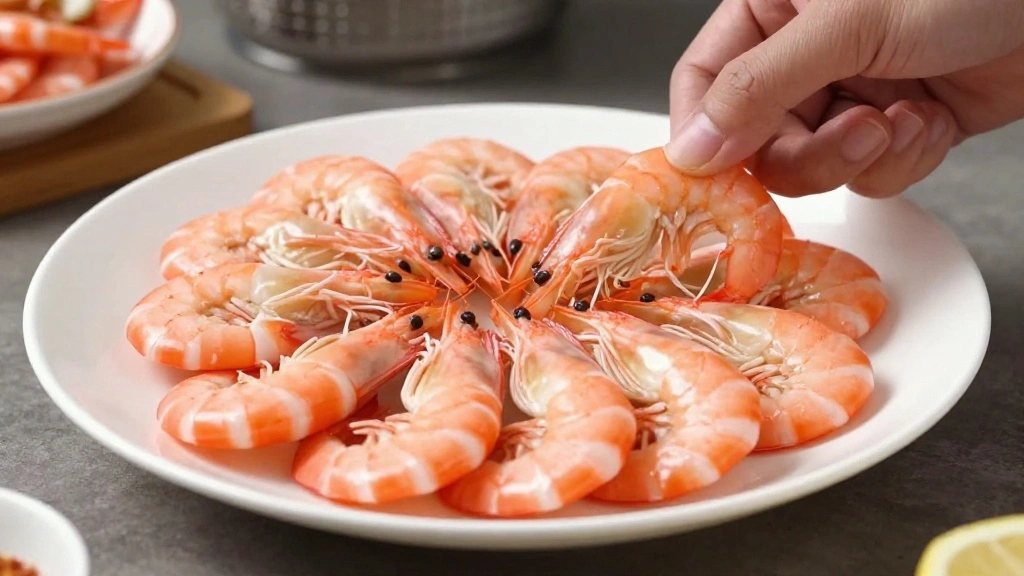
Begin by peeling and deveining the shrimp if not already prepared.
Rinse under cold water to remove any remaining shell fragments.
Pat the shrimp dry with paper towels to ensure they sear properly.
Set the shrimp aside on a plate while you prepare the other ingredients.
Step 2: Mince the Garlic
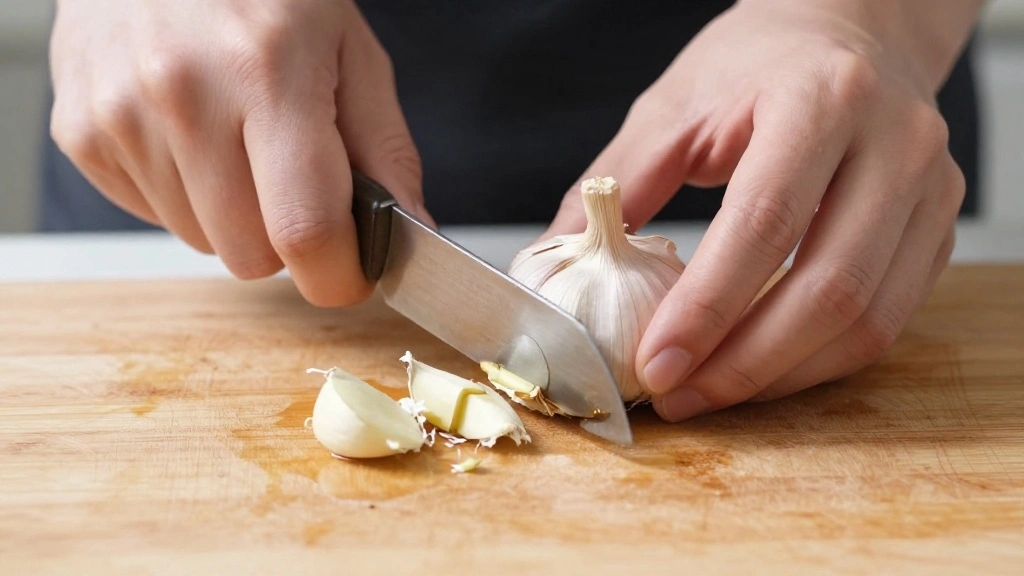
Peel the garlic cloves carefully to keep them whole.
Use a sharp knife or microplane grater to mince the garlic finely.
Ensure the garlic pieces are uniform in size for even cooking.
Set the minced garlic aside in a small bowl.
Step 3: Heat the Skillet
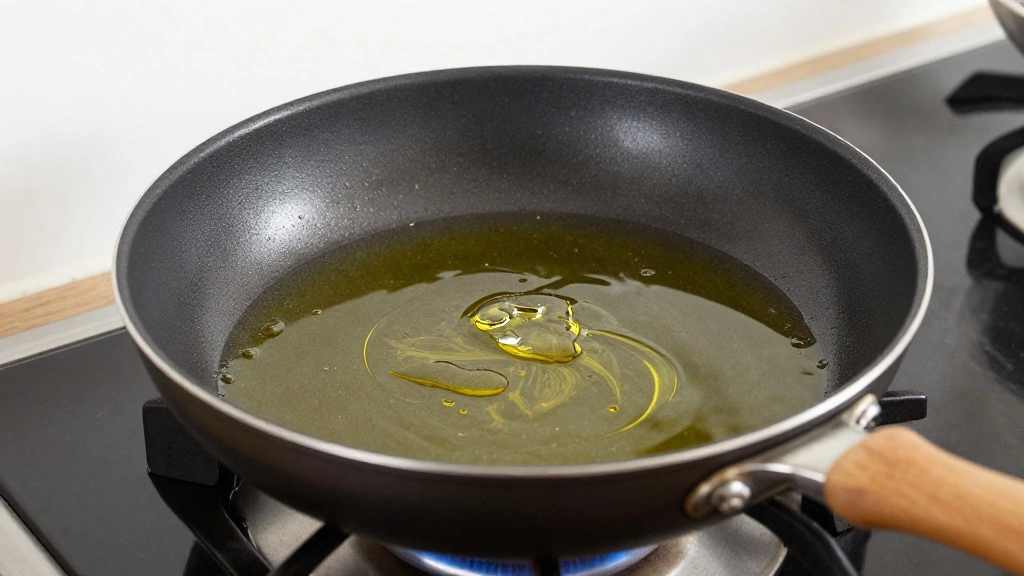
Place a non-stick skillet over medium heat on the stove.
Add the olive oil and let it heat until shimmering.
Ensure the skillet is evenly coated with oil to prevent sticking.
Monitor the heat to avoid burning the oil.
Step 4: Cook the Shrimp
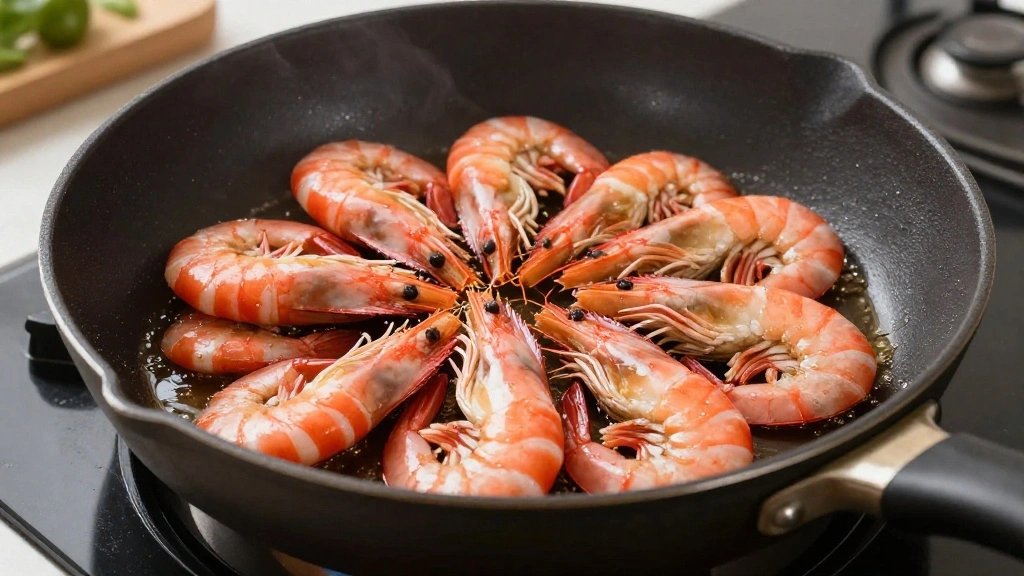
Add the shrimp to the hot skillet in a single layer.
Cook for 2-3 minutes until the shrimp turn pink and opaque.
Flip the shrimp to ensure even cooking on both sides.
Remove the shrimp from the skillet and set aside once cooked.
Step 5: Make the Garlic Butter Sauce
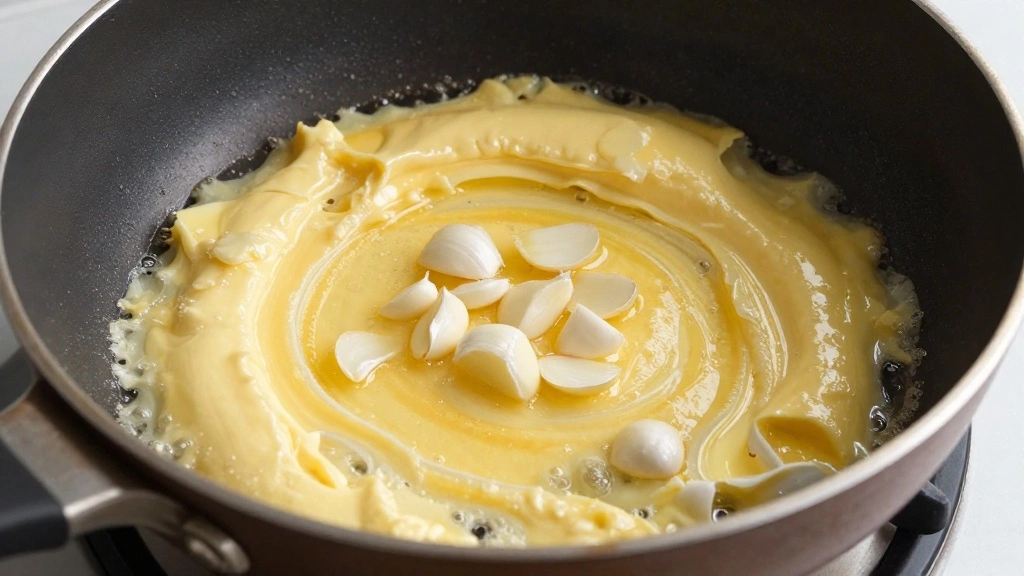
Reduce the heat to medium-low and add butter to the skillet.
Allow the butter to melt slowly, stirring gently to prevent browning.
Add the minced garlic and sauté for 1-2 minutes until fragrant.
Be cautious not to burn the garlic as it can turn bitter.
Step 6: Combine Shrimp with Sauce
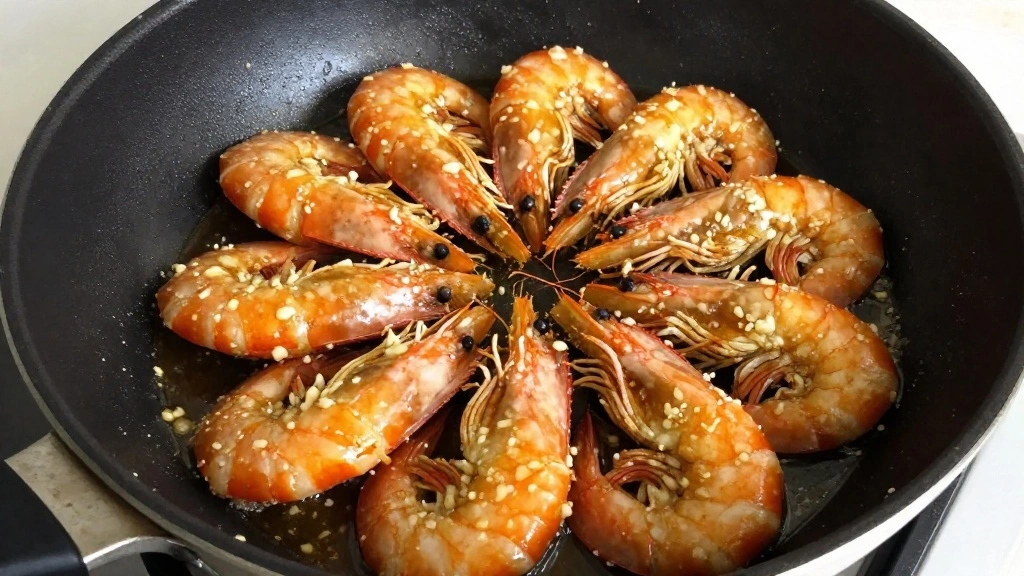
Return the cooked shrimp to the skillet with the garlic butter.
Toss the shrimp to coat them evenly with the sauce.
Add lemon juice and continue to cook for another minute.
Ensure the shrimp are heated through, absorbing the sauce flavors.
Step 7: Season the Dish
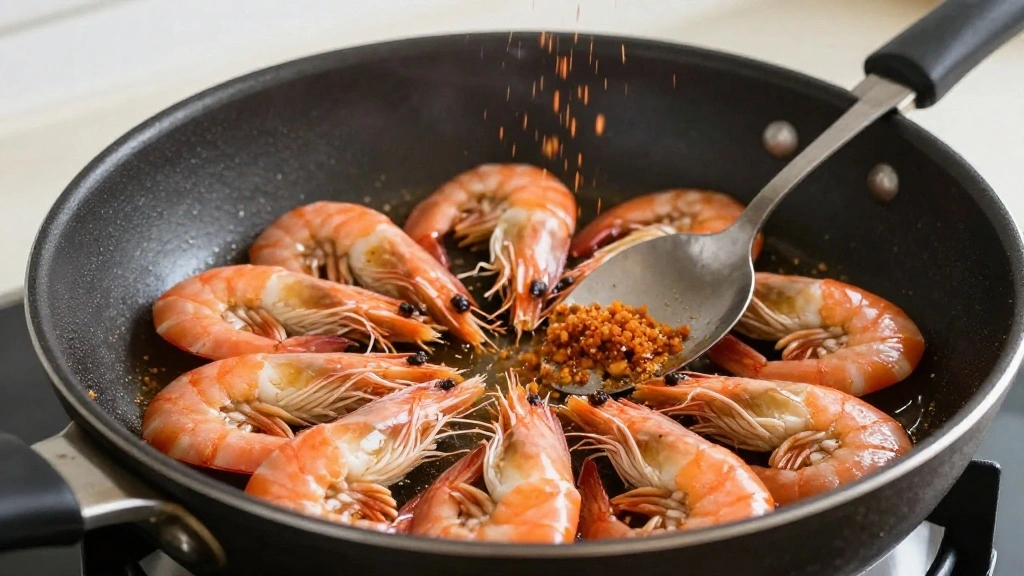
Sprinkle salt and black pepper over the shrimp.
Stir well to distribute the seasoning evenly throughout the dish.
Taste and adjust seasoning as needed to suit your preference.
Remove the skillet from heat once the desired taste is achieved.
Step 8: Garnish and Serve
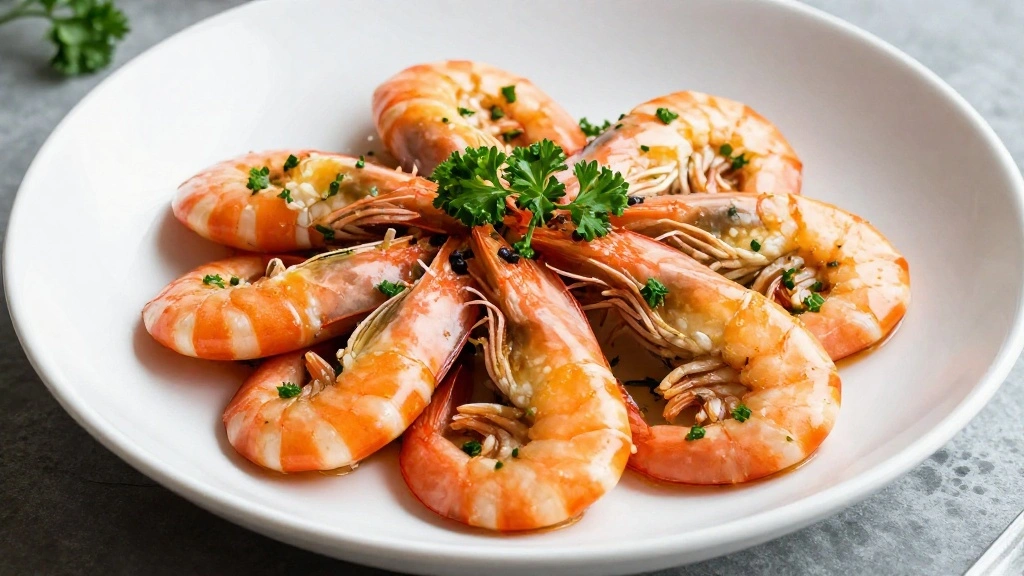
Transfer the shrimp to a serving dish once cooked.
Sprinkle chopped parsley over the top for a fresh touch.
Serve immediately while the dish is hot and aromatic.
Pair with your choice of sides like rice or crusty bread.
Critical Timing and Temperature Guide
Shrimp Cooking: Cook shrimp over medium heat for 2-3 minutes per side until pink and opaque. Avoid overcooking as shrimp can become rubbery.
Butter Melting: Melt butter over medium-low heat to prevent separation. Look for a smooth, creamy texture without any browning.
Garlic Sautéing: Sauté garlic for 1-2 minutes until fragrant. Avoid high heat, which can cause the garlic to burn and turn bitter.
Pro Tips for the Best Garlic
• Ingredient Selection: Choose fresh, high-quality shrimp and garlic for the best flavor. Fresh shrimp should be firm and smell of the sea, not ammonia.
• Preparation Secret: Dry the shrimp thoroughly before cooking to achieve a perfect sear and prevent steaming.
• Temperature Management: Keep the cooking temperature moderate to avoid overcooking shrimp, which leads to toughness.
• Texture Enhancement: Toss shrimp in the sauce just long enough to coat, ensuring they remain tender.
• Flavor Layering: Add lemon juice at the end of cooking to brighten flavors and balance the richness of butter.
• Make-Ahead Strategies: Prepare the garlic butter sauce in advance and store it in the refrigerator for up to 3 days.
• Restaurant-Quality Finishing Touches: Add a sprinkle of sea salt and a drizzle of extra virgin olive oil for a gourmet touch.
• Equipment Optimization: Use a pan with a good heat retention to maintain consistent temperatures during cooking.
Troubleshooting Common Issues
• Shrimp Overcooked: Overcooking makes shrimp rubbery. Cook only until pink and opaque, checking frequently.
• Garlic Burned: Garlic burns if cooked on high heat. Keep heat low and stir constantly.
• Sauce Too Oily: Emulsify butter properly by melting it slowly and stirring to maintain a creamy consistency.
• Flavors Unbalanced: Adjust lemon juice and salt to balance flavors if too rich or bland.
• Shrimp Sticking to Pan: Ensure the pan is fully preheated and coated with oil before adding shrimp.
• Flavor Too Mild: Increase garlic or lemon juice to enhance flavor impact.
Variations and Regional Differences
• Asian-Style Variation: Incorporate soy sauce and ginger for a touch of umami and warmth, often served with jasmine rice.
• Cajun-Style Variation: Add Cajun seasoning and a hint of cayenne pepper for a spicy Louisiana twist.
• Italian-Style Variation: Use white wine and fresh basil for a Mediterranean flavor, served over pasta.
• Spanish-Style Variation: Include paprika and saffron for a smoky, aromatic profile typically enjoyed in tapas.
Food Science Behind the Recipe
• Emulsification: Butter and lemon juice create an emulsion that evenly coats shrimp, achieved by slow melting and constant stirring.
• Maillard Reaction: Searing shrimp triggers this reaction, creating complex flavors and aromas.
• Garlic Chemistry: Mincing garlic releases allicin, enhancing its pungency and flavor, which mellows with heat.
Frequently Asked Questions
What's the most common mistake people make when preparing garlic butter shrimp? Overcooking the shrimp is the most common mistake, leading to a tough texture. Cook until just opaque.
Can I use frozen shrimp for this recipe? Yes, but thaw them thoroughly and dry before cooking to ensure proper texture.
How can I make this dish spicier? Add red pepper flakes or cayenne pepper for extra heat.
What's the best way to store leftovers? Store in an airtight container in the refrigerator for up to 2 days. Reheat gently to avoid overcooking.
Can I use margarine instead of butter? Butter is recommended for its flavor and emulsification properties, but margarine can be used in a pinch.
What sides pair well with garlic butter shrimp? Serve with crusty bread, rice, or pasta to complement the rich sauce.
How do I know if my shrimp are fresh? Look for firm texture, bright color, and a clean sea smell.
Serving and Presentation Guide
• Traditional Presentation: Serve shrimp in a shallow bowl with sauce drizzled over, garnished with parsley.
• Rustic Presentation: Present the shrimp on a wooden board with lemon wedges and crusty bread.
• Elegant Presentation: Arrange shrimp neatly in a circular pattern on a white plate with a small sauce cup.
• Family-Style Presentation: Serve shrimp in a large dish for sharing, with a ladle for the sauce and sides.
Conclusion
Garlic butter shrimp is a dish that marries simplicity with sophistication.
With just a few key ingredients, you can create a meal that's both quick and delicious.
I encourage you to try this recipe and experience the delightful flavors yourself.
Impress your family and friends with this easy seafood delight.