
There’s something undeniably special about a plate of classic BBQ ribs, with its smoky aroma and succulent meat.
The harmonious blend of spices and sweet-savory sauce creates a flavor explosion that excites the palate.
I first fell in love with these mouthwatering ribs during a summer cookout, where the scent of barbecue filled the air.
Whether it’s a weekend family gathering or a festive celebration, these ribs are guaranteed to impress and satisfy.
Join me on this culinary journey to mastering the art of fall-off-the-bone BBQ ribs.
The History and Cultural Significance
• Mouthwatering Classic BBQ ribs trace their origins to the American South, where they were originally created by pitmasters perfecting the art of smoking meat.
• The dish evolved over decades as regional variations introduced new spices and sauces, eventually becoming the beloved version we know today.
• In Southern culture, this dish traditionally appears at family reunions and summer festivals, symbolizing community and celebration.
• While many variations exist across different regions, the authentic version maintains a slow-cooked tenderness that sets it apart from imitations.
Recipe Overview
Nutritional Information (per serving)
You Might Also Like
Essential Equipment Guide
Grill or Smoker: A grill or smoker is essential for achieving the authentic smoky flavor that defines classic BBQ ribs. Look for a model with a lid to retain heat and smoke. Alternatives like a charcoal grill can also work, but you may need to adjust cooking times.
Meat Thermometer: To ensure the ribs are cooked to the perfect temperature without drying them out, a reliable meat thermometer is crucial. Choose one with an easy-to-read display and a quick response time.
Basting Brush: For applying the sauce evenly, a basting brush is invaluable. Opt for a silicone brush with heat-resistant bristles for easy cleaning and durability.
Ingredients
For the Ribs
|
|
| Amount | Ingredient | Notes |
|---|---|---|
| 2 racks | pork ribs | about 2 pounds each, membrane removed |
For the Dry Rub
| Amount | Ingredient | Notes |
|---|---|---|
| 2 tablespoons | brown sugar | adds sweetness and caramelization |
| 1 tablespoon | paprika | provides smoky flavor |
| 1 teaspoon | black pepper | adds a hint of spice |
| 1 teaspoon | salt | enhances flavor |
| 1 teaspoon | garlic powder | adds depth |
| 1 teaspoon | onion powder | enhances umami |
For the BBQ Sauce
| Amount | Ingredient | Notes |
|---|---|---|
| 1 cup | ketchup | base for the sauce |
| 1/2 cup | apple cider vinegar | adds tanginess |
| 1/4 cup | molasses | provides rich sweetness |
| 2 tablespoons | Worcestershire sauce | adds umami |
| 1 tablespoon | mustard | adds a slight kick |
Preparation Methods
Removing the Membrane: This technique involves peeling off the thin layer of skin on the back of the ribs, which can become tough during cooking. Use a knife to loosen the edge, then grip with a paper towel and pull it off. Removing it allows seasonings to penetrate better.
Dry Rubbing: Applying a dry rub is essential for building flavor before cooking. Combine spices and massage them into the meat, ensuring even coverage. This step enhances the taste and helps form a crust during grilling.
Slow Cooking: Cooking the ribs slowly at a low temperature ensures they become tender and fall-off-the-bone. Maintain a consistent heat and resist the urge to rush the process, as patience is key to optimal results.
Step 1: Prepare Ingredients
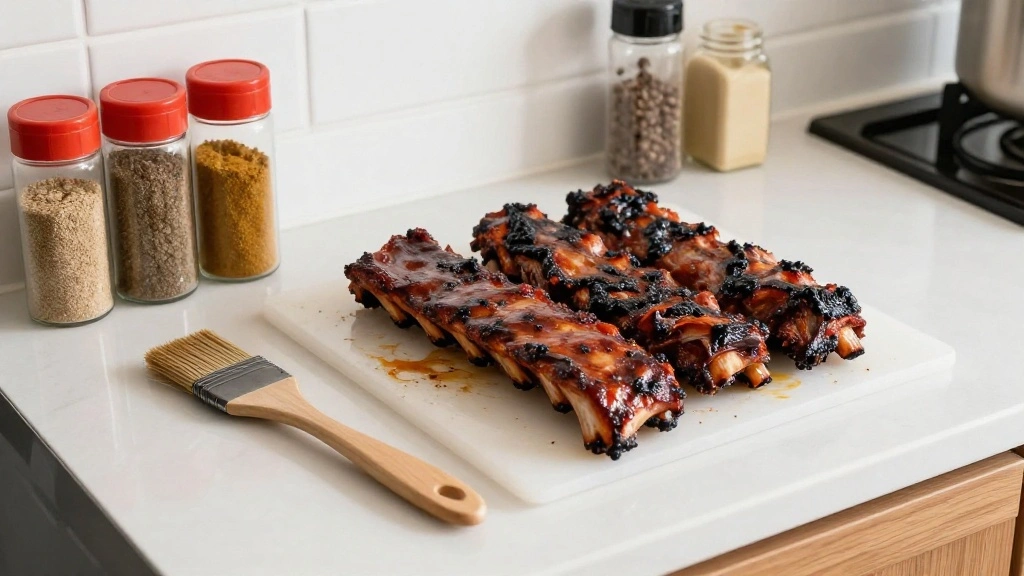
Start by gathering all ingredients and equipment.
Ensure the ribs are at room temperature before beginning.
Pat the ribs dry with paper towels to remove excess moisture.
This helps the dry rub adhere better to the meat.
Step 2: Remove Membrane
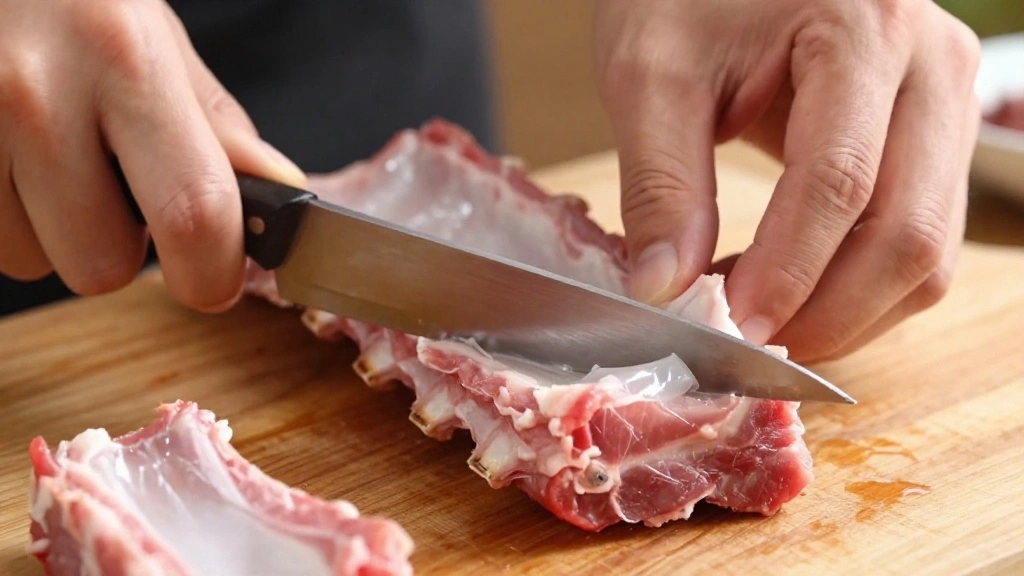
Place the ribs meat side down on a cutting board.
Use a knife to gently lift the membrane at one corner of the ribs.
Grip the membrane with a paper towel and pull it off completely.
This step ensures the ribs will be tender and flavorful.
Step 3: Apply Dry Rub
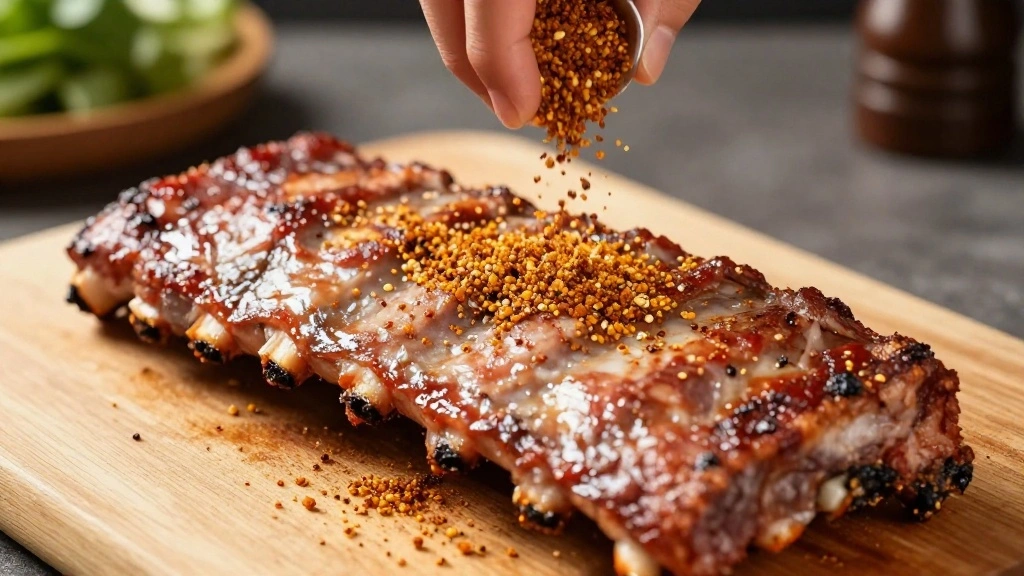
Combine all dry rub ingredients in a bowl.
Generously sprinkle the rub over both sides of the ribs.
Massage the spices into the meat, ensuring even coverage.
This step builds a flavorful crust during cooking.
Step 4: Preheat Grill or Smoker
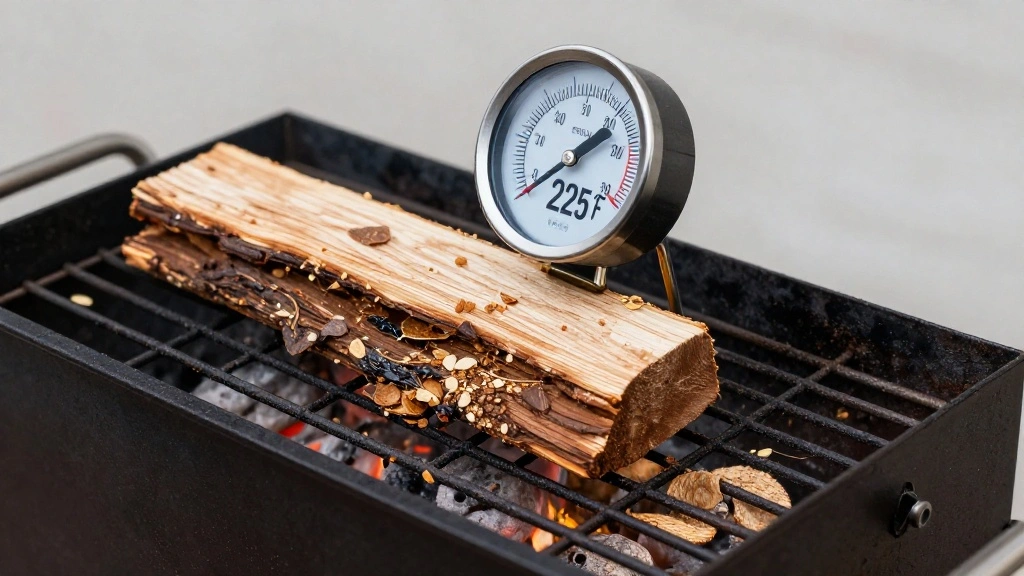
Set up the grill or smoker for indirect heat.
Preheat to 225°F, maintaining a consistent temperature.
Add wood chips for additional smoky flavor, if desired.
Keeping the heat low is key to tender ribs.
Step 5: Cook Ribs
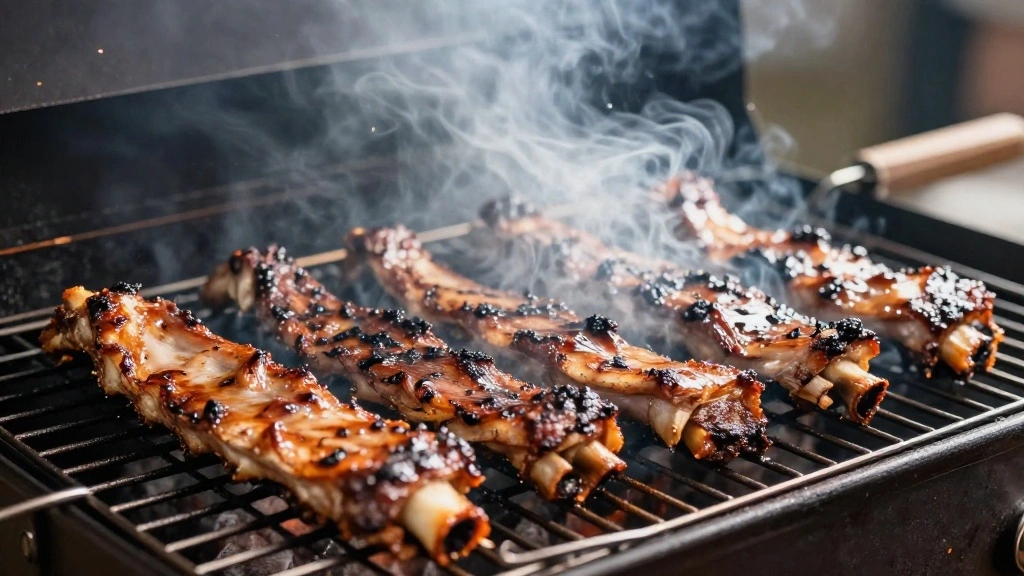
Place the ribs on the grill, bone side down.
Close the lid and let them cook slowly for 2 hours.
Check periodically to ensure the temperature remains stable.
This step allows the ribs to become tender and absorb smoke.
Step 6: Prepare BBQ Sauce
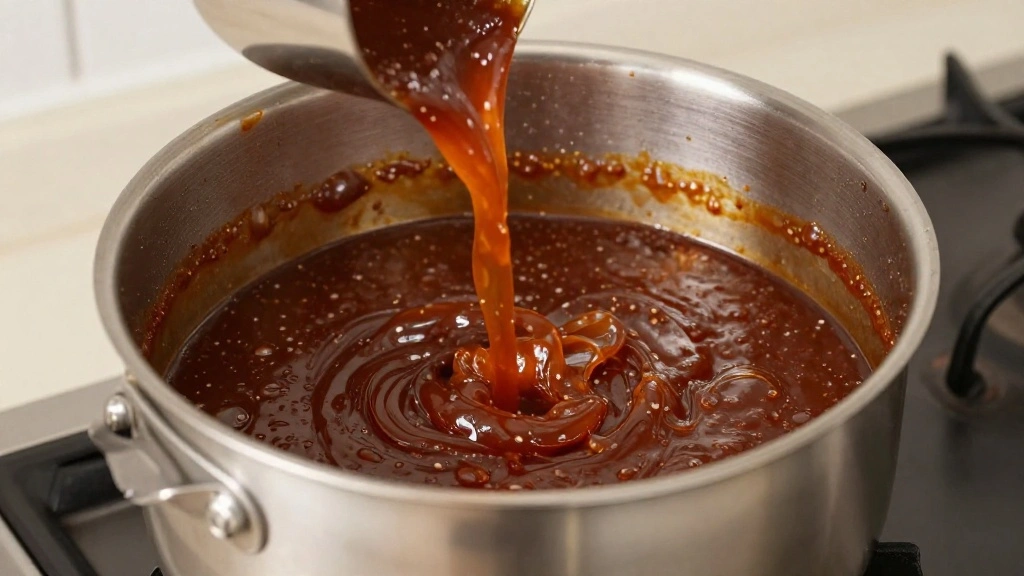
While the ribs are cooking, combine all sauce ingredients in a saucepan.
Simmer over medium heat for 15 minutes, stirring occasionally.
The sauce should thicken slightly and blend flavors.
Adjust seasoning to taste once finished.
Step 7: Baste Ribs with Sauce
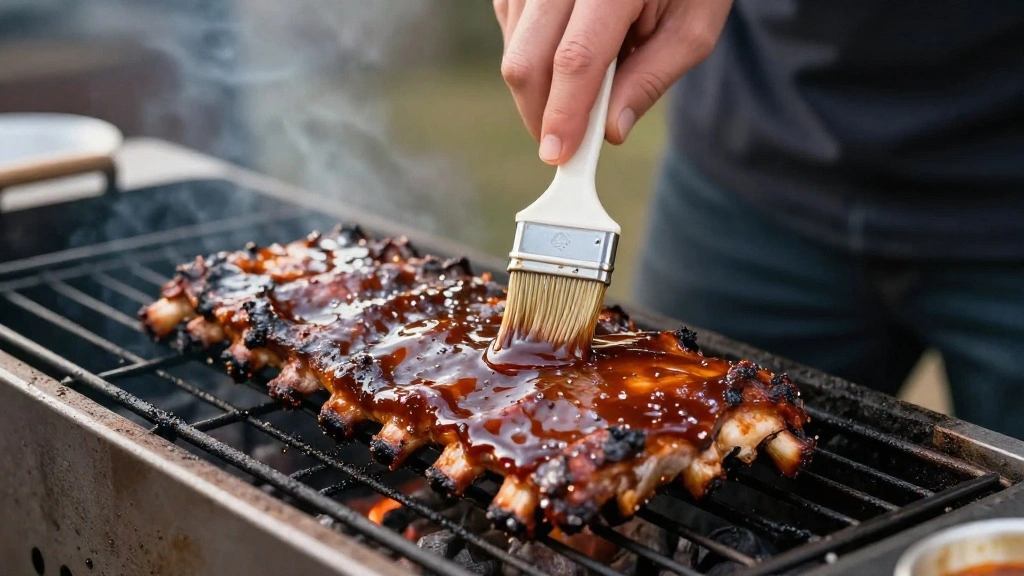
After 2 hours, baste the ribs with prepared BBQ sauce.
Apply a generous coating on all sides using a basting brush.
Continue cooking for another hour, basting every 15 minutes.
This step adds flavor and caramelizes the sauce.
Step 8: Check for Doneness
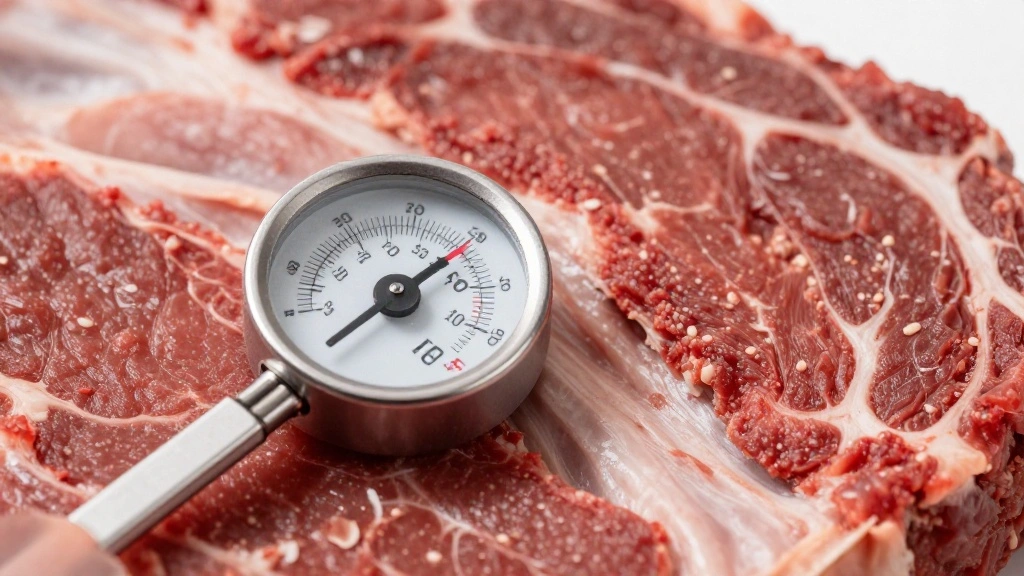
Use a meat thermometer to check the internal temperature of the ribs.
They should reach 190°F for optimal tenderness.
Visual cues include meat pulling back from the bone ends.
Adjust cooking time as needed to achieve this.
Step 9: Rest and Serve
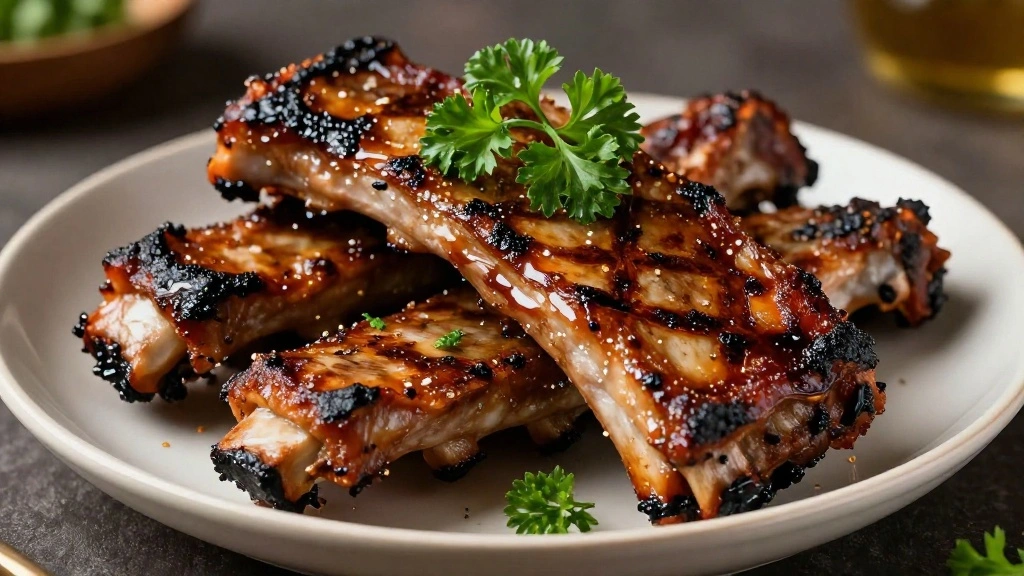
Remove the ribs from the grill and let them rest for 10 minutes.
This allows juices to redistribute for maximum flavor.
Cut into individual ribs or sections for serving.
Enjoy the fruits of your labor with your favorite sides.
Critical Timing and Temperature Guide
Grilling: Maintain a steady temperature of 225°F for 3 hours. Visual indicators include the meat pulling away from the bone and a slight bend when lifted.
Sauce Application: Apply the sauce during the last hour of cooking to prevent burning. Look for a sticky, caramelized surface.
Resting: Allow the ribs to rest for at least 10 minutes post-cooking. This step is crucial for juicy, tender results; avoid cutting too soon to retain moisture.
Pro Tips for Mouthwatering Classic BBQ
• Ingredient Selection: Choose fresh, meaty ribs with a good balance of fat. Quality ribs make a significant difference in flavor and tenderness.
• Preparation Secret: Let the dry rub sit on the ribs for several hours or overnight to enhance flavor penetration.
• Temperature Management: Keep a consistent grill temperature to avoid overcooking or drying out the ribs.
• Texture Enhancement: Use a water pan in the grill to maintain moisture and prevent the meat from drying out.
• Flavor Layering: Combine different types of wood chips, like hickory and apple, for a complex smoky flavor.
• Make-Ahead Strategies: Prepare the dry rub and BBQ sauce in advance. Store them in airtight containers for up to a week.
• Restaurant-Quality Finishing Touches: Brush the ribs with a final glaze of sauce before serving for a glossy finish.
• Equipment Optimization: Use lump charcoal for a cleaner burn and more consistent heat if using a charcoal grill.
Troubleshooting Common Issues
• Ribs Too Tough: This issue is often due to undercooking. Ensure the internal temperature reaches 190°F and cook slowly for optimal tenderness.
• Flavors Unbalanced: If the sauce is too sweet or sour, adjust with a pinch of salt or a splash of vinegar to balance flavors.
• Burnt Sauce: Apply sauce during the last hour of cooking to prevent burning. Low and slow heat is critical.
• Dry Ribs: Avoid this by maintaining grill moisture with a water pan and not cooking at too high a temperature.
• Inconsistent Cooking: Ensure even heat distribution by arranging coals correctly or using a heat deflector in a smoker.
Variations and Regional Differences
• Memphis-Style: This version uses a dry rub as the primary seasoning, with sauce served on the side. It emphasizes the natural flavor of the meat.
• Kansas City-Style: Known for its thick, sweet sauce, this variation uses a tomato-based sauce applied generously throughout cooking.
• Texas-Style: Focuses on simplicity with just salt and pepper as seasoning, allowing the smoke and meat to shine.
• Carolina-Style: Features a vinegar-based sauce with a tangy flavor, often using mustard as a key ingredient.
Food Science Behind the Recipe
• Maillard Reaction: This chemical reaction between amino acids and reducing sugars gives grilled ribs their distinctive brown crust and complex flavors.
• Collagen Breakdown: Slow cooking breaks down tough collagen fibers in the meat, resulting in tender, fall-off-the-bone ribs.
• Smoke Penetration: Smoke particles adhere to the meat surface, infusing it with flavor. This process is maximized with a longer cooking time at a lower temperature.
Frequently Asked Questions
What's the most common mistake people make when preparing BBQ ribs? Rushing the cooking process is common. Low and slow is key to tender, flavorful ribs.
Can I make BBQ ribs without a smoker? Yes, a regular grill can be used. Just add wood chips for a smoky flavor and maintain indirect heat.
How do I know when the ribs are done? Use a meat thermometer to ensure they reach an internal temperature of 190°F, and look for meat pulling away from the bone.
Is it necessary to remove the membrane? Removing the membrane is crucial for tender ribs, as it allows flavors to penetrate and prevents toughness.
Can I use store-bought BBQ sauce? Absolutely, but making your own allows you to customize the flavor to your liking.
What's the best wood for smoking ribs? Hickory and apple are popular choices, offering a balance of strong and sweet smoke flavors.
How can I keep the ribs moist during cooking? Use a water pan in the grill and avoid opening the lid too often, as this releases moisture.
Serving and Presentation Guide
• Traditional Presentation: Serve ribs on a wooden board with sauce drizzled over and extra sauce on the side.
• Casual BBQ Gathering: Arrange ribs on a platter with corn on the cob and coleslaw as sides.
• Elegant Dinner: Plate ribs individually with a sprig of fresh herbs and a drizzle of sauce for a refined presentation.
• Family Style: Cut ribs into sections, stack them on a large serving tray, and garnish with fresh parsley or cilantro.
Conclusion
Embark on a flavorful adventure with this classic BBQ rib recipe, perfect for any occasion.
With patience and attention to detail, you'll master the art of creating ribs that are truly unforgettable.
Gather your loved ones and enjoy the delicious results of your culinary efforts.
These fall-off-the-bone ribs are sure to become a favorite in your recipe repertoire.