
The art of crafting an authentic Texas BBQ Brisket is a labor of love that results in a smoky, tender delight.
Known for its rich, savory flavors, this dish embodies the heart and soul of Southern barbecue.
My journey with Texas BBQ began on a road trip through the Lone Star State, where I tasted brisket so succulent it melted in my mouth.
Whether you’re planning a summer cookout or a cozy family gathering, this recipe promises to deliver that unforgettable experience.
The process may take time, but the rewarding flavors and textures make every minute worthwhile.
The History and Cultural Significance
• Authentic Texas BBQ traces its origins to the mid-19th century in Central Texas, where it was originally created by German and Czech immigrants.
• The dish evolved over decades as pitmasters honed their smoking techniques and seasoning blends, eventually becoming the beloved version we know today.
• In Texas culture, this dish traditionally appears at backyard gatherings and state fairs, symbolizing community and celebration.
• While many variations exist across different regions, the authentic version maintains a focus on slow-cooking and wood smoking, which sets it apart from imitations.
Recipe Overview
Nutritional Information (per serving)
You Might Also Like
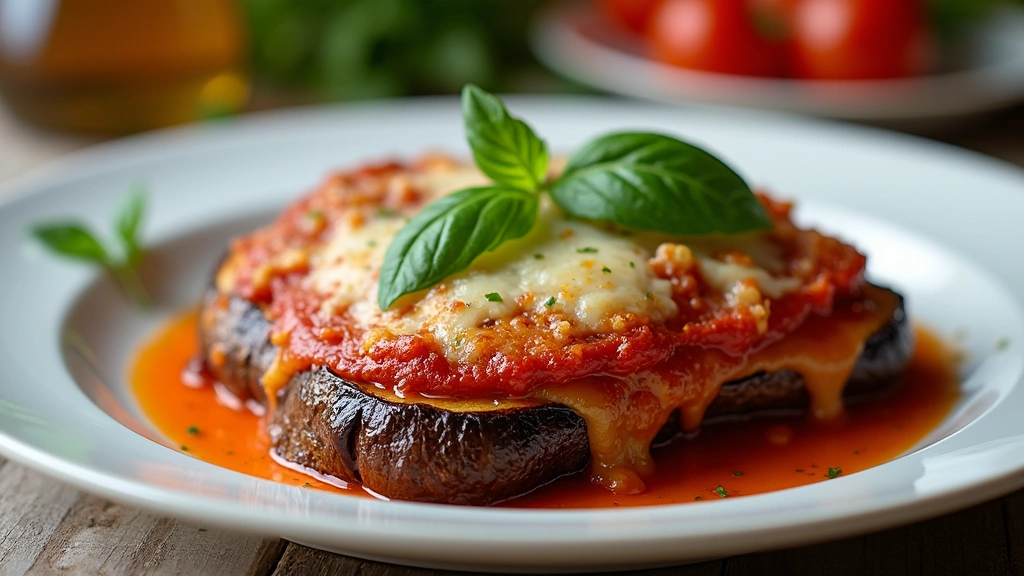
Crispy Baked Eggplant Parmesan: A Healthy Twist on a Timeless Italian Dish – Recipe Zesty – Bold Flavors, Simple Recipes
Essential Equipment Guide
Smoker: A smoker is crucial for imparting that authentic smoky flavor unique to Texas BBQ. Look for models that allow precise temperature control and accommodate large cuts of meat. Alternatives include a charcoal grill with a smoking attachment.
Meat Thermometer: Ensuring the brisket reaches the correct internal temperature is key to achieving tenderness. A digital meat thermometer provides accuracy and quick readings. Instant-read models are particularly useful.
Cutting Board: A large, sturdy cutting board is essential for slicing the brisket evenly. Choose one with grooves to catch juices, and ensure it’s made from materials that won’t dull your knife.
Ingredients
For the Brisket
|
|
| Amount | Ingredient | Notes |
|---|---|---|
| 10 pounds | beef brisket | trimmed of excess fat |
| 2 tablespoons | kosher salt | enhances flavor |
| 2 tablespoons | black pepper | freshly ground for optimal taste |
For the Rub
| Amount | Ingredient | Notes |
|---|---|---|
| 1 tablespoon | paprika | adds smoky depth |
| 1 tablespoon | garlic powder | provides savory notes |
| 1 tablespoon | onion powder | adds sweetness |
For the Sauce
| Amount | Ingredient | Notes |
|---|---|---|
| 2 cups | ketchup | base of the sauce |
| 1 cup | apple cider vinegar | adds tanginess |
| 1/2 cup | brown sugar | adds sweetness |
| 2 tablespoons | Worcestershire sauce | adds umami |
| 1 tablespoon | liquid smoke | enhances smoky flavor |
Preparation Methods
Brining: Brining the brisket overnight in a salt solution helps ensure it stays moist during the long cooking process. This technique matters because it breaks down muscle fibers, making the meat tender. Use a non-reactive container and keep it refrigerated.
Dry Rub Application: Applying a dry rub provides a flavorful crust known as bark. Evenly coat the brisket with spices and let it sit for a few hours at room temperature to allow the flavors to penetrate the meat. Ensure all surfaces are covered for consistent seasoning.
Smoking: Smoking involves cooking the brisket slowly over low heat with wood smoke. This is crucial for creating the deep, smoky flavor characteristic of Texas BBQ. Maintain a steady temperature with a combination of hardwoods like oak or hickory.
Step 1: Prepare the Brisket

Trim the brisket of excess fat, leaving about a quarter-inch layer for moisture.
Place the brisket in a large container and cover with a brine solution made of water and kosher salt.
Refrigerate the brisket overnight to allow the brine to penetrate and tenderize the meat.
This step ensures the brisket remains juicy during the long smoking process.
Step 2: Apply the Dry Rub

Remove the brisket from the brine and pat it dry with paper towels.
Mix together the salt, black pepper, paprika, garlic powder, and onion powder to create the rub.
Generously coat all sides of the brisket with the rub, pressing it into the meat.
Allow the brisket to sit at room temperature for 1-2 hours before smoking.
Step 3: Preheat the Smoker

Preheat your smoker to 225°F using a combination of oak and hickory woods.
Ensure the smoker maintains a steady temperature for consistent cooking.
Add wood chips or chunks periodically to keep the smoke flowing.
This step sets the stage for infusing the brisket with a deep, smoky flavor.
Step 4: Smoke the Brisket

Place the brisket fat-side up on the smoker grates.
Insert a digital meat thermometer into the thickest part of the brisket.
Smoke the brisket for approximately 1-1.5 hours per pound, maintaining a steady temperature.
Monitor the internal temperature closely, aiming for a final temperature of 195°F.
Step 5: Prepare the Sauce

While the brisket smokes, combine ketchup, apple cider vinegar, brown sugar, Worcestershire sauce, and liquid smoke in a saucepan.
Bring the mixture to a simmer over medium heat, stirring occasionally.
Reduce the heat and let the sauce thicken for about 20 minutes.
This sauce will complement the smoked brisket with a tangy and sweet finish.
Step 6: Wrap the Brisket

Once the brisket reaches an internal temperature of 160°F, remove it from the smoker.
Wrap the brisket tightly in butcher paper or aluminum foil to prevent moisture loss.
Return the wrapped brisket to the smoker and continue cooking until it reaches 195°F.
This step helps tenderize the brisket further and lock in juices.
Step 7: Rest the Brisket

Remove the brisket from the smoker and leave it wrapped.
Let it rest for at least 30 minutes to allow the juices to redistribute.
This resting period is crucial for achieving a moist and tender texture.
Avoid cutting into the brisket immediately to prevent dryness.
Step 8: Slice and Serve

Unwrap the brisket and place it on a large cutting board.
Using a sharp knife, slice the brisket against the grain into 1/4-inch thick slices.
Arrange the slices on a platter and drizzle with the prepared sauce.
Serve the brisket with classic sides like coleslaw and cornbread for a complete meal.
How to Make Authentic Texas BBQ Brisket: A Smoky, Tender Delight
Ingredients
Method
- Trim the brisket of excess fat, leaving about a quarter-inch layer for moisture. Place the brisket in a large container and cover with a brine solution made of water and kosher salt. Refrigerate the brisket overnight to allow the brine to penetrate and tenderize the meat.
- Remove the brisket from the brine and pat it dry with paper towels. Mix together the salt, black pepper, paprika, garlic powder, and onion powder to create the rub. Generously coat all sides of the brisket with the rub, pressing it into the meat. Allow the brisket to sit at room temperature for 1-2 hours before smoking.
- Preheat your smoker to 225°F using a combination of oak and hickory woods. Ensure the smoker maintains a steady temperature for consistent cooking. Add wood chips or chunks periodically to keep the smoke flowing.
- Place the brisket fat-side up on the smoker grates. Insert a digital meat thermometer into the thickest part of the brisket. Smoke the brisket for approximately 1-1.5 hours per pound, maintaining a steady temperature. Monitor the internal temperature closely, aiming for a final temperature of 195°F.
- While the brisket smokes, combine ketchup, apple cider vinegar, brown sugar, Worcestershire sauce, and liquid smoke in a saucepan. Bring the mixture to a simmer over medium heat, stirring occasionally. Reduce the heat and let the sauce thicken for about 20 minutes.
- Once the brisket reaches an internal temperature of 160°F, remove it from the smoker. Wrap the brisket tightly in butcher paper or aluminum foil to prevent moisture loss. Return the wrapped brisket to the smoker and continue cooking until it reaches 195°F.
- Remove the brisket from the smoker and leave it wrapped. Let it rest for at least 30 minutes to allow the juices to redistribute. This resting period is crucial for achieving a moist and tender texture. Avoid cutting into the brisket immediately to prevent dryness.
- Unwrap the brisket and place it on a large cutting board. Using a sharp knife, slice the brisket against the grain into 1/4-inch thick slices. Arrange the slices on a platter and drizzle with the prepared sauce. Serve the brisket with classic sides like coleslaw and cornbread for a complete meal.
Nutrition
Critical Timing and Temperature Guide
Smoking Process: Maintain a consistent smoker temperature of 225°F. Watch for a deep mahogany color on the brisket surface, indicating proper smoke absorption. Avoid opening the smoker frequently to ensure steady heat.
Wrapping and Cooking: Wrap the brisket when it reaches 160°F internal temperature. Continue cooking until the internal temperature reaches 195°F. Avoid undercooking, which results in tough meat.
Resting Period: Let the brisket rest for at least 30 minutes, ideally up to 1 hour. Look for juices pooling on the surface, indicating the meat is ready to slice. Skipping this step can lead to dry slices.
Pro Tips for Authentic Texas BBQ
• Ingredient Selection: Choose a brisket with a good fat cap and marbling, as high-quality meat significantly impacts the final texture and flavor.
• Preparation Secret: Allow the brisket to come to room temperature before smoking, which ensures even cooking.
• Temperature Management: Keep a steady smoker temperature of 225°F to prevent the brisket from drying out prematurely.
• Texture Enhancement: Wrap the brisket at the right time to lock in moisture and achieve a melt-in-your-mouth texture.
• Flavor Layering: Use a combination of hardwoods like oak and hickory for a balanced smoky flavor that complements the beef.
• Make-Ahead Strategies: Prepare the dry rub and sauce up to a day in advance and store them in airtight containers.
• Restaurant-Quality Finishing Touches: Finish the brisket with a light drizzle of sauce and a sprinkle of coarse sea salt for added flavor.
• Equipment Optimization: Use a water pan in the smoker to maintain humidity and prevent the brisket from drying out.
Troubleshooting Common Issues
• Texture Too Dry: This can occur if the brisket is overcooked or not wrapped properly. Check the internal temperature frequently and wrap tightly to retain moisture.
• Flavors Unbalanced: If the brisket tastes too salty or spicy, adjust the seasoning in the rub by reducing salt and increasing sugar or paprika.
• Insufficient Smoky Flavor: Ensure enough wood chips are used during smoking, and avoid opening the smoker too often, which can let smoke escape.
• Tough Meat: This issue arises from undercooking. Ensure the final internal temperature reaches 195°F and allow the brisket to rest before slicing.
• Uneven Cooking: Rotate the brisket during smoking to ensure even exposure to heat and smoke, especially if using a smaller smoker.
• Burnt Ends: If the edges are burning, reduce the smoker temperature slightly and ensure the brisket is placed fat-side up.
Variations and Regional Differences
• Central Texas Style: Focuses on simple seasonings like salt and pepper, allowing the beef's natural flavor to shine.
• East Texas Style: Often involves marinating the brisket in a rich sauce before smoking for added moisture and flavor.
• South Texas Style: Incorporates a tangy, vinegar-based sauce for basting during the smoking process, resulting in a more acidic flavor profile.
• Hill Country Style: Uses pecan wood for smoking, offering a sweeter, milder smoke flavor compared to traditional hardwoods.
Food Science Behind the Recipe
• Maillard Reaction: This chemical reaction between amino acids and reducing sugars gives the brisket its rich, brown crust and complex flavors.
• Collagen Breakdown: Slow cooking breaks down collagen in the brisket, transforming it into gelatin, which contributes to a tender texture.
• Smoke Absorption: The smoke particles adhere to the meat's surface, infusing it with flavor during the initial stages of smoking. Maintaining a clean-burning fire is crucial for optimal smoke flavor.
Frequently Asked Questions
What's the most common mistake people make when preparing Texas BBQ Brisket? Overcooking or undercooking the brisket. Monitoring internal temperature is crucial to avoid this.
Can I use a gas grill instead of a smoker? Yes, but you'll need a smoking box or pouch with wood chips to achieve similar results.
How do I know when the brisket is done? The brisket is done when it reaches an internal temperature of 195°F and feels tender when probed.
What's the best wood for smoking brisket? Oak and hickory are traditional choices, but pecan and mesquite are also popular for their unique flavors.
Why is my brisket tough? It may be undercooked or not rested properly. Ensure it reaches the correct temperature and rests before slicing.
How long should I let the brisket rest? A minimum of 30 minutes, up to 1 hour, to let the juices redistribute.
Can I make the brisket in advance? Yes, smoke the brisket and store it whole. Reheat it gently in an oven to preserve moisture.
Serving and Presentation Guide
• Traditional Presentation: Serve the brisket sliced on a wooden platter with sides like coleslaw and pickles.
• Family Style: Arrange brisket slices on a large platter, accompanied by small bowls of sauce and classic BBQ sides.
• Individual Plates: Offer each guest a plate with a few slices of brisket, a drizzle of sauce, and a side of cornbread and beans.
• Garnishing: Add a sprinkle of fresh herbs like parsley or cilantro for a touch of color and freshness.
Conclusion

Now that you have the steps to create an authentic Texas BBQ Brisket, it's time to fire up the smoker.
The careful combination of flavors and techniques will surely impress your family and friends.
Embrace the process and enjoy the rewarding taste of this quintessential Southern dish.