
BBQ Meatballs are a delightful fusion of smoky, tangy flavors and tender, juicy meat.
Perfect for summer gatherings or cozy winter dinners, they are versatile enough to be enjoyed all year round.
The rich barbecue sauce, combined with the savory meatballs, creates a mouthwatering dish that satisfies both children and adults alike.
I first encountered BBQ Meatballs at a neighborhood potluck, where they were the star of the evening.
Their simple preparation and crowd-pleasing taste make them a go-to option for any occasion.
Whether served as an appetizer or a main course, BBQ Meatballs never fail to impress.
The History and Cultural Significance
• BBQ Meatballs trace their origins to the United States, where they were originally created as a fusion of European meatball recipes and American barbecue traditions.
• The dish evolved over decades as new ingredients and cooking techniques were introduced, eventually becoming the beloved version we know today.
• In American culture, this dish traditionally appears at casual gatherings and family celebrations, symbolizing hospitality and comfort.
• While many variations exist across different regions, the authentic version maintains a smoky and tangy barbecue sauce that sets it apart from imitations.
Recipe Overview
Nutritional Information
You Might Also Like
Essential Equipment Guide
Mixing Bowl: A large mixing bowl is essential for combining all the ingredients thoroughly, ensuring an even distribution of flavors throughout the meatballs. A stainless steel or glass bowl is preferable for easy cleaning and durability.
Baking Sheet: A heavy-duty baking sheet is crucial for cooking the meatballs evenly and preventing them from sticking. Look for a non-stick or lined option for best results.
Slotted Spoon: A slotted spoon is important for transferring the meatballs from the baking sheet to the serving dish without excess sauce, maintaining the ideal texture and presentation.
Ingredients
For the Meatballs
|
|
| Amount | Ingredient | Notes |
|---|---|---|
| 1 pound | ground beef | adds richness and flavor |
| 1 cup | bread crumbs | binds the meatballs |
| 1 large | egg | helps hold ingredients together |
| 1 teaspoon | garlic powder | adds depth of flavor |
| 0.5 teaspoon | salt | enhances overall taste |
For the Sauce
| Amount | Ingredient | Notes |
|---|---|---|
| 1 cup | barbecue sauce | provides a smoky, tangy flavor |
| 2 tablespoons | honey | adds sweetness |
| 1 tablespoon | mustard | adds a tangy kick |
| 1 teaspoon | Worcestershire sauce | enhances umami flavor |
Preparation Methods
Rolling Meatballs: Rolling meatballs by hand ensures a uniform size, which is crucial for even cooking. Use a gentle touch to avoid compacting the meat too much, which can result in dense meatballs.
Sauce Reduction: Reducing the barbecue sauce on the stove enhances its flavor by concentrating the ingredients. Use medium heat and stir frequently to prevent burning.
Baking Technique: Baking the meatballs instead of frying them results in a healthier dish with less grease. Use a preheated oven to ensure thorough cooking and a browned exterior.
Step 1: Prepare Ingredients

Gather all ingredients and equipment needed for the recipe.
Preheat your oven to 375°F (190°C).
Chop any vegetables and measure out spices and sauces.
Ensure all ingredients are at room temperature for even mixing.
Step 2: Mix Meatball Ingredients
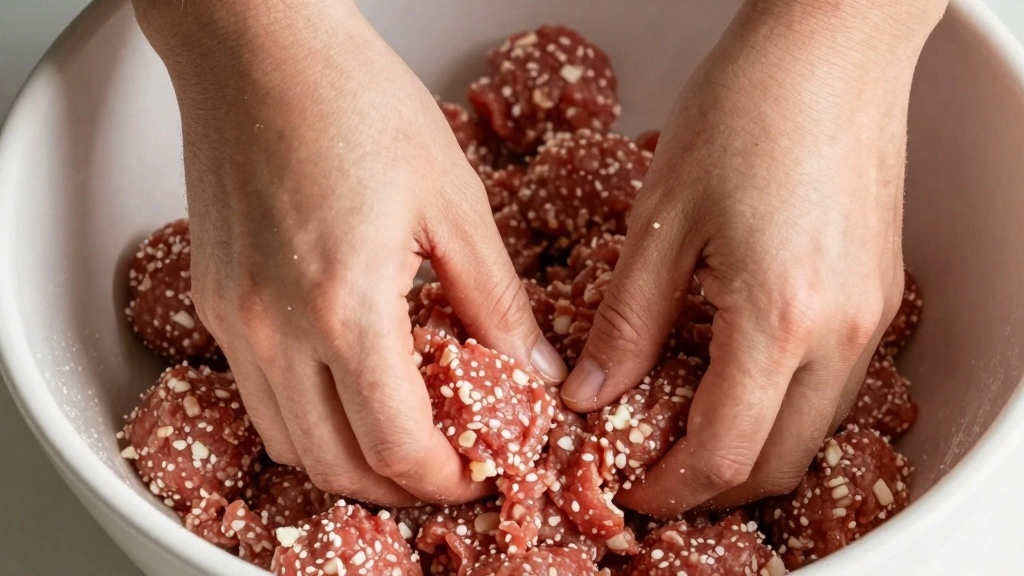
In a large mixing bowl, combine ground beef, bread crumbs, egg, garlic powder, and salt.
Use your hands or a spatula to mix until just combined.
Avoid over-mixing to prevent tough meatballs.
The mixture should be uniform in texture with no visible clumps of bread crumbs.
Step 3: Form Meatballs
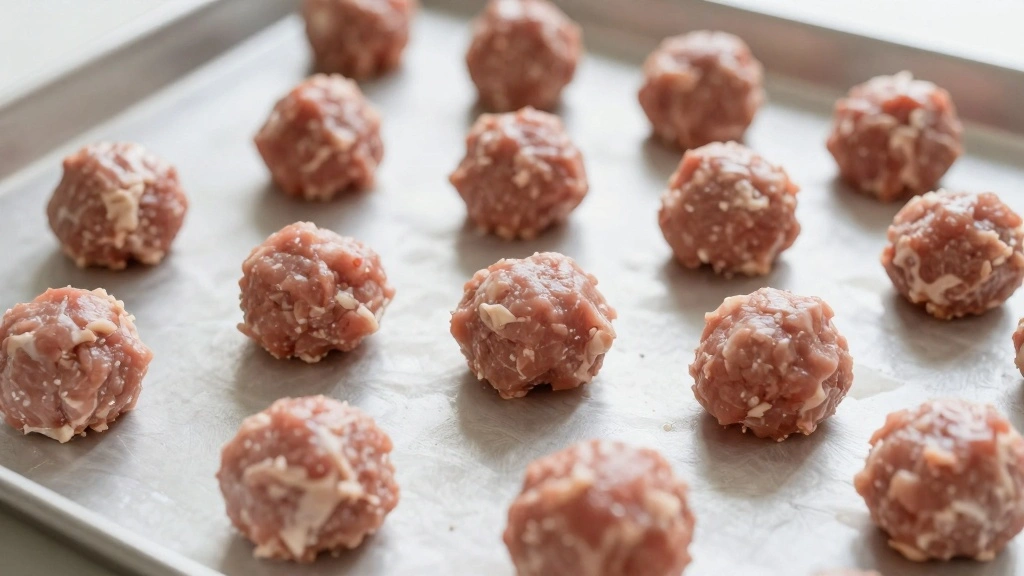
Take a small portion of the meat mixture and roll it into a ball about 1 inch in diameter.
Place each meatball on a lined baking sheet, spacing them evenly.
Continue until all the mixture is used.
Ensure each meatball is uniform in size for even cooking.
Step 4: Bake Meatballs
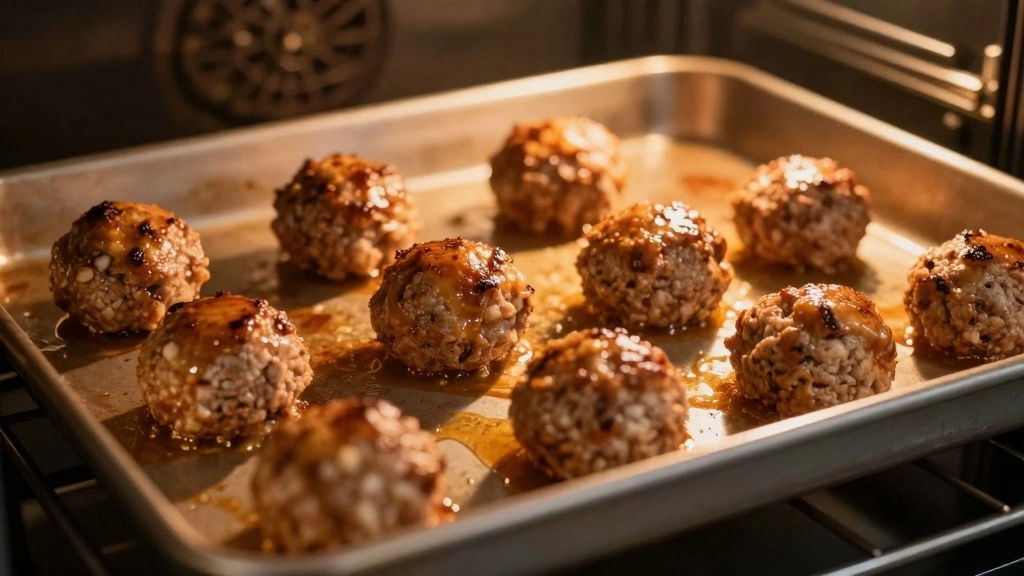
Place the baking sheet in the preheated oven.
Bake for 20 minutes or until the meatballs are cooked through.
Look for a browned exterior and clear juices as indicators of doneness.
Rotate the baking sheet halfway through to ensure even cooking.
Step 5: Prepare BBQ Sauce
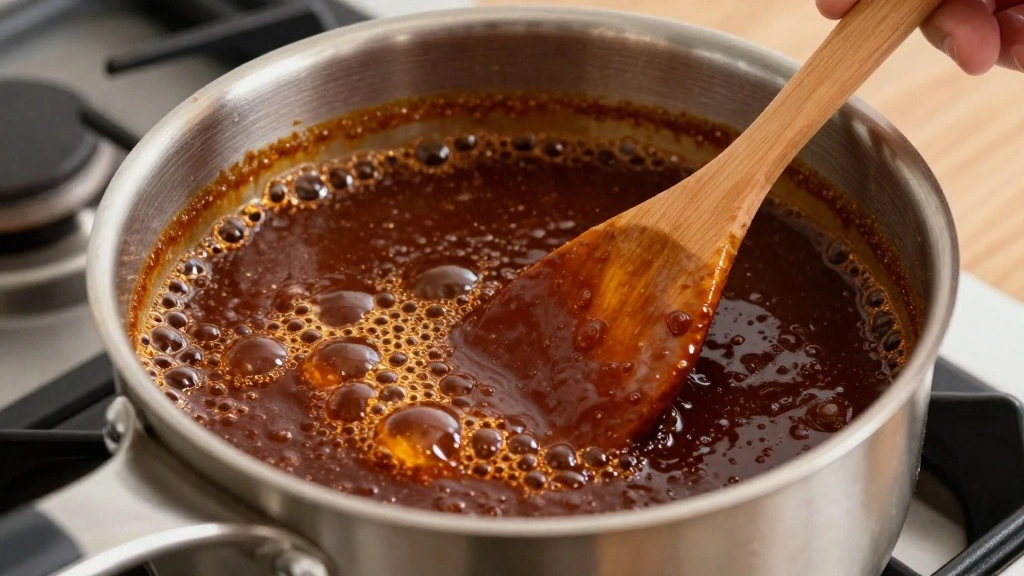
In a saucepan, combine barbecue sauce, honey, mustard, and Worcestershire sauce.
Heat over medium heat until the mixture begins to simmer.
Stir frequently to prevent sticking and ensure even heating.
Reduce the heat to low and continue to simmer for 5 minutes.
Step 6: Combine Meatballs and Sauce
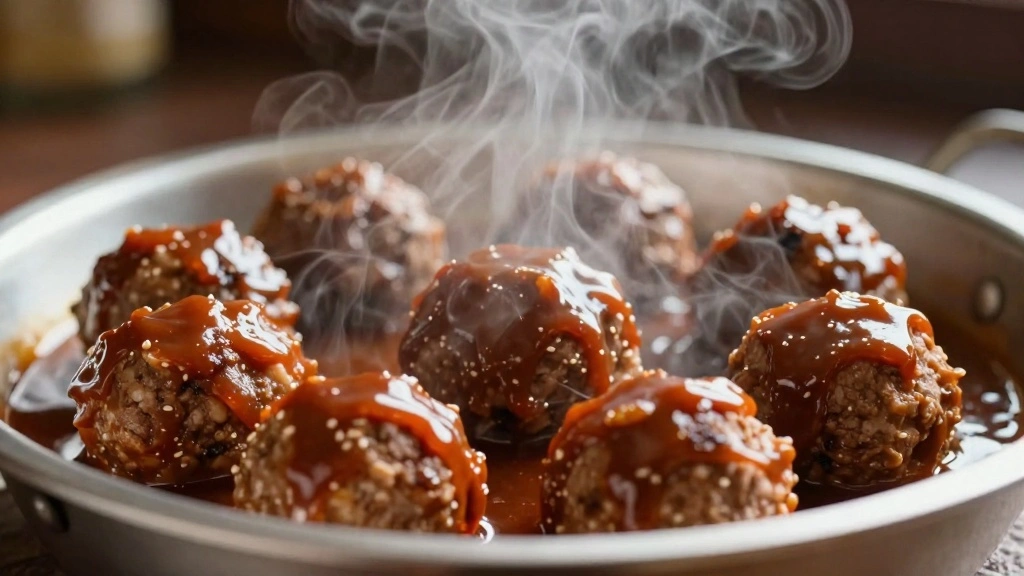
Remove the meatballs from the oven and transfer them to a large serving dish.
Pour the prepared BBQ sauce over the meatballs, ensuring they are well-coated.
Gently stir to distribute the sauce evenly without breaking the meatballs.
Allow the meatballs to sit in the sauce for a few minutes to absorb the flavors.
Step 7: Garnish and Serve
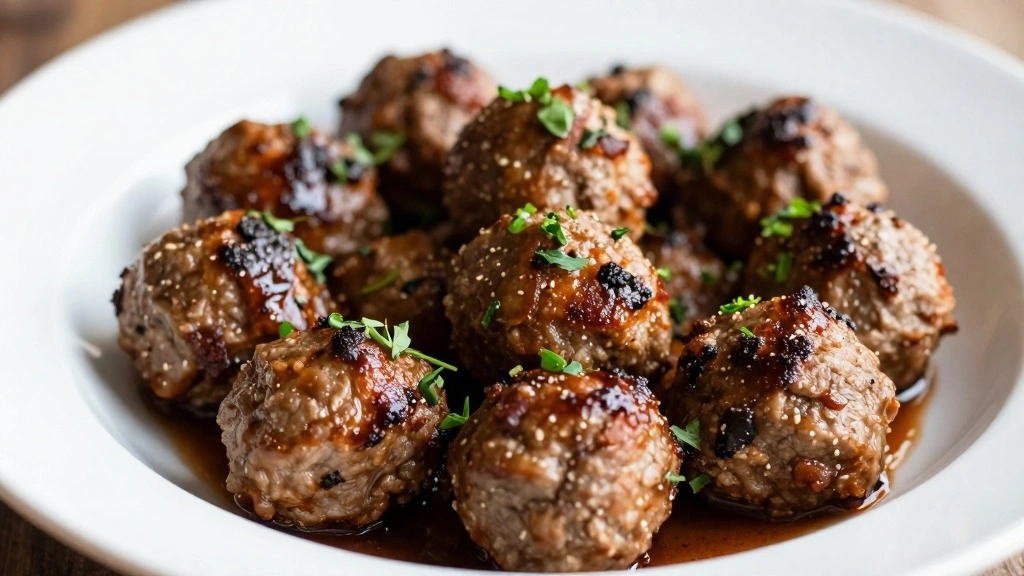
Sprinkle freshly chopped parsley or green onions over the meatballs for a pop of color.
Transfer the dish to the table, ready for serving.
Serve with toothpicks for easy handling if served as an appetizer.
Enjoy hot, with extra sauce on the side for dipping.
Critical Timing and Temperature Guide
Baking Meatballs: Bake at 375°F (190°C) for 20 minutes, ensuring the interior reaches 160°F (71°C). Look for browned exteriors and clear juices. Avoid undercooking, which can result in unsafe meatballs.
Sauce Reduction: Simmer the sauce for 5-10 minutes until it thickens. Look for a glossy texture and reduced volume. Avoid boiling, which can cause the sauce to burn.
Serving Temperature: Serve meatballs hot, ideally above 140°F (60°C). Reheat if necessary to maintain flavor and texture.
Pro Tips for BBQ Meatballs
• Ingredient Selection: Choose high-quality ground beef with an 80/20 fat ratio for the best flavor and juiciness.
• Preparation Secret: Chill the meatball mixture for 15 minutes before rolling to make it easier to handle.
• Temperature Management: Ensure your oven is thoroughly preheated before baking to achieve even cooking.
• Texture Enhancement: Use fresh bread crumbs instead of dried for a softer texture.
• Flavor Layering: Add a dash of smoked paprika to the sauce for an extra layer of smoky flavor.
• Make-Ahead Strategies: Prepare and freeze uncooked meatballs for up to a month, then bake from frozen, adding 5-10 minutes to the cooking time.
• Restaurant-Quality Finishing Touches: Drizzle a touch of high-quality olive oil over the meatballs before serving for a glossy finish.
• Equipment Optimization: Use a convection setting if available for more even heat distribution.
Troubleshooting Common Issues
• Meatballs Falling Apart: Ensure enough binding agents like egg and bread crumbs. If the mixture is too wet, add more bread crumbs.
• Sauce Too Runny: Simmer longer to reduce or add a cornstarch slurry to thicken.
• Bland Flavor: Check seasoning balance; add salt, pepper, or extra sauce ingredients to enhance taste.
• Undercooked Meatballs: Use a meat thermometer to confirm internal temperature reaches 160°F (71°C). Return to oven if needed.
• Overcooked Meatballs: Reduce baking time by a few minutes or lower the oven temperature slightly.
• Imbalanced Sauce Flavor: Adjust sweet and tangy elements by adding more honey or mustard as needed.
Variations and Regional Differences
• Southern Style: Incorporates a hint of smoky bacon in the meatball mixture, emphasizing Southern barbecue traditions.
• Italian Twist: Uses Italian seasoning and Parmesan in the meatballs, served with a tomato-based barbecue sauce.
• Asian Fusion: Features soy sauce and ginger in both the meatballs and sauce, offering a unique umami flavor profile.
• Spicy Variant: Adds chopped jalapeños or cayenne pepper to the meatballs for a fiery kick.
Food Science Behind the Recipe
• Maillard Reaction: The browning of the meatballs enhances flavor through this non-enzymatic reaction, which occurs when proteins and sugars are exposed to heat.
• Emulsification: The egg in the meatball mixture acts as an emulsifier, helping to blend fats and liquids for a cohesive texture.
• Sauce Reduction: Reducing the sauce intensifies its flavors by evaporating water content, concentrating the remaining ingredients.
Frequently Asked Questions
What's the most common mistake people make when preparing BBQ Meatballs? Overmixing the meatball ingredients, leading to dense meatballs.
How can I make this recipe gluten-free? Substitute bread crumbs with gluten-free alternatives like crushed gluten-free crackers.
Can I use turkey instead of beef? Yes, ground turkey can be used, but adjust cooking time as it cooks faster.
How do I store leftovers? Store in an airtight container in the refrigerator for up to 3 days or freeze for up to 1 month.
What's the best way to reheat meatballs? Reheat in a covered dish at 350°F (175°C) until warmed through, about 15 minutes.
Can I make the sauce less sweet? Reduce the honey and add more mustard or vinegar for a tangier sauce.
What can I serve with BBQ Meatballs? They pair well with mashed potatoes, coleslaw, or a fresh green salad.
Why did my sauce burn during reduction? Likely due to excessive heat; maintain a gentle simmer and stir frequently.
Serving and Presentation Guide
• Traditional Presentation: Serve in a large, shallow dish with a garnish of fresh parsley and a side of extra dipping sauce.
• Appetizer Style: Skewer each meatball with a toothpick for easy handling and serve on a platter.
• Family Dinner Setting: Arrange on a large serving platter with a side of mashed potatoes or rice.
• Buffet Style: Keep warm in a slow cooker set to low, allowing guests to serve themselves.
Conclusion
BBQ Meatballs are a flavorful, versatile dish that brings joy to any gathering.
Their simple preparation and satisfying taste make them a favorite among cooks and diners alike.
Try this recipe at your next event and watch as it becomes an instant hit with your guests.