Smoked Country Style Ribs Recipe - Low and Slow BBQ
Ingredients
Method
- Remove the country style ribs from the refrigerator about 45 minutes before cook time and pat them completely dry with paper towels. Moisture is the enemy of good bark formation, so do not skip this step. While the meat comes up toward room temp, fire up your smoker and target a steady 250 degrees Fahrenheit. Add your hickory and apple wood chunks directly to the coals or wood box now so they are producing clean, thin blue smoke by the time the meat goes on.
- Coat each rib piece lightly and evenly with yellow mustard. Do not worry - you will not taste the mustard at all after the cook. It acts purely as a binder to make sure your dry rub sticks to every surface of the meat. This is a trick that competition BBQ teams have used for decades and it makes a real difference in bark quality.
- Mix together the brown sugar, smoked paprika, kosher salt, black pepper, garlic powder, onion powder, cayenne pepper, and dried mustard powder in a small bowl until evenly combined. Apply the rub generously to all sides of each rib piece, pressing it firmly into the meat so it adheres to the mustard layer. Do not be shy here - a good heavy coating of rub is what builds that beautiful dark bark over the course of the smoke.
- Place the seasoned country style ribs directly on the smoker grate, leaving at least 1 inch of space between each piece to allow smoke and heat to circulate evenly. Close the lid and do not open it for the first 90 minutes. Resist the urge to peek - every time you lift that lid you lose heat and add time to your cook. Maintain your smoker temperature between 245 and 255 degrees Fahrenheit throughout this phase.
- After 90 minutes, do a quick check on color and bark development. You are looking for a deep reddish-brown exterior that looks slightly tacky to the touch. At the 2.5 hour mark, check the internal temp using your instant read thermometer. You are targeting around 160 to 165 degrees Fahrenheit as your cue to move into the wrap phase. The ribs should have a well-formed outer bark and a visible smoke ring at this point.
- Pull the ribs off the smoker and place them on a large sheet of heavy duty aluminum foil. Add the butter pats on top of and around the ribs, then pour the apple juice over everything. Wrap the foil tightly, making sure there are no gaps or tears where steam could escape. This braising wrap is what pushes the internal temp through the stall and breaks down the remaining connective tissue into that fall-off-the-bone goodness.
- Return the foil-wrapped ribs to the smoker at 250 degrees Fahrenheit and continue cooking for another 60 to 90 minutes. You are cooking to internal temp here, not time. Use your instant read thermometer by poking it through the foil and checking the thickest part of the largest piece. You are done with this phase when the internal temp hits 200 to 205 degrees Fahrenheit and a probe slides in with zero resistance, like pushing into warm butter.
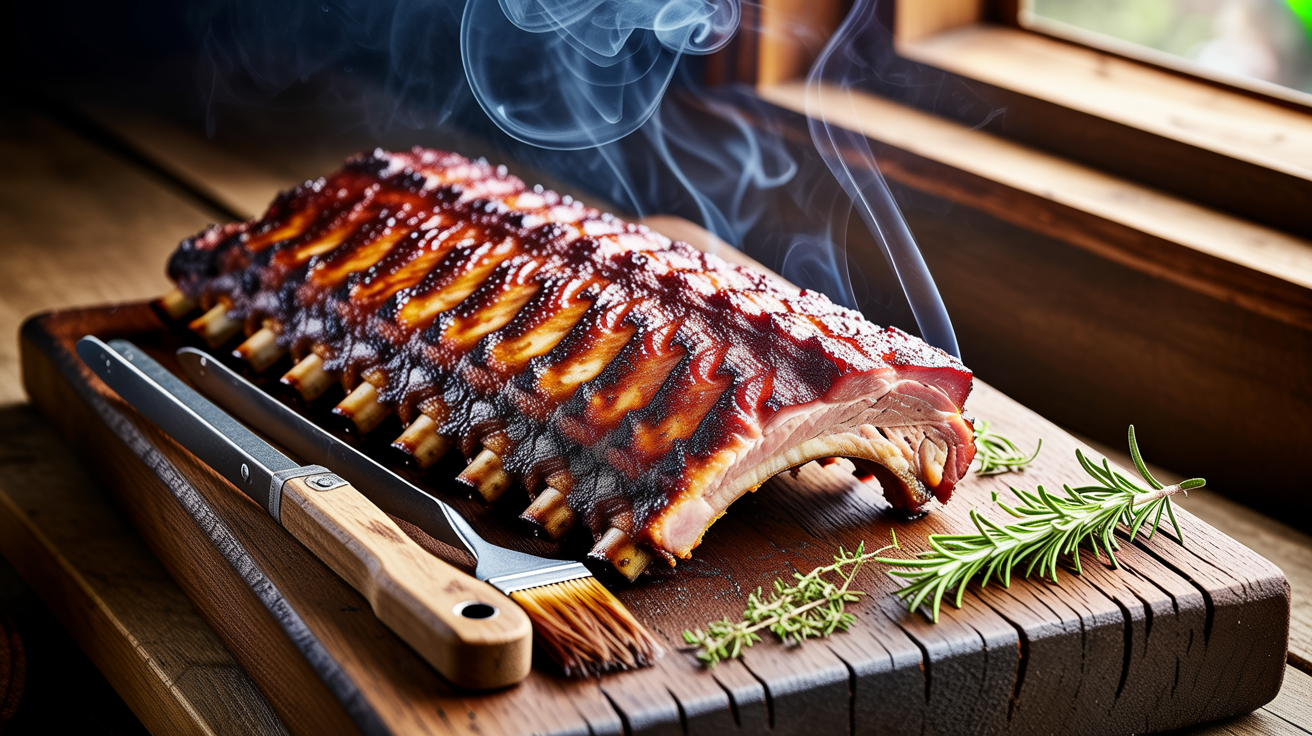
- Carefully open the foil - watch out for the rush of hot steam - and brush a generous coat of BBQ sauce over all sides of each rib. Leave them unwrapped and return them to the smoker over slightly higher direct heat if possible, or crank your smoker up to around 300 degrees Fahrenheit. Cook unwrapped for another 10 to 15 minutes until the sauce caramelizes and sets into a glossy, sticky lacquer on the surface. Watch this phase closely so the sugars in the sauce do not burn.
- Pull the ribs off the heat and rest the meat on a cutting board or rimmed baking sheet, loosely tented with foil, for at least 15 minutes before serving. This resting phase is not optional - it allows the juices to redistribute back into the muscle fibers so every bite is as juicy as possible. Cutting into the meat before it rests will send all those hard-earned juices running out onto the cutting board instead of staying in the meat where they belong.
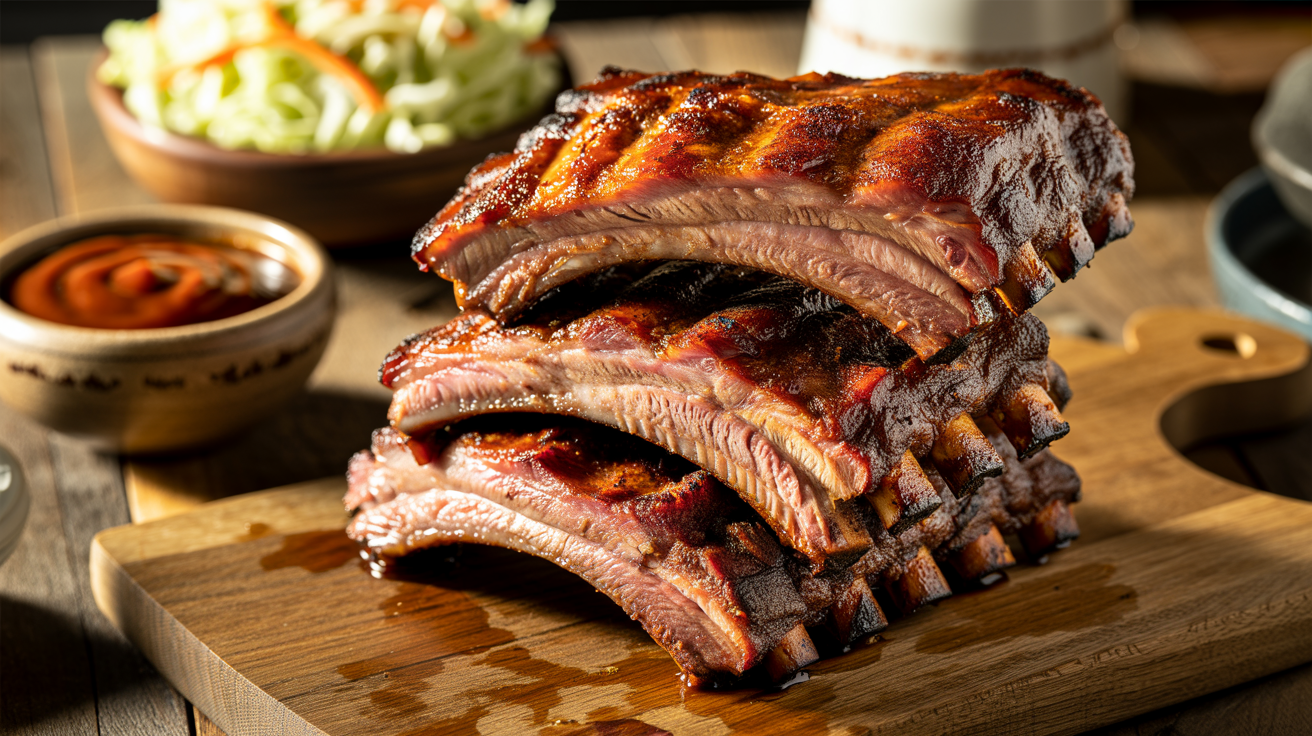
- Serve the smoked country style ribs whole or sliced, with extra BBQ sauce on the side. The meat should pull apart easily with a fork or your fingers, showing off that beautiful deep smoke ring just beneath the surface of the bark. Pair with classic sides like creamy coleslaw, baked beans, and cornbread for the full backyard BBQ experience.
Nutrition
This smoked country style ribs recipe is the kind of low-and-slow BBQ magic that turns a humble cut of pork into something absolutely extraordinary. We are talking rich mahogany bark on the outside, juicy pull-apart meat on the inside, and a smoke ring that will make every BBQ lover at the table stop and stare. Country style ribs are one of the most forgiving and rewarding cuts you can throw on the smoker, and once you nail this method, it will become a regular on your rotation.
We smoke these ribs at 250 degrees Fahrenheit for roughly 3 to 4 hours, then wrap them in foil with a little butter and apple juice to push them over the finish line to a perfect internal temp of 200 to 205 degrees. That is the sweet spot where the connective tissue breaks down completely and the pork becomes melt-in-your-mouth tender. A quick sauce glaze at the end over direct heat locks in that sticky, caramelized finish that makes this recipe truly unforgettable.
Whether you are working with a charcoal smoker, an offset pit, or a pellet grill, this recipe translates beautifully across all setups. The key is patience, good wood selection, and trusting the process. Hickory and apple wood are a match made in heaven for pork – hickory brings that bold, classic BBQ backbone while apple adds a subtle sweetness that complements the natural flavor of the meat. Get your thermometer ready, season generously, and let the smoke do its work.
Smoked Country Style Ribs Recipe – Low and Slow BBQ
These smoked country style ribs deliver an unbeatable combination of deep smoke flavor, tender pull-apart meat, and a caramelized bark that will have everyone coming back for seconds. Low and slow is the only way to go – fire up the smoker today and taste the difference.
Ingredients
| AMOUNT | INGREDIENT | NOTES |
|---|---|---|
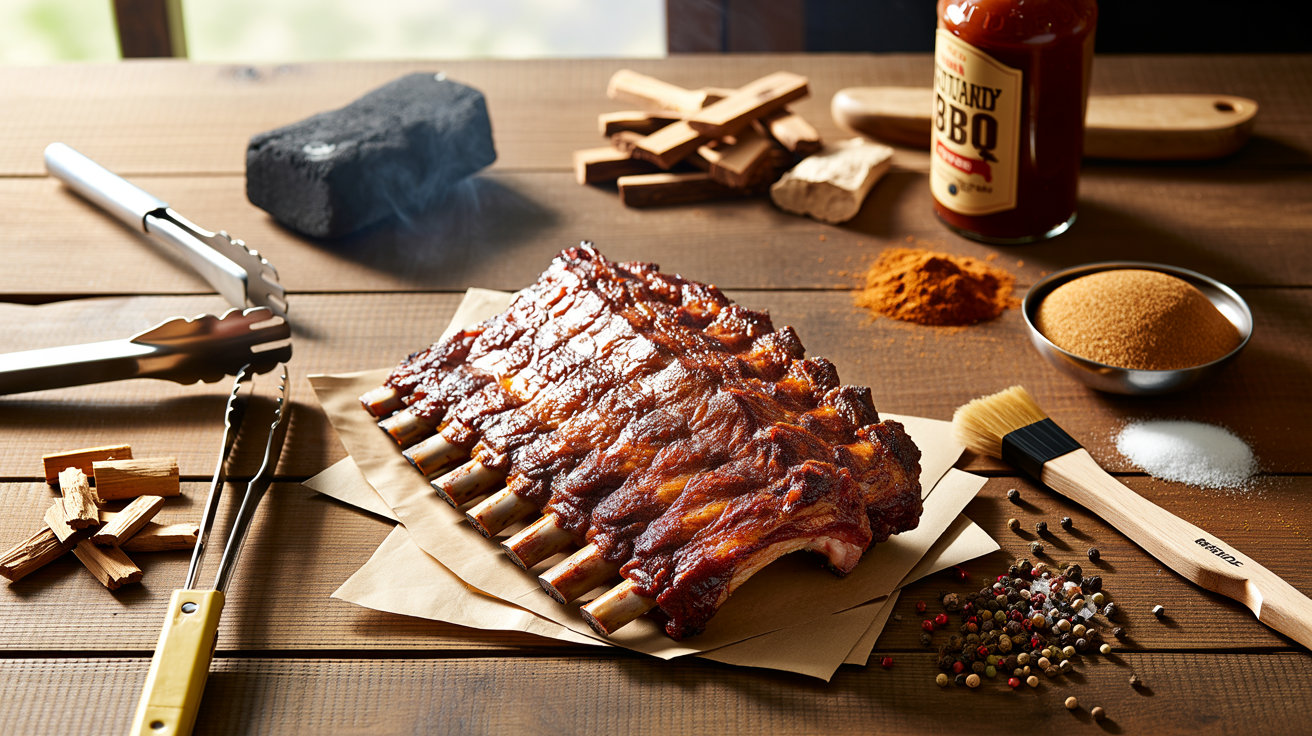
| 4 lbs | bone-in country style pork ribs | blade end cut for best marbling and flavor |
| 2 tablespoons | yellow mustard | used as a binder to help the rub adhere |
| 3 tablespoons | brown sugar | packed, adds sweetness and helps build bark |
| 2 tablespoons | smoked paprika | use sweet smoked paprika for deep color and flavor |
| 1 tablespoon | kosher salt | coarse kosher salt preferred over table salt |
| 1 tablespoon | black pepper | freshly cracked for best punch |
| 1 teaspoon | garlic powder | not garlic salt |
| 1 teaspoon | onion powder | adds savory depth to the rub |
| 1 teaspoon | cayenne pepper | adjust down to half a teaspoon for less heat |
| 1 teaspoon | dried mustard powder | complements the brown sugar beautifully |
| 4 tablespoons | unsalted butter | cut into pats for the foil wrap phase |
| 3 tablespoons | apple juice | adds moisture and subtle sweetness during the wrap |
| 1 cup | your favorite BBQ sauce | use a thick, Kansas City style sauce for best caramelization |
| 3 chunks | hickory wood chunks | or substitute 2 chunks hickory plus 1 chunk apple wood |
| 1 chunk | apple wood chunk | optional but highly recommended for a sweeter smoke profile |
Instructions
Nutrition (per serving)
The BBQ Story Behind This Recipe
Country style ribs have an interesting place in American BBQ history – they are not actually ribs in the traditional sense. Cut from the blade end of the pork loin near the shoulder, this cut was developed as a meatier, boneless or semi-boneless alternative to spare ribs and baby backs. Butchers began marketing them as ribs in the mid-20th century to give home cooks a more accessible and economical option that still delivered on flavor. They became especially popular in the South and Midwest, where backyard pitmasters quickly discovered that the marbling and fat content in this cut made it ideal for low-and-slow cooking.
In the BBQ belt stretching from the Carolinas through Tennessee and into Texas, country style ribs took on regional identities just like every other great smoked meat. Carolina pitmasters might finish them with a vinegar-based sauce, while Kansas City cooks load them up with thick, sweet molasses-forward glazes. Memphis BBQ joints serve them dry-rubbed with a paprika-heavy spice blend and let the smoke speak for itself. No matter which regional tradition you lean toward, the core technique remains the same – low heat, quality smoke, and plenty of time to let that tough, well-marbled cut transform into something magical.
Hot Off the Grill
A Closer Look
Pitmaster Tips for Best Results
- Do not rush the smoke phase by cranking up the heat. Keeping the smoker dialed in at 250 degrees Fahrenheit for the full initial smoke period is what builds the deep smoke ring and complex bark that separates good ribs from great ribs.
- Choose ribs with good visible marbling throughout the meat. More fat in the muscle means more flavor and a juicier final product after the long cook. Blade-end country style ribs have the best marbling of any cut labeled as country style.
- If your ribs stall around 170 degrees Fahrenheit and the internal temp stops climbing, do not panic. This is completely normal and is caused by evaporative cooling. The foil wrap will push you right through the stall – just stay patient and trust the process.
- For the best bark formation, apply your rub at least 1 hour before cooking, or even overnight in the refrigerator uncovered. The salt in the rub will draw out a small amount of moisture, which then dissolves the salt and sugar and gets reabsorbed into the meat, enhancing flavor at a deeper level.
- Wood selection matters enormously with pork. Hickory is classic and bold, apple wood is sweet and mild, cherry adds a gorgeous reddish color and subtle tartness, and pecan splits the difference between hickory and apple with a slightly nutty undertone. Avoid mesquite for this long cook – it can turn bitter over extended smoke times.
🔧 Pitmaster Equipment
Charcoal Smoker or Offset Smoker: Delivers the most authentic smoke flavor and gives you the best control over airflow and heat for a proper low-and-slow cook.
Instant Read Thermometer: Critical for monitoring internal temp – you need to hit 200 to 205 degrees Fahrenheit for true pull-apart tenderness in this cut.
Long Tongs: Keep your hands safe while managing the fire, repositioning ribs, and handling foil-wrapped packages on the grill.
Heavy Duty Aluminum Foil: Used for the wrap phase to braise the ribs in their own juices and push them to that final tender internal temp.
Basting Brush or Mop: Essential for applying the BBQ sauce glaze evenly during the final high-heat caramelization phase.
Wood Chunks or Chips: Hickory and apple wood are the gold standard for pork – chunks work best for long smokes to maintain consistent smoke output.
Large Rimmed Baking Sheet: Use it to season, transport, and rest the meat without losing any of those precious juices.
🔥 Variations
Pellet Grill Version: Set your pellet grill to 250 degrees Fahrenheit and load the hopper with a blend of hickory and apple pellets. Follow the exact same steps including the foil wrap and sauce glaze phases. Pellet grills are incredibly consistent and produce great results – just be aware that the smoke flavor may be slightly milder than a charcoal smoker, so consider using a smoke tube filled with wood pellets for added smoke output during the first hour.
Gas Grill Version: Set up your gas grill for indirect heat by turning on only the burners on one side and targeting 250 degrees Fahrenheit on the cool side. Place a smoker box filled with soaked hickory and apple wood chips over one of the lit burners. Put the ribs on the unlit side, close the lid, and follow the same timing and temperature milestones. Replenish the wood chips every 45 minutes to maintain consistent smoke throughout the cook.
Spicy Chipotle Version: Swap the smoked paprika in the rub for chipotle powder and add an extra half teaspoon of cayenne. Mix a tablespoon of adobo sauce from a can of chipotle peppers into your BBQ sauce before glazing. The smoky heat of the chipotle plays incredibly well with the hickory smoke and creates a deep, complex heat that builds slowly with every bite.
Sweet and Sticky Honey Glaze Version: Replace the BBQ sauce glaze with a mixture of half a cup of honey, two tablespoons of soy sauce, one tablespoon of apple cider vinegar, and one teaspoon of garlic powder. Brush this glaze on during the final unwrapped phase and let it caramelize at 275 degrees Fahrenheit for a gorgeous sticky-sweet finish that has a slight Asian-inspired flavor profile.
❓ Pitmaster FAQ
What internal temperature should smoked country style ribs reach?
For pull-apart tender country style ribs, you want to cook them to an internal temp of 200 to 205 degrees Fahrenheit. Unlike whole muscle cuts where you stop at 145 degrees for food safety, country style ribs have a lot of connective tissue and fat that needs to fully render and break down – and that only happens at higher internal temperatures. Use an instant read thermometer and probe the thickest part of the meat, making sure you are not touching bone.
How long does it take to smoke country style ribs?
Plan on a total cook time of 4 to 5 hours at 250 degrees Fahrenheit, which includes approximately 2.5 hours of open smoking, 60 to 90 minutes in the foil wrap, and 10 to 15 minutes for the final sauce caramelization phase. Always cook to internal temp rather than time – every smoker, every rack of ribs, and every weather condition is different. Time is a guideline, temperature is the truth.
Can I use a gas grill instead of a charcoal smoker?
Absolutely – set your gas grill up for indirect heat by lighting only one side of the burners and targeting 250 degrees Fahrenheit on the cool side. Use a smoker box filled with soaked hickory and apple wood chips placed over a lit burner to generate smoke. You will not get quite as deep a smoke ring as you would from a charcoal or wood-burning smoker, but the results are still delicious and the technique is the same.
Do country style ribs have bones in them?
It depends on how your butcher or grocery store cuts them. Country style ribs can be fully boneless, or they may contain a section of blade bone or shoulder bone. Both varieties cook the same way and taste equally great. If you are buying bone-in, adjust your probe placement to avoid touching the bone, which can give you a falsely high temperature reading.
What wood is best for smoking country style ribs?
Hickory is the classic choice for pork and delivers that signature bold, smoky BBQ flavor most people associate with great ribs. Apple wood is a popular complement that adds a mild sweetness and helps produce beautiful color. Cherry wood is another excellent option that adds a slightly tart, fruity note and a gorgeous deep reddish hue to the bark. Avoid mesquite for long cooks as it can become bitter after extended exposure.
Should I remove any membrane from country style ribs?
Country style ribs do not have the same silverskin membrane you remove from spare ribs or baby back ribs, so no membrane removal is needed. If you notice any large areas of hard fat cap or silverskin-like connective tissue on the surface, you can trim those back slightly, but leave most of the fat in place as it will render down during the low-and-slow cook and baste the meat from the outside in.