
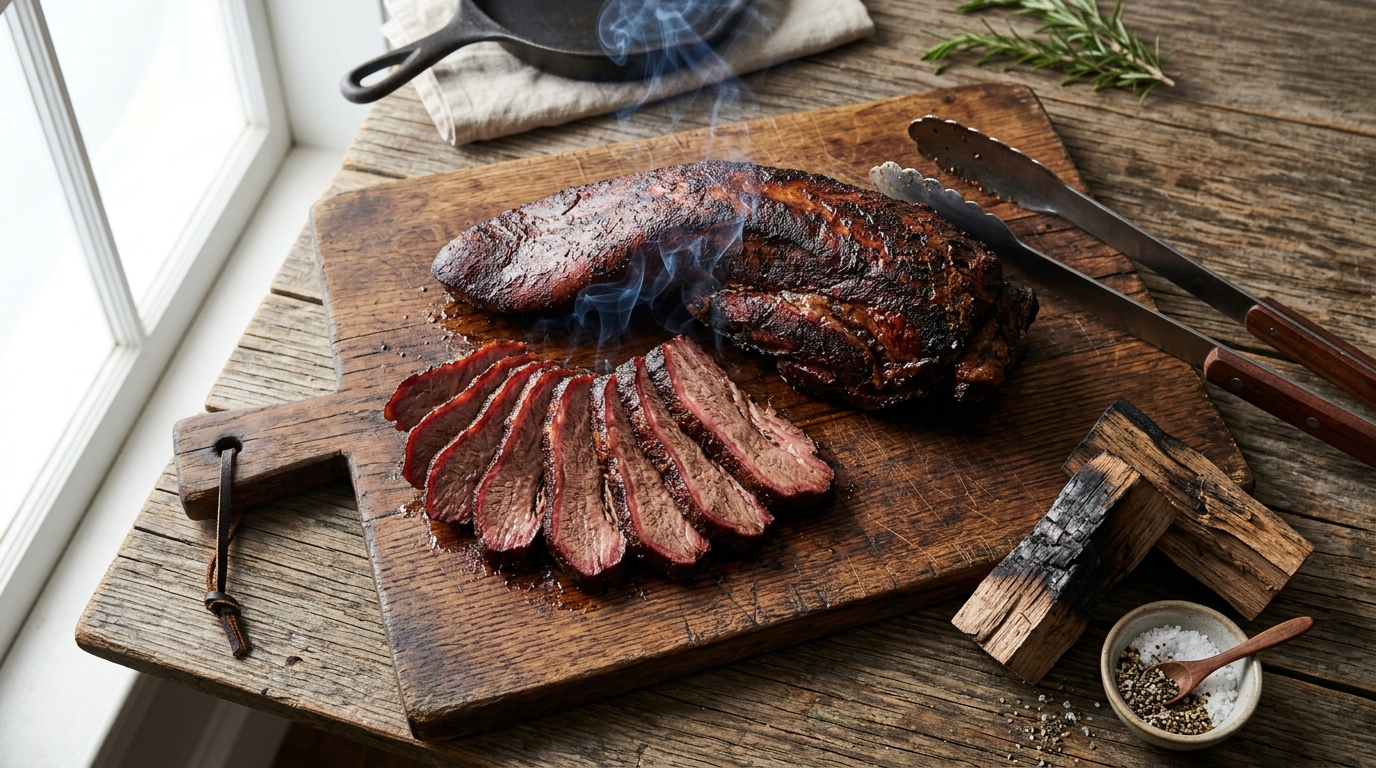
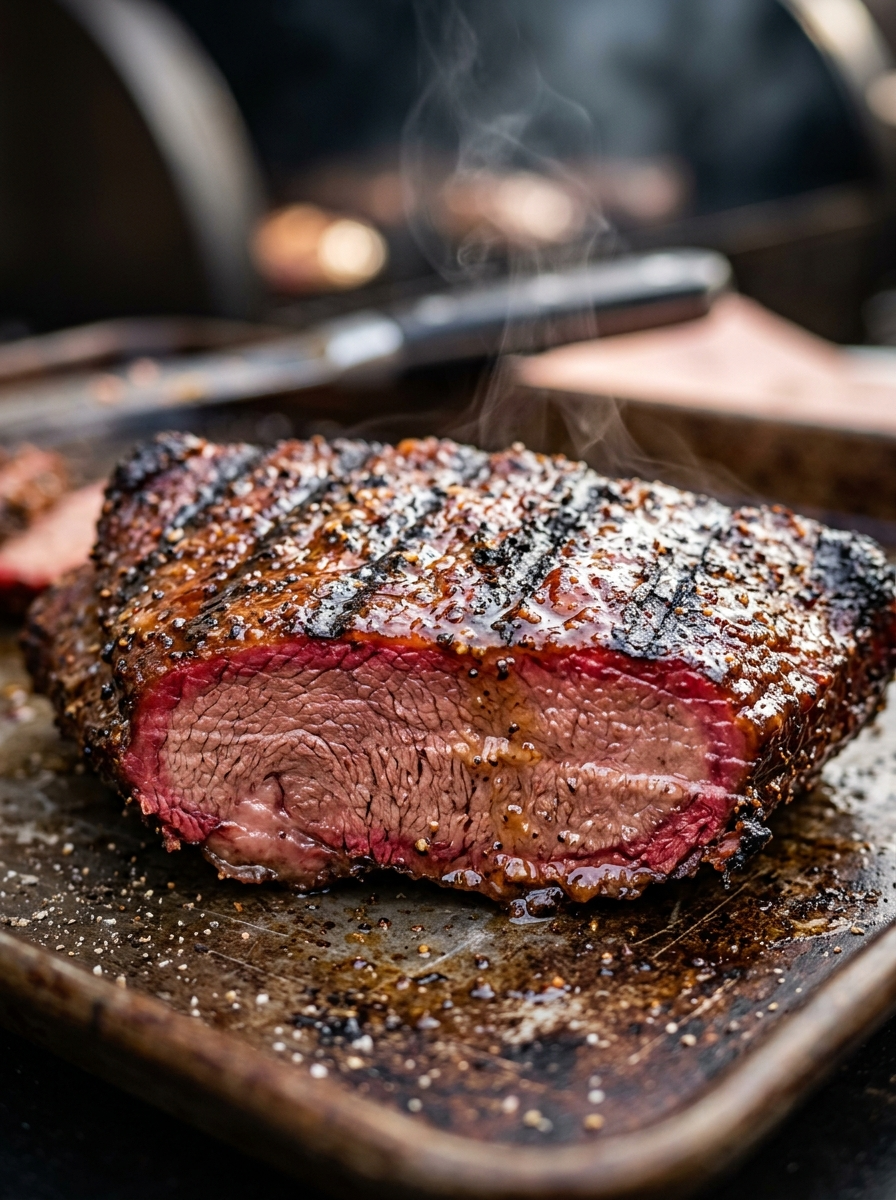
This smoked beef tongue recipe is the kind of low and slow project that separates the curious pitmasters from the truly fearless ones. We are talking about a cut that has been feeding families and fueling cultures for centuries, and when you fire up the smoker and let it run at a steady 225 degrees Fahrenheit for six to eight hours, what comes out is nothing short of extraordinary. The deep mahogany bark, the unmistakable smoke ring pushing through the tender meat, and the buttery texture underneath make this one of the most rewarding cooks you will ever pull off.
Beef tongue weighs in at around 2 to 3 pounds on average, and that size is actually your best friend when it comes to smoking. The low and slow process gives the tough connective tissue and collagen plenty of time to break down, transforming the entire cut into something incredibly silky and rich. We are targeting an internal temp of 160 degrees Fahrenheit before wrapping, and a final pull temp of 190 to 195 degrees Fahrenheit to get that full breakdown of texture that makes sliced tongue so special.
Do not let the unfamiliar cut intimidate you. Once you peel back that outer skin after the cook, you are left with beautifully smoked meat that slices clean, holds its shape on a board, and packs more beefy flavor per bite than most cuts you have ever cooked. We are going to walk you through the brine, the rub, the smoke wood selection, and every step of the process so your first smoked beef tongue cook is one you will be telling your grilling crew about for a long time.
Smoked Beef Tongue Recipe: Low and Slow BBQ Guide
This smoked beef tongue recipe transforms an underrated cut into a tender, smoky BBQ masterpiece. With a bold bark, deep smoke ring, and melt-in-your-mouth texture, this low and slow cook delivers serious flavor. Fire up the grill and discover your new favorite smoke session today.
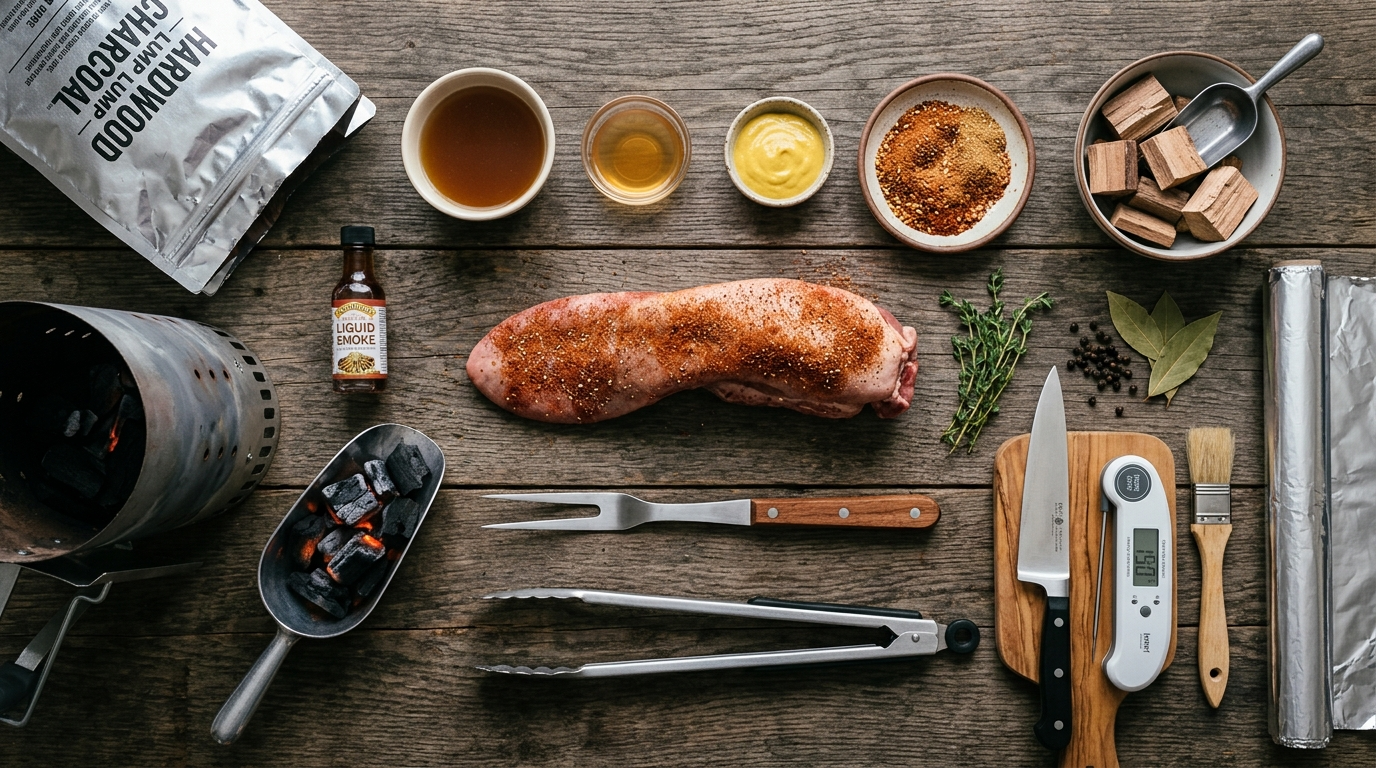
Ingredients
| AMOUNT | INGREDIENT | NOTES |
|---|---|---|
| 1 whole | beef tongue | approximately 2 to 3 pounds, fresh or thawed, trimmed of excess fat at the base |
| 4 cups | water | for the brine base |
| 3 tablespoons | kosher salt | for the brine, do not substitute table salt |
| 2 tablespoons | brown sugar | adds subtle sweetness and helps develop bark |
| 1 tablespoon | black peppercorns | whole, for the brine |
| 4 cloves | garlic | smashed, for the brine |
| 2 whole | bay leaves | for the brine |
| 1 teaspoon | pink curing salt | optional but recommended for color and preservation during the long smoke |
| 3 tablespoons | coarse black pepper | for the dry rub, freshly cracked |
| 2 tablespoons | kosher salt | for the dry rub |
| 1 tablespoon | smoked paprika | adds color and depth to the bark |
| 1 tablespoon | garlic powder | for the rub |
| 1 teaspoon | onion powder | for the rub |
| 1 teaspoon | cayenne pepper | optional, adjust to your heat preference |
| 1 tablespoon | yellow mustard | used as a binder to help the rub stick to the surface of the tongue |
| 4 chunks | oak or hickory wood | for smoking, fist-sized chunks work best for a long cook |
| 2 chunks | cherry wood | optional, blended with oak for a sweeter smoke profile and mahogany color |
Instructions
Nutrition (per serving)
The BBQ Story Behind This Recipe
Beef tongue has a rich history that stretches across virtually every culture that raised cattle. In Mexican cuisine, lengua has long been a prized taco filling, slow-braised until tender and served with fresh salsa and cilantro. In Eastern European Jewish cooking, smoked and cured beef tongue was a deli staple, sliced thin and piled high on rye bread. From Argentina to the Philippines to the American South, cooks who knew how to work with every part of the animal understood that the tongue, properly prepared, was one of the most flavorful cuts on the whole beast.
In American BBQ culture, the tradition of smoking offal and secondary cuts is deeply rooted in the resourcefulness of pitmasters who wasted nothing. Whole hog cooks, beef cheek tacos, and smoked beef tongue all belong to that same heritage of transforming humble, overlooked cuts into the most talked-about dishes at the table. As modern BBQ enthusiasts have pushed beyond brisket and ribs to explore the full spectrum of what a smoker can do, beef tongue has seen a serious revival. Competition pitmasters and backyard cooks alike are discovering what butchers and abuela cooks have known for generations: this cut deserves a place of honor at any serious BBQ spread.
Hot Off the Grill
A Closer Look
Pitmaster Tips for Best Results
- Do not skip the brine step. Even a 12-hour brine at 225 degrees Fahrenheit makes a massive difference in the tenderness and seasoning depth of the finished tongue compared to going dry from the start.
- Wood selection matters on a long cook. Oak is your backbone for beef, delivering a medium, clean smoke that does not overpower. Blend in 30 percent cherry wood for a sweeter smoke profile and that deep mahogany color on the bark that photographs beautifully.
- If the outer skin is not peeling cleanly after the cook, dip the tongue in a pot of hot water for 2 to 3 minutes before trying again. The heat reactivates the collagen near the skin and makes it release much more easily.
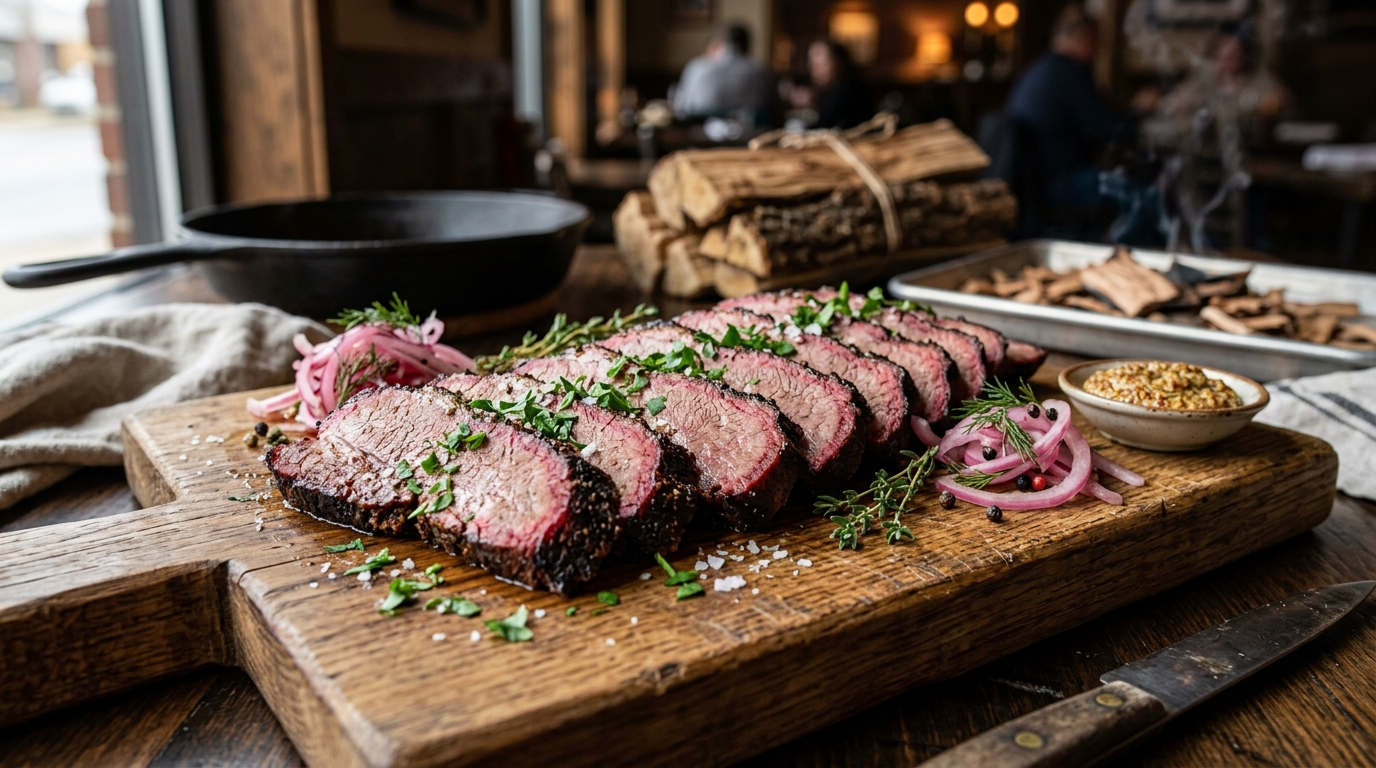
- Sliced smoked tongue is incredible in tacos with charred tortillas, pickled onions, and salsa verde. It also works beautifully as a smoked deli-style sandwich meat sliced thin and served cold the next day. The flavor actually deepens overnight in the refrigerator.
- If your smoker runs hot and you find yourself pushing past 250 degrees Fahrenheit unintentionally, do not panic. Wrap the tongue earlier at around 150 degrees Fahrenheit internal temp to protect it from drying out, and monitor internal temp closely to avoid overshooting the 195 degree Fahrenheit pull point.
🔧 Pitmaster Equipment
Offset Smoker or Charcoal Smoker: Delivers the authentic low and slow indirect heat and real wood smoke environment needed to build a proper bark and smoke ring on beef tongue.
Instant Read Thermometer: Absolutely critical for monitoring internal temp throughout the cook and confirming the tongue has reached the 190 to 195 degree Fahrenheit pull temp for maximum tenderness.
Large Stockpot: Needed for the initial brine or boil step that helps prep the tongue, infuse flavor, and make the outer skin easier to peel after smoking.
Butcher Paper or Heavy Duty Foil: Used for wrapping the tongue once it hits 160 degrees Fahrenheit internal temp to push through the stall and retain moisture during the final phase of the cook.
Long Tongs or Heat Resistant Gloves: Keep your hands safe while managing the fire, rotating the tongue on the grate, and handling the wrapped meat coming off the smoker.
Sharp Boning or Slicing Knife: Essential for cleanly peeling the outer skin after the cook and slicing the finished tongue against the grain for the best texture and presentation.
Wire Cooling Rack: Allows the tongue to rest properly with airflow on all sides, preserving the bark while the juices redistribute before slicing.
🔥 Variations
Pellet Grill Version: Set your pellet grill to 225 degrees Fahrenheit and follow every step exactly as written. Use a hickory or oak pellet blend for the most authentic smoke flavor. Pellet grills run clean and consistent, making them an excellent choice for a long cook like this. Add a smoke tube filled with extra pellets if you want a more aggressive smoke flavor since pellet grills tend to produce lighter smoke than offset cookers.
Gas Grill Version: Set up your gas grill for indirect heat by lighting only the outer burners and leaving the center burners off. Place a smoker box or a foil pouch filled with soaked oak and hickory chips directly over a lit burner. Maintain a temp of 225 to 250 degrees Fahrenheit and refresh the wood chips every 45 minutes to keep smoke production going. The results will be lighter on smoke flavor but still produce a tender, flavorful tongue with a solid bark.
Texas Style Salt and Pepper Only: Strip the rub down to nothing but coarse black pepper and kosher salt in a 50-50 ratio. This is the classic Central Texas pitmaster approach that lets the beef and the smoke do all the talking. Use post oak wood exclusively and do not wrap at all, letting the tongue ride the full cook unwrapped for maximum bark development and a more intense smoke ring.
Mexican Lengua Style Finish: After peeling and slicing the smoked tongue, dice it into half-inch cubes and toss it in a hot cast iron skillet with a little lard or beef tallow for 3 to 4 minutes until the edges crisp up slightly. Serve in warm corn tortillas with diced white onion, fresh cilantro, sliced radishes, and a roasted tomatillo salsa verde for a smoked BBQ twist on classic lengua tacos.
❓ Pitmaster FAQ
What internal temperature should smoked beef tongue reach?
You are targeting a pull temp of 190 to 195 degrees Fahrenheit for smoked beef tongue. Unlike a steak where you pull at a lower temp, tongue is a working muscle loaded with collagen that needs to fully break down to get that silky, tender texture. Always use a calibrated instant read or leave-in probe thermometer to confirm internal temp before pulling.
Do I have to peel the skin off beef tongue?
Yes, the outer skin of beef tongue is thick, tough, and not enjoyable to eat. It needs to be removed before serving. The good news is that when properly cooked to 190 to 195 degrees Fahrenheit internal temp, the skin peels off quite easily while the meat is still warm. Score it at the base, grab with a paper towel for grip, and peel it back in sections.
Can I skip the brine and go straight to smoking?
You can, but we strongly recommend against it. The brine step seasons the meat from the inside out, adds moisture retention, and gives you a head start on breaking down the dense muscle fibers. If you are short on time, even a quick 4-hour brine is better than no brine at all. Think of it as the foundation that makes everything else in the cook work better.
How long does it take to smoke a beef tongue?
Plan for a total cook time of 6 to 8 hours at 225 degrees Fahrenheit for a 2 to 3 pound tongue. The first phase before wrapping takes roughly 3 to 4 hours to reach 160 degrees Fahrenheit internal temp, and the wrapped phase takes another 2 to 3 hours to reach the 190 to 195 degree Fahrenheit pull temp. Add at least 45 minutes of resting time after the cook before you peel and slice.
What wood is best for smoking beef tongue?
Oak is the gold standard for beef smoking and works beautifully on tongue. Hickory is a strong, bold option that pairs well with the rich, fatty nature of the cut. For a more nuanced profile, blend oak with cherry wood at a ratio of roughly 70 to 30 to get a sweeter smoke character and a deep mahogany color on the bark. Avoid lighter woods like apple alone since they do not produce enough smoke intensity for a cut this size on a long cook.
Can I use a gas grill instead of a charcoal smoker?
Yes, a gas grill absolutely works. Set it up for indirect heat with only the outer burners lit and place a smoker box or foil pouch of wood chips directly over one of the lit burners. You will need to refresh the wood chips every 45 minutes or so to maintain smoke production. The end result will have a lighter smoke flavor than an offset or charcoal smoker, but the tongue will still be tender, flavorful, and absolutely worth firing up the grill for.