
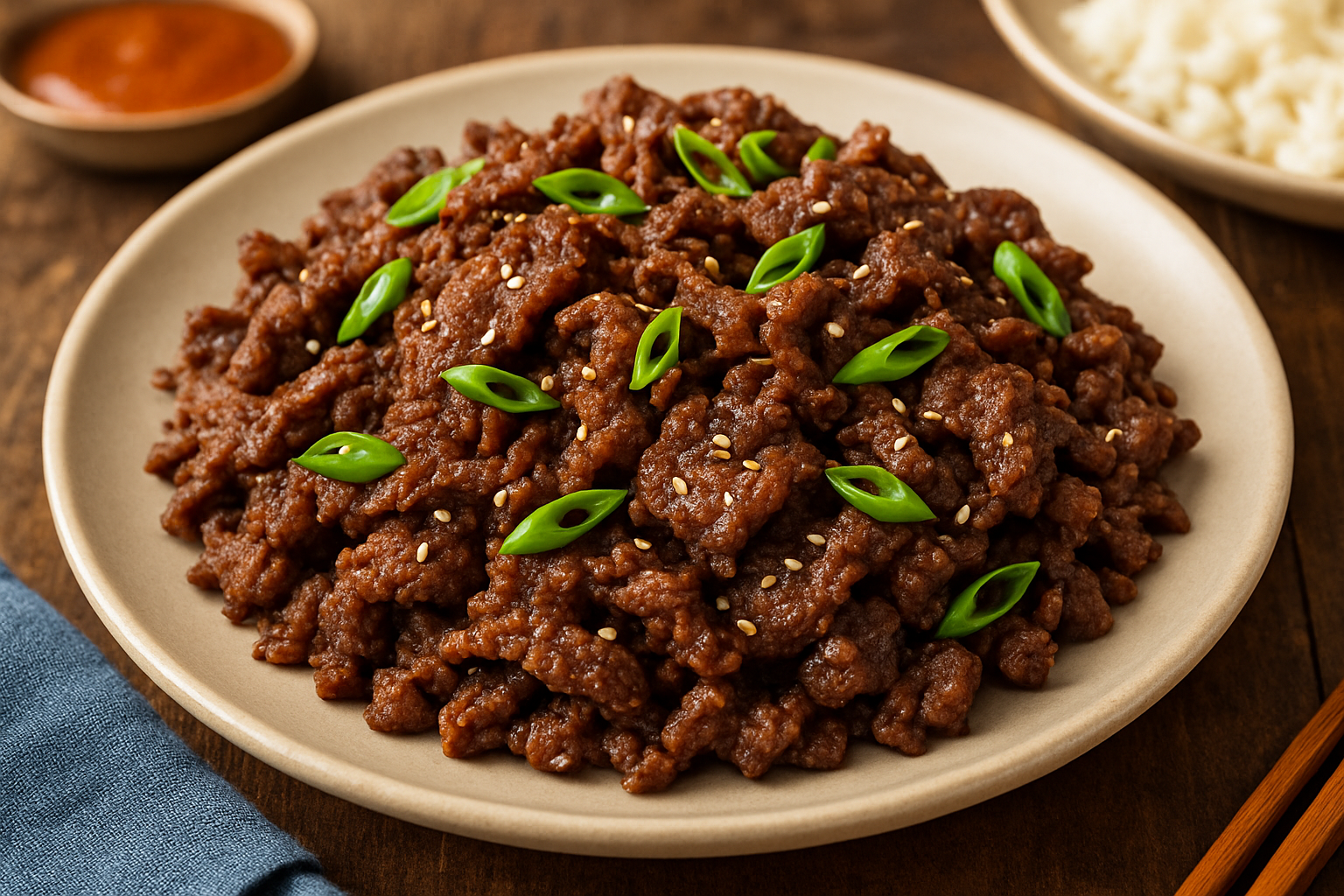
Authentic Korean BBQ Beef Bulgogi on the Grill
What makes this Korean barbecued beef so irresistible is the marinade that does all the heavy lifting. Thinly sliced beef absorbs the sweet-savory sauce, becoming incredibly tender and flavorful. The high heat of your grill creates those beautiful charred edges while keeping the inside juicy and succulent.
This recipe is perfect for weeknight dinners when you want something impressive but don’t have hours to spend in the kitchen. The prep work is minimal, and once that beef hits the grill, you’re just minutes away from an unforgettable meal that’ll have your family asking for seconds.
:max_bytes(150000):strip_icc()/246172-Easy-Bulgogi-ddmfs-104-4x3-1-c0ddcab340474175a5d1c96bc2edabbc.jpg)
Why This Korean BBQ Beef Recipe Works
- Thin slicing is the secret – Cutting beef against the grain into thin strips maximizes surface area for marinade absorption and ensures quick, even cooking on the grill. This technique guarantees tender, flavorful bites every single time.
- The marinade doubles as a sauce – Our balanced blend of soy sauce, brown sugar, sesame oil, and aromatics doesn’t just tenderize the meat—it creates those gorgeous caramelized spots when the sugars hit the hot grill grates, building incredible depth of flavor.
- Quick marinating delivers big results – Unlike tougher cuts that need overnight marinating, thin-sliced beef for bulgogi only needs about an hour to become incredibly flavorful. This makes it perfect for spontaneous grilling sessions.
- High-heat grilling creates the perfect texture – The intense heat from your gas grill or charcoal grill sears the marinated beef quickly, creating a beautiful char on the outside while keeping the interior juicy and tender—just like authentic Korean BBQ restaurants.
Ingredients You’ll Need for Korean Bulgogi
The beauty of bulgogi lies in its simple yet powerful ingredient list. You’ll find most of these at your regular grocery store, though a quick trip to an Asian market will give you the most authentic options. Use fresh ingredients whenever possible for the brightest flavors.
- 1½ pounds beef sirloin or ribeye, thinly sliced (about ⅛-inch thick, partially freezing makes slicing easier)
- ⅓ cup soy sauce (use low-sodium if you’re watching salt intake)
- 3 tablespoons brown sugar (adds sweetness and helps with caramelization)
- 2 tablespoons sesame oil (the toasted variety gives the best flavor)
- 4 cloves garlic, minced (fresh is essential here)
- 1 tablespoon fresh ginger, grated or minced
- 2 green onions, finely chopped (plus more for garnish)
- 1 tablespoon rice wine or mirin (optional but adds authentic depth)
- 2 teaspoons sesame seeds (toasted for extra flavor)
- ½ teaspoon black pepper, freshly ground
- 1 small Asian pear or regular pear, grated (traditional tenderizer and sweetener)
Ingredient Notes & Substitutions
Beef selection: Ribeye is my top choice for bulgogi because of its marbling and tenderness, but sirloin works beautifully too and is more budget-friendly. Ask your butcher to slice it thin, or partially freeze the beef for 30-40 minutes to make home slicing easier.
The pear factor: Asian pear is traditional in bulgogi marinades because it contains enzymes that naturally tenderize meat while adding subtle sweetness. If you can’t find Asian pear, substitute with regular pear, kiwi, or even a tablespoon of pineapple juice.
Soy sauce options: Regular soy sauce works perfectly, but you can use tamari for a gluten-free version or coconut aminos for a soy-free alternative. Just note that these substitutions will slightly alter the flavor profile.
Step-by-Step Instructions for Grilled Bulgogi
- Prepare the marinade: In a large mixing bowl, whisk together the soy sauce, brown sugar, sesame oil, minced garlic, grated ginger, chopped green onions, rice wine, sesame seeds, and black pepper. Stir until the sugar dissolves completely. Add the grated pear and mix well—this creates the signature sweet-savory bulgogi flavor.
- Slice and marinate the beef: Pat the beef slices dry with paper towels (this helps the marinade adhere better). Add the beef to the marinade, tossing with your hands or tongs to ensure every piece is thoroughly coated. Cover the bowl with plastic wrap and refrigerate for at least 1 hour, or up to 8 hours for deeper flavor. Toss the meat occasionally if marinating for longer periods.
- Prepare your grill: About 20 minutes before cooking, preheat your gas grill to high heat (450-500°F) or prepare a hot charcoal fire. For charcoal grilling, you want glowing coals with a light coating of ash. Clean and oil your grill grates well—the sugar in the marinade can cause sticking if your grates aren’t properly prepared. Check out our guide to perfect grill maintenance for best results.
- Remove beef from marinade: Take the marinated beef out of the refrigerator and let it sit at room temperature for 10 minutes. Remove the beef from the marinade, shaking off excess liquid but don’t pat dry—you want that flavorful coating. Reserve the marinade if you want to make a sauce (see pro tips below).
- Grill the bulgogi: Working in batches to avoid overcrowding, lay the beef slices directly on the hot grill grates. Cook for 2-3 minutes per side, until you see beautiful caramelized edges and slight charring. The beef should develop a gorgeous mahogany color with darker spots where the sugars have caramelized. Don’t move the meat around too much—let it sear properly.
- Monitor for doneness: Since the beef is sliced so thin, it cooks incredibly quickly. You’re looking for an internal temperature of 145°F for medium doneness, but honestly, with thin slices, visual cues work best. The meat should look cooked through with no raw pink areas, but still be juicy and tender. Overcooking is the enemy here—a few minutes too long and you’ll have tough, dry beef.
- Rest and serve: Transfer the grilled bulgogi to a serving platter and let it rest for 2-3 minutes. This allows the juices to redistribute throughout the meat. Garnish with additional sliced green onions and sesame seeds. Serve immediately while still hot and aromatic.
Pro Tips & Variations for Perfect Bulgogi
Expert Grilling Tips
- Use a grill basket: If you’re worried about small beef pieces falling through the grates, a perforated grill basket or grill mat works wonderfully. You’ll still get excellent char and that smoky flavor while keeping everything contained.
- Don’t skip the pear: The fruit enzymes genuinely make a difference in tenderness. If you’re in a pinch and have no fruit, a teaspoon of baking soda mixed into the marinade can help tenderize (though it won’t add the subtle sweetness).
- Create a quick sauce: Pour the reserved marinade into a small saucepan and bring to a rolling boil for at least 3-4 minutes to kill any bacteria from the raw meat. Reduce it by half for an intensely flavored drizzling sauce.
- Freeze for easier slicing: Place your beef in the freezer for 30-40 minutes before slicing. It firms up just enough to make cutting thin, even slices much easier, especially if you don’t have a super-sharp knife.
- Two-zone grilling works great: Set up a hot direct heat zone and a cooler indirect zone. Sear the bulgogi over direct heat, then move pieces to the cooler side if they’re charring too quickly. This gives you better control over the final result.
Delicious Variations on Korean BBQ Beef
- Spicy Bulgogi: Add 1-2 tablespoons of gochugaru (Korean red pepper flakes) or a tablespoon of gochujang (Korean chili paste) to the marinade. This creates a spicy version that’s incredibly popular. The heat pairs beautifully with the sweet elements of the sauce.
- Low-Carb Bulgogi Bowl: Skip the traditional rice and serve your grilled bulgogi over cauliflower rice or shirataki noodles. Add plenty of grilled vegetables like zucchini, bell peppers, and mushrooms for a complete low-carb meal that doesn’t sacrifice flavor.
- Bulgogi Lettuce Wraps: Serve the grilled beef with butter lettuce leaves, kimchi, pickled radish, and ssamjang (Korean dipping sauce). Let everyone build their own wraps for an interactive, fun dinner experience.
- Make-Ahead Method: Marinate the beef up to 24 hours in advance for even deeper flavor penetration. You can also grill the bulgogi completely, let it cool, and refrigerate for up to 3 days. Reheat gently in a skillet or enjoy cold in salads.
- Indoor Variation: No grill? No problem! Heat a cast-iron skillet or large pan over high heat until smoking. Cook the bulgogi in batches without crowding, getting a nice sear on each side. While you won’t get the smoky flavor, you’ll still achieve delicious caramelization.
Serving & Storage Tips for Bulgogi
What to Serve With Korean BBQ Beef Bulgogi
Bulgogi is traditionally served as part of a larger Korean meal with multiple side dishes called banchan. Steamed white rice or brown rice is essential—you’ll want something to soak up that incredible sauce. Kimchi provides a spicy, tangy contrast that cuts through the richness of the beef perfectly.
For vegetables, try Korean cucumber salad, seasoned spinach, or pickled radish. Grilled vegetables like zucchini, mushrooms, and bell peppers also complement the beef beautifully. If you’re looking for more substantial sides, consider japchae (sweet potato noodles) or Korean potato salad. Check out our collection of Asian-inspired grilling sides for more pairing ideas.
For drinks, ice-cold beer or soju (Korean liquor) are traditional choices. If you prefer non-alcoholic options, barley tea or sparkling water with citrus works wonderfully to cleanse the palate between bites.
Storage Instructions
Refrigerator: Store leftover bulgogi in an airtight container for up to 4 days. The flavors actually deepen overnight, making leftovers sometimes even better than the original meal. Keep any extra marinade sauce separate to prevent the beef from becoming soggy.
Freezer: Freeze cooked bulgogi in portion-sized freezer bags for up to 3 months. Remove as much air as possible before sealing. You can also freeze the marinated raw beef, which is incredibly convenient—just thaw in the refrigerator overnight and grill as directed. This is perfect for meal prep.
Reheating: The best method is to reheat gently in a skillet over medium heat with a splash of water or broth to prevent drying out. Microwave reheating works in a pinch (30-second intervals on 50% power), but the texture won’t be quite as good. Avoid re-grilling as this tends to toughen the meat.
Common Questions About Korean BBQ Beef
What cut of beef is best for bulgogi?
Ribeye is the gold standard for bulgogi because its marbling keeps the meat incredibly tender and flavorful even when sliced thin and grilled at high heat. The fat content creates amazing flavor as it renders on the grill. Sirloin is the most popular budget-friendly alternative—it’s leaner but still delivers excellent results when properly marinated. Other good options include top round (which benefits most from the tenderizing marinade) or even flank steak if sliced very thin against the grain. Whatever cut you choose, the key is slicing it thin—about ⅛-inch thick—and always against the grain for maximum tenderness.
Can I make bulgogi without a grill?
Absolutely! While grilling gives you that authentic smoky char, you can achieve delicious bulgogi using other cooking methods. A cast-iron skillet or heavy-bottomed pan heated to high heat works wonderfully—just cook in small batches to avoid steaming the meat. You want a good sear, so don’t overcrowd the pan. A broiler is another excellent option; arrange the marinated beef on a foil-lined baking sheet and broil 4-6 inches from the heat source, flipping once, until caramelized (about 3-4 minutes per side). Some cooks even use an electric griddle or flat-top, which is actually closer to how bulgogi is prepared in many Korean restaurants. The most important factor isn’t the heat source—it’s achieving high enough temperature to caramelize the marinade and create those flavorful browned edges.
How do I prevent bulgogi from sticking to the grill?
Sticking is a common challenge with bulgogi because of the sugar content in the marinade. Here’s your prevention strategy: First, make sure your grill grates are completely clean—use a grill brush on hot grates before cooking. Second, oil the grates well using a paper towel dipped in high-smoke-point oil (canola, vegetable, or grapeseed) held with tongs. Third, ensure your grill is properly preheated to high heat—meat sticks more to cooler surfaces. Fourth, shake off excess marinade before placing beef on the grill (you want a coating, not dripping wet meat). Finally, don’t move the meat too soon—let it sear for 2-3 minutes before attempting to flip. If it resists, it’s not ready. A properly seared piece will release naturally. If you’re still having trouble, a well-oiled grill basket or perforated grill pan eliminates sticking completely while still giving you excellent results.
Why is my bulgogi tough instead of tender?
Tough bulgogi usually comes down to three issues: improper slicing, overcooking, or insufficient marinating. First, make sure you’re slicing against the grain—this shortens the muscle fibers and is crucial for tenderness. Look at your beef and identify the direction of the muscle fibers, then slice perpendicular to them. Second, don’t overcook—thin beef slices only need 2-3 minutes per side on high heat. The moment it’s cooked through, remove it from the grill. Bulgogi should be juicy and tender, not dried out. Third, ensure your beef marinates for at least one hour. The acidic and enzymatic components in the marinade (from soy sauce and pear) need time to work their tenderizing magic. If you’re following all these steps and still experiencing toughness, you might have a lower-quality cut of beef—look for well-marbled meat with good fat distribution.
Whether you’re serving this for a weeknight family dinner or impressing guests at your next backyard barbecue, bulgogi never disappoints. The beauty of this dish is its versatility—serve it with rice and traditional Korean sides, wrap it in lettuce leaves, or pile it into tacos for a Korean-Mexican fusion twist.
Fire up that grill and give this Korean BBQ beef recipe a try. Once you taste that first bite of perfectly caramelized, tender bulgogi, you’ll understand why this dish has captivated food lovers around the world. Don’t forget to share your grilling success with us—we love seeing your bulgogi creations! Happy grilling!
Korean BBQ Beef Bulgogi on the Grill
Ingredients
Method
- In a large mixing bowl, whisk together the soy sauce, brown sugar, sesame oil, minced garlic, grated ginger, chopped green onions, rice wine, sesame seeds, and black pepper. Stir until the sugar dissolves completely. Add the grated pear and mix well.
- Pat the beef slices dry with paper towels. Add the beef to the marinade, tossing to ensure every piece is thoroughly coated. Cover the bowl with plastic wrap and refrigerate for at least 1 hour, or up to 8 hours for deeper flavor.
- About 20 minutes before cooking, preheat your gas grill to high heat (450-500°F) or prepare a hot charcoal fire. Clean and oil your grill grates well to prevent sticking.
- Remove the marinated beef from the refrigerator and let it sit at room temperature for 10 minutes. Remove the beef from the marinade, shaking off excess liquid but don't pat dry.
- Working in batches to avoid overcrowding, lay the beef slices directly on the hot grill grates. Cook for 2-3 minutes per side, until you see beautiful caramelized edges and slight charring. The beef should develop a gorgeous mahogany color with darker spots where the sugars have caramelized.
- Transfer the grilled bulgogi to a serving platter and let it rest for 2-3 minutes. Garnish with additional sliced green onions and sesame seeds. Serve immediately while still hot.
Nutrition
“`