
Habanero BBQ Sauce Recipe – Bold, Fiery & Smoky
This habanero bbq sauce recipe delivers a fire-kissed heat that serious pitmasters crave. Bold, smoky, and layered with complex flavor, it transforms every rack of ribs and pulled pork into a showstopper. Fire up the grill today and taste the difference real heat makes.
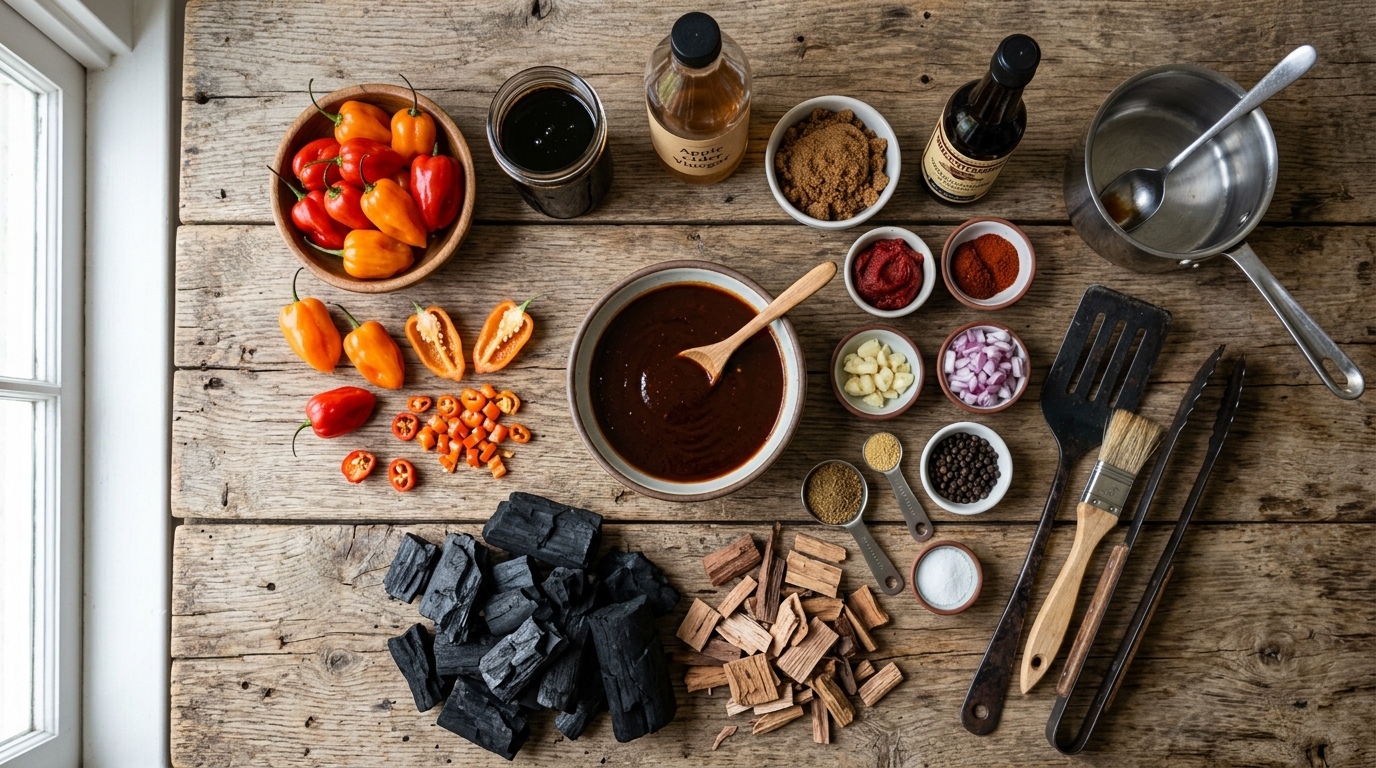
Ingredients
| AMOUNT | INGREDIENT | NOTES |
|---|---|---|
| 6 whole | habanero peppers | stems removed, halved – wear gloves when handling these |
| 1 cup | ketchup | use a quality brand with no high-fructose corn syrup for best results |
| 0.5 cup | apple cider vinegar | the backbone acid that balances the heat and sweetness |
| 0.25 cup | dark molasses | adds depth, color, and a smoky sweetness that plays beautifully with habanero heat |
| 0.25 cup | brown sugar | packed, light or dark both work – dark adds more complexity |
| 3 tablespoons | Worcestershire sauce | adds umami depth and savory backbone |
| 2 tablespoons | smoked paprika | critical for the smoky BBQ character – do not substitute regular paprika |
| 1 tablespoon | garlic powder | or 4 fresh cloves minced for a more pungent garlic hit |
| 1 tablespoon | onion powder | rounds out the savory profile without adding texture chunks |
| 1 teaspoon | ground cumin | adds an earthy warmth that complements the habanero fruit notes |
| 1 teaspoon | dry mustard powder | classic BBQ sauce component that adds a sharp tangy kick |
| 0.5 teaspoon | ground black pepper | freshly cracked for best flavor |
| 0.5 teaspoon | kosher salt | adjust to taste at the end of cooking |
| 2 tablespoons | olive oil | for sauteing the aromatics and peppers |
| 1 medium | yellow onion | finely diced – forms the aromatic base of the sauce |
| 4 cloves | fresh garlic | minced – adds punchy fresh garlic flavor layered over the powder |
| 2 tablespoons | fresh lime juice | squeezed at the finish for brightness and to lift all the flavors |
| 0.5 cup | water or low-sodium chicken broth | to loosen the sauce to your preferred consistency during the simmer |
Instructions
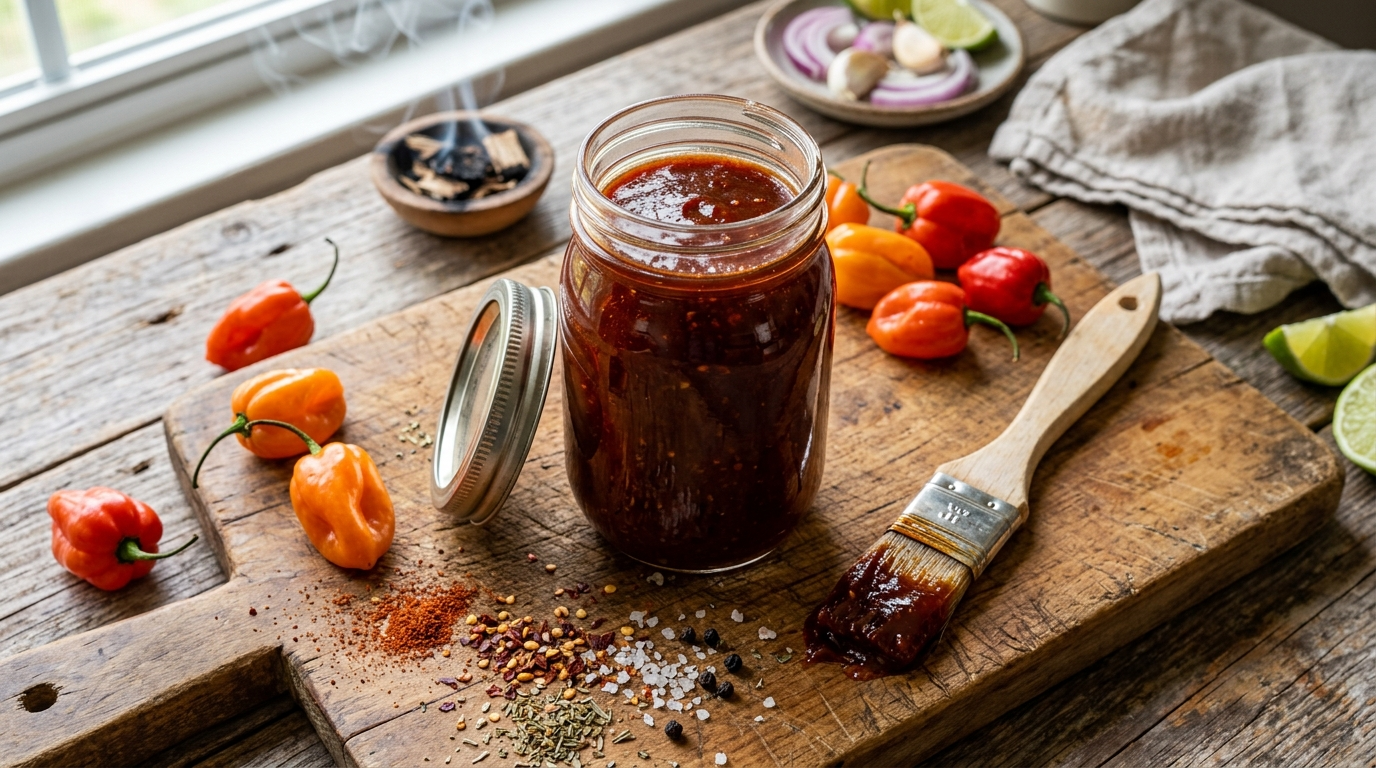
Nutrition (per serving)
The BBQ Story Behind This Recipe
Hot sauce and BBQ have been locked in a love affair across the American South for well over a century. From the vinegar-forward mops of the Carolinas to the thick, sweet tomato bases of Kansas City, every region has its own way of chasing the heat. Habanero peppers found their way into backyard BBQ culture as pitmasters started pushing beyond cayenne and red pepper flakes, searching for a pepper that could deliver serious fire without sacrificing fruity, aromatic complexity. The habanero, with its intense citrus-forward heat and fruity undertones, became the secret weapon of competition BBQ crews who wanted their sauce to leave a lasting impression on the judges.
The tradition of building a layered BBQ sauce from scratch goes back generations in American pit culture. Before bottled sauces lined grocery store shelves, every pitmaster had a house sauce recipe handed down or hard-won through years of trial and error at the pit. Habanero-based sauces carry that same spirit of bold experimentation. Rooted in Caribbean chili traditions and refined through the lens of Southern BBQ technique, this style of sauce respects both the low and slow philosophy of proper barbecue and the fearless heat culture that defines the best backyard pitmasters across the country.
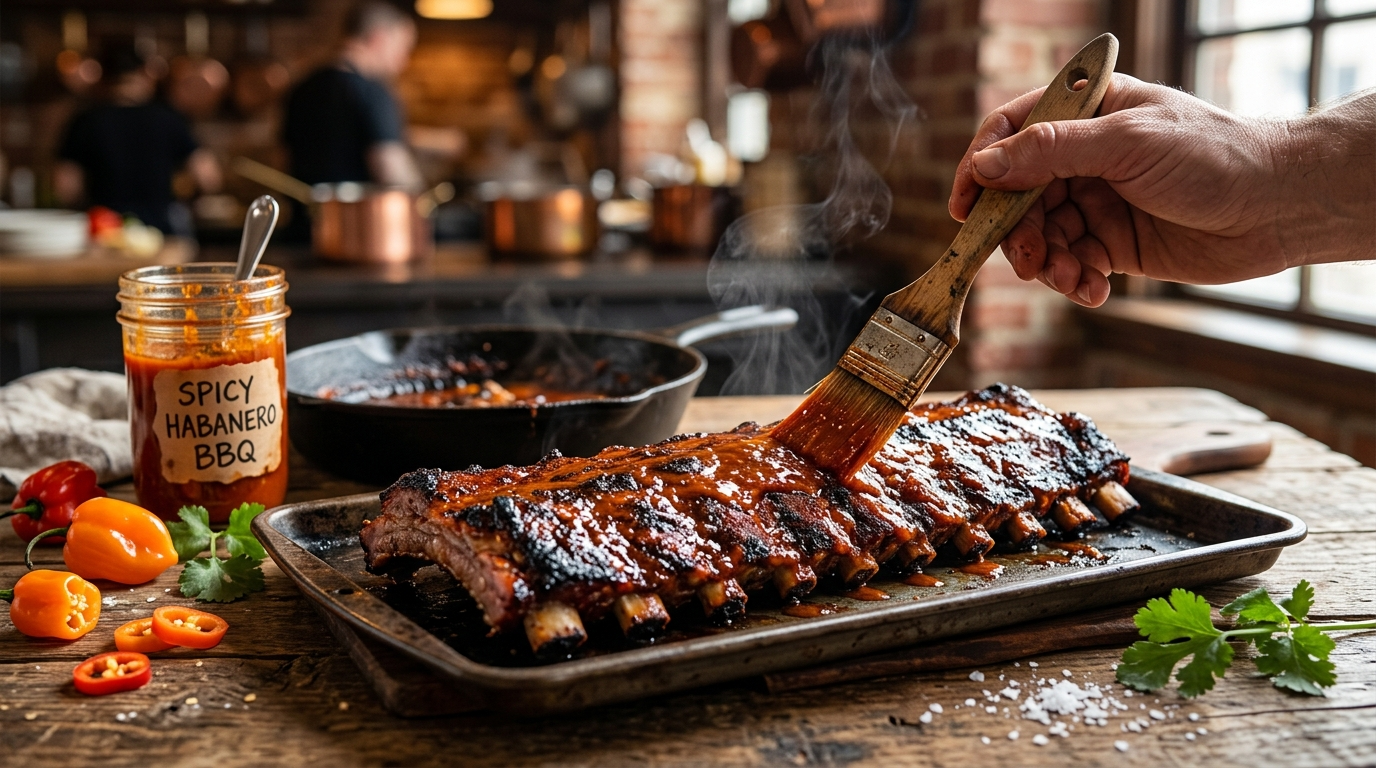
Hot Off the Grill
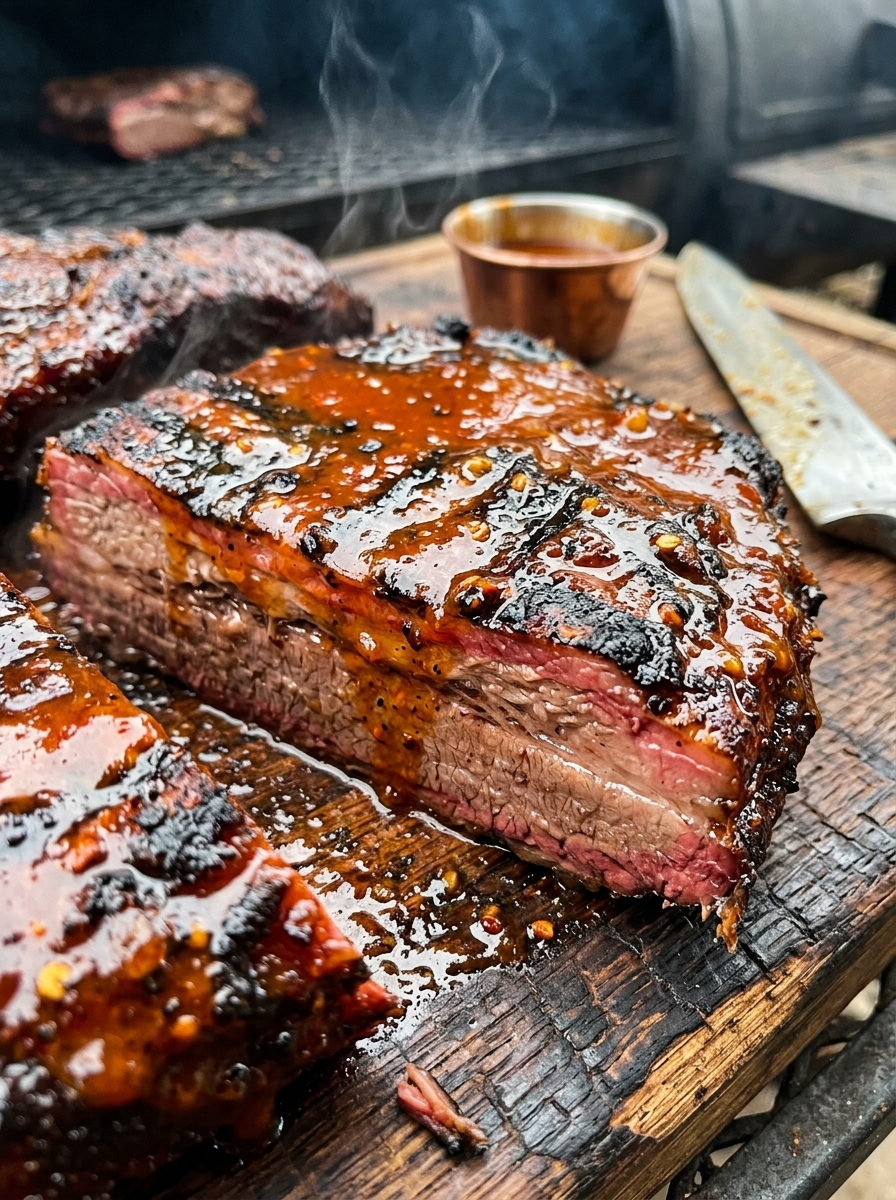
A Closer Look
Pitmaster Tips for Best Results
- Control the heat level precisely by adjusting how many habanero seeds you include. Seeds and white membrane contain the highest concentration of capsaicin. Remove all seeds for medium-hot, keep half for hot, and leave everything in for a sauce that will make serious chileheads sweat.
- Always apply this sauce during the last 10 to 15 minutes of grilling over indirect heat. At temperatures above 300 degrees Fahrenheit with direct flame, the sugars in molasses and brown sugar will char and turn acrid faster than you can say bark – and not the good kind you get on a properly smoked brisket.
- Toast your smoked paprika in the dry saucepan for 30 to 45 seconds before adding the oil and onion. This blooms the spice and unlocks deeper, more complex smoky flavor that takes the finished sauce to a completely different level.
- For an even smokier sauce profile without firing up the smoker, char your habaneros directly over an open gas flame or under a broiler until the skins blister and blacken before adding them to the recipe. This adds an authentic wood-fired character that complements any BBQ application.
- Make a double or triple batch and freeze portions in ice cube trays. Once frozen, pop the sauce cubes into a zip-lock bag and store in the freezer. Pull out exactly the amount you need for each cook – perfect portioning for mops, dips, and glazes all season long.
🔧 Pitmaster Equipment
Heavy-Bottomed Saucepan: A thick base distributes heat evenly and prevents the sugars in the sauce from scorching during the reduction process.
Blender or Immersion Blender: Essential for achieving a smooth, velvety sauce texture after cooking down the habaneros and aromatics.
Nitrile or Food-Safe Gloves: Habanero oils are extremely potent – protect your hands and eyes when handling and cutting these peppers.
Fine Mesh Strainer: Straining the finished sauce removes seeds and skin fragments for a restaurant-quality smooth consistency.
Long Wooden Spoon or Silicone Spatula: Keeps your stirring hand safely away from splattering sauce during the active simmer stage.
Glass Mason Jars: Ideal for storing and gifting your finished habanero BBQ sauce – they seal tight and preserve freshness for weeks.
🔥 Variations
Mango Habanero BBQ Sauce: Add 1 cup of fresh or frozen mango chunks along with the habaneros during the saute step. The tropical sweetness of ripe mango amplifies the fruity notes already present in habanero peppers and creates a sweet heat profile that is absolutely devastating on grilled chicken wings and pork tenderloin.
Smoker-Infused Habanero Sauce: Place your habanero peppers, halved onion, and garlic cloves on your smoker or kettle grill running at 225 degrees Fahrenheit with applewood or cherry wood chunks for 45 minutes before starting the sauce. The smoke penetrates the peppers and aromatics at a cellular level, producing a depth of smoke flavor that no smoked paprika alone can replicate.
Carolina-Style Habanero Vinegar Sauce: Reduce the ketchup to 0.25 cup and increase the apple cider vinegar to 1 full cup. Skip the molasses and reduce the brown sugar to 2 tablespoons. The result is a thin, tangy, Eastern Carolina-style mop sauce with habanero fire – perfect for mopping pork shoulders low and slow over the full cook and serving as a table sauce alongside pulled pork.
Bourbon Habanero BBQ Sauce: Add 3 tablespoons of your favorite bourbon whiskey to the saucepan along with the ketchup and vinegar. Let the alcohol cook off during the simmer for the first 5 minutes before the lid goes on. The bourbon adds oak, vanilla, and caramel notes that weave beautifully through the habanero heat and molasses sweetness – this version was made for beef brisket and smoked beef ribs.
Pellet Grill Version: Set your pellet grill to 225 degrees Fahrenheit and smoke the habaneros, onion, and garlic on the grates for 45 minutes using cherry or apple pellets before building your sauce as directed. The consistent, clean smoke from a pellet grill produces a beautifully balanced smoky sweetness that is hard to achieve any other way.
❓ Pitmaster FAQ
How hot is this habanero BBQ sauce on a scale of 1 to 10?
With all seeds included, this sauce sits at about an 8 out of 10 – serious heat that builds and lingers but does not overwhelm the underlying BBQ flavors. Remove all seeds and membrane from the peppers and it drops to a manageable 5 or 6. You can also reduce the number of habaneros from 6 down to 3 or 4 for a milder version that still delivers plenty of fruity pepper character without the full fire.
Can I use scotch bonnet peppers instead of habaneros?
Absolutely – scotch bonnets are closely related to habaneros and share a similar fruity heat profile with slightly more floral and sweet notes. They are a fantastic substitute in equal quantities and actually have deep roots in Caribbean BBQ traditions. The finished sauce will have a subtly different flavor character but will be equally incredible on grilled chicken, pork, and ribs.
When should I apply this sauce during grilling?
Apply this sauce only during the final 10 to 15 minutes of your cook, and always over indirect heat rather than direct flame. Because this recipe contains molasses and brown sugar, the sugars will burn quickly when exposed to temperatures above 300 degrees Fahrenheit with direct heat underneath. Brush on two or three thin layers during that final window and you will get a gorgeous caramelized lacquer without any bitterness from scorched sugar.
How long does homemade habanero BBQ sauce keep?
Stored in a sealed glass mason jar in the refrigerator, this sauce keeps beautifully for up to 3 weeks. The vinegar acts as a natural preservative that extends the shelf life. For longer storage, portion the cooled sauce into zip-lock freezer bags or ice cube trays and freeze for up to 3 months. Thaw overnight in the refrigerator before using and give it a good stir – the consistency will return to normal after thawing.
Can I can this sauce for long-term shelf-stable storage?
Yes, this sauce is suitable for water bath canning because of its high vinegar and sugar content which keeps the pH at a safe level. Use sterilized mason jars, proper canning lids, and process sealed jars in a boiling water bath for 15 minutes for half-pint jars. Always follow current USDA home canning guidelines and use tested canning recipes if you plan to modify this recipe significantly before canning.
What proteins does this habanero BBQ sauce work best with?
This sauce is incredibly versatile. It is absolutely outstanding on smoked chicken thighs and drumsticks where the fat content tempers the heat. It creates an incredible glaze on pork ribs during the last 15 minutes on the smoker. It is a revelation as a finishing sauce on pulled pork. It also works brilliantly on grilled shrimp with a fast 2-minute glaze over high heat at the very end of the cook. For beef, use it as a table sauce alongside brisket rather than cooking it directly on the meat.