
Few culinary experiences embody the spirit of Southern hospitality like a traditional crawfish boil.
With its vibrant blend of spices and fresh seafood, it brings people together for a communal feast that is as much about the company as it is the food.
I first fell in love with crawfish boils during a summer spent in Louisiana, where the locals taught me the art of perfect seasoning and timing.
This dish combines bold flavors with a touch of heat, making it a perfect excuse to gather friends and family for a festive occasion.
Whether enjoyed in the backyard or at a lakeside picnic, a crawfish boil is an unforgettable celebration of flavor and fellowship.
The History and Cultural Significance
• How to Host traces its origins to the Southern United States, particularly Louisiana, where it was originally created by French-speaking Acadian settlers.
• The dish evolved over decades as settlers incorporated locally available ingredients like crawfish and Cajun spices, eventually becoming the beloved version we know today.
• In Cajun culture, this dish traditionally appears at family gatherings, community events, and festivals, symbolizing unity and celebration.
• While many variations exist across different regions, the authentic version maintains the distinctive use of Cajun spices and whole crawfish that sets it apart from imitations.
Recipe Overview
Nutritional Information (per serving)
You Might Also Like
Quick and Easy Vegan Taco Salad: Perfect for Busy Weeknights – FlavorGrub — Easy Recipes for Real Life | Real Food. Real Flavor.
Essential Equipment Guide
Large Stockpot: A large stockpot is essential for boiling the crawfish and ensuring even cooking. Look for one that holds at least 60 quarts to accommodate all ingredients. Alternatives include a turkey fryer pot, but make sure it has a sturdy base and lid.
Propane Cooker: This tool provides the high heat necessary for boiling large quantities of water quickly. Ensure it is stable and has a reliable flame control for safety. Electric cookers can work in a pinch but may take longer to reach the desired temperature.
Long-handled Strainer: A long-handled strainer is crucial for safely retrieving crawfish from boiling water. Opt for a sturdy, heat-resistant model to avoid accidents. A slotted spoon can be used as an alternative, though it may not be as efficient.
Ingredients
For the Boil
|
|
| Amount | Ingredient | Notes |
|---|---|---|
| 10 pounds | live crawfish | fresh, purged |
| 8 quarts | water | to cover |
| 1 cup | Cajun seasoning | for authentic flavor |
| 4 large | lemons | halved, adds citrus brightness |
| 2 pounds | small red potatoes | whole |
| 2 pounds | smoked sausage | cut into 2-inch pieces |
| 6 ears | corn on the cob | halved |
| 1 large | onion | quartered |
Additions
| Amount | Ingredient | Notes |
|---|---|---|
| 4 cloves | garlic | whole, adds depth |
| 3 tablespoons | salt | enhances flavor |
| 2 tablespoons | black pepper | for heat |
Preparation Methods
Purging Crawfish: Purging involves soaking crawfish in salt water to clean them of impurities and grit. Doing so ensures a cleaner taste and avoids gritty bites. Use cold water and a generous amount of salt, allowing them to sit for 5-10 minutes before rinsing thoroughly.
Layering Spices: This technique involves adding spices at different stages to build complexity. Begin with a base layer in the water and add more during the boil. This ensures that flavors penetrate deeply and evenly.
Timing Additions: Adding ingredients in stages prevents overcooking. Start with potatoes and onions, then add sausage, corn, and finally crawfish. Mastering this sequence ensures all components are perfectly cooked.
Step 1: Prepare Ingredients
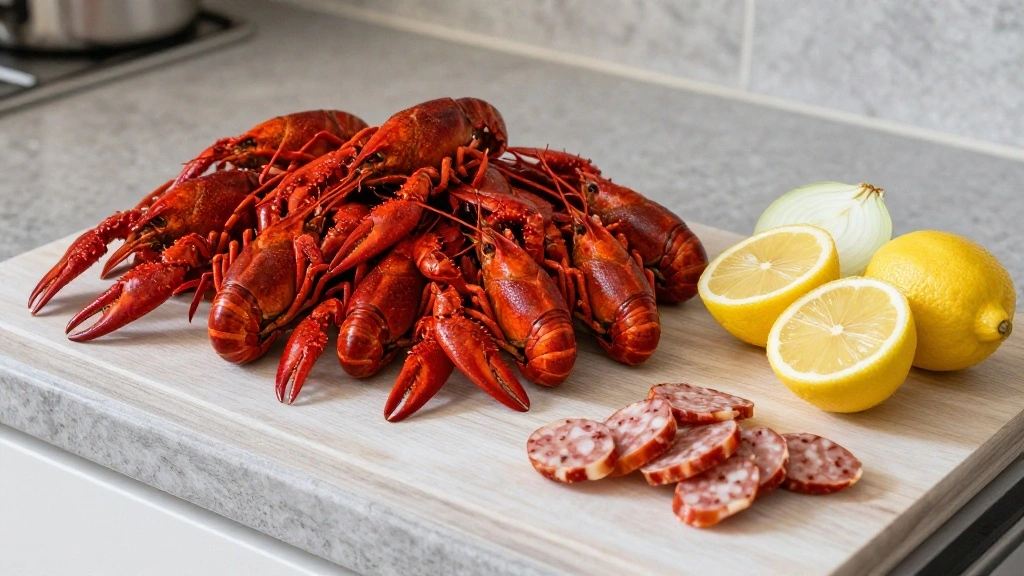
Begin by gathering all necessary ingredients and equipment.
Ensure crawfish are alive and fresh for optimal taste.
Halve the lemons and quarter the onions in preparation for the boil.
Cut the smoked sausage into 2-inch pieces for even cooking.
Step 2: Purge the Crawfish
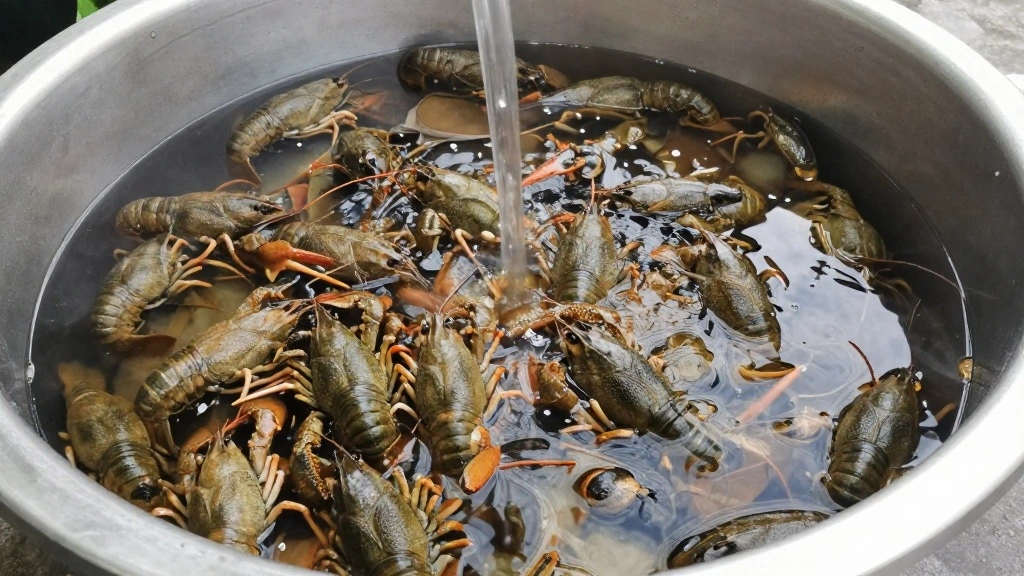
Fill a large container with cold water and add salt generously.
Add the live crawfish and let them soak for 5-10 minutes.
Rinse them thoroughly until the water runs clear.
This step ensures a cleaner, grit-free final dish.
Step 3: Prepare the Boiling Water
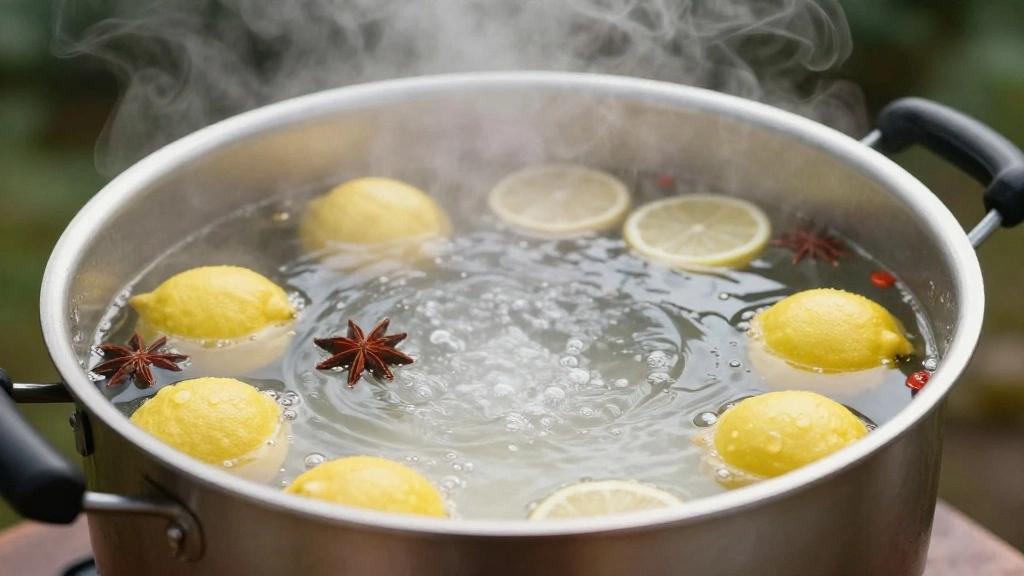
Fill the stockpot with 8 quarts of water and bring to a rolling boil over high heat.
Add Cajun seasoning, salt, black pepper, and halved lemons to the pot.
Stir to ensure spices are evenly distributed in the water.
This forms the flavorful base for your boil.
Step 4: Add Potatoes and Onions
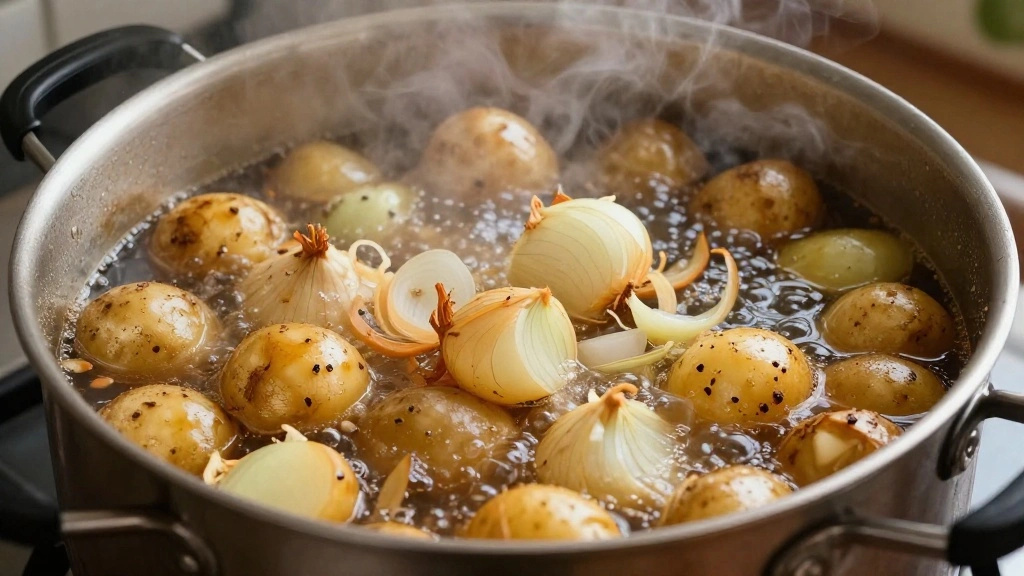
Once the water is boiling, add the whole red potatoes to the pot.
Follow with the quartered onions to add sweetness and depth.
Boil for 10-15 minutes until potatoes are slightly tender.
This step allows the potatoes to absorb the seasoned water.
Step 5: Add Sausage and Corn
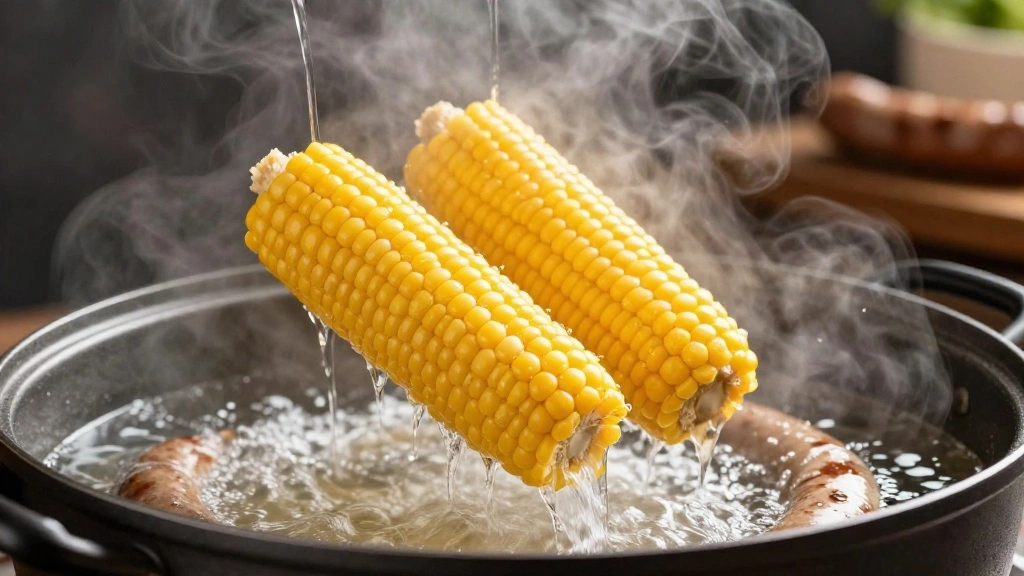
Add the cut sausage and corn halves to the pot.
Stir gently to ensure even distribution in the boiling water.
Continue boiling for another 5 minutes, allowing flavors to meld.
Ensure the corn becomes bright and tender.
Step 6: Add Crawfish to the Boil
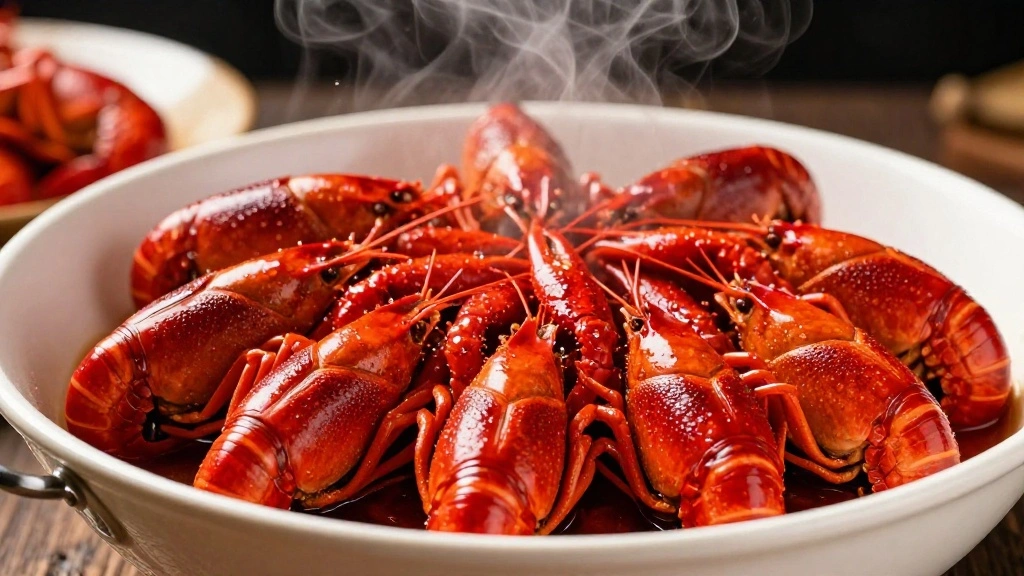
Carefully add the purged crawfish to the boiling water.
Stir gently to immerse them completely and evenly in the seasoned water.
Boil for 5-7 minutes until the crawfish turn bright red.
This quick cooking process ensures tender, juicy crawfish.
Step 7: Allow to Steep
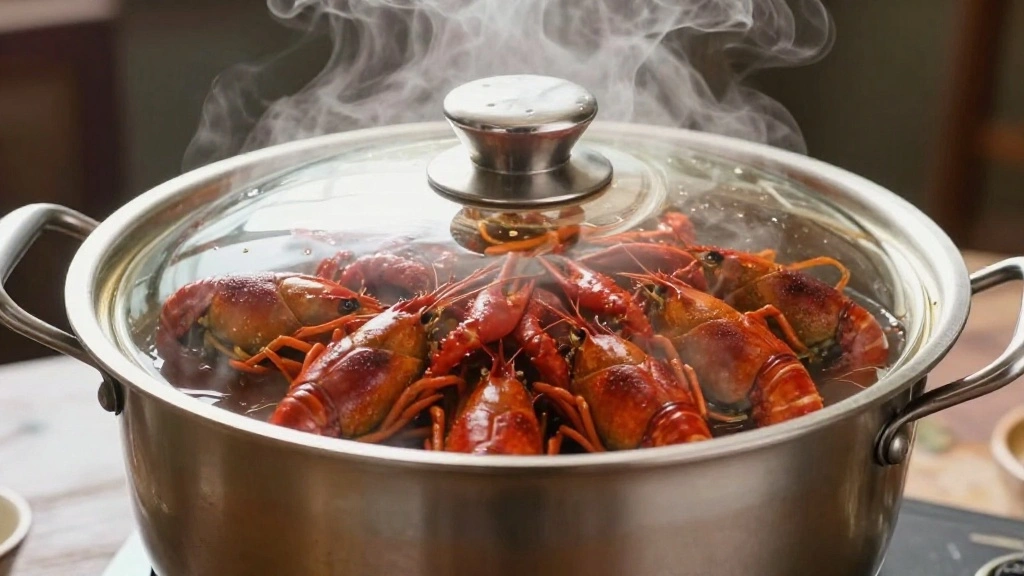
Turn off the heat and let the crawfish steep in the hot water.
Cover the pot and let it sit for 15-20 minutes to absorb flavors.
This resting period is crucial for seasoning the crawfish thoroughly.
Ensure the pot remains covered to retain heat.
Step 8: Drain and Serve
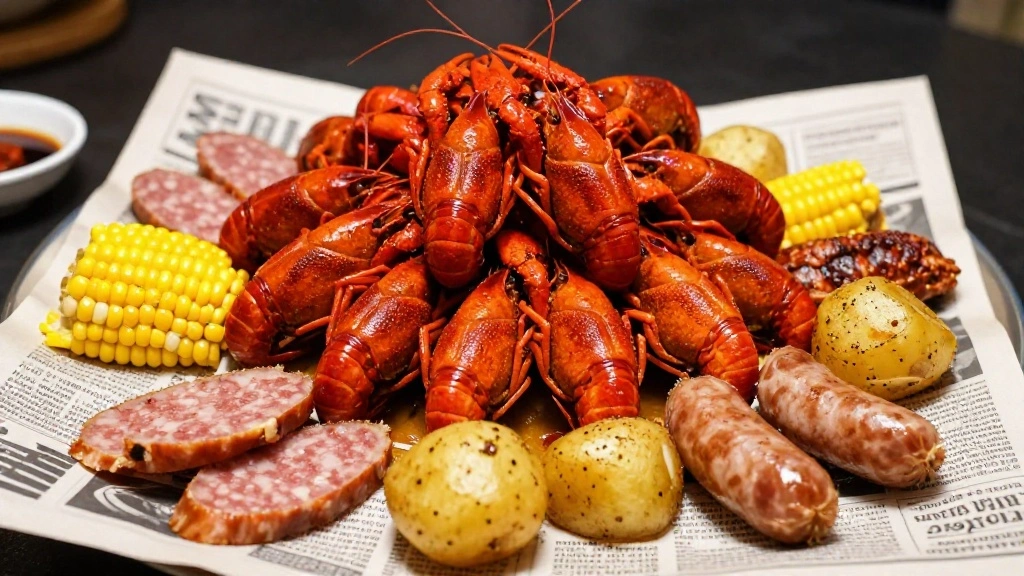
Use a long-handled strainer to remove crawfish and other ingredients from the pot.
Spread them out on a large table covered with newspaper for easy cleanup.
Serve immediately with melted butter and extra Cajun seasoning on the side.
Encourage guests to dig in and enjoy the feast.
Critical Timing and Temperature Guide
Boiling Water: Maintain a rolling boil before adding ingredients, ensuring consistent 212°F temperature. Avoid reducing heat as it can lead to uneven cooking.
Steeping Crawfish: Allow crawfish to steep for exactly 15-20 minutes. Over-steeping can result in mushy texture, while under-steeping may lead to bland flavors. Check for even seasoning penetration by tasting one crawfish.
Cooking Potatoes: Boil potatoes until just fork-tender, about 10-15 minutes. Overcooking can cause them to disintegrate, while undercooking leaves them hard. Visual indicators include a slight split in the skin.
Pro Tips for How to Host
• Ingredient Selection: Choose the freshest live crawfish for the best flavor and texture. Look for lively movement and avoid any with a strong fishy odor.
• Preparation Secret: Adding a small amount of sugar to the boiling water can enhance the natural sweetness of the crawfish and corn.
• Temperature Management: Keep the propane cooker's flame steady and avoid frequent lifting of the lid to maintain consistent boiling temperature.
• Texture Enhancement: To achieve the perfect crawfish texture, ensure rapid cooling by draining them immediately after steeping.
• Flavor Layering: Add a second batch of seasoning during the steeping process to enhance depth without overpowering.
• Make-Ahead Strategies: Prep all non-perishable ingredients like spices and sausages a day ahead to streamline the cooking process on the day of the boil.
• Restaurant-Quality Finishing Touches: Serve with lemon wedges and a sprinkling of fresh parsley for a polished presentation.
• Equipment Optimization: Use an outdoor cooker with a stable base to ensure safety and efficiency while maintaining high temperatures.
Troubleshooting Common Issues
• Overcooked Crawfish: Overcooking can cause crawfish to become tough and rubbery. Ensure you adhere to the 5-7 minutes boiling time and immediately steep off-heat.
• Lack of Flavor: If the boil lacks flavor, it may be due to insufficient seasoning. Make sure to use a generous amount of Cajun spice and consider adding more during the steeping phase.
• Gritty Crawfish: Grit in crawfish usually results from improper purging. Ensure thorough purging in salt water and rinse until clear.
• Undercooked Potatoes: Potatoes that are hard may need more boiling time. Check for doneness with a fork before adding additional ingredients.
• Spices Not Sticking: If spices don't adhere to crawfish, try adding them during the last few minutes of the boil and during the steeping process to enhance adhesion.
Variations and Regional Differences
• Louisiana Style: Known for its bold use of Cajun spices and garlic, this variation often includes additional vegetables like artichokes.
• Texas Twist: Incorporates jalapeños for extra heat and often adds beer to the boiling water for a unique flavor profile.
• Mississippi Mudbug: Features a milder seasoning blend and often includes whole cloves and bay leaves for aromatic complexity.
• Cajun vs. Creole: While Cajun boils focus on simplicity and rustic flavors, Creole versions may include richer sauces and more varied seafood.
Food Science Behind the Recipe
• Maillard Reaction: The browning of sausage and the caramelization of corn sugars during the boil enhances flavor through the Maillard reaction.
• Osmosis and Brining: The salt in the boiling water helps imbue the crawfish with flavor through osmosis, similar to brining techniques.
• Heat Transfer: Understanding how boiling water transfers heat quickly and efficiently to all ingredients ensures even cooking and prevents over- or under-cooking.
Frequently Asked Questions
What's the most common mistake people make when preparing a crawfish boil? Overcooking crawfish is a frequent issue, leading to a tough texture. Stick to a strict 5-7 minutes boiling time.
Can I use frozen crawfish instead of live ones? While fresh is best for taste and texture, frozen crawfish can be used if properly thawed and cooked slightly longer.
How do I know if my crawfish are fresh? Look for lively movement and avoid any with a strong fishy smell, which can indicate spoilage.
Is it necessary to purge the crawfish? Yes, purging is vital to remove grit and impurities for a cleaner taste.
Can I add other seafood to the boil? Absolutely, shrimp and crab are popular additions that complement the dish well.
How do I adjust the spice level? Increase or decrease the amount of Cajun seasoning based on personal preference, and consider adding hot sauce for extra heat.
What should I serve with a crawfish boil? Traditional sides include crusty bread, coleslaw, and potato salad to balance flavors and textures.
Serving and Presentation Guide
• Traditional Presentation: Serve directly from the pot onto a newspaper-covered table for an authentic, communal dining experience.
• Plated Elegance: Arrange crawfish, corn, and potatoes on individual plates with a garnish of lemon wedges and parsley for a polished look.
• Family Style: Use a large platter to present the boil, allowing guests to serve themselves, encouraging interaction and sharing.
• Picnic Setup: Transport the boil to an outdoor location using coolers and serve on picnic tables for a relaxed, al fresco meal.
Conclusion
Hosting the perfect crawfish boil is a rewarding way to bring people together through shared food and laughter.
With the right preparation and a little attention to detail, you'll create a memorable dining experience for all your guests.
Don't be afraid to experiment with flavors and techniques to make the recipe your own.
So gather your friends, fire up the cooker, and enjoy the rich, spicy flavors of a traditional Southern crawfish boil.