
Smoked Pork Picnic Recipe: Low and Slow Perfection
Ingredients
Method
- Start this process the night before your cook. Pat the pork picnic roast completely dry with paper towels, removing all surface moisture. Score the skin in a crosshatch pattern using a sharp knife, cutting through the fat cap but not into the meat itself. This helps the rub penetrate and the fat render properly during the long cook.
- Combine the brown sugar, smoked paprika, kosher salt, black pepper, garlic powder, onion powder, cayenne pepper, and dried mustard powder in a bowl and mix thoroughly until everything is evenly distributed. This is your dry rub and it is the foundation of your bark.
- Coat the entire surface of the pork picnic with yellow mustard, working it into every crevice and fold. This acts as a binder to help the rub stick and adds a subtle tang that disappears completely during the cook. Do not skip this step - it makes a real difference in bark quality.
- Apply the dry rub generously and aggressively all over the mustard-coated pork, pressing and patting it firmly into every surface including the underside and around the bone. You want a thick, even coating that will caramelize into that legendary bark over the course of the cook. Wrap the seasoned roast tightly in plastic wrap and refrigerate overnight, or for a minimum of 4 hours.
- Fire up your smoker or kettle grill about 45 minutes before you plan to start cooking. Use your chimney starter to get your charcoal fully ashed over, then set up for indirect heat with the coals on one side and a drip pan filled with water on the other side. Add two chunks of your chosen wood to the coals and dial in your smoker temperature to a steady 225 degrees Fahrenheit. Do not place the meat on until you have held that temp steady for at least 20 minutes.
- Remove the pork picnic from the refrigerator and let it sit at room temperature for 30 minutes while your smoker stabilizes. Place the roast fat side up on the grate over the drip pan, away from direct heat. Insert your probe thermometer into the thickest part of the meat, making sure it does not touch the bone, and close the lid. You are in it for the long haul now.
- Maintain your smoker temperature between 225 and 250 degrees Fahrenheit throughout the entire cook. Add wood chunks every 90 minutes for the first 4 to 5 hours to keep thin blue smoke flowing - that is the good smoke. Thick white billowing smoke is acrid and will give your meat a bitter flavor. Every 90 minutes, open the smoker and spritz the pork generously with a 50/50 mix of apple juice and apple cider vinegar. This builds color, adds moisture, and helps develop that deep mahogany bark.
- Around the 4 to 5 hour mark, you will hit what pitmasters call the stall - the internal temp will plateau somewhere between 155 and 170 degrees and seem like it is not moving for hours. This is completely normal. The moisture evaporating from the surface is cooling the meat at the same rate it is gaining heat. Do not panic and do not crank up the temperature. Hold your position and trust the process.
- Once you have hit an internal temp of around 165 degrees and you are happy with the color and bark formation on the outside, you can optionally wrap the pork in two layers of heavy duty aluminum foil with a splash of apple juice poured inside before sealing. This is called the Texas Crutch and it pushes the meat through the stall faster and keeps it incredibly moist. If you prefer a firmer, thicker bark, skip the wrap and push through the stall unwrapped.
- Continue cooking, wrapped or unwrapped, until the internal temp reaches 200 to 205 degrees Fahrenheit. At this temperature, a probe thermometer inserted anywhere in the meat should slide in with zero resistance, like pushing it into warm butter. This tells you the collagen has fully broken down and the meat will pull apart beautifully. Total cook time for a 7-pound picnic roast is typically 10 to 12 hours at 225 degrees.
- Rest the meat. This step is non-negotiable. Remove the pork from the smoker, keep it wrapped in foil if you used the wrap method, and place it in an empty cooler lined with old towels. Close the cooler and let the roast rest for a minimum of 1 hour, and up to 2 hours. This resting period allows the juices to redistribute throughout the meat so every bite is moist and flavorful instead of running out onto the cutting board.
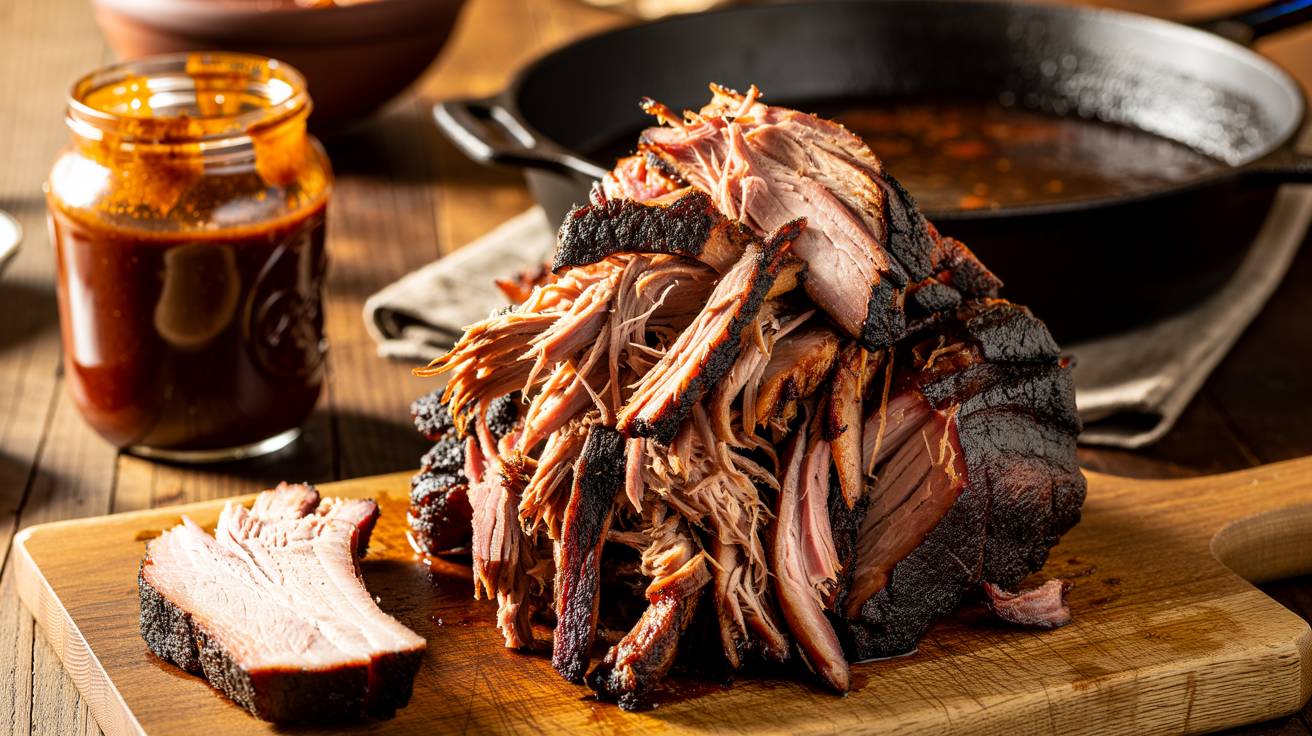
- After resting, unwrap the roast and transfer it to your large cutting board. The meat should be so tender that pulling it apart by hand is almost effortless. Use two forks or heat resistant gloves to pull the pork into large chunks, discarding any large pieces of fat or the bone. Chop and mix the bark pieces into the pulled pork so every serving gets some of that incredible crust. Serve immediately with your favorite BBQ sauce on the side.
Nutrition
This smoked pork picnic recipe is the kind of cook that separates backyard grillers from true pitmasters – a bone-in pork shoulder picnic cut transformed over 10 to 12 hours of low and slow smoke into something absolutely legendary. We are targeting an internal temp of 200 to 205 degrees Fahrenheit, which is the sweet spot where all that collagen breaks down into gelatin and the meat turns silky, pull-apart tender. The pork picnic cut is the lower portion of the front shoulder, and it is loaded with connective tissue, fat marbling, and bone-in richness that makes it ideal for long smoking sessions.
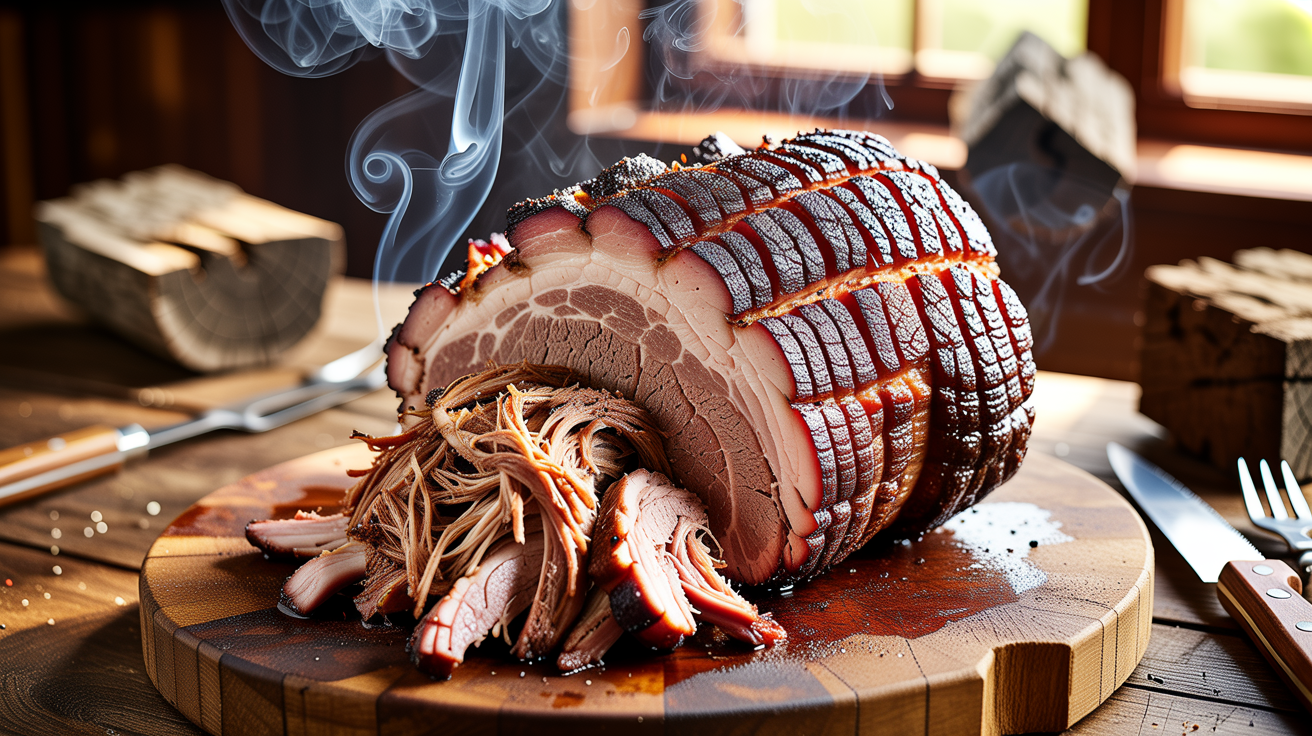
What sets this cook apart from your average pulled pork is the bark we are building from the outside in. A proper dry rub packed with brown sugar, smoked paprika, garlic powder, and black pepper caramelizes over hours of 225 degree heat into a deep, crackling crust that locks in all those juices and adds layer after layer of flavor. When you slice through that bark on your cutting board and see that bright pink smoke ring running a quarter inch deep into the meat, you will know you have done something special.
Do not let the long cook time intimidate you. The beauty of low and slow BBQ is that the smoker does most of the heavy lifting. You just need to maintain your fire, monitor your wood chunks, and resist the urge to rush the process. Plan for about 1.5 hours of cook time per pound of meat, keep your smoker dialed in between 225 and 250 degrees, and let time and smoke work their magic on this incredible cut of pork.
Smoked Pork Picnic Recipe: Low and Slow Perfection
This smoked pork picnic recipe delivers fall-apart tender meat wrapped in a deep mahogany bark that will have your whole neighborhood knocking on the door. We are talking low and slow smoke perfection with a beautiful smoke ring that proves you mean serious BBQ business. Fire up the smoker today and show them what real pitmaster craft looks like.
Ingredients
| AMOUNT | INGREDIENT | NOTES |
|---|---|---|
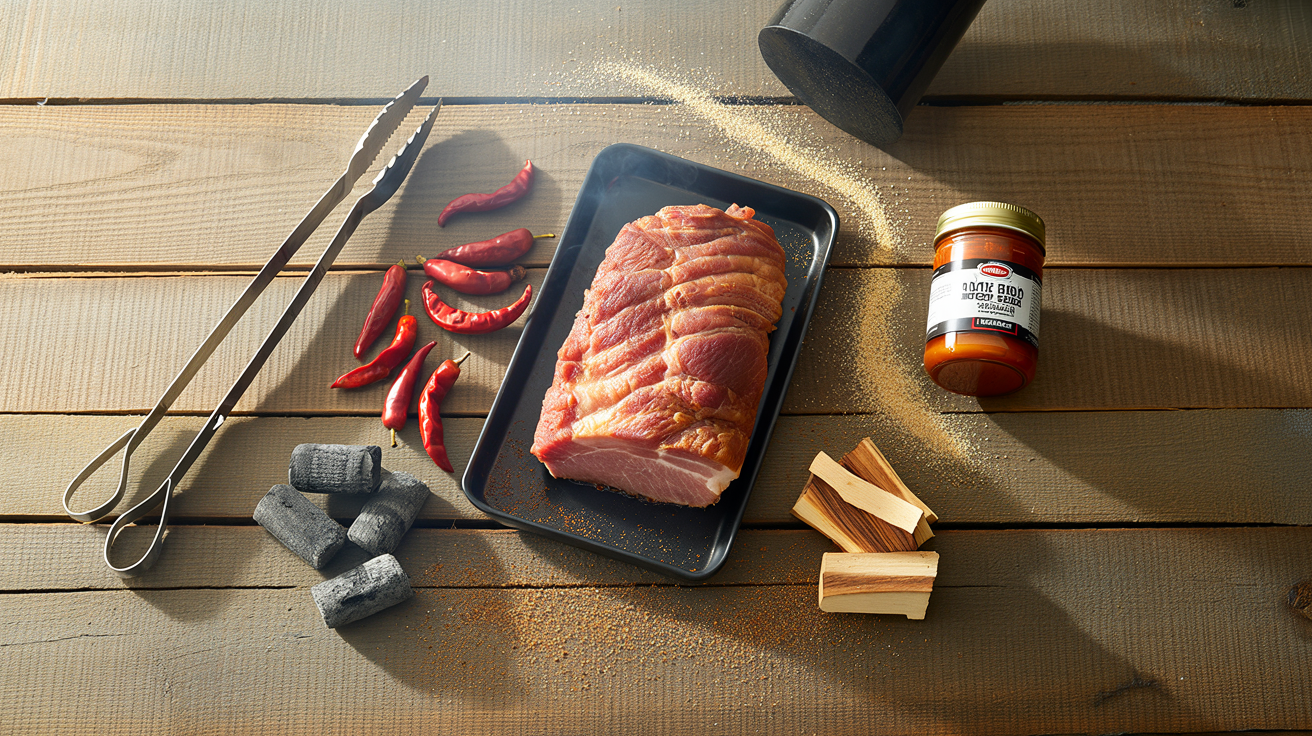
| 7 lbs | bone-in pork shoulder picnic roast | skin-on for maximum bark development |
| 3 tablespoons | brown sugar | light or dark both work great |
| 2 tablespoons | smoked paprika | not regular paprika – smoked is key |
| 1 tablespoon | kosher salt | coarse grain for better bark adhesion |
| 1 tablespoon | black pepper | freshly cracked for bold flavor |
| 1 tablespoon | garlic powder | not garlic salt |
| 1 tablespoon | onion powder | adds savory depth to the rub |
| 1 teaspoon | cayenne pepper | adjust up or down to your heat preference |
| 1 teaspoon | dried mustard powder | helps the bark develop and bind |
| 2 tablespoons | yellow mustard | used as a binder – you will not taste it after smoking |
| 4 chunks | hickory or apple wood chunks | hickory for bold flavor, apple for sweeter smoke |
| 1 cup | apple juice | for the spritz bottle and optional foil wrap |
| 1 cup | apple cider vinegar | mixed with apple juice for spritzing |
Instructions
Nutrition (per serving)
The BBQ Story Behind This Recipe
The pork picnic roast has deep roots in American BBQ tradition, particularly across the South where whole hog cooking and pork shoulder smoking have been community rituals for centuries. Southern pitmasters long recognized that the tougher, harder-working muscles of the pig responded beautifully to long, slow cooking over hardwood coals. The picnic cut, being the lower half of the front leg, was often considered a humble cut – affordable, bone-in, and loaded with the kind of connective tissue that most people did not know how to handle. Pitmasters, however, knew exactly what to do with it: give it time, give it smoke, and let the fire transform it into something extraordinary.
Regional BBQ styles across the Carolinas, Tennessee, and Texas each put their own stamp on smoked pork shoulder traditions. In the Carolinas, whole shoulders and picnic cuts were slow-cooked over hickory or oak coals and finished with vinegar-based sauces that cut through the richness of the pork. In Memphis, dry rubs took center stage, letting the bark carry all the flavor without any sauce at all. Texas pitmasters leaned on post oak smoke and minimal seasoning, trusting the meat and the fire to do the talking. All of these traditions share one common thread: patience, smoke, and respect for the process. This smoked pork picnic recipe honors all of them.
Hot Off the Grill
A Closer Look
Pitmaster Tips for Best Results
- Always bring your pork picnic close to room temperature for 30 minutes before it goes on the smoker – cold meat from the refrigerator takes longer to start climbing in temp and can cause uneven cooking near the bone.
- For the best smoke ring, do not wrap your meat too early. Let it smoke unwrapped for at least 5 to 6 hours so the myoglobin in the meat has maximum exposure to the nitrogen dioxide in the smoke, which is what creates that beautiful pink ring.
- Keep a full charcoal chimney ready and partially lit throughout the cook so you can add hot coals quickly without dropping your smoker temp below 200 degrees when you need to replenish.
- If your bark feels soft or wet when you touch it around hour 6 or 7, leave the smoker lid alone and stop spritzing for the next 90 minutes – you need the surface to dry out and firm up for proper bark formation.
- After pulling the pork, pour any accumulated juices from the foil wrap back over the pulled meat and toss it all together – those drippings are liquid gold and add incredible moisture and flavor to every bite.
🔧 Pitmaster Equipment
Offset Smoker or Kettle Grill: Provides the indirect heat and airflow needed for a true low and slow cook over 10 to 12 hours.
Instant Read Thermometer: Essential for monitoring internal temp and knowing when your picnic has hit that magic 200 to 205 degree sweet spot.
Wireless Probe Thermometer: Lets you monitor the internal temp without opening the smoker lid and losing precious heat and smoke.
Long Tongs and Heat Resistant Gloves: Keep your hands safe when managing wood chunks, adjusting the meat, and handling the hot grate.
Aluminum Drip Pan: Catches drippings, helps regulate moisture in the cook chamber, and keeps cleanup manageable.
Spray Bottle: Filled with apple juice or apple cider vinegar for spritzing the bark every 90 minutes to build color and moisture.
Large Cutting Board: You need a sturdy, spacious surface for resting and pulling this large cut of meat after the cook.
Chimney Starter: Gets your charcoal lit quickly and evenly without lighter fluid that can affect your smoke flavor.
🔥 Variations
Pellet Grill Version: Set your pellet grill to 225 degrees and use hickory or competition blend pellets for a rich smoke profile. Follow the exact same rub, timing, and temp targets. Pellet grills run clean and consistent, so you can expect a slightly milder smoke flavor – compensate by adding a smoke tube filled with pellets to boost the smoke output during the first 4 hours of the cook.
Gas Grill Version: Set up your gas grill for indirect heat by lighting only one or two burners on one side and placing the roast on the unlit side. Place a smoker box loaded with soaked hickory or apple chips directly over a lit burner. Maintain 225 to 250 degrees by adjusting your burner knobs and replace the wood chips every 45 minutes. Expect a lighter smoke flavor than charcoal or wood, but the bark and tenderness will still be outstanding.
Carolina Style Version: After pulling the pork, skip the sweet BBQ sauce and toss the meat with a vinegar-based finishing sauce made from apple cider vinegar, red pepper flakes, brown sugar, and a pinch of salt. This is Eastern Carolina tradition at its finest – the tangy acidity cuts through the richness of the pork and makes every bite bright and addictive.
Competition Style Injection Version: Before applying the rub, inject the pork picnic with a mixture of apple juice, melted butter, brown sugar, and a splash of hot sauce using a meat injector. Inject in a grid pattern about 1 inch apart across the entire roast. This builds incredible moisture and flavor from the inside out and is the secret weapon of many competition BBQ teams.
❓ Pitmaster FAQ
What internal temperature should smoked pork picnic reach?
For pulled pork, you want to cook the pork picnic to an internal temp of 200 to 205 degrees Fahrenheit. At this temperature, the collagen has fully converted to gelatin and the meat pulls apart effortlessly. The USDA minimum for pork safety is 145 degrees, but for pulling purposes you need to push well beyond that to achieve the right texture. Use an instant read or probe thermometer and make sure you are reading the thickest part of the meat away from the bone.
How long does it take to smoke a pork picnic roast?
Plan on approximately 1.5 hours of cook time per pound of meat at 225 degrees Fahrenheit. A 7-pound pork picnic roast will typically take 10 to 12 hours from start to finish. Always cook to internal temp rather than by time alone, since every piece of meat and every smoker runs differently. Add at least 1 to 2 hours of resting time on top of your cook time when planning your meal.
What is the difference between a pork picnic and a pork butt?
Both cuts come from the front shoulder of the pig, but they are different portions. The pork butt, also called the Boston butt, comes from the upper shoulder and is typically boneless or has a smaller bone. The pork picnic comes from the lower portion of the front leg and is usually sold bone-in with the skin still on. The picnic has more connective tissue and skin, which makes it ideal for long smoking sessions and results in incredible bark development when the skin is left on.
Can I smoke a pork picnic the day before and reheat it?
Absolutely, and many pitmasters prefer it this way. Pull the pork after resting, portion it into airtight containers, and refrigerate overnight. The next day, reheat it in a covered pan in a 300 degree oven with a splash of apple juice or reserved drippings to restore moisture. You can also reheat it in a slow cooker on low for 2 to 3 hours. The flavor often deepens and improves overnight, making this a great make-ahead option for large gatherings.
What wood is best for smoking pork picnic?
Hickory is the classic choice for pork – it delivers a bold, bacon-like smoke flavor that complements the rich fat content of the picnic cut beautifully. Apple wood is a fantastic alternative if you prefer a milder, slightly sweet smoke. Many pitmasters use a combination of hickory and apple to get the best of both worlds. Avoid mesquite for long cooks as it can become overpowering and bitter over a 10 to 12 hour smoke session.
Should I remove the skin from a pork picnic before smoking?
For the best bark development, leave the skin on but score it in a deep crosshatch pattern before applying your rub. The scored skin allows the fat beneath it to render and baste the meat, and the skin itself crisps up into a deeply flavorful part of the bark. If you prefer the rub to contact the meat directly all the way around, you can remove the skin entirely before seasoning, but you will sacrifice some of the fat protection and basting effect during the cook.