
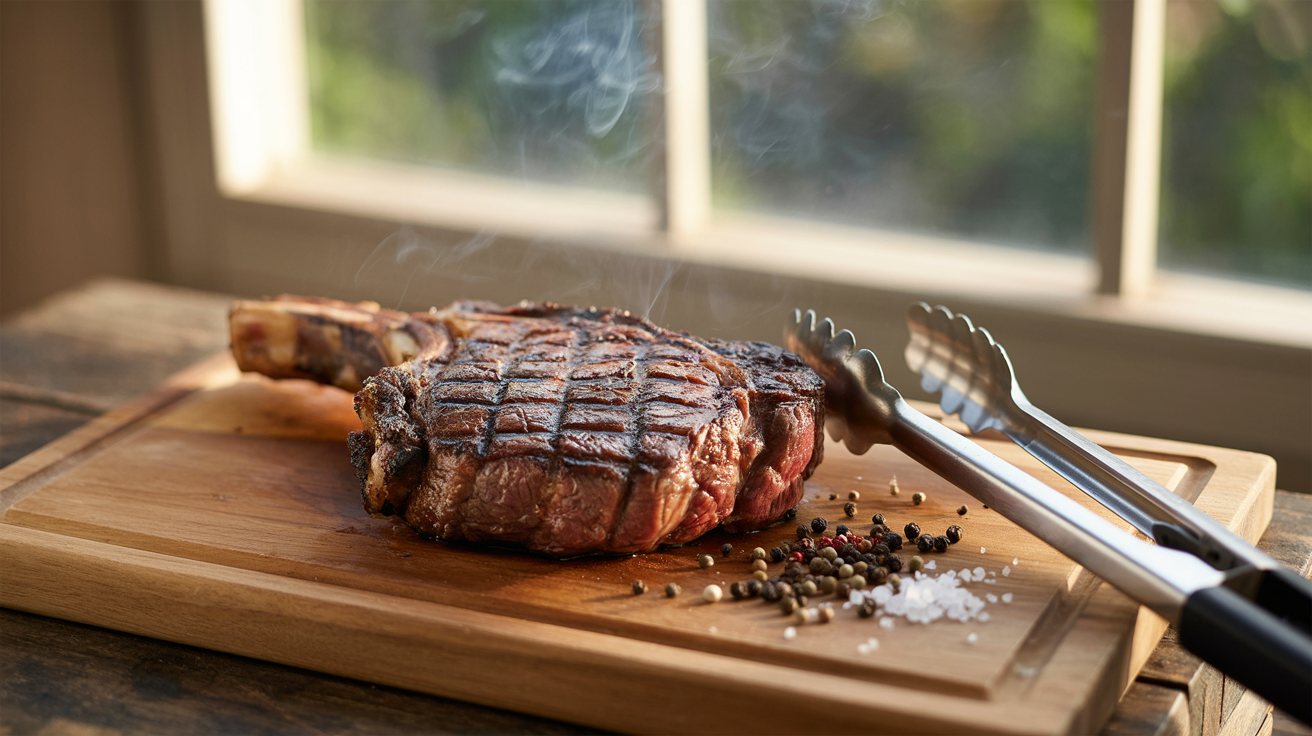
How to Grill Ribeye Steak - Perfect BBQ Technique
Ingredients
Method
- Remove ribeye steaks from refrigerator 30-45 minutes before grilling to bring to room temperature. Pat completely dry with paper towels and coat lightly with olive oil. Season generously with kosher salt, black pepper, and garlic powder if using. The salt will start to draw moisture and then reabsorb, creating better flavor penetration.
- Fire up the grill and set up a two-zone cooking area. For charcoal, pile coals on one side for direct high heat around 450-500°F. For gas, set one side to high and the other to medium. Clean and oil the grates to prevent sticking.
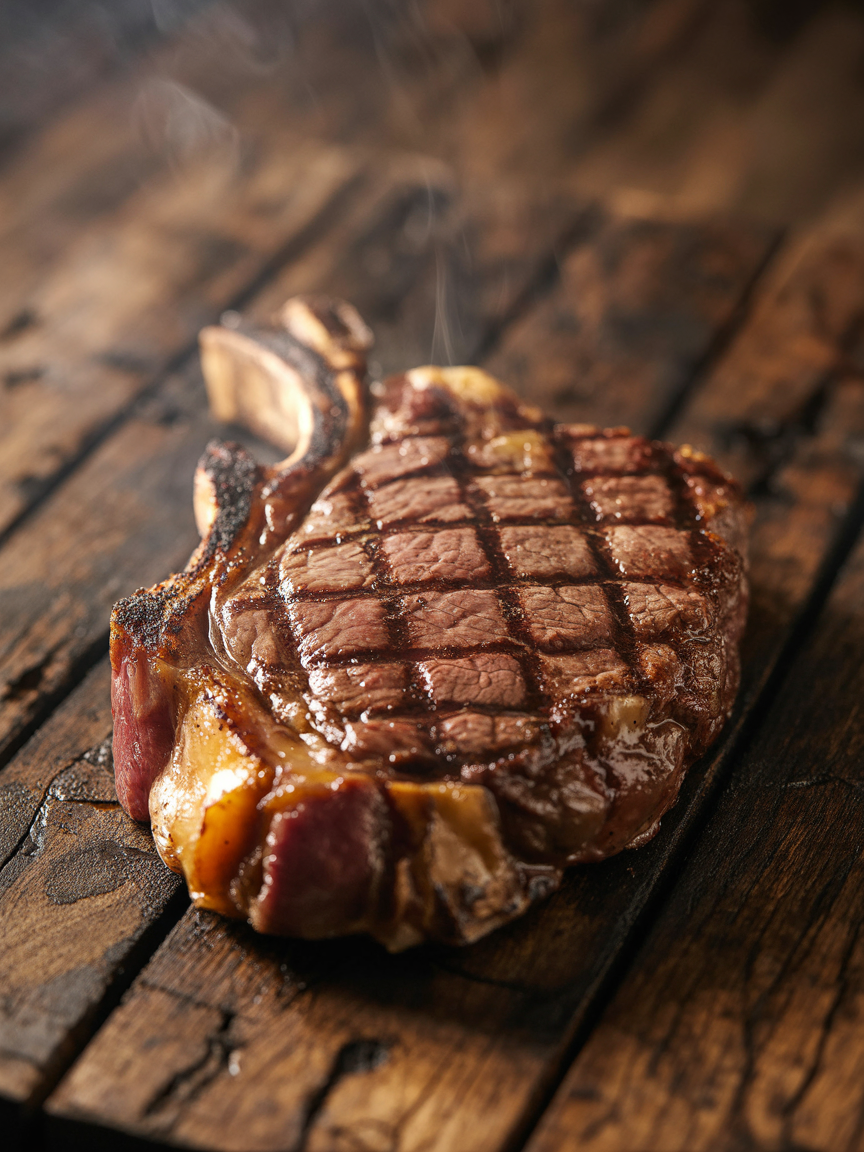
- Place ribeye steaks over direct high heat and sear for 3-4 minutes without moving them. You want to develop a good crust and grill marks. Flip once and sear the other side for another 3-4 minutes. This initial sear locks in the juices and creates that signature bark.
- Move steaks to the cooler side of the grill for indirect cooking. Continue grilling until internal temp reaches 120-125°F for medium-rare, 130-135°F for medium, or your desired doneness. This should take another 4-6 minutes depending on thickness.
- Remove steaks from grill and top each with a pat of butter. Rest the meat for 5-10 minutes tented loosely with foil. This resting period allows the juices to redistribute throughout the steak, ensuring every bite is tender and juicy.
- Slice against the grain if desired and serve immediately. The internal temp will rise another 5 degrees during resting, so factor this into your target temperature.
Nutrition
Knowing how to grill ribeye steak properly separates the backyard cooks from the true pitmasters. This premium cut with its beautiful marbling demands respect and the right technique to unlock its full potential. When you master the art of grilling ribeye, you control both the fire and the final internal temp to create that perfect balance of charred exterior and juicy pink interior.
The secret lies in understanding your grill zones and letting the meat tell you when it is ready. We are talking about a two-zone setup with high direct heat for the sear and moderate indirect heat for the finish. Your internal temp is your guide, but the feel and look of the steak will become second nature once you dial in the technique.
Tonight, we are going to walk through every step from selecting the right cut to letting it rest after cooking. By the time you flip that last steak off the grates, you will have the confidence to grill ribeye like a seasoned pitmaster every single time.
How to Grill Ribeye Steak – Perfect BBQ Technique
Learning how to grill ribeye steak perfectly takes technique but delivers restaurant-quality results every time. Get that perfect char and juicy interior with proper temperature control. Fire up the grill and become the neighborhood steak master tonight.
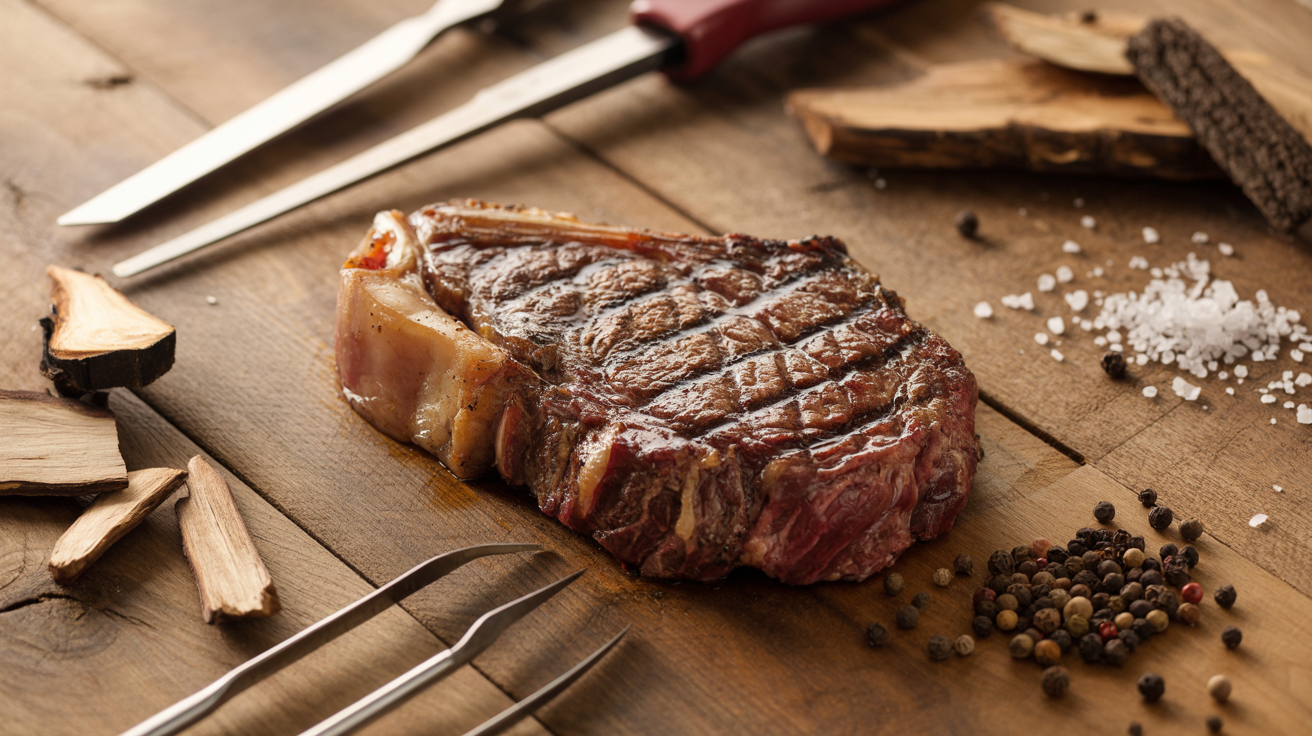
Ingredients
| AMOUNT | INGREDIENT | NOTES |
|---|---|---|
| 4 pieces | ribeye steaks | 1-1.5 inches thick, at room temperature |
| 2 tablespoons | kosher salt | for seasoning |
| 1 tablespoon | black pepper | coarsely ground |
| 2 tablespoons | olive oil | for coating steaks |
| 2 tablespoons | garlic powder | optional for extra flavor |
| 4 tablespoons | butter | for finishing |
Instructions
Nutrition (per serving)
The BBQ Story Behind This Recipe
The ribeye cut comes from the rib section of beef and has been a favorite among American grill masters for decades. This well-marbled section delivers incredible flavor when cooked over open flame, making it a staple at backyard barbecues and steakhouses alike. The fat content in ribeye makes it forgiving on the grill while delivering that rich, beefy flavor we all crave.
Grilling ribeye over charcoal became an art form in American BBQ culture during the mid-20th century. Pitmasters discovered that the high heat and smoky flavor from charcoal created the perfect environment for developing that coveted crust while keeping the interior tender and juicy. Today, whether you are cooking over charcoal, gas, or pellets, the fundamentals remain the same – high heat, proper timing, and respect for the meat.
Hot Off the Grill
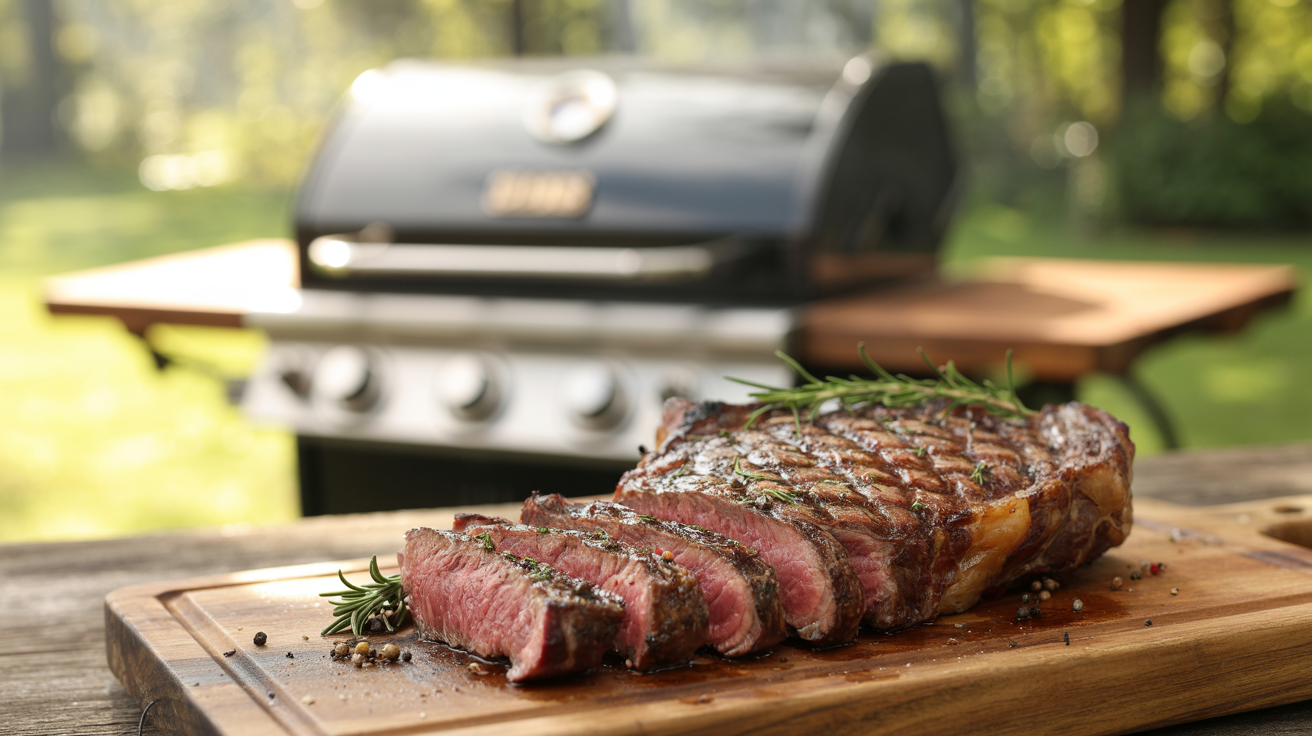
A Closer Look
Pitmaster Tips for Best Results
- Always let your ribeye come to room temperature before grilling – cold steaks cook unevenly and can be tough
- Use the two-zone method to get perfect sear marks without overcooking the interior
- Never press down on steaks with a spatula – this pushes out the precious juices
- Trust your instant read thermometer over timing – thickness and grill temperature can vary
- Rest the meat for at least 5 minutes after cooking to allow juices to redistribute for maximum tenderness
🔧 Pitmaster Equipment
Charcoal Grill or Gas Grill: Essential for high-heat searing and proper temperature zones.
Instant Read Thermometer: Critical for hitting perfect internal temperatures without guessing.
Long-Handled Tongs: Keep hands safe while flipping steaks over high heat.
Grill Brush: Clean grates prevent sticking and ensure proper sear marks.
🔥 Variations
Pellet Grill Version: Set your pellet grill to 450°F and follow the same searing technique. The wood pellets will add subtle smoke flavor to complement the beef.
Gas Grill Version: Preheat one side to high heat and use the same two-zone method. Consider adding a smoker box with wood chips for extra flavor.
Cast Iron Finish: Sear on the grill then transfer to a cast iron skillet with butter, garlic, and herbs for restaurant-style basting.
❓ Pitmaster FAQ
What internal temperature should ribeye reach?
For medium-rare, target 125°F internal temp. Medium is 135°F. Remember the temperature will rise 5 degrees during resting.
How thick should my ribeye steaks be?
Aim for 1 to 1.5 inches thick. Thinner steaks cook too quickly and can overcook before developing a good crust.
Should I marinate ribeye steaks?
Ribeye has excellent natural marbling and flavor, so simple salt and pepper seasoning is often best. If marinating, keep it under 2 hours to avoid breaking down the meat texture.
Can I grill frozen ribeye steaks?
Always thaw steaks completely before grilling. Frozen steaks will cook unevenly and won’t develop proper grill marks or crust.