
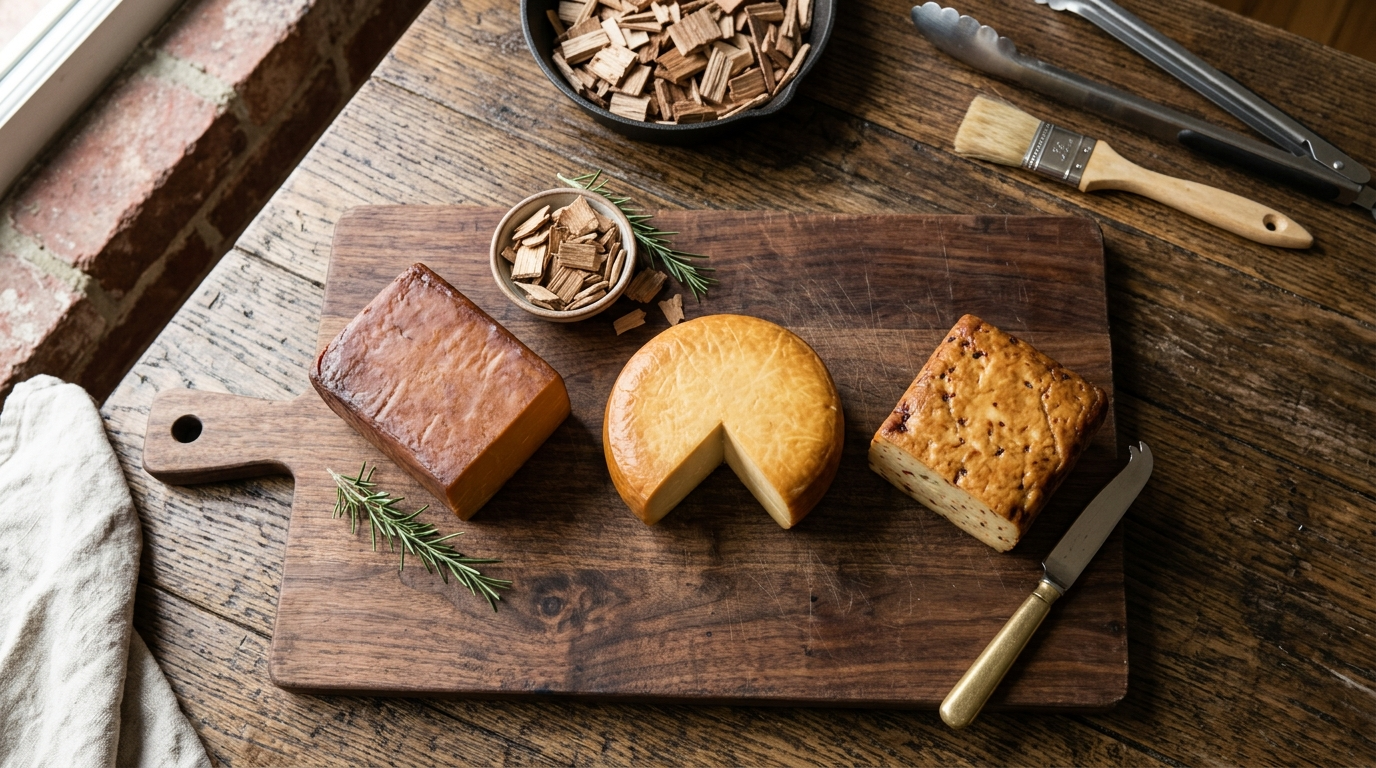
How to Smoke Cheese at Home - Easy Cold Smoke Guide
Ingredients
Method
- Pull your cheese blocks out of the refrigerator and set them on a wire cooling rack at room temperature for 1 to 2 hours before smoking. This step is critical - cold cheese pulled straight from the fridge will develop heavy condensation inside the smoker, which causes the smoke to stick unevenly and can create a bitter, acrid flavor on the surface. You want the cheese to come up to room temperature so moisture forms evenly and smoke adheres properly across the entire surface.
- Set up your smoker for cold smoking. The target ambient temperature inside the smoker is between 68 and 90 degrees Fahrenheit - never above 90 or you risk melting the cheese. On a kettle grill, this means no charcoal fire at all. Load your A-MAZE-N pellet tube or maze smoker with a blend of apple and cherry wood pellets, light one end with a torch, and let it catch for about 10 minutes before blowing out the flame. The pellets will smolder and produce a steady stream of clean, cool smoke for 2 to 4 hours. On an offset smoker, use a very small fire of mild wood chunks far from the cooking chamber to produce smoke without excess heat.
- If you are smoking on a warm day and your ambient smoker temp is creeping above 80 degrees Fahrenheit, place a foil pan filled with ice cubes on the lower grate directly below where your cheese will sit. This acts as a heat sink and keeps the environment cool enough for cold smoking. Check the ice every 45 minutes and replenish as needed. Temperature management is everything with cold smoked cheese - treat it like you would treat fire management during a long brisket cook.
- Place your cheese blocks directly on the wire cooling rack inside the smoker, making sure the blocks are not touching each other. You want at least 1 inch of clearance on all sides so smoke can circulate freely around every surface. Position the rack in the area of the smoker with the most consistent airflow but the least direct exposure to any heat source. Close the lid and let the low and slow smoke work its magic.
- Smoke the cheese for 2 hours for a lighter, more subtle smoke flavor, or up to 4 hours for a bold, assertive smoke profile. During the smoke, resist the urge to open the lid too frequently - every time you open the smoker you lose smoke and risk temperature spikes. Check the setup every 45 to 60 minutes to monitor your pellet tube, replenish ice if needed, and verify your ambient temp with an instant read thermometer held at grate level near the cheese.
- After the first hour of smoking, use long tongs to flip each block of cheese over to ensure even smoke penetration on all sides. The surface of the cheese should be developing a light golden to amber color on the side that was facing up - this is your visual cue that the smoke is doing exactly what it is supposed to do. Rotate the blocks 90 degrees as well so any edge facing a pellet tube gets equal exposure.
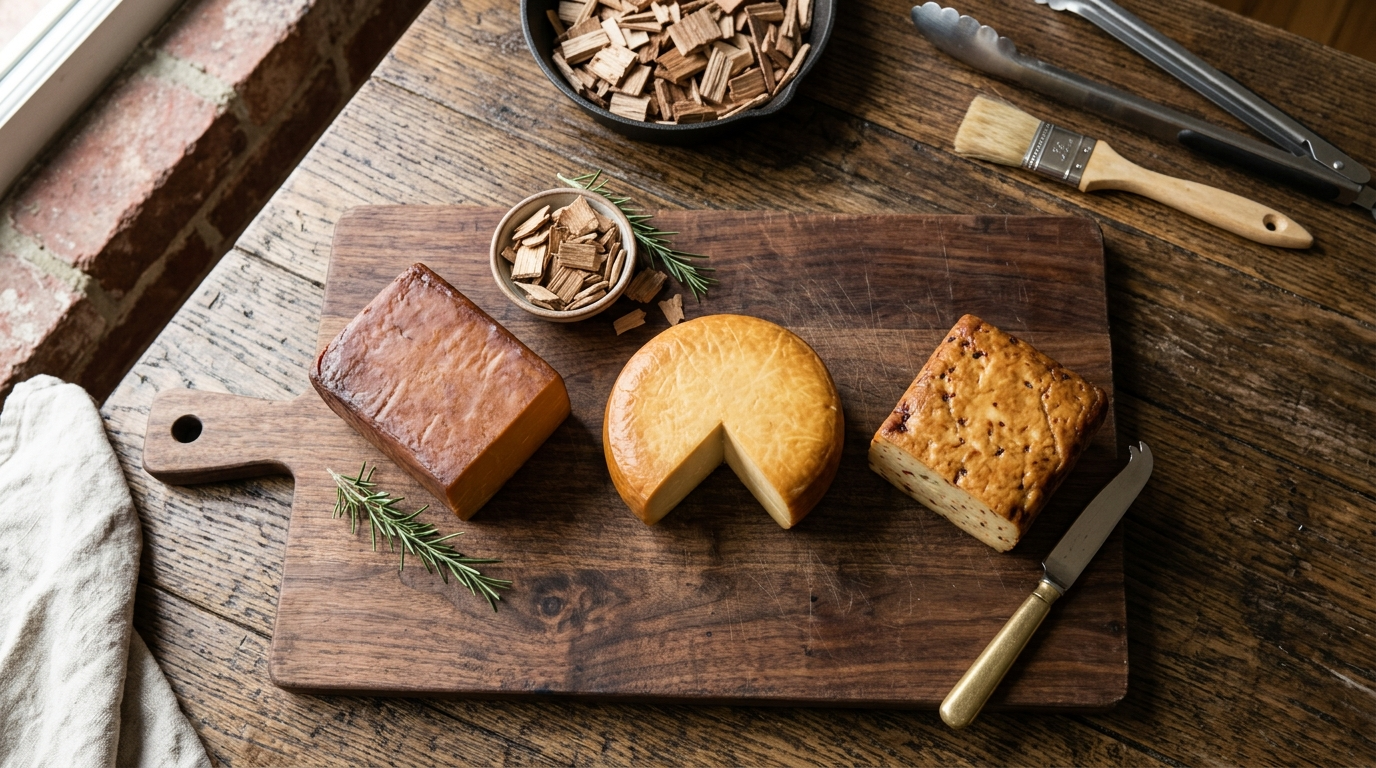
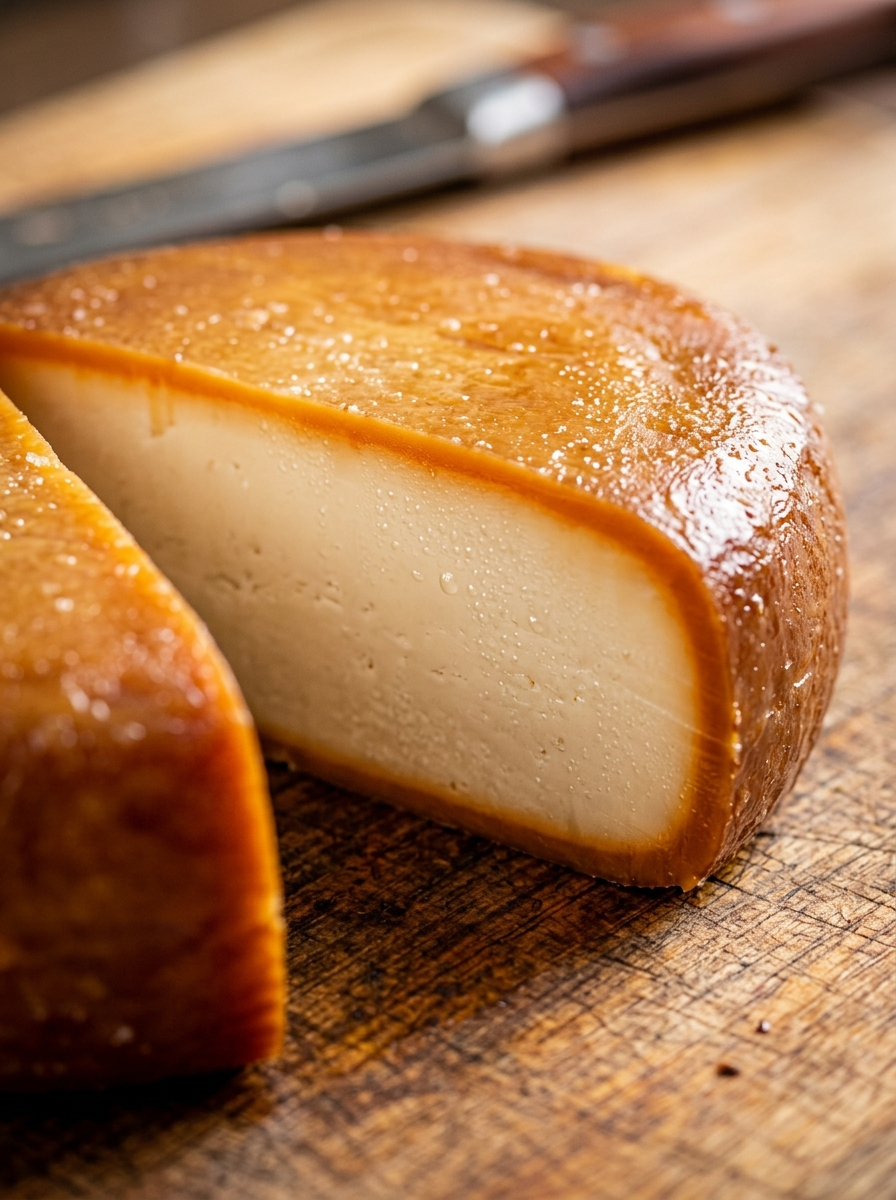
- At the end of your smoke session, remove the cheese from the smoker and examine each block. The surface should have taken on a beautiful amber to light brown color - similar to a bark on a slow-smoked brisket but far more delicate. The cheese itself will still feel firm and cool to the touch. Do not be tempted to taste it right now - the flavor is raw and harsh right off the smoker and needs time to develop.
- Wrap each block of smoked cheese loosely in butcher paper or unwaxed parchment paper. Do not use plastic wrap for the first 24 hours - the cheese needs to breathe and off-gas some of that initial harsh smoke. Place the wrapped blocks in the refrigerator and let them rest for a minimum of 24 hours. Forty-eight hours is even better. After the rest period, you can transfer the cheese to an airtight container or vacuum-seal bag for longer storage. The flavor will continue to improve and mellow for up to 2 weeks in the refrigerator.
Nutrition
If you have ever wondered how to smoke cheese at home, let me tell you right now – it is one of the most rewarding and surprisingly simple projects you can tackle on your smoker. No high heat, no internal temp to chase, no resting the meat afterward. Just pure, patient, low and slow smoke magic working its way into a block of your favorite cheese over the course of two to four hours. The result is a deeply complex, wood-kissed flavor that store-bought smoked cheese simply cannot match.
The key to successful smoked cheese is temperature control. You never want your smoker running above 90 degrees Fahrenheit during the process. Any hotter than that and your cheese starts to sweat, melt, and lose all of those beautiful fats that make it so rich and creamy. We are talking true cold smoking here – a technique that infuses smoke flavor without applying cooking heat. Whether you are working with a charcoal smoker, a pellet grill, or even a standard kettle grill, you can make this happen with the right setup and a little patience.
The best part? Once you pull that cheese off the smoker, it only gets better with time. A 24 to 48 hour rest in the refrigerator wrapped in butcher paper allows the smoke to mellow and penetrate deeper into the block, creating that signature bark-like exterior with a silky, smoky interior. I have been smoking cheese for over a decade and I can tell you flat out – once you go homemade smoked cheese, you do not go back to the store-bought stuff.
How to Smoke Cheese at Home – Easy Cold Smoke Guide
Learning how to smoke cheese at home unlocks a whole new world of bold, wood-fired flavor without breaking the bank. This pitmaster-tested cold smoking method works on any cheese and delivers results that will blow your mind. Fire up the smoker today and taste the difference.

Ingredients
| AMOUNT | INGREDIENT | NOTES |
|---|---|---|
| 2 lbs | block cheddar cheese | sharp or extra sharp, cut into 3 to 4 inch blocks no thicker than 2 inches for best smoke penetration |
| 1 lb | smoked Gouda cheese | block form, rind removed for better smoke absorption |
| 1 lb | pepper jack cheese | firm block style works best for cold smoking |
| 1 lb | mozzarella cheese | low moisture block style, not fresh mozzarella |
| 1 cup | apple wood pellets | or cherry, hickory, or pecan – mild fruitwoods work best for most cheeses |
| 1 cup | cherry wood pellets | mix with apple pellets for a sweeter, more complex smoke profile |
| 1 tray | ice cubes | for hot weather smoking to keep smoker temp below 90 degrees Fahrenheit |
Instructions
Nutrition (per serving)
The BBQ Story Behind This Recipe
Cold smoking is one of the oldest food preservation techniques known to humanity, dating back thousands of years before refrigeration was ever a concept. Cultures across Europe, Scandinavia, and the Americas used wood smoke not just for flavor but as a way to extend the shelf life of perishable foods like fish, meat, and dairy. Smoked cheese in particular has deep roots in the Alpine regions of Europe, where cheesemakers would hang wheels of cheese in smokehouses fed by slow-burning beechwood and cherry wood fires for days at a time. Those ancient traditions gave us icons like smoked Gouda, smoked Gruyere, and the beloved German Rauchkase – a beechwood-smoked cheese with a flavor profile unlike anything else in the dairy world.
In American BBQ culture, smoked cheese found its home as the ultimate pitmaster side project – something you could run on the smoker during a long brisket cook when the fire was already going and the temps were dialed in low. Backyard pitmasters across the South and Midwest started experimenting with cold smoking blocks of cheddar, mozzarella, and pepper jack on their offset smokers and kettle grills, layering regional wood choices like hickory, apple, and pecan into their cheese for a uniquely American take on this ancient craft. Today, homemade smoked cheese is a staple of BBQ competition cheese boards, craft charcuterie platters, and weekend cookout spreads from Texas to Tennessee.
Hot Off the Grill

A Closer Look
Pitmaster Tips for Best Results
- Keep your smoker ambient temperature between 68 and 90 degrees Fahrenheit at all times – above 90 degrees the cheese starts to sweat and lose fat, ruining the texture and leaving greasy puddles on your grates.
- Smoke cheese on cool days when possible – early morning sessions in fall or winter make temperature control effortless. If you live somewhere warm, do your cheese smoking at night or store a backup tray of ice nearby.
- Mild fruitwoods like apple, cherry, and peach produce the best results on most cheeses. Reserve heavier woods like hickory and mesquite for bold cheeses like extra sharp cheddar or aged provolone – a heavy hickory smoke on a mild mozzarella can taste medicinal and overpowering.
- Always let your smoked cheese rest for at least 24 hours before serving. Right off the smoker the flavor is harsh and one-dimensional. After a proper rest in the refrigerator, the smoke mellows, the flavors integrate, and you get that smooth, complex wood-kissed profile that makes homemade smoked cheese legendary.
- For extra flavor development, vacuum seal your rested smoked cheese and let it sit for 1 to 2 weeks. The smoke continues to penetrate deeper into the block during this extended rest, creating a richer, more balanced flavor profile that commercial smoked cheeses simply cannot replicate.
🔧 Pitmaster Equipment
Charcoal Kettle Grill or Offset Smoker: Provides the controlled, indirect smoking environment needed to keep temps below 90 degrees Fahrenheit during cold smoking.
A-MAZE-N Pellet Tube Smoker or Maze Smoker: Generates cool, consistent smoke without producing significant heat – the gold standard tool for cold smoking cheese at home.
Instant Read Thermometer: Critical for monitoring the ambient temperature inside your smoker to ensure it stays below 90 degrees Fahrenheit throughout the process.
Wire Cooling Rack: Elevates the cheese above the grill grates to allow smoke to circulate on all sides evenly.
Butcher Paper or Parchment Paper: Used to wrap the finished smoked cheese during the resting phase, allowing it to breathe while the smoke flavor settles and develops.
Long Tongs: Keep your hands safe while positioning cheese and managing any adjustments inside the smoker.
Small Bag of Ice: Placed in a pan inside the smoker on hot days to help keep ambient temps below 90 degrees Fahrenheit during warmer weather smoking sessions.
🔥 Variations
Pellet Grill Version: Set your pellet grill to its lowest smoke or super smoke setting and monitor the ambient temperature carefully. Many pellet grills run between 150 and 180 degrees Fahrenheit even on low settings, which is too hot for cold smoking cheese. Use a pellet tube smoker inside the grill with the grill itself turned completely off, or add a large tray of ice to bring temps down below 90 degrees Fahrenheit. Apple and cherry pellets work beautifully in this setup.
Kettle Grill Cold Smoke Version: A standard 22-inch kettle grill is actually one of the best tools for cold smoking cheese at home. Place a lit A-MAZE-N pellet tube on the lower charcoal grate, set the cheese on the upper cooking grate on a wire rack, and close the lid with the vents cracked about halfway. No charcoal needed at all – the pellet tube does all the work and the kettle holds smoke beautifully.
Smoker Box Method for Gas Grill: Fill a cast iron smoker box with soaked wood chips and place it directly over one burner set to low. Turn off all other burners and set the cheese on the cool side of the grill on a wire rack. Monitor your ambient temp closely and adjust the active burner to keep things below 90 degrees Fahrenheit. This method requires more attention but delivers excellent results.
Spiced and Herbed Smoked Cheese: Before smoking, coat the outside of your cheese blocks with a light dusting of your favorite BBQ rub, cracked black pepper, smoked paprika, or dried herbs like rosemary and thyme. The smoke binds these flavors to the surface of the cheese during the cold smoking session, creating an incredible crust with layered complexity that is absolutely stunning on a charcuterie board.
Smoked Cream Cheese: Smoked cream cheese has taken the BBQ world by storm. Place a block of full-fat cream cheese on a small cast iron skillet or foil tray, score the top in a crosshatch pattern, dust with your favorite BBQ rub, and cold smoke for 2 hours. The result is a smoky, savory, spreadable dip that pairs perfectly with crackers, smoked meats, and pickles.
❓ Pitmaster FAQ
What is the best temperature for smoking cheese at home?
The ideal ambient temperature inside your smoker for cold smoking cheese is between 68 and 90 degrees Fahrenheit. Never let temps exceed 90 degrees or the cheese will begin to sweat, melt, and lose its fat content. Use a pellet tube smoker with no active heat source, or add a tray of ice to your smoker on warmer days to keep temps in the safe range.
How long should I smoke cheese?
Smoke cheese for 2 hours for a mild, approachable smoke flavor, or up to 4 hours for a bold and assertive wood-smoked profile. The actual smoking time is just part of the equation – the 24 to 48 hour rest in the refrigerator after smoking is equally important for developing the final flavor. Do not skip the rest period.
What wood is best for smoking cheese?
Mild fruitwoods like apple, cherry, and peach are the top choices for most cheeses because they produce a sweet, clean smoke that complements rather than overpowers dairy flavors. For bold, sharp cheeses like aged cheddar or provolone, you can experiment with pecan or a light hickory blend. Avoid mesquite entirely for cheese – it is far too aggressive for cold smoking dairy.
Can I smoke any type of cheese?
Almost any firm to semi-firm block cheese cold smokes beautifully. Cheddar, Gouda, mozzarella, pepper jack, provolone, Gruyere, Swiss, and Monterey Jack are all excellent candidates. Avoid very soft cheeses like brie or fresh mozzarella as they do not hold their shape during the smoking process. Low moisture, firm block-style cheeses are always your best bet.
Why does my smoked cheese taste bitter right off the smoker?
Bitter or harsh flavor right off the smoker is completely normal and does not mean anything went wrong. That harsh edge comes from volatile compounds in the smoke that have not yet had time to mellow and integrate with the cheese. Wrapping the cheese in butcher paper and resting it in the refrigerator for 24 to 48 hours allows those compounds to off-gas and the flavor to smooth out dramatically. Patience is the most important ingredient in smoked cheese.
How long does homemade smoked cheese last?
After the initial 24 to 48 hour rest wrapped in butcher paper, transfer your smoked cheese to an airtight container or vacuum-seal bag. Properly stored in the refrigerator, homemade smoked cheese lasts 2 to 3 weeks and the flavor actually continues to improve over that time. For longer storage, vacuum-sealed smoked cheese can be frozen for up to 6 months, though the texture may become slightly crumbly after thawing.
Do I need special equipment to smoke cheese at home?
You do not need a dedicated smoker to make excellent smoked cheese at home. A standard 22-inch kettle grill works perfectly with an A-MAZE-N pellet tube smoker, which you can find online for around 20 to 30 dollars. The pellet tube generates consistent smoke without producing significant heat, making it the ideal tool for cold smoking cheese on any grill or smoker setup you already own.