Tri Tip Recipe Santa Maria Style - Bold BBQ Beef
Ingredients
Method
- Pull the tri tip out of the refrigerator 45 to 60 minutes before you plan to cook. Letting it come closer to room temperature ensures more even cooking from edge to center. Pat it completely dry with paper towels - moisture is the enemy of a good bark and dry surface means better crust development on the fire.
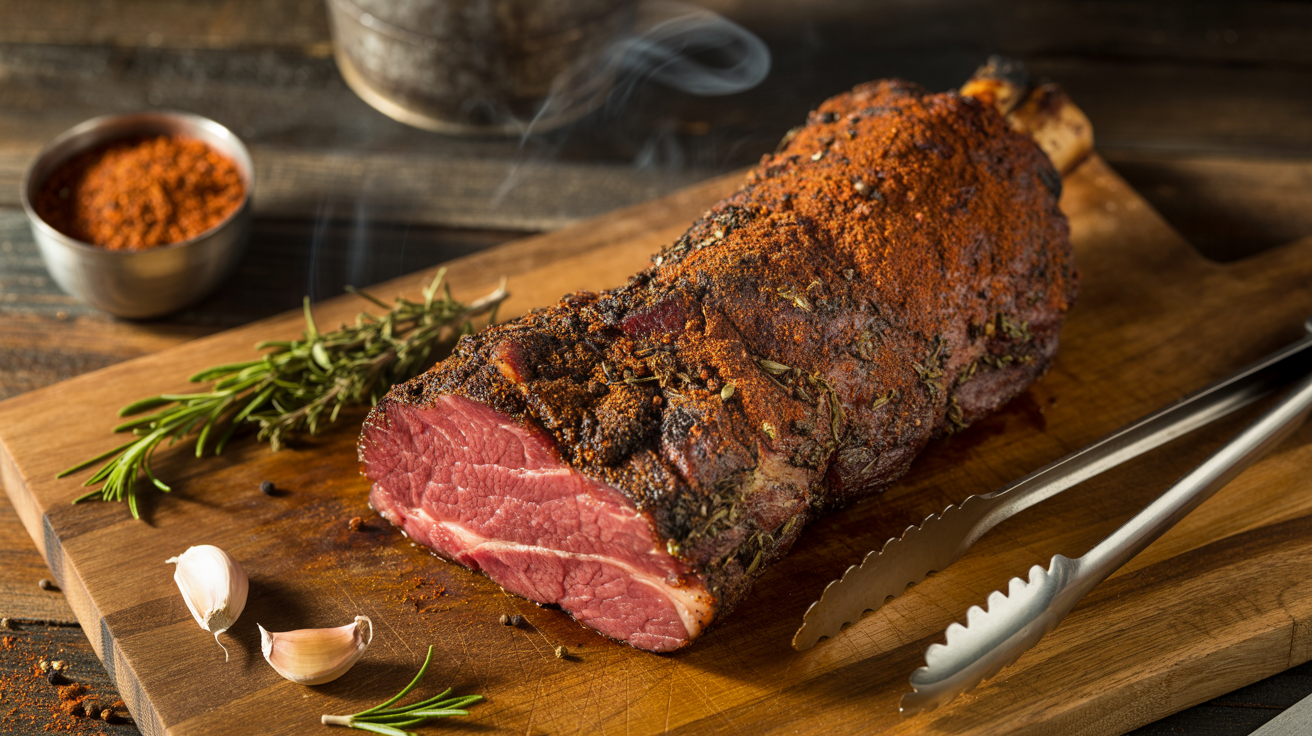
- Mix together the kosher salt, black pepper, garlic powder, onion powder, smoked paprika, dried oregano, and cayenne in a small bowl to create your Santa Maria rub. Coat the tri tip all over with a light layer of olive oil, then apply the rub generously on all sides, pressing it into the meat with your hands so it adheres. Do not be shy - this is a thick roast and it needs that seasoning to penetrate.
- Fire up the grill for a two-zone setup. For charcoal, bank your lit coals to one side of the grill and add your wood chunks directly on top of the coals. Target a grill temp of 250 to 275 degrees Fahrenheit on the indirect side where you will start the cook. For a smoker, get your firebox burning clean with a thin blue smoke before you load the meat. Avoid thick white billowy smoke - it will make the beef taste bitter.
- Place the tri tip fat cap side up on the indirect heat zone of your grill or smoker. Close the lid and let it cook low and slow, maintaining that 250 to 275 degree Fahrenheit range. The fat on top will slowly render down through the meat, basting it from the inside. Do not open the lid more than once every 20 to 25 minutes - heat and smoke are your friends here, and every peek means lost time and temp.
- Monitor the internal temp with your instant read thermometer. You are targeting an internal temp of 110 to 115 degrees Fahrenheit before the sear - this is your cue to get ready for the next phase. At this point the bark should be forming nicely, darkening to a deep reddish-brown with visible seasoning crust on the surface. If you see a smoke ring forming on the edges, you are doing everything right.
- Once the tri tip hits 110 to 115 degrees Fahrenheit internal, pull it off the indirect side and crank your coals or open your vents to bring the direct heat zone up to 450 to 500 degrees Fahrenheit. Sear the tri tip directly over the hot coals for 2 to 3 minutes per side, flipping once, until you get a deep caramelized crust on both faces. Watch for flare-ups from the fat dripping - use your tongs to move the meat slightly if flames get aggressive.
- Pull the tri tip off the grill when the internal temp reads 130 to 132 degrees Fahrenheit for a perfect medium-rare finish. Carryover cooking will bring it up to 135 degrees Fahrenheit during the rest. Place it on a cutting board and tent loosely with foil - do not wrap it tight or you will steam off that beautiful bark. Rest the meat for a minimum of 10 to 15 minutes. This is not optional. If you slice too early you will lose half your juices onto the cutting board.
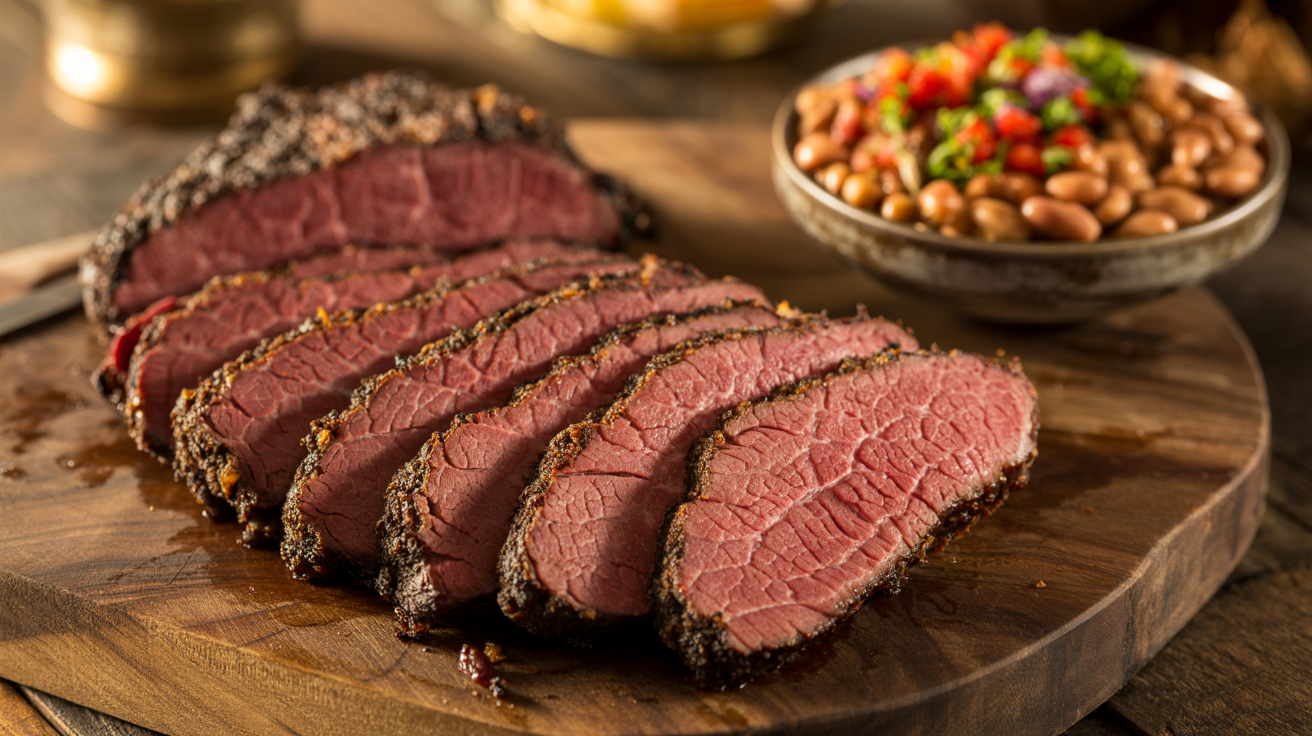
- Slicing tri tip correctly is just as important as cooking it right. The grain of a tri tip changes direction roughly in the middle of the roast, so study the meat before you cut. Slice against the grain in thin cuts about a quarter inch thick. Cut one half of the roast, then rotate the other half 90 degrees and slice against that grain direction. Serve immediately and watch it disappear.
Nutrition
This tri tip recipe Santa Maria style is the gold standard of California BBQ – a bold, smoky, beautifully crusted cut of beef that has been feeding ranch hands and backyard pitmasters for generations. We are talking about a thick, triangular cut from the bottom sirloin that soaks up a punchy dry rub like nobody is business, then hits the fire at high heat to build a deep mahogany bark before finishing low and slow to a perfect medium-rare internal temp of 130 to 135 degrees Fahrenheit. The result is a lean but incredibly flavorful roast that slices beautifully across the grain and lands on the plate like a showstopper.
What makes this cut special is the way it rewards patience and proper fire management. You are not just throwing meat on a grate and walking away. You are working the fire, reading the smoke, and pulling the roast at exactly the right moment. The Santa Maria tradition calls for red oak wood, which gives the beef a mild, earthy smoke that does not overpower the natural beefy richness. If you cannot find red oak, white oak or hickory will get you close. Either way, expect a gorgeous smoke ring that will make your guests stop mid-conversation and stare.
Plan for about 30 to 45 minutes of cook time per pound at a grill temp around 250 to 275 degrees Fahrenheit during the low and slow phase, followed by a hot sear at 450 to 500 degrees Fahrenheit to lock in that bark. A 2.5 to 3 pound tri tip will take roughly 60 to 75 minutes total from fire to plate. After you pull it, rest the meat for at least 10 to 15 minutes before slicing – this step is non-negotiable if you want those juices to stay inside the beef where they belong.
Tri Tip Recipe Santa Maria Style – Bold BBQ Beef
This tri tip recipe Santa Maria style delivers smoky, bold, perfectly seasoned beef with a gorgeous crust and juicy pink center. Built on California cattle country tradition, this method uses a simple but powerful dry rub and live fire technique that makes every backyard cook look like a seasoned pitmaster. Fire up the grill tonight.
Ingredients
| AMOUNT | INGREDIENT | NOTES |
|---|---|---|
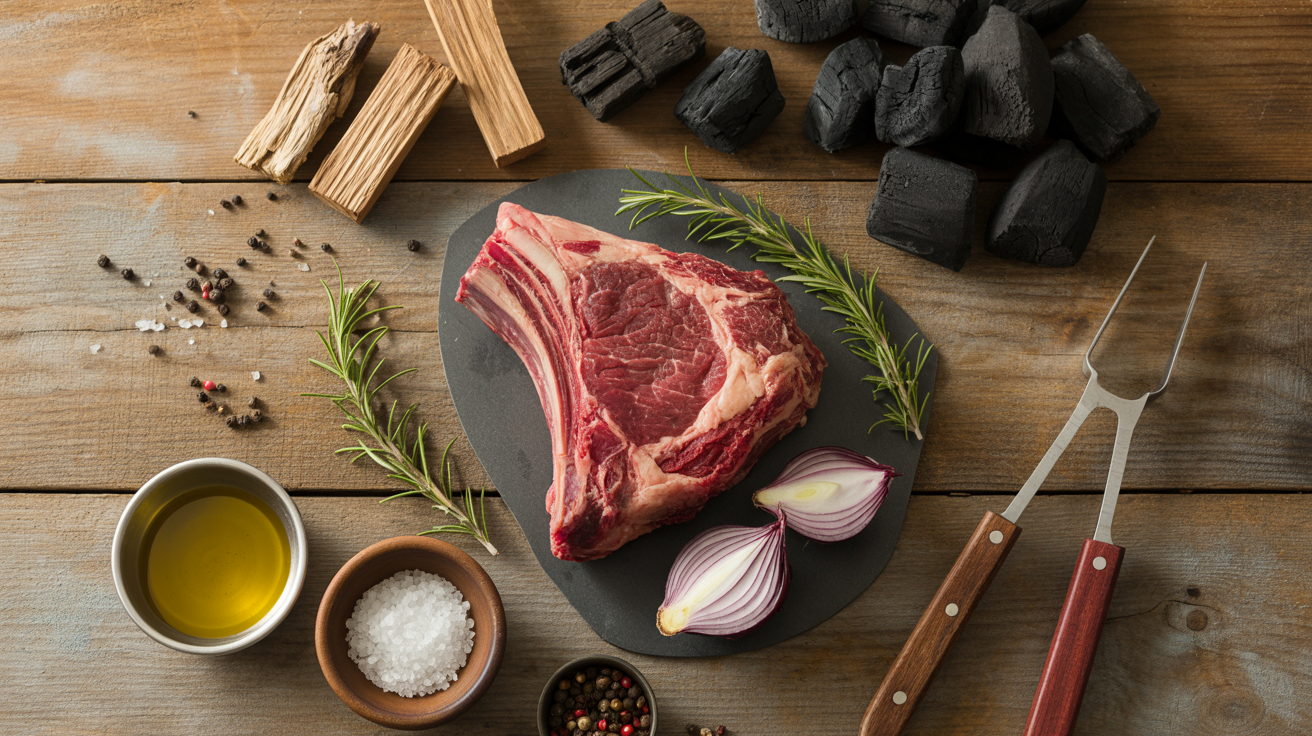
| 1 | whole beef tri tip roast (2.5 to 3 lbs) | fat cap on, choice or prime grade preferred |
| 2 tablespoons | coarse kosher salt | do not use fine table salt |
| 2 tablespoons | coarse black pepper | freshly cracked for best results |
| 1 tablespoon | garlic powder | not garlic salt |
| 1 tablespoon | onion powder | adds depth to the bark |
| 1 teaspoon | smoked paprika | adds color and a touch of smoke |
| 1 teaspoon | dried oregano | traditional Santa Maria ingredient |
| 1 teaspoon | cayenne pepper | optional, adjust for heat preference |
| 1 tablespoon | olive oil | to help the rub adhere to the meat |
| 2 chunks | red oak or hickory wood | for smoking, soaked in water for 30 minutes if using chips |
Instructions
Nutrition (per serving)
The BBQ Story Behind This Recipe
Santa Maria BBQ is one of the most authentic and regionally distinct BBQ styles in the entire United States, born in the Santa Maria Valley of California s Central Coast in the mid-1800s. Spanish land grant ranchers known as Californios would host massive outdoor feasts called rodeos for their vaqueros after long cattle drives and roundups. The centerpiece of these gatherings was always locally raised beef, seasoned simply with salt, pepper, and garlic, then cooked over a live fire fueled by local red oak. The tri tip cut became the defining protein of this tradition, and Santa Maria BBQ was eventually recognized as an official California culinary landmark.
The modern Santa Maria BBQ scene still holds true to those cattle country roots. Pit crews cook tri tip on custom-built adjustable grill grates that can be raised and lowered over the fire to control heat – a technique that has been refined over nearly two centuries. Local restaurants like the Far Western Tavern and Jocko s have kept the tradition alive and introduced it to a national audience. Today, tri tip has exploded beyond California borders and become a staple of competitive BBQ circuits and backyard pitmasters coast to coast. But no matter where you cook it, the Santa Maria rub and the live fire method remain the soul of the dish.
Hot Off the Grill
A Closer Look
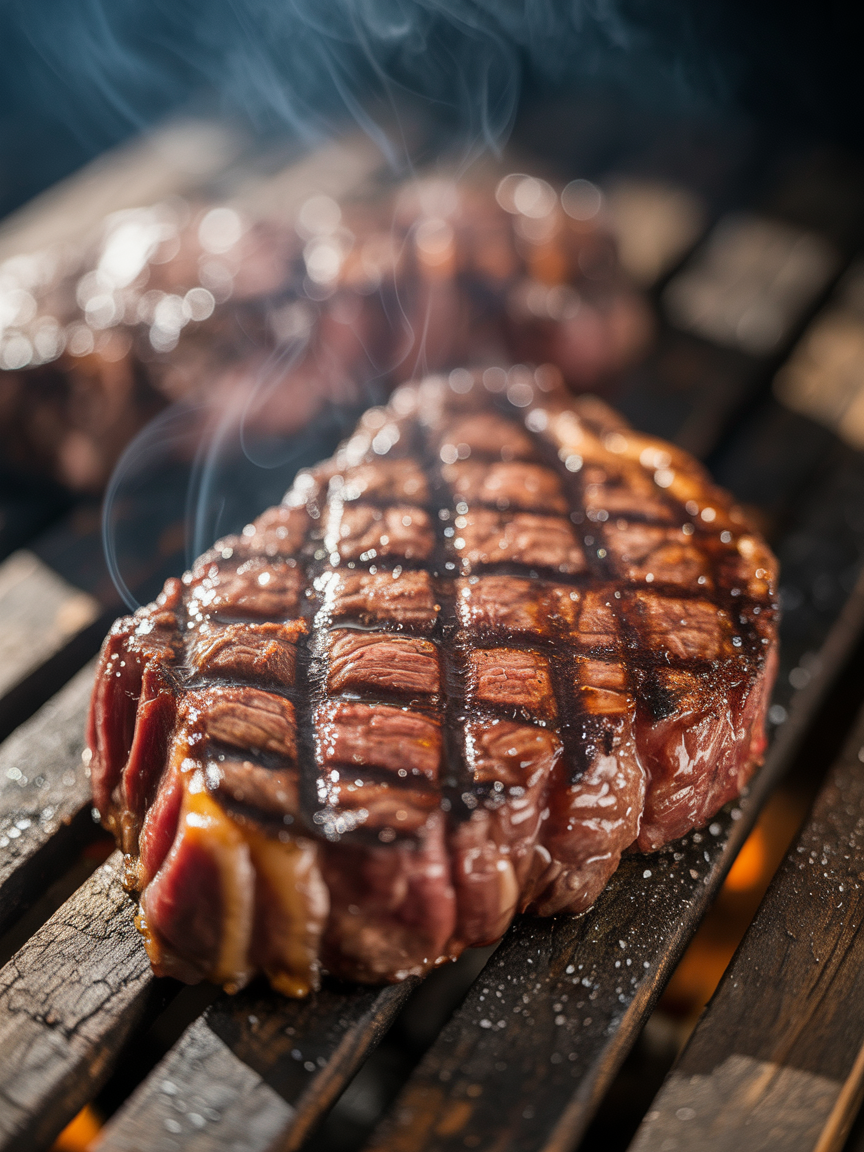
Pitmaster Tips for Best Results
- Always season the tri tip at least 30 to 45 minutes before cooking or up to 24 hours ahead in the refrigerator – the salt has time to penetrate deeper and you get a better crust during the sear.
- Red oak is the authentic Santa Maria wood of choice and burns clean with a mild earthy smoke. If you cannot find it, white oak is the closest substitute. Hickory adds a bolder smoke flavor that works great but leans more toward traditional Southern BBQ than California style.
- For a reverse sear finish, you can go slightly lower on your smoke phase temp – around 225 degrees Fahrenheit – and take the internal temp up to only 105 degrees Fahrenheit before the sear. This gives you even more smoke penetration and a thicker, more developed bark.
- Do not skip resting the meat for at least 10 to 15 minutes. The internal temp will continue to rise 3 to 5 degrees Fahrenheit after you pull it from the heat. If you want medium-rare at 135 degrees Fahrenheit, pull at 130 to 132 degrees Fahrenheit and let the carryover finish the job.
- Tri tip is traditionally served alongside pinquito beans, Santa Maria salsa, and toasted garlic bread for the full California experience. The local Santa Maria salsa – made with fresh tomatoes, celery, and green onions – cuts through the richness of the beef beautifully and stays true to the cattle country roots of the dish.
🔧 Pitmaster Equipment
Charcoal Grill or Offset Smoker: Live fire and real wood smoke are essential for authentic Santa Maria flavor and a proper smoke ring on the bark.
Instant Read Thermometer: Pulling the tri tip at exactly 130 to 135 degrees Fahrenheit for medium-rare is the difference between a perfect roast and a ruined one.
Long Tongs or Grilling Gloves: Keep your hands safe while managing the fire, repositioning the meat, and flipping at high sear temps.
Aluminum Drip Pan: Placed under the tri tip during indirect cooking to catch drippings and prevent flare-ups on the coals.
Wood Chunks – Red Oak or Hickory: Provides the authentic Santa Maria smoke profile. Chunks last longer than chips and give more consistent smoke output.
Sharp Boning or Carving Knife: Tri tip has a grain that changes direction mid-roast, so a sharp knife and careful slicing are critical for tender results.
🔥 Variations
Pellet Grill Version: Set your pellet grill to 250 degrees Fahrenheit and load up the hopper with red oak or hickory pellets. Follow the same low and slow method until you hit 110 to 115 degrees Fahrenheit internal temp, then crank the pellet grill to its highest sear setting – usually 450 to 500 degrees Fahrenheit – and finish with a 2 to 3 minute sear per side. Pellet grills excel at maintaining consistent temps, making them ideal for beginners tackling this cut.
Gas Grill Version: Set up a two-zone fire on your gas grill with burners on one side only. Place a smoker box filled with soaked red oak or hickory chips over the lit burners and let it start smoking before you add the meat. Cook the tri tip on the unlit side with the lid closed, targeting 250 to 275 degrees Fahrenheit. Once you hit 110 to 115 degrees Fahrenheit internal, move to the lit side for a direct sear to build the bark and finish the crust.
Oven and Cast Iron Sear Version: Apply the Santa Maria rub and place the tri tip on a wire rack over a baking sheet. Cook in the oven at 250 degrees Fahrenheit until internal temp hits 110 to 115 degrees Fahrenheit, about 45 to 55 minutes. Pull it out and sear in a screaming hot cast iron skillet with a tablespoon of high smoke point oil for 2 to 3 minutes per side. You lose the smoke but keep the flavors of the rub and get an excellent crust. Add a drop of liquid smoke to the rub if you want to chase that campfire note.
Coffee and Garlic Crust Variation: Add one tablespoon of finely ground dark roast coffee to your Santa Maria rub blend. The coffee amplifies the savory depth of the black pepper and pairs beautifully with the smokiness from the oak wood. It also contributes an extra layer of color and texture to the bark that rivals anything you have ever seen come off a competition rig.
❓ Pitmaster FAQ
What internal temperature should tri tip reach for medium-rare?
Pull your tri tip off the grill at 130 to 132 degrees Fahrenheit and let carryover cooking bring it up to 135 degrees Fahrenheit during the rest period. That is your sweet spot for medium-rare – pink through the center, juicy, and tender. If you prefer medium, pull at 138 to 140 degrees Fahrenheit and rest to 145 degrees Fahrenheit.
Can I use a gas grill instead of charcoal for this tri tip recipe Santa Maria style?
Absolutely. Set up indirect heat on your gas grill by lighting only one side and place the tri tip on the unlit side. Add a smoker box loaded with red oak or hickory chips over the lit burner to get real smoke flavor into the meat. It will not be identical to live fire over red oak coals, but it gets you very close and the Santa Maria rub will carry that classic flavor profile regardless.
How do I slice tri tip correctly?
Tri tip has a unique grain that changes direction in the middle of the roast. Before you cut, look at the surface of the meat and trace the lines of the muscle fibers. Slice one section perpendicular to its grain, then rotate the other section and slice against that grain direction as well. Always cut thin – about a quarter inch – and always against the grain for maximum tenderness.
What wood is best for smoking tri tip Santa Maria style?
Red oak is the traditional and authentic choice for Santa Maria BBQ. It burns clean, produces a mild earthy smoke, and does not overpower the natural beef flavor. If you cannot source red oak, white oak is the closest substitute. Hickory gives a bolder smoke and works well but edges toward Southern BBQ territory. Avoid mesquite for this cook – it can turn bitter over longer cooks.
How long does it take to cook a tri tip on the grill?
Plan for roughly 30 to 45 minutes per pound at 250 to 275 degrees Fahrenheit during the low and slow phase, plus 4 to 6 minutes for the final sear. A 2.5 to 3 pound tri tip will typically take 60 to 75 minutes from fire to plate, not counting the essential 10 to 15 minute rest period after cooking. Always cook to internal temperature rather than time alone.
Do I need to trim the fat cap off the tri tip before cooking?
Leave the fat cap on during cooking. That layer of fat renders slowly over the heat and bastes the meat from the top down, keeping the roast moist through the low and slow phase. After cooking and resting, you can trim any unrendered fat before slicing if you prefer. The fat also protects the top surface from drying out during longer smokes.