Smoked Chuck Roast Recipe: Low and Slow BBQ Perfection
Ingredients
Method
- Pull your chuck roast out of the refrigerator 45 to 60 minutes before the cook begins. Letting the meat come closer to room temperature promotes more even cooking throughout. Pat it completely dry with paper towels - moisture is the enemy of a great bark. A dry surface is what you need going into the smoker.
- Mix your rub: combine 2 tablespoons kosher salt, 2 tablespoons coarse black pepper, 1 tablespoon garlic powder, 1 tablespoon smoked paprika, 1 teaspoon onion powder, and 1 teaspoon cayenne if using. This is a bold Texas-inspired rub that will form that dark crackling bark you are after.
- Coat the entire chuck roast in a thin even layer of yellow mustard. This is your binder - it will not make the meat taste like mustard, it simply helps the rub grip the surface and creates a better bark. Work it into every surface including the sides and any crevices.
- Apply the rub generously to all sides of the roast. Press it in firmly with your hands - do not just dust it on. You want full coverage with a visible crust of seasoning on every surface. Let the seasoned roast sit at room temperature while you fire up the smoker.
- Fire up your smoker and bring it to a steady 225 to 250 degrees Fahrenheit. Add 3 to 4 fist-sized chunks of oak or hickory wood to the fire. Let the smoker settle into temperature and let the smoke run clean - you want thin blue smoke, not thick white billowing smoke, before you put the meat on. Thick white smoke will make your beef taste bitter.
- Place the chuck roast fat-side up directly on the smoker grate. Insert your wireless probe thermometer into the thickest part of the roast, avoiding any bone. Close the lid and let the low and slow magic begin. Do not open the lid for the first two hours - every peek drops your temp and slows the cook.
- After the first two hours, begin spritzing the surface of the chuck roast every 45 to 60 minutes with beef broth using a spray bottle. This keeps the surface moist, helps the bark develop properly, and adds a savory layer of flavor. Keep your smoker temp steady between 225 and 250 degrees. Add wood chunks as needed to maintain smoke.
- Monitor your internal temp. Around 160 to 165 degrees Fahrenheit, the roast will hit the stall - a phase where evaporative cooling causes the internal temp to plateau for one to two hours or more. This is completely normal. Do not panic and do not crank the heat. This is where patience separates a pitmaster from the rest.
- When you hit 165 degrees internal temp, pull the chuck roast off the smoker and wrap it tightly in two layers of unwaxed pink butcher paper. Add a small splash of beef broth inside the wrap before sealing it up. Return the wrapped roast to the smoker fat-side up. Re-insert your probe thermometer through the paper. This wrap technique powers you through the stall and locks in moisture.
- Continue cooking wrapped until the internal temp reaches 203 to 210 degrees Fahrenheit. At this temp range the collagen has fully converted to gelatin and the beef will probe tender - meaning a toothpick or thermometer probe should slide in and out with zero resistance, like pushing it into warm butter. This is your target, not just the number. Total cook time from start to this point is typically 6 to 8 hours depending on your smoker and the size of the roast.
- Once the chuck roast probes tender at 203 to 210 degrees internal temp, pull it off the smoker. Do not unwrap it yet. Place the wrapped roast in a dry empty cooler, close the lid, and let it rest the meat for a minimum of one full hour. Two hours is even better. This rest allows juices to redistribute throughout the beef and the internal temp to equalize. Skipping the rest means losing all those precious juices the moment you cut into it.
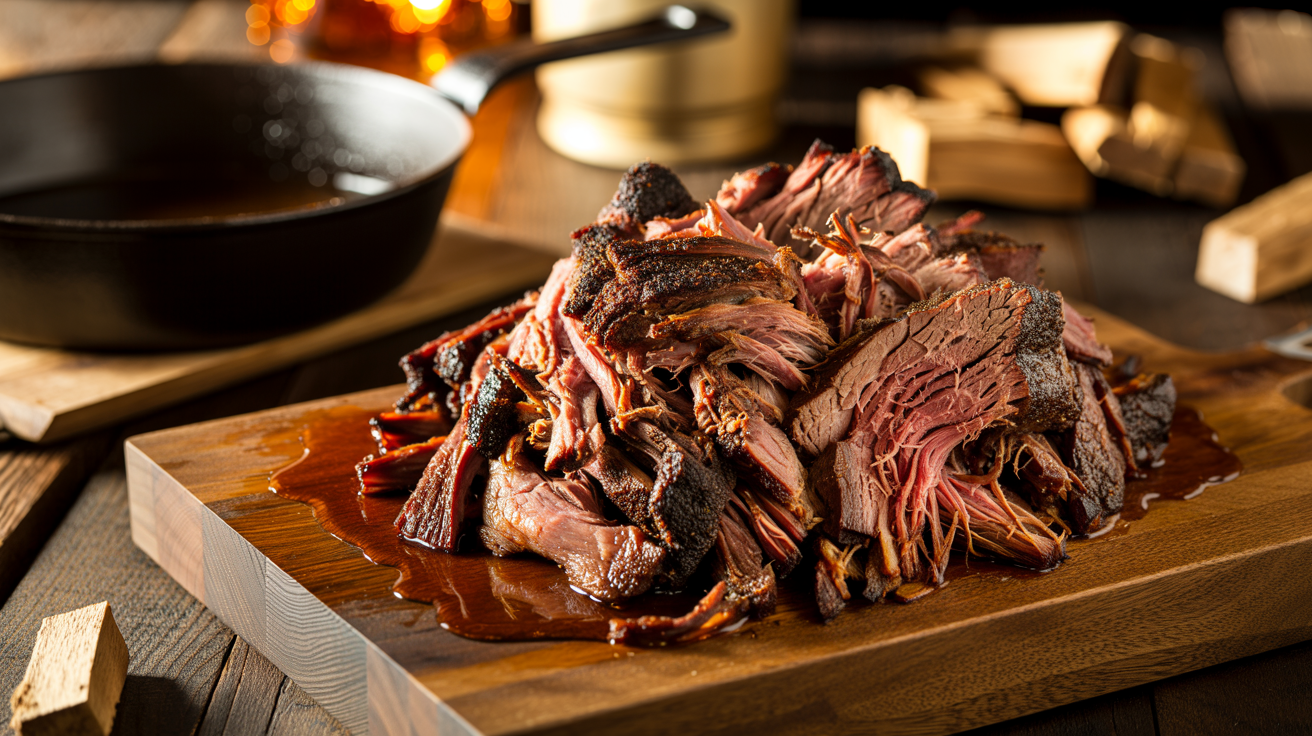
- After the rest, unwrap the chuck roast over your cutting board so you catch every drop of the accumulated juices. Slice against the grain for serving like a roast, or use two forks to pull and shred the beef - it will come apart effortlessly. Pour any collected juices over the top. Serve immediately and get ready to hear some serious compliments.
Nutrition
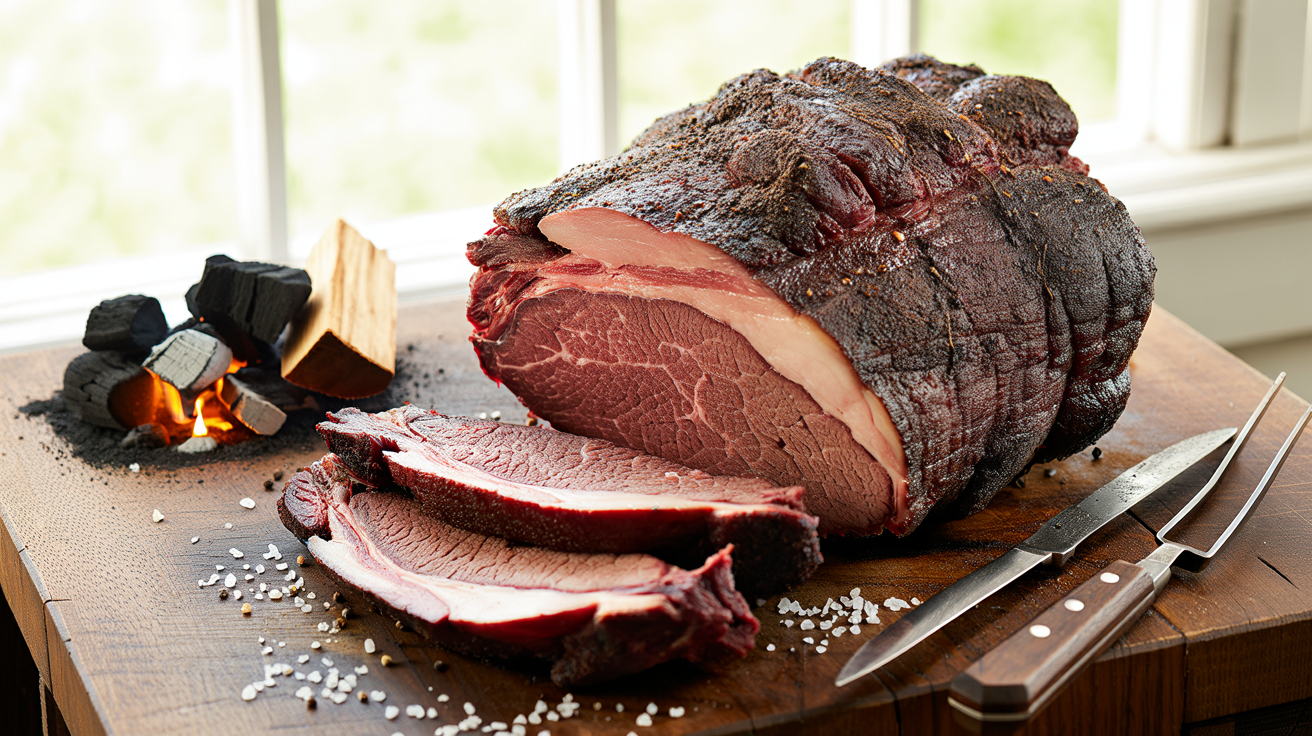
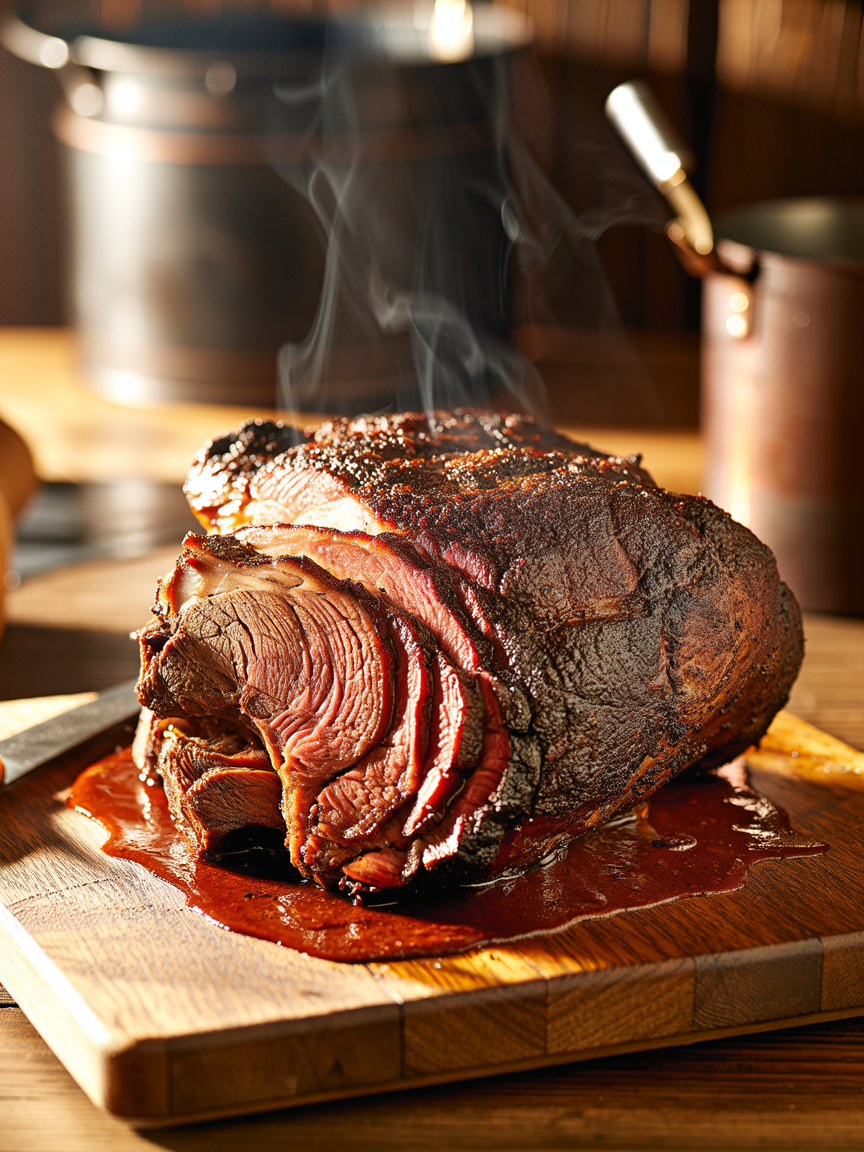
This smoked chuck roast recipe is hands down one of the most rewarding cooks you will ever fire up the grill for. We are talking a thick, well-marbled chuck roast transformed over six to eight hours of low and slow smoking at 225 to 250 degrees Fahrenheit into something extraordinary – a crackling dark bark on the outside, juicy pull-apart beef on the inside, and a smoke ring so beautiful it belongs in a museum. If you love brisket but want a faster and more budget-friendly cook, the smoked chuck roast is your new best friend at the pit.
The magic of this cook is all about collagen. Chuck roast is loaded with connective tissue that breaks down slowly when held between 200 and 210 degrees internal temp over several hours. That process converts tough collagen into silky gelatin, giving you beef that shreds like a dream and melts on the tongue. We use a bold kosher salt and coarse black pepper rub – the Texas-style bark builder – along with garlic powder and smoked paprika to create that deep mahogany crust that every pitmaster lives for. Wrap in butcher paper at 165 degrees internal temp to power through the stall and lock in those juices.
Whether you are running a traditional offset smoker, a kettle grill, or a pellet rig, this recipe is dialed in for anyone who loves real wood-smoked BBQ. Plan for roughly seven hours total including a one-hour rest at the end. That rest is non-negotiable – it is where the juices redistribute and the magic finishes. Trust the process, tend your fire, and get ready for the best beef you have ever pulled off the pit.
Smoked Chuck Roast Recipe: Low and Slow BBQ Perfection
This smoked chuck roast recipe transforms a humble cut into fall-apart tender BBQ beef with a bold bark and gorgeous smoke ring. Low and slow smoking at 225 degrees unlocks deep beefy flavor that no oven can replicate. Fire up the pit and make something legendary today.
Ingredients
| AMOUNT | INGREDIENT | NOTES |
|---|---|---|
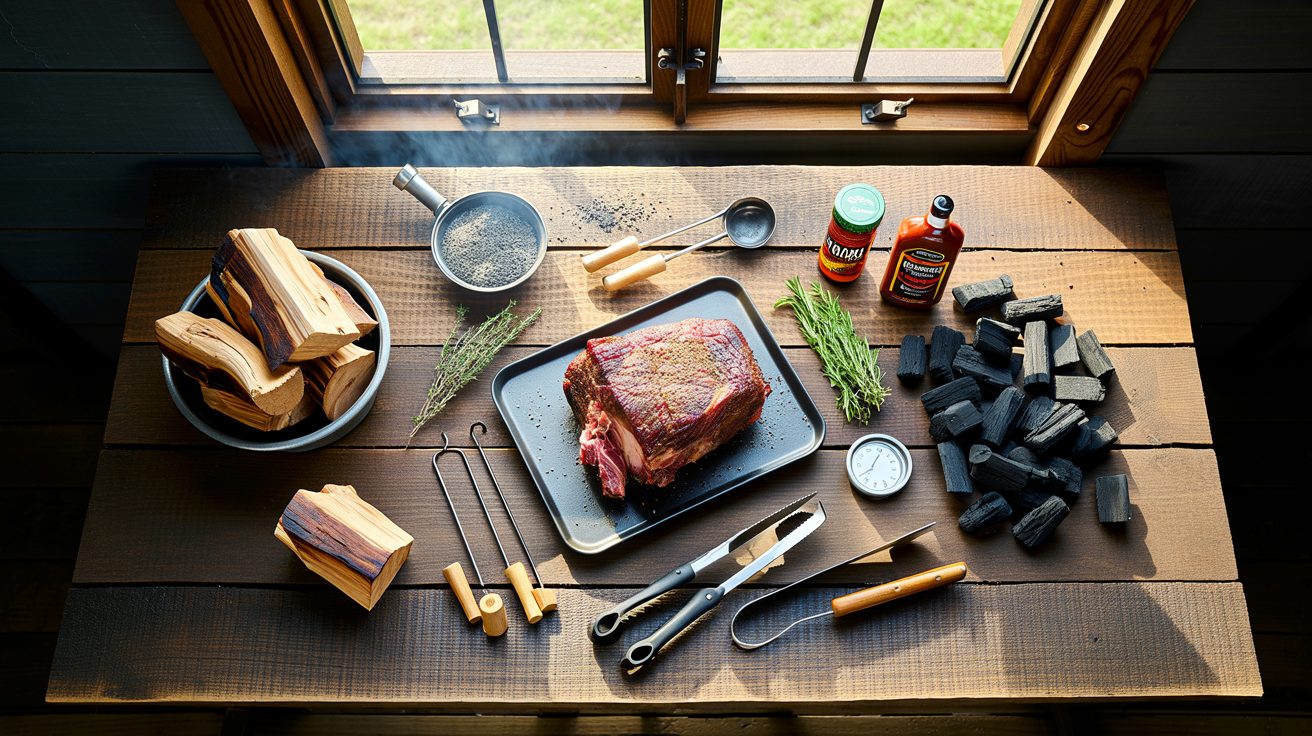
| 4 lbs | beef chuck roast | bone-in or boneless, at least 2 to 3 inches thick for best results |
| 2 tablespoons | kosher salt | coarse grind preferred for better bark formation |
| 2 tablespoons | coarse black pepper | freshly cracked, 16-mesh style like Texas pitmasters use |
| 1 tablespoon | garlic powder | not garlic salt, straight garlic powder |
| 1 tablespoon | smoked paprika | adds color and a subtle sweet smokiness to the bark |
| 1 teaspoon | onion powder | optional but rounds out the rub flavor profile |
| 1 teaspoon | cayenne pepper | optional, add for a spicy kick in the bark |
| 2 tablespoons | yellow mustard | used as a binder so the rub adheres, burns off during the cook |
| 4 chunks | oak or hickory wood chunks | fist-sized chunks for the smoker, not chips – chunks provide longer smoke |
| 1 cup | beef broth | for spritzing during the cook to keep surface moist and build bark |
Instructions
Nutrition (per serving)
The BBQ Story Behind This Recipe
Chuck roast as a BBQ staple has deep roots in American pit culture, particularly across Texas and the Midwest where beef was king and frugality was a virtue. Pitmasters discovered long ago that the toughest, most collagen-rich cuts of the cow – the ones nobody else wanted – were actually gold when treated to hours of low and slow smoke. The chuck, cut from the shoulder area, was a working muscle on the animal, which is exactly why it has so much flavor and connective tissue. Ranch hands and smokehouse operators in the 19th century were cooking these cuts over open coals not as a culinary art project, but out of necessity. What they stumbled onto became a cornerstone of American BBQ tradition.
While brisket eventually rose to fame as the crown jewel of Texas BBQ, the chuck roast remained a workhorse recipe beloved by backyard pitmasters across the country. In recent years, as brisket prices have climbed and home smokers have become more popular, the smoked chuck roast has experienced a major comeback. Competition BBQ teams have even started featuring it as a category, and food writers have called it the poor man’s brisket – a title that undersells it because a properly smoked chuck roast stands magnificently on its own merits. It is a cut with history, heart, and serious smoke-driven flavor.
Hot Off the Grill
A Closer Look
Pitmaster Tips for Best Results
- For the deepest smoke ring, do not use a water pan inside the smoker during this cook. A drier cooking environment encourages better smoke penetration and a more pronounced pink smoke ring in the finished beef.
- If your smoker runs hot or you are short on time, you can cook at 275 degrees Fahrenheit and still get excellent results. The bark may form slightly faster, so start monitoring internal temp more closely after the 3-hour mark.
- The stall is real and it can last a long time – sometimes two hours at the same internal temp. Trust your thermometer, maintain your pit temp at 225 to 250 degrees, and do not open the smoker more than necessary. The bark is building even when it does not feel like progress is being made.
- Oak wood is the gold standard for smoked chuck roast because it gives a medium-strength smoke flavor that complements beef without overpowering it. Hickory adds a stronger, more pungent smoke. Cherry adds a subtle sweetness and a beautiful deep mahogany color to the bark. Mesquite burns hot and fast and can go bitter – use it sparingly or avoid it for long cooks.
- Season the chuck roast the night before and leave it uncovered in the refrigerator overnight. This dry brine method draws a small amount of moisture to the surface and then reabsorbs it along with the salt, seasoning the beef deeper than the surface and helping create an even better bark the next day.
🔧 Pitmaster Equipment
Charcoal Smoker or Offset Smoker: Delivers authentic wood smoke flavor and allows precise control of low and slow temperatures between 225 and 250 degrees Fahrenheit throughout the cook.
Instant Read Thermometer: Absolutely critical for monitoring internal temp. You need to hit 165 degrees for the wrap, then 203 to 210 degrees for final pull. Do not guess on this cook.
Wireless Probe Thermometer: Set it and monitor your chuck roast internal temp without lifting the lid. Every time you open the smoker you lose heat and precious smoke.
Unwaxed Pink Butcher Paper: Used to wrap the roast at the stall around 165 degrees internal temp. Butcher paper allows steam to escape while keeping bark intact better than foil.
Long Tongs and Heat-Resistant Gloves: Keep your hands protected when placing and wrapping the roast, managing your fire, and pulling the meat off a hot smoker grate.
Cutting Board with Juice Grooves: A large board with grooves catches all those beautiful juices when you slice or pull the rested chuck roast. Do not lose a single drop.
🔥 Variations
Pellet Grill Version: Set your pellet grill to 225 degrees and follow the exact same steps. Use oak, hickory, or a competition blend pellets for the best flavor. Pellet grills produce a milder smoke than offset smokers, so consider adding a smoke tube filled with wood pellets during the first two hours of the cook to boost smoke output and help develop a better smoke ring.
Gas Grill Version: Set up a two-zone indirect heat configuration by lighting only one side of the burners and targeting 225 to 250 degrees on the cool side. Place a smoker box filled with soaked hickory or oak chips over the lit burner side. Place the chuck roast on the unlit side. Replenish wood chips every 45 minutes for the first 3 hours to maximize smoke flavor. Follow the same internal temp targets and wrapping steps.
Poor Man Burnt Ends Version: After the rest, cube the finished smoked chuck roast into 1.5-inch pieces. Toss the cubes in your favorite BBQ sauce and a tablespoon of brown sugar. Place them uncovered back in the smoker or on a grill at 275 degrees for another 45 to 60 minutes until the sauce caramelizes and the edges get sticky and charred. The result is smoky, saucy, melt-in-your-mouth burnt end style beef bites that will disappear in minutes.
Dutch Oven Braised Finish Version: Instead of wrapping in butcher paper at 165 degrees, place the chuck roast into a cast iron Dutch oven with one cup of beef broth, sliced onions, and two smashed garlic cloves. Cover and return to the smoker. The braising liquid combines with smoke flavor to create an incredibly rich jus you can serve alongside the finished beef. Follow the same temp targets for doneness.
❓ Pitmaster FAQ
What internal temperature should smoked chuck roast reach?
Pull your smoked chuck roast when it hits 203 to 210 degrees Fahrenheit internal temp. More important than the exact number is the probe test – your thermometer should slide into the thickest part of the roast with zero resistance, like pushing it into warm butter. That is how you know the collagen has fully broken down and the beef is ready.
How long does it take to smoke a chuck roast?
At 225 to 250 degrees Fahrenheit, a 4-pound chuck roast typically takes 6 to 8 hours of total cook time, plus a mandatory 1 to 2 hour rest after pulling it off the smoker. Variables like the thickness of the roast, your smoker efficiency, and how long the stall lasts will all affect timing. Always cook to internal temp, not to the clock.
Should I wrap smoked chuck roast in foil or butcher paper?
Butcher paper is the pitmaster preferred choice. It allows some moisture to escape while still helping push through the stall, which means your bark stays firmer and drier compared to wrapping in foil. Foil creates a tighter steam environment that can soften or destroy your bark. If you do not have butcher paper, foil will still work – just expect a softer exterior crust on the finished roast.
What wood is best for smoking chuck roast?
Oak is the classic choice for beef – it produces a medium-strength smoke that enhances the beefy flavor without overwhelming it. Hickory is bolder and slightly sweet with a classic BBQ smokiness. Cherry adds a mild sweetness and gorgeous dark color to the bark. A mix of oak and cherry is one of the best combinations for smoked chuck roast. Avoid mesquite for long cooks as it can turn bitter.
Can I make smoked chuck roast the day before?
Absolutely, and it actually reheats beautifully. After smoking and resting, slice or pull the beef and store it in an airtight container with all the collected juices poured over the top. Reheat in a covered pan in the oven at 325 degrees Fahrenheit with a splash of beef broth until warmed through. The flavor often deepens overnight making next-day leftovers incredibly good.
What is the stall when smoking chuck roast?
The stall is a phase during the low and slow cook – typically between 155 and 170 degrees internal temp – where the surface evaporation from the meat cools it at the same rate the smoker is heating it. The internal temp can sit at the same number for one to two hours or more. The answer is patience. Keep your smoker temp steady and wrap in butcher paper to push through it faster without sacrificing your bark.