
Smoked Beef Cheeks Recipe: Low and Slow BBQ Perfection
Ingredients
Method
- Fire up your smoker to a steady 250 degrees F before you do anything else. Use lump charcoal as your base fuel and add two to three fist-sized chunks of post oak or oak wood for smoke. You want thin blue smoke rolling out of your exhaust vent, not thick white billowing smoke. Thick white smoke is bitter and will ruin your bark. Get your smoker dialed in and stable before the meat goes on, which typically takes 30 to 45 minutes of burn time.
- While the smoker is coming up to temp, prep your beef cheeks on a large cutting board. Using a sharp boning knife, remove any remaining silver skin and hard fat caps from each cheek. Silver skin will not render during the cook and creates a rubbery, unpleasant texture. Trim it all the way down but leave the softer, pliable fat in place since that will render beautifully. Pat the cheeks dry with paper towels to ensure the seasoning sticks and the bark forms properly.
- Coat each beef cheek all over with a thin, even layer of yellow mustard using your hands or a brush. This acts as a binder for your rub and helps build an exceptional bark without adding any mustard flavor to the finished product. In a small bowl, combine the kosher salt, black pepper, garlic powder, onion powder, smoked paprika, and cayenne. Mix thoroughly and apply a generous, even coating of the rub to every surface of each cheek, pressing it firmly into the mustard layer. Do not be shy with the seasoning as a thick rub equals a thick, beautiful bark.
- Place your seasoned beef cheeks directly on the smoker grate, fat side up, and insert your leave-in probe thermometer into the thickest part of the largest cheek. Close the lid and let the low and slow magic begin. Do not open the lid for the first two hours. Your target is to let those cheeks sit in smoke and heat undisturbed, building that all-important bark on the exterior. Maintain your smoker at 250 degrees F throughout by adjusting vents and adding charcoal or wood as needed.
- After two hours, take a quick look at your beef cheeks. You should see the beginning of a dark, slightly tacky exterior forming, and your internal temp should be climbing through the 140 to 160 degree F range. Add another wood chunk to the fire if your smoke has tapered off. Close the lid and continue cooking. At some point between 160 and 175 degrees F internal temp, your cheeks will hit the stall, a plateau where evaporative cooling from the meat surface slows the temperature rise dramatically. This is completely normal and can last one to two hours.
- When your beef cheeks have powered through the stall and your internal temp hits approximately 175 degrees F, it is time to wrap. Tear off two large sheets of pink butcher paper per cheek. Place a generous spoonful of beef tallow or a few pats of butter in the center of the paper, set the cheek on top, add another dollop of tallow on top of the cheek, then wrap it up tightly like a burrito, folding the edges under to seal in the juices. Return the wrapped cheeks to the smoker and reinsert your probe through the paper.
- Continue cooking the wrapped beef cheeks at 250 degrees F until the internal temp reaches between 205 and 212 degrees F. This is the critical window where the dense collagen networks inside the cheek muscles fully convert to gelatin, transforming the texture from tough and dense to silky, pull-apart tender. Start probing for tenderness at 205 degrees F by inserting a toothpick or skewer through the paper into the meat. It should slide in with almost no resistance, like pushing into warm butter. If it still grabs or resists, let it ride to 208 or even 212 degrees F.
- Once your beef cheeks have hit the tenderness sweet spot, pull them off the smoker and rest the meat properly. Do not skip this step. Place the still-wrapped cheeks into a dry cooler or Cambro container, cover it, and let them rest for a minimum of one hour. Two hours is even better. The rest allows the muscle fibers to relax and reabsorb the juices that have been pushed to the center during cooking. Cutting into the meat too early means those juices run onto your cutting board instead of staying in every bite.
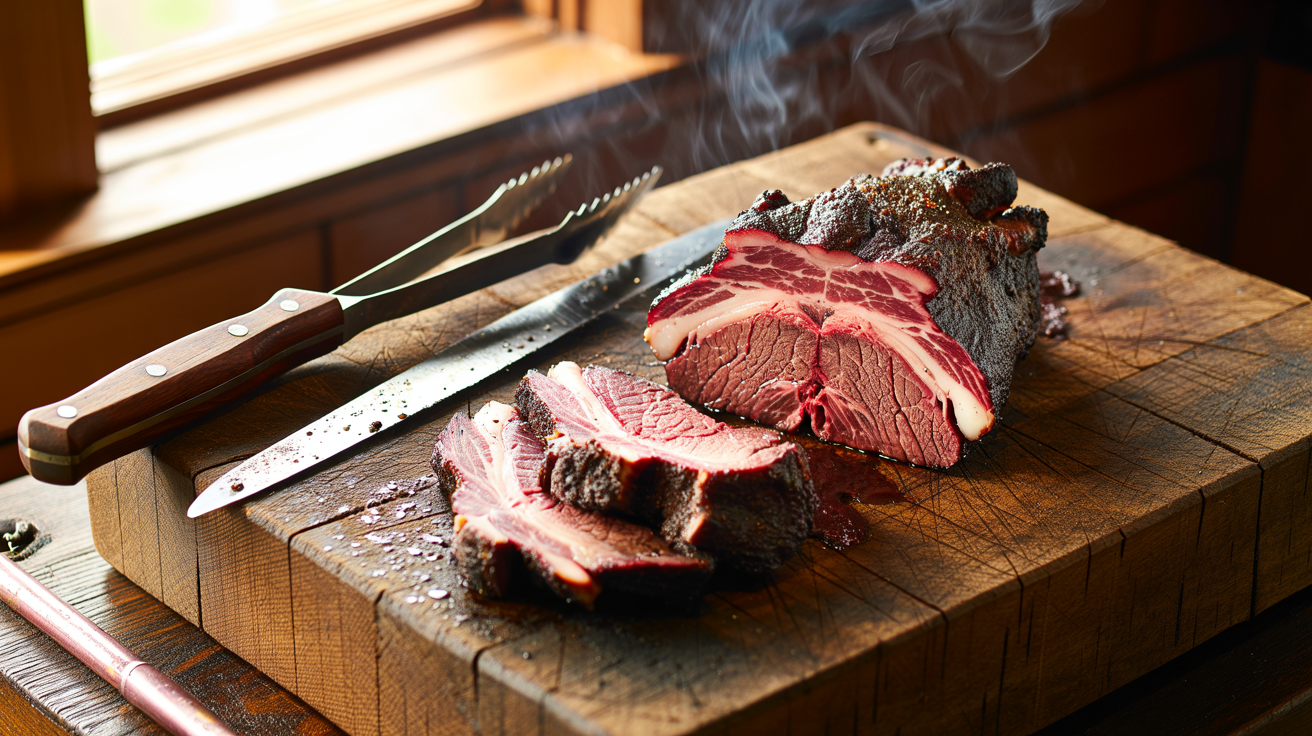
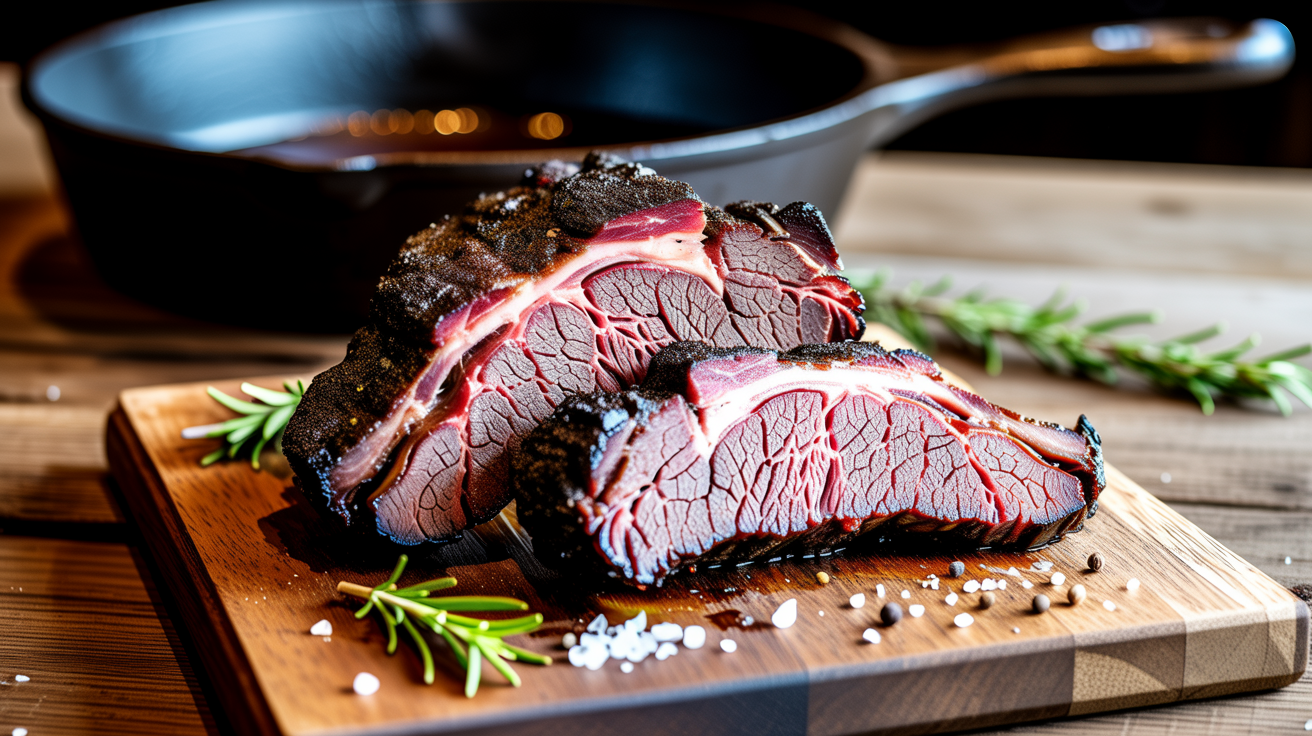
- After the rest, unwrap your beef cheeks over a rimmed pan or cutting board to catch every drop of the precious cooking juices and melted tallow. The bark should be a deep mahogany to near-black color, set and firm to the touch. Slice against the grain into thick planks or pull the meat apart with two forks for a shredded preparation. Spoon some of the collected pan juices over the top before serving. Admire that smoke ring, that deep pink layer just beneath the bark surface, proof that low and slow smoking did exactly what it was supposed to do.
Nutrition
Smoked Beef Cheeks Recipe: Low and Slow BBQ Perfection
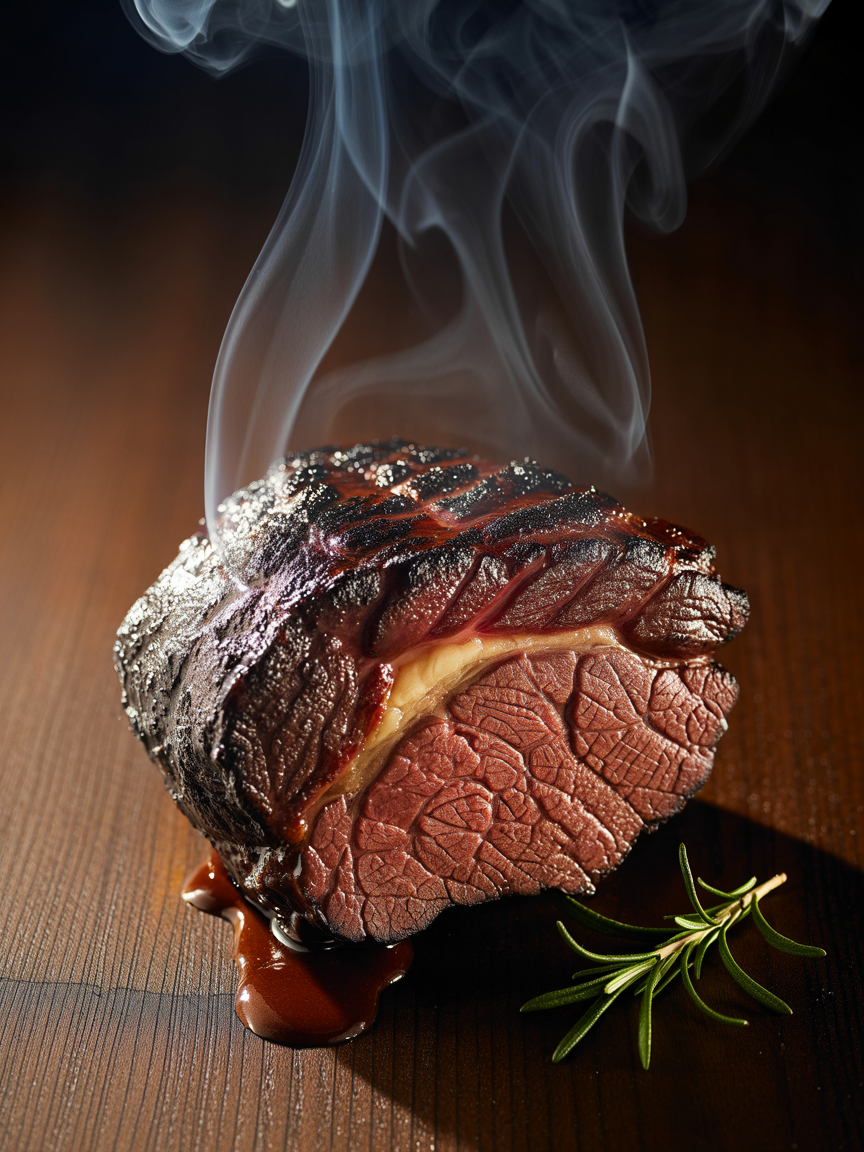
This smoked beef cheeks recipe delivers impossibly tender, richly flavored meat with a deep mahogany bark and a smoke ring that will make your jaw drop. Cooked low and slow to 210 degrees F, these underrated cuts transform into BBQ gold. Fire up the smoker and treat your crew today.
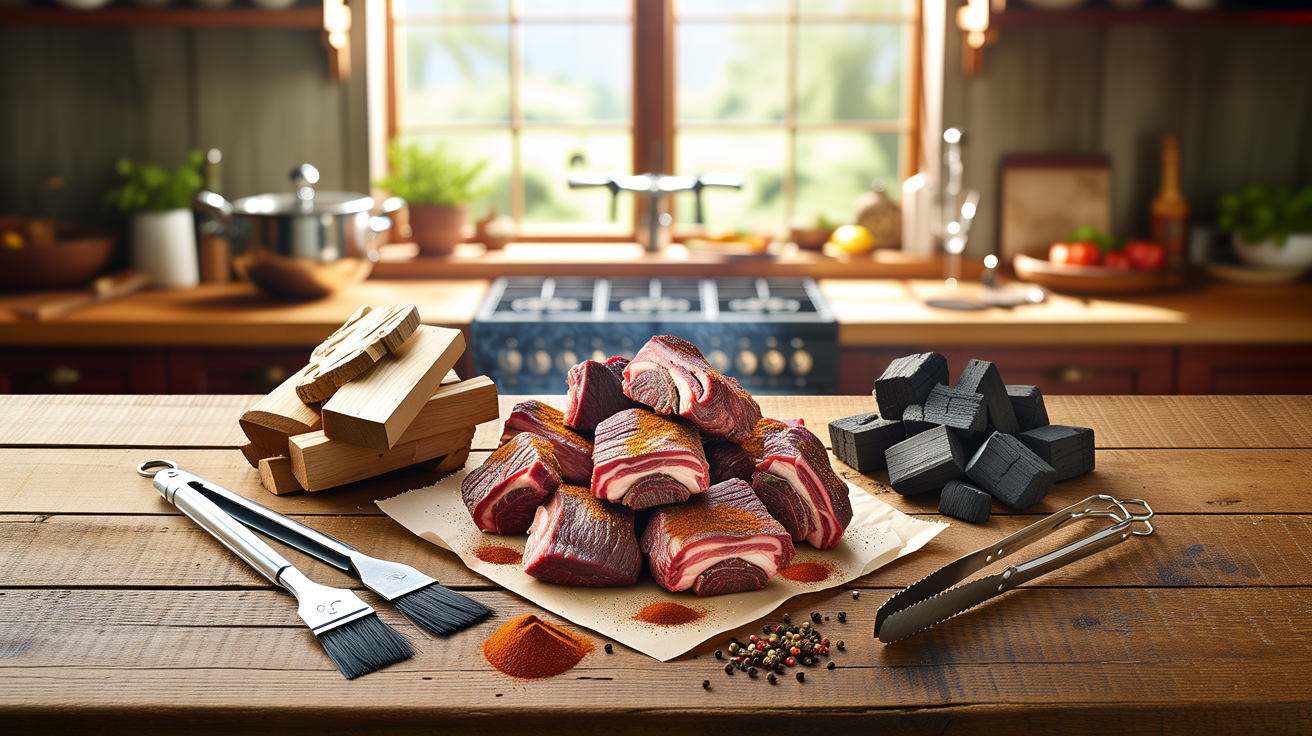
Ingredients
| AMOUNT | INGREDIENT | NOTES |
|---|---|---|
| 4 whole | beef cheeks | trimmed of silver skin and excess hard fat, approximately 3 to 4 lbs total |
| 2 tablespoons | yellow mustard | used as a binder, the flavor cooks off completely |
| 3 tablespoons | coarse kosher salt | do not use fine table salt |
| 3 tablespoons | coarse black pepper | freshly cracked, 16-mesh preferred for classic Texas-style bark |
| 1 tablespoon | garlic powder | not garlic salt |
| 1 tablespoon | onion powder | |
| 1 teaspoon | smoked paprika | adds color and a subtle sweetness to the bark |
| 1 teaspoon | cayenne pepper | optional, adjust to your heat preference |
| 4 chunks | oak or post oak wood chunks | fist-sized, for smoking. Cherry or hickory also work well |
| 1 cup | beef tallow or unsalted butter | for the butcher paper wrap stage, adds richness and keeps moisture in |
Instructions
Nutrition (per serving)
The BBQ Story Behind This Recipe
Beef cheeks have deep roots in the working-class BBQ and braising traditions of Latin America and the American South, where pitmasters and home cooks alike learned long ago that the hardest-working muscles on an animal yield the most reward when treated with patience and heat. In Mexican cuisine, barbacoa de cachete has celebrated beef cheeks for generations, wrapping them in maguey leaves and cooking them low and slow in underground pits to produce shredded meat of extraordinary richness and depth. That tradition of slow, smoke-kissed cooking crossed into American BBQ culture and never looked back.
In the modern BBQ competition circuit and craft smokehouse scene, beef cheeks have had a serious renaissance over the past decade. Pitmasters who were tired of fighting for brisket supply and price started turning to beef cheeks as a cut that punches even harder per pound than a prime packer brisket. With more intramuscular collagen than almost any other cut on the animal, beef cheeks convert that connective tissue into silky, sticky gelatin over a long smoke session, giving you a final product that is deeply porky in richness despite being 100 percent beef. Places from Austin to Brooklyn now feature smoked beef cheeks as a headline item, and for good reason.
Hot Off the Grill
A Closer Look
Pitmaster Tips for Best Results
- Source your beef cheeks from a butcher rather than a grocery store if possible. Butcher-sourced cheeks are typically better trimmed and come from better-handled animals, making a noticeable difference in the final texture and flavor.
- Do not rush the cook by cranking your smoker temperature above 275 degrees F. Beef cheeks are dense with collagen and require sustained low and slow heat to fully convert that collagen to gelatin. Rushing will leave you with a tight, chewy texture no matter how high your internal temp reads.
- Season your beef cheeks the night before and let them rest uncovered in the refrigerator overnight. The salt draws moisture to the surface and then reabsorbs it, seasoning deeper into the muscle and creating a tackier surface that helps the smoke adhere and the bark form faster.
- When checking your smoke ring after slicing, remember that the smoke ring is a cosmetic indicator of proper low-temperature smoking. A ring of 0.25-inch to 0.5-inch depth is ideal and tells you the nitric oxide from your wood smoke penetrated the meat during the first critical hours of the cook before the exterior set.
- Leftover smoked beef cheeks reheat exceptionally well. Store them in their own juices in an airtight container in the refrigerator for up to four days. Reheat in a 300 degree F oven still in the juices, covered with foil, for about 20 minutes until warmed through. The texture actually improves slightly on the second day.
🔧 Pitmaster Equipment
Offset Smoker or Kamado Grill: Provides the indirect heat and live fire smoke environment essential for developing a proper bark and smoke ring on beef cheeks over a long cook.
Instant Read Thermometer: Hitting the precise internal temp window between 205 and 212 degrees F is what separates tender, gelatinous beef cheeks from tough, chewy ones.
Probe Thermometer with Alarm: A leave-in probe lets you monitor internal temp passively over the long cook without opening the smoker lid and losing precious heat and smoke.
Butcher Paper: Wrapping the beef cheeks at the stall in butcher paper speeds up the cook while preserving the bark better than foil.
Long Tongs or Heat Resistant Gloves: Keep your hands safe while managing the fire, adding wood chunks, and handling hot beef cheeks when wrapping or pulling from the smoker.
Sharp Boning or Trimming Knife: Beef cheeks often come with thick silver skin and excess fat that must be trimmed before seasoning for best bark formation and smoke penetration.
Cooler or Cambro Container: Resting the meat properly in an insulated environment for at least one hour is critical for juice redistribution and final collagen breakdown.
🔥 Variations
Texas-Style Dry Rub Only Version: Strip the rub down to equal parts kosher salt and coarse black pepper only, known as a dalmatian rub, for a pure Texas-style approach. Let the quality of the beef and the oak smoke speak for themselves without any additional spice layers.
Pellet Grill Version: Set your pellet grill to 250 degrees F using oak, hickory, or a competition blend of pellets. Follow every step exactly as written. Pellet grills produce a cleaner, milder smoke than offset smokers, so consider adding a smoke tube filled with extra pellets for the first two hours to boost smoke output and help develop a better bark and smoke ring.
Barbacoa-Style Smoked Beef Cheeks: After the smoke session is complete and the cheeks have reached 205 degrees F internal temp, transfer them to a foil pan. Add one cup of beef broth, two dried ancho chiles, four garlic cloves, one teaspoon of cumin, and the juice of two limes. Cover tightly with foil and return to the smoker or place in a 300 degree F oven for one more hour. Pull the meat and use the braising liquid to keep it moist. Serve in warm corn tortillas with diced white onion and fresh cilantro for an incredible smoked barbacoa taco experience.
Smoked and Braised Beef Cheeks: Smoke the beef cheeks at 250 degrees F for three hours unwrapped to build bark and smoke flavor, then transfer them to a Dutch oven or braising vessel with red wine, beef stock, onions, carrots, and fresh thyme. Cover tightly and continue cooking either on the smoker or in a 300 degree F oven for an additional two to three hours until fork tender. The result is a more refined, almost restaurant-style preparation that bridges BBQ and classic braised beef technique.
Gas Grill Version: Set up your gas grill for indirect heat by lighting only the outer burners and leaving the center burners off. Target a stable temperature of 250 degrees F. Place a cast iron smoker box loaded with soaked oak or hickory wood chips directly over one of the lit burners. Place the seasoned beef cheeks on the unlit center grates. Replenish your wood chips every 45 to 60 minutes to maintain consistent smoke throughout the cook and follow the same wrapping and resting steps as the main recipe.
❓ Pitmaster FAQ
What internal temperature should smoked beef cheeks reach?
Unlike steaks where you cook to a precise safe temperature, beef cheeks need to reach between 205 and 212 degrees F internal temp to fully break down their dense collagen into gelatin. At this temperature the meat transforms from tough and chewy to silky and tender. Always use an instant read thermometer to verify, and confirm doneness by probing with a skewer which should slide in with zero resistance when the cheeks are truly ready.
How long does it take to smoke beef cheeks?
At 250 degrees F, budget between 6 and 9 hours total for the cook, plus a minimum 1-hour rest period. Variables like the size of the cheeks, your specific smoker, and how long the stall lasts will all affect total time. Always cook to internal temp and tenderness rather than a fixed clock time. Starting your cook early in the day gives you flexibility and means you are never rushing the most important step, which is the rest.
Where can I buy beef cheeks?
Your best bet is a local butcher shop, a specialty meat market, or a Mexican grocery store where beef cheeks are commonly stocked for barbacoa. Many whole animal butchers and online meat retailers also sell them. Standard grocery stores often do not carry them, but most butcher counters can order them for you with a few days notice. Ask specifically for whole, trimmed beef cheeks rather than pre-marinated barbacoa meat which will have seasonings added that interfere with your own rub.
Do I need to trim beef cheeks before smoking?
Yes, trimming is essential. Beef cheeks typically come with a layer of silver skin on one or more surfaces that will not render during the cook and creates a tough, rubbery bite. Remove all silver skin with a sharp boning knife. You can leave the softer, white pliable fat in place as it will render down and baste the meat from the inside out during the low and slow cook. Proper trimming also allows your rub to contact the muscle directly, which means better bark formation and more even smoke penetration.
Can I smoke beef cheeks the day before and reheat them?
Absolutely, and many pitmasters argue beef cheeks are even better the next day. Cook them all the way through, rest them fully, then store them still wrapped in their butcher paper in the refrigerator overnight. The next day, place them in a foil pan with a splash of beef tallow or butter, cover tightly with foil, and reheat in a 300 degree F oven or smoker for 20 to 30 minutes until warmed through to at least 165 degrees F internal temp. The collagen that has set overnight will re-melt beautifully and the bark will stay mostly intact.
What wood is best for smoking beef cheeks?
Post oak is the classic Texas choice and pairs perfectly with beef, providing a medium-strength smoke flavor that complements the richness of the cheeks without overpowering them. Oak is your best all-around option. Cherry wood adds a slight sweetness and helps deepen the color of the bark and smoke ring. Hickory is bolder and works well if you want a more assertive smoke flavor. Avoid light woods like apple or pecan as standalone choices since their mild smoke can get lost against the intensity of beef cheeks. Mixing oak and cherry is a popular combination among competitive pitmasters.