BBQ Spare Ribs Recipe: Low and Slow Perfection
Ingredients
Method
- Start by preparing your spare ribs the right way. Lay each slab bone-side up on a clean work surface and locate the thin, papery membrane running along the back of the bones. Slide the tip of a butter knife or your finger under the membrane at one end, grip it firmly with a paper towel for traction, and peel it off in one long strip. If you leave this membrane on, it turns into a tough, rubbery barrier that blocks smoke penetration and makes your finished ribs chewy. Once the membrane is off, pat both slabs completely dry with paper towels.
- Mix your dry rub by combining the brown sugar, kosher salt, smoked paprika, black pepper, garlic powder, onion powder, cayenne pepper, dry mustard powder, and chili powder in a bowl. Stir until fully blended. Apply a thin coat of yellow mustard all over both sides of each slab, this acts as a binder and helps the rub stick without adding any noticeable flavor. Apply the dry rub generously on all sides, pressing it into the meat firmly so it adheres. Do not be shy here, a good thick coat of rub is what builds that legendary bark. Wrap the seasoned slabs in plastic wrap and refrigerate for at least one hour, or ideally overnight for maximum flavor penetration.
- Fire up the grill or smoker and target a steady cooking temperature of 225 to 250 degrees Fahrenheit. For charcoal, set up a two-zone fire with all coals on one side and the ribs on the opposite side for indirect cooking. Add your apple or cherry wood chunks directly on top of the hot coals. For an offset smoker, get your firebox burning clean with low to medium heat before the ribs go on. You want thin blue smoke, not thick white billowing smoke, which can make your ribs taste bitter. Let the cooker stabilize at temperature for at least fifteen minutes before loading the meat.
- Remove the slabs from the refrigerator and let them sit at room temperature for about thirty minutes while the cooker comes up to temp. Place the ribs bone-side down on the grate in the indirect heat zone. Close the lid and do not open it for the first ninety minutes. This is where the smoke ring begins to form and the bark starts to develop. After that first ninety minutes, you can begin spritzing the surface of the ribs every forty-five minutes with a light mist of apple juice to help keep the outer surface from drying out while still allowing bark formation. Cook the ribs open like this for a total of three full hours.
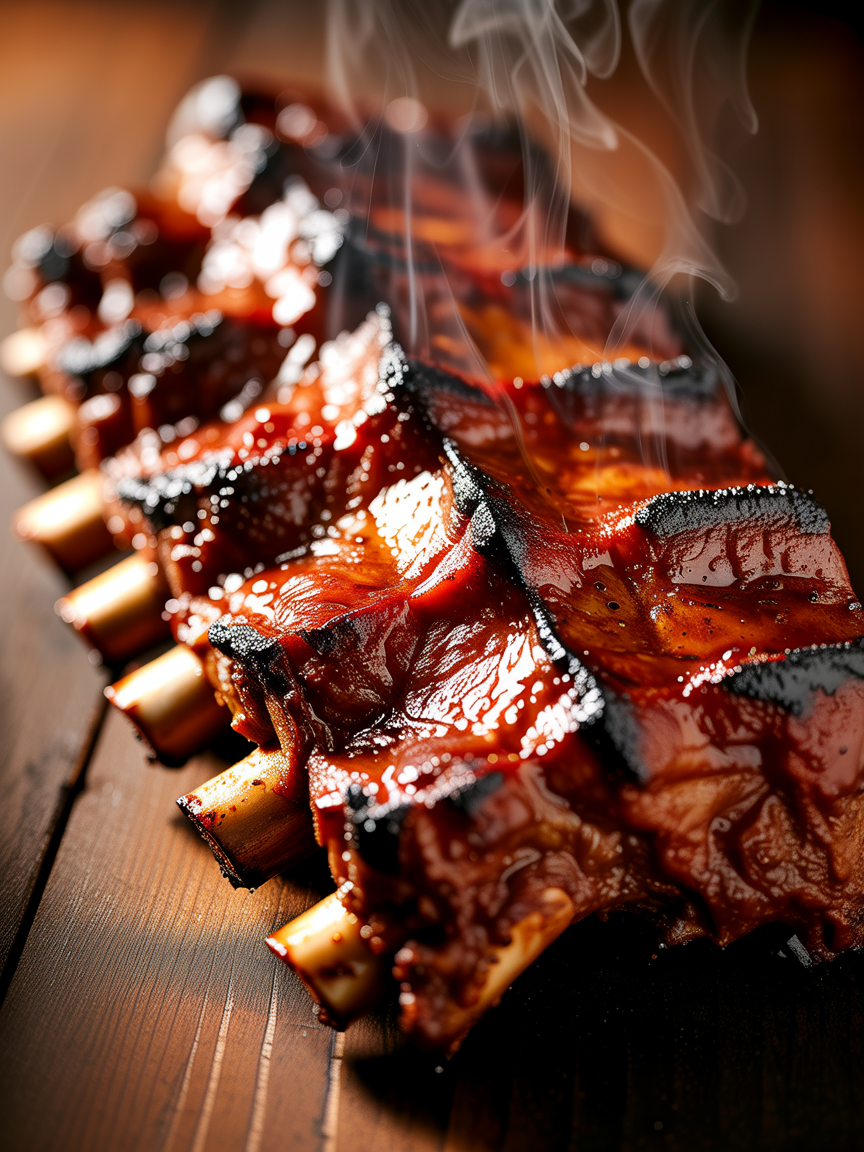
- After three hours of open smoke, check the color on the ribs. You are looking for a deep reddish-brown mahogany bark that looks almost like it has dried out on the surface. This is exactly what you want. Now it is time to wrap. Tear off two large sheets of butcher paper or heavy duty aluminum foil, one per slab. Place each slab meat-side down on the paper, add two tablespoons of butter in pats and two tablespoons of apple juice per slab, then wrap tightly with no gaps for steam to escape. Return the wrapped ribs to the cooker at the same 225 to 250 degree temperature and cook for two more hours.
- After the two-hour wrap phase, carefully unwrap one corner of each slab and use a toothpick or instant read thermometer probe to test tenderness. Insert the probe between the bones and it should slide in and out with almost no resistance, like pushing into warm butter. The internal temp should be reading somewhere between 195 and 203 degrees Fahrenheit. If there is still resistance, rewrap and give them another thirty minutes. Once they pass the probe test, carefully unwrap the ribs completely, reserving any juices in the foil if desired for sauce.
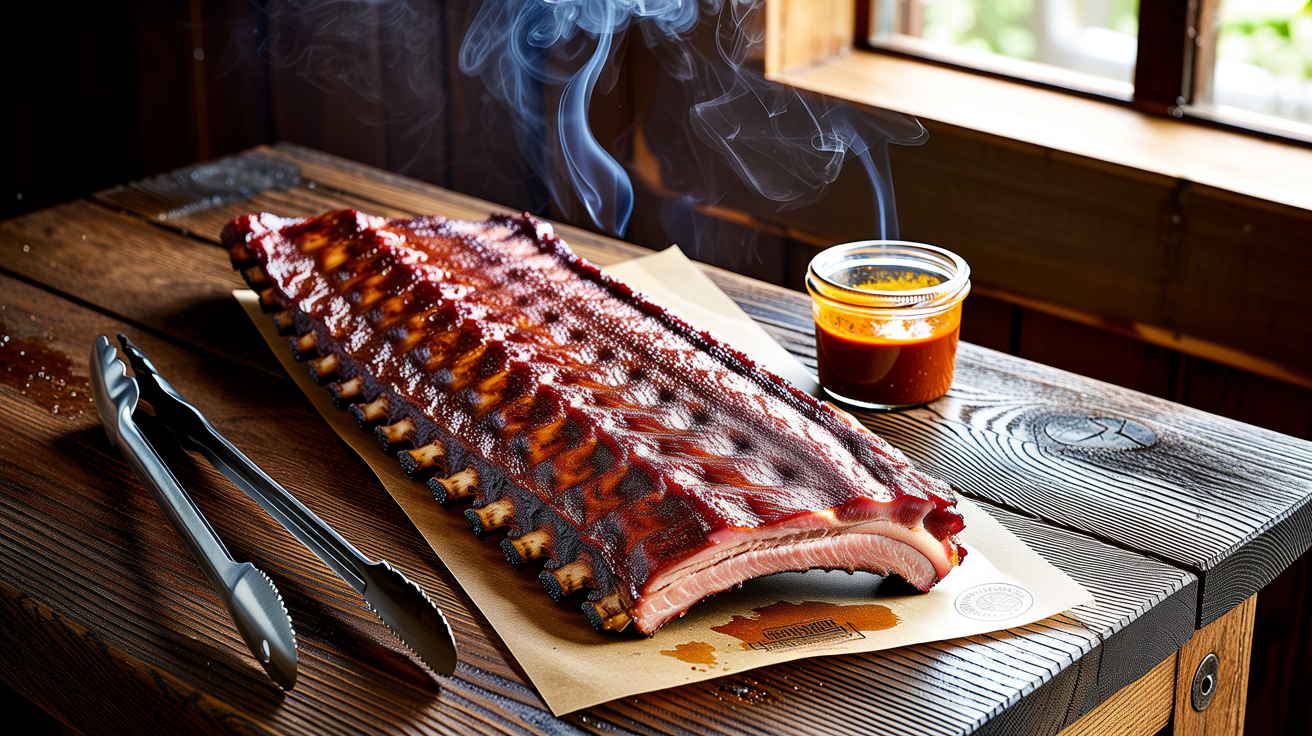
- Now comes the final hour where you firm up that bark and layer on your BBQ sauce. Return the unwrapped ribs to the cooker bone-side down at the same temperature. Apply a generous coat of your BBQ sauce to the meat side using a basting brush. Close the lid for twenty minutes to let the sauce tighten and caramelize. Apply a second coat of sauce and cook another twenty minutes. Optionally apply a light third coat and cook a final ten to fifteen minutes. The sauce should look glossy, slightly tacky, and deeply caramelized at this point.
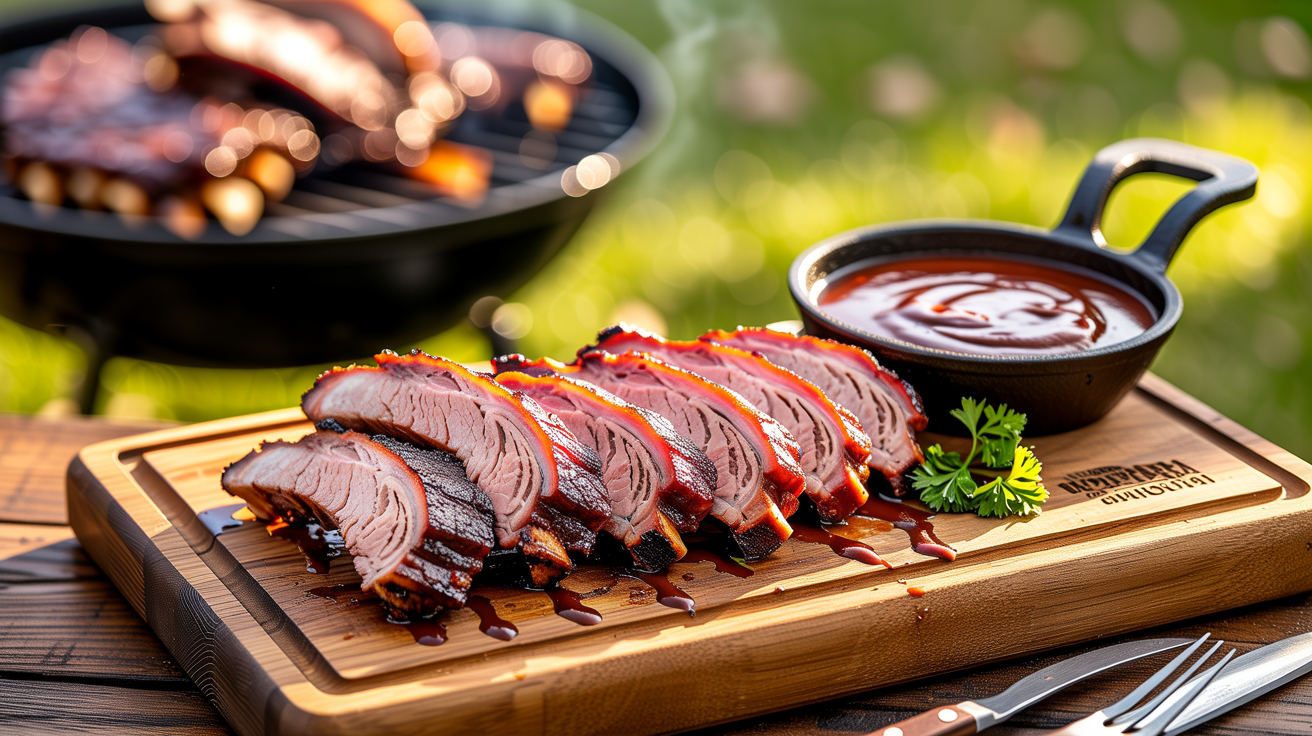
- Pull the ribs off the cooker and resist every temptation to slice into them immediately. Place them on a wire rack or cutting board and let them rest the meat for fifteen to twenty minutes loosely tented with foil. This resting period allows the juices to redistribute throughout the meat so every bite is moist and flavorful rather than losing all that liquid on the cutting board. After resting, slice between each bone using a sharp knife, plate them up, and serve with extra sauce and your favorite BBQ sides.
Nutrition
This bbq spare ribs recipe is the gold standard for backyard pitmasters who want to serve something truly unforgettable at their next cookout. Spare ribs are cut from the lower belly section of the pig, which means they are loaded with fat, connective tissue, and rich pork flavor that absolutely thrives under hours of low and slow smoke. We are talking about cooking these slabs at 225 to 250 degrees Fahrenheit for a full five to six hours until they develop that legendary deep mahogany bark on the outside and a brilliant pink smoke ring just beneath the surface.
The secret weapon in this recipe is patience and a bold dry rub that goes on the ribs at least one hour before they ever see smoke, though overnight in the refrigerator is even better. That rub creates a beautiful crust as the sugars caramelize and the salt draws out just enough moisture to form a sticky pellicle that grabs smoke like a magnet. We follow a modified 3-2-1 method here, meaning three hours of open smoke, two hours wrapped tight in butcher paper or foil with a little apple juice and butter, and one final hour unwrapped to firm up that bark and set the glaze.
Do not let the timeline intimidate you. Most of that time is hands-off cooking where the fire and smoke do all the heavy lifting. Your job is to maintain a steady temperature, resist the urge to peek too often, and trust the process. When you pull these ribs off the cooker and let them rest for a solid fifteen to twenty minutes before slicing, you will understand exactly why spare ribs have earned their place as the crown jewel of American BBQ.
BBQ Spare Ribs Recipe: Low and Slow Perfection
This bbq spare ribs recipe delivers thick, meaty slabs with a deep mahogany bark, a show-stopping smoke ring, and tender meat that pulls clean from the bone. Built on low and slow fire craft and a bold dry rub, this is the recipe that will have your whole neighborhood firing up the grill today.
Ingredients
| AMOUNT | INGREDIENT | NOTES |
|---|---|---|
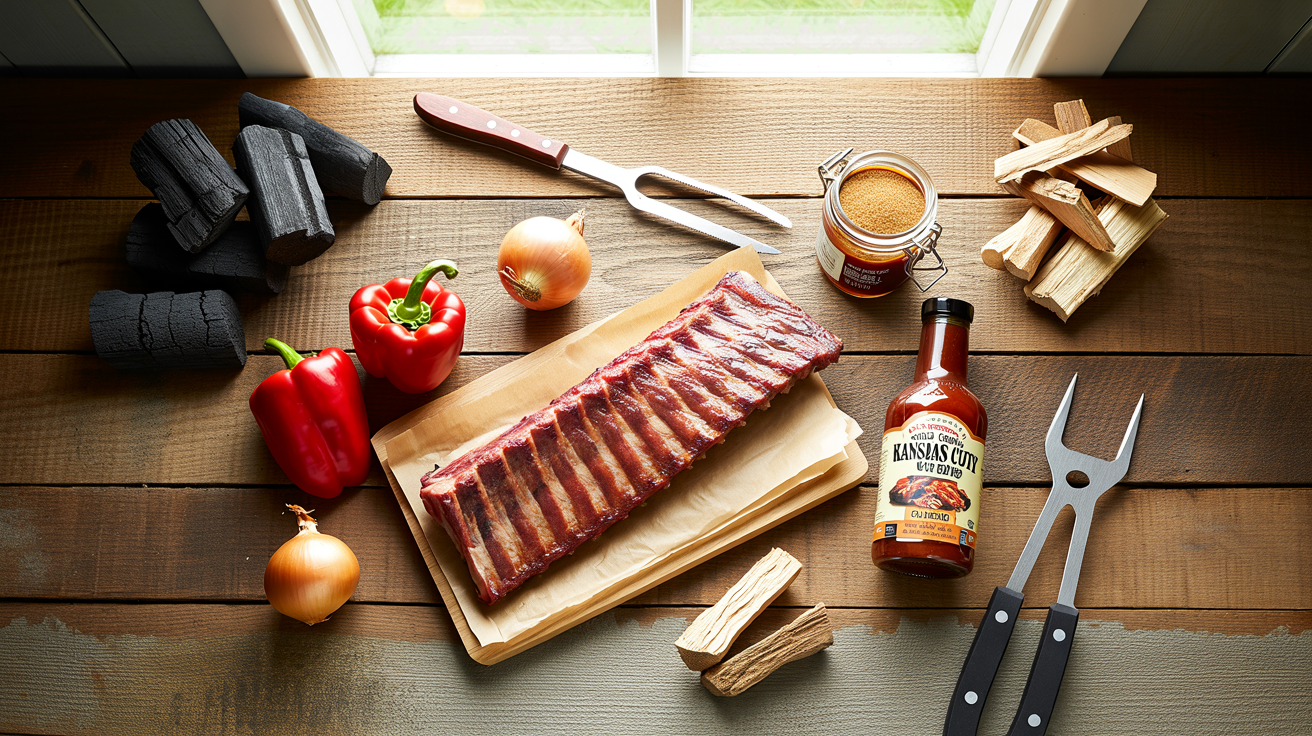
| 2 full slabs | pork spare ribs | St. Louis trimmed preferred, approximately 3 to 4 lbs each, membrane removed from bone side |
| 3 tablespoons | brown sugar | packed, light or dark both work well |
| 2 tablespoons | kosher salt | coarse grind for even penetration into the meat |
| 2 tablespoons | smoked paprika | adds deep red color and subtle smokiness to the bark |
| 1 tablespoon | black pepper | coarse ground, freshly cracked preferred |
| 1 tablespoon | garlic powder | not garlic salt, use pure powder |
| 1 tablespoon | onion powder | balances the savory depth of the rub |
| 1 teaspoon | cayenne pepper | adjust up or down based on your heat preference |
| 1 teaspoon | dry mustard powder | helps the rub bind to the meat surface |
| 1 teaspoon | chili powder | adds earthy complexity to the bark |
| 2 tablespoons | yellow mustard | used as a binder, the flavor cooks off completely |
| 4 tablespoons | unsalted butter | cut into pats, used during the wrap phase |
| 0.25 cup | apple juice | for the wrap phase, adds sweetness and moisture |
| 1 cup | your favorite BBQ sauce | applied during the final hour, use a good quality thick sauce |
| 4 chunks | apple or cherry wood chunks | for smoke, soak in water 30 minutes if using chips |
Instructions
Nutrition (per serving)
The BBQ Story Behind This Recipe
Spare ribs have deep roots in the American South, where whole-hog BBQ traditions date back centuries to the colonial era and even earlier among Indigenous communities who slow-cooked pork over open pits dug into the earth. The word barbecue itself is widely believed to derive from the Taino word barabicu, describing a framework of green wood used to cook meat slowly over an open fire. As African American pitmasters shaped the cooking traditions of the South during the antebellum period and beyond, spare ribs became a centerpiece of BBQ culture precisely because they were an affordable, flavorful cut that rewarded patience and skill over expensive equipment or fancy ingredients.
Different regions of the United States developed their own distinct approaches to spare ribs over generations. Kansas City pitmasters became famous for thick, sweet, tomato-based sauces applied in layers during the final stretch of cooking, while Memphis-style BBQ often skips the sauce entirely in favor of a bold dry rub that carries all the flavor on its own. Texas pitmasters tend to keep things simple with salt, pepper, and post oak smoke, letting the quality of the pork speak loudly for itself. St. Louis-style spare ribs are actually a trimmed-down version of a full slab with the sternum bones, cartilage, and brisket bone removed for a more uniform rectangular shape that cooks more evenly. Each of these regional traditions reflects the local culture, available wood, and generations of pitmaster knowledge passed down through families and BBQ joints alike.
Hot Off the Grill
A Closer Look
Pitmaster Tips for Best Results
- For the deepest smoke ring, make sure your ribs go onto the cooker cold and straight from the refrigerator. The myoglobin in the meat reacts with nitrogen dioxide from the burning wood most effectively when the meat surface is cool, which is the opposite of what many people think.
- Maintain your cooker temperature between 225 and 250 degrees Fahrenheit throughout the entire cook. Spikes above 275 degrees will tighten the muscle fibers and give you tough rather than tender ribs, no matter how long you cook them.
- The bend test is a reliable doneness check even without a thermometer. Pick up the slab with tongs at one end and let it hang. If the bark cracks across the surface and the slab bends significantly without breaking, your ribs are done. If it stays rigid like a board, they need more time.
- Do not sauce your ribs too early in the cook. The sugars in BBQ sauce burn at relatively low temperatures and will turn black and bitter if applied before the final hour. Save the sauce for the last sixty minutes to get that glossy caramelized finish without any burnt bitterness.
- If you hit the stall where your internal temp seems stuck between 155 and 170 degrees Fahrenheit for an extended period, do not panic and do not crank the heat. This is normal and is caused by evaporative cooling as moisture leaves the meat. The wrap phase is specifically designed to push through the stall quickly while adding moisture back into the ribs.
🔧 Pitmaster Equipment
Charcoal Smoker or Offset Smoker: Delivers the authentic low and slow environment and real wood smoke that spare ribs demand for proper bark and smoke ring development.
Instant Read Thermometer: Critical for monitoring the internal temp of the ribs and verifying your cooker is holding a steady 225 to 250 degrees Fahrenheit throughout the cook.
Long Tongs: Keep your hands safe while managing the fire, repositioning slabs, and moving ribs on and off the grill without tearing the bark.
Butcher Paper or Heavy Duty Foil: Essential for the wrap phase of the 3-2-1 method, trapping steam and fat to push through the stall and achieve tender, pull-clean meat.
Wire Rack and Sheet Pan: Holds the ribs flat during the resting phase and makes transporting slabs from cooler to cooker easy and safe.
Basting Brush or Mop: Used to apply sauce or apple juice spritz during the cook for added moisture, color, and layered flavor.
Wood Chunks or Chips: Fruitwoods like apple or cherry and hardwoods like hickory or oak are the primary source of that prized BBQ smoke flavor and deep smoke ring.
🔥 Variations
Memphis Dry Style Ribs: Skip the BBQ sauce entirely and double down on the dry rub. After the cook, dust the finished ribs with a light second application of your dry rub mixture while still hot for an intensely seasoned, bark-forward bite that is the hallmark of authentic Memphis pit BBQ.
Pellet Grill Version: Set your pellet grill to 225 degrees Fahrenheit and load the hopper with apple, cherry, or hickory pellets. Follow the same 3-2-1 method steps exactly as written. Pellet grills produce a milder, cleaner smoke than charcoal so you can lean into fruitwoods for a sweeter, more delicate smoke profile without overwhelming the pork.
Gas Grill Version: Set up your gas grill for two-zone indirect cooking by lighting only the burners on one side and targeting 225 to 250 degrees Fahrenheit. Place a smoker box or foil pouch filled with soaked wood chips directly over the lit burner. The chips will smolder and produce smoke as they heat up, giving your ribs real BBQ smoke flavor even on a gas grill. Refresh the wood chips every hour for consistent smoke throughout the cook.
Asian-Inspired Glazed Spare Ribs: Replace the standard BBQ sauce with a glaze made from hoisin sauce, honey, soy sauce, fresh ginger, and sesame oil. Apply during the final hour as you would a standard BBQ sauce. Finish with a sprinkle of toasted sesame seeds and sliced green onions for a bold fusion twist on low and slow spare ribs that is genuinely show-stopping.
Honey Bourbon Glazed Ribs: Whisk together two tablespoons of bourbon whiskey, three tablespoons of honey, one tablespoon of apple cider vinegar, and a half cup of your favorite BBQ sauce. Use this as your final glaze during the last hour of cooking and apply in two to three coats for a deeply caramelized, whiskey-forward finish that pairs beautifully with the smoke.
❓ Pitmaster FAQ
What internal temperature should bbq spare ribs reach?
Spare ribs are safe to eat at 145 degrees Fahrenheit per USDA guidelines, but at that temperature they will still be tough and chewy. For truly tender, pull-clean spare ribs you want to cook them until the internal temp reaches between 195 and 203 degrees Fahrenheit, which is when the collagen and connective tissue fully breaks down into gelatin. Always use an instant read thermometer to verify doneness.
How long does it take to smoke spare ribs at 225 degrees?
At 225 degrees Fahrenheit using the 3-2-1 method, spare ribs typically take five to six hours total. That breaks down as three hours of open smoke, two hours wrapped in butcher paper or foil, and one final hour unwrapped with sauce. Larger slabs may need an extra thirty to sixty minutes, so always rely on the probe test and bend test rather than the clock alone.
Do I need to remove the membrane from spare ribs?
Yes, absolutely remove the membrane every single time. The membrane, also called the peritoneum, is a tough silvery skin on the bone side of the slab that does not break down during cooking. If you leave it on, it prevents smoke from penetrating the meat, creates a chewy rubbery layer in the finished ribs, and blocks seasonings from reaching the bone side of the meat. Use a paper towel for grip and peel it off before seasoning.
Can I use baby back ribs instead of spare ribs for this recipe?
Yes, this recipe works well with baby back ribs, but you will need to reduce the cook time significantly. Baby backs are smaller and leaner than spare ribs, so they typically finish in four to five hours rather than five to six. Use a modified 2-2-1 method for baby backs and start checking for doneness at the four-hour mark using the probe test.
What wood is best for smoking spare ribs?
Apple and cherry wood are the most popular choices for spare ribs because they produce a mild, slightly sweet smoke that complements pork without overpowering it. They also contribute to a beautiful deep red color on the bark and meat. Hickory delivers a stronger, more traditional BBQ smoke flavor that is excellent in moderation. Avoid mesquite for a long low and slow cook like this as it can make the ribs taste bitter over several hours of exposure.
Why are my spare ribs tough after cooking?
Tough spare ribs after a full cook are almost always the result of one of three problems: cooking temperature was too high, the ribs did not cook long enough, or the stall was not properly managed. Spare ribs need to reach 195 to 203 degrees Fahrenheit internally to break down collagen into gelatin, and that only happens with sustained low heat over time. If your ribs are still tough, wrap them tightly and return them to the cooker for another thirty to sixty minutes before checking again.