
Grilled Tuna Steak Recipe: Perfect Sear Every Time
Ingredients
Method
- Build your marinade first. In a shallow dish or large zip-lock bag, whisk together the soy sauce, sesame oil, lime juice, lemon juice, minced garlic, grated ginger, honey, and red pepper flakes until fully combined. This marinade is your foundation - the soy brings umami, the citrus cuts through the richness of the tuna, and the honey is going to help build that beautiful caramelized crust once the steaks hit the fire.
- Pat your tuna steaks completely dry with paper towels before adding them to the marinade. Moisture is the enemy of a good sear - if your tuna is wet when it hits the grate, it will steam instead of sear. Submerge the steaks in the marinade, cover, and refrigerate for 20 to 30 minutes maximum. Do not over-marinate tuna - the citrus acids will start to break down the protein if you leave it too long, and you will lose that firm, meaty texture we are going for.
- While the tuna marinates, fire up the grill. For charcoal, you want a full chimney of lit coals spread in an even layer for direct high heat. Your target grate temperature is 450 to 500 degrees Fahrenheit. For gas grillers, crank all burners to high and close the lid for 10 to 15 minutes to fully preheat. You want those grates screaming hot - this is what creates the sear and those iconic grill marks.
- Once your grill is up to temp, take a folded paper towel soaked in olive oil and use your long tongs to wipe the grates down thoroughly. This step is non-negotiable. A clean, oiled grate is the difference between tuna that releases cleanly with a perfect crust and tuna that tears apart and sticks. Do this right before you add the steaks - every single time.
- Pull the tuna steaks out of the marinade and let any excess drip off. Season both sides with kosher salt and cracked black pepper right before they go on. Do not add salt during marinating - it draws out moisture. Lay the steaks on the grill at a 45-degree angle to the grates. You will hear that satisfying sizzle immediately - that is exactly what you want. Close the lid and let them sear undisturbed for 2 to 2.5 minutes.
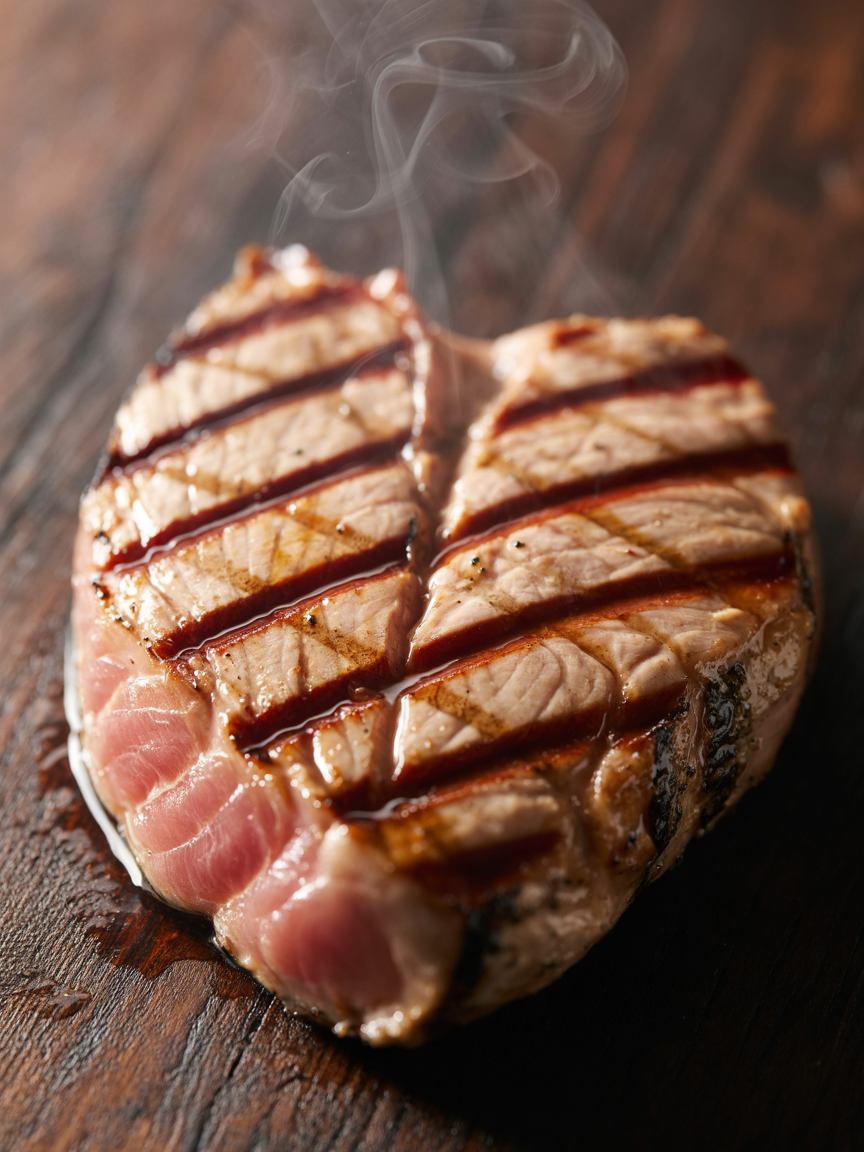
- After 2 to 2.5 minutes, open the lid and rotate each steak 90 degrees on the same side - this creates those classic crosshatch grill marks and ensures even contact with the hot grates. Close the lid again and sear for another 1.5 to 2 minutes. You should see the edges of the tuna beginning to turn opaque and the bottom developing a deep mahogany crust.
- Flip the tuna steaks carefully using your long tongs - do not use a spatula that could break the crust you just built. Repeat the same process on the second side: 2 to 2.5 minutes sear, then a 90-degree rotate for crosshatch marks, then another 1.5 to 2 minutes. For a perfect medium-rare finish, you are targeting an internal temp of 125 degrees Fahrenheit at the center of the thickest steak. For medium, pull at 130 to 135 degrees Fahrenheit.
- Pull the steaks off the grill and immediately move them to your cutting board. This is where you rest the meat - even though tuna cook times are short, a 3 to 5 minute rest allows the juices to redistribute through the steak. Tent loosely with foil if desired, but do not seal tightly or you will trap steam and soften that crust you worked hard to build.
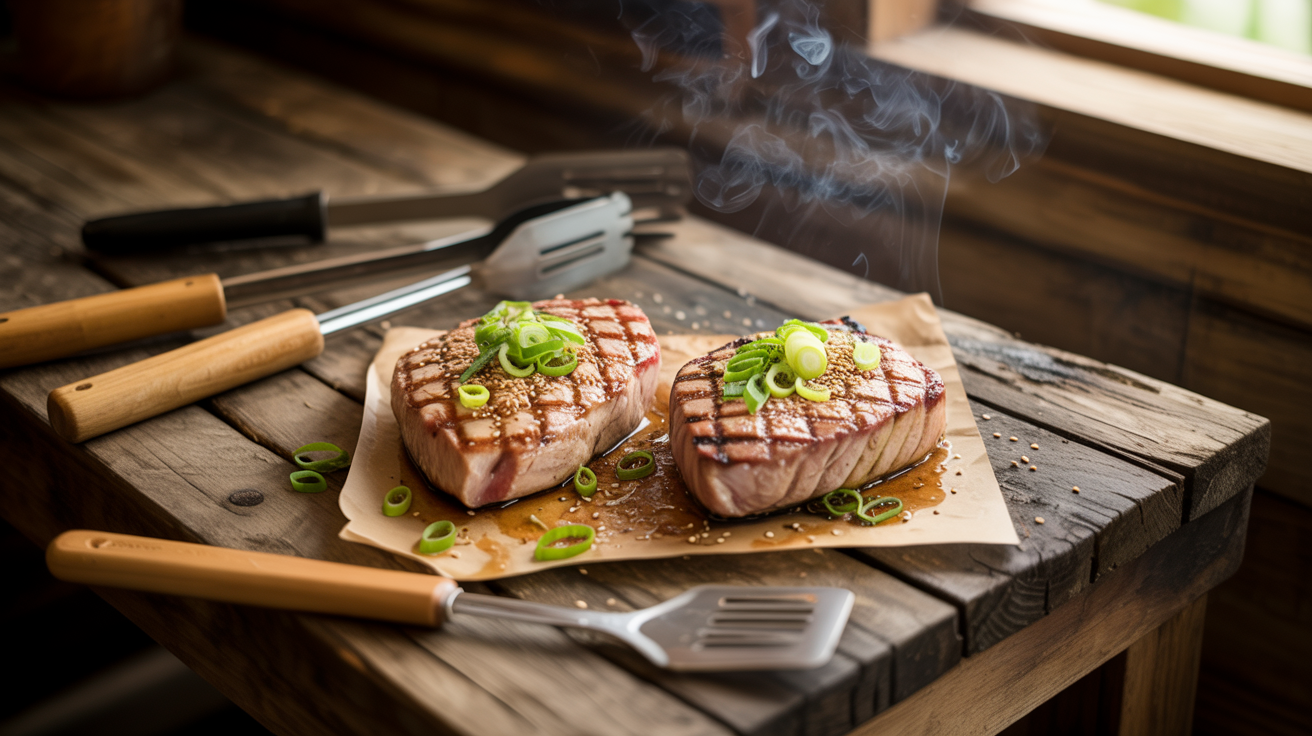
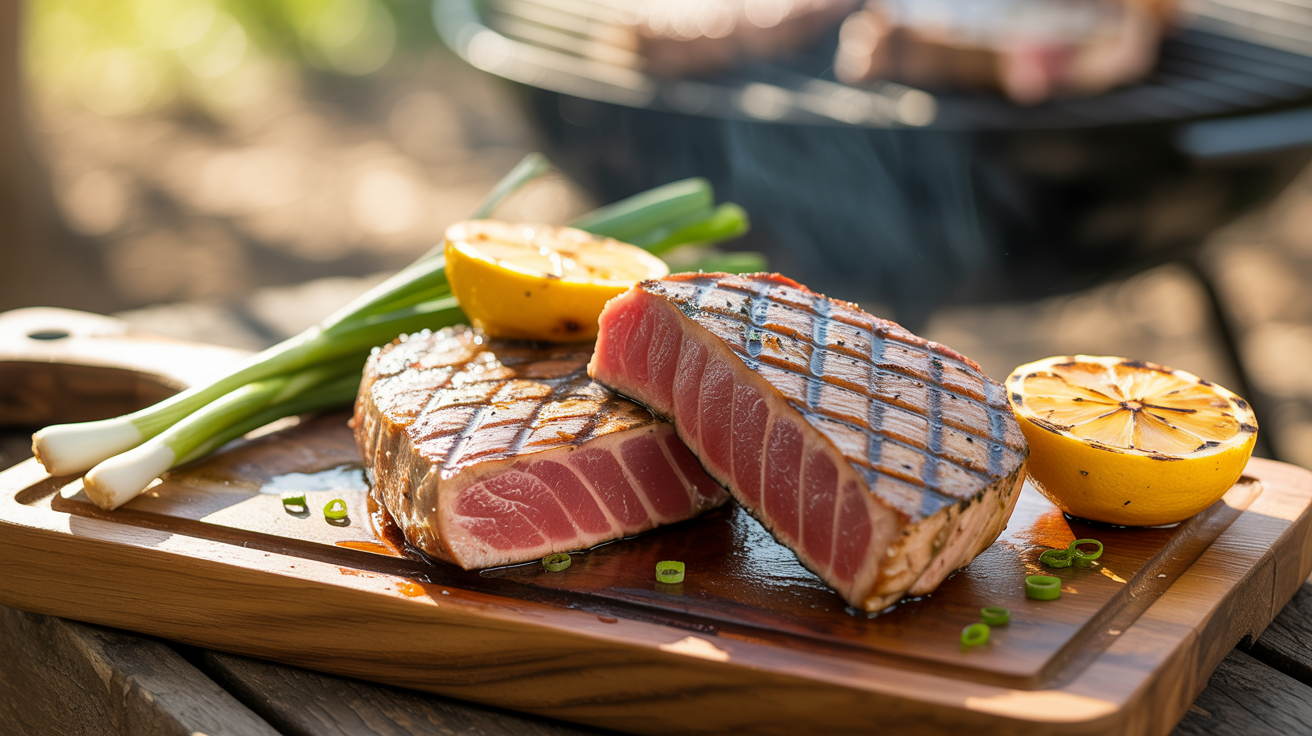
- To finish and plate, sprinkle the rested tuna steaks generously with black and white sesame seeds and fresh sliced scallions. If you want to add a final punch of flavor, drizzle a small amount of toasted sesame oil over the top right before serving. Slice against the grain at a slight diagonal to show off that gorgeous pink-to-seared gradient interior. Serve immediately while the crust is still crackling.
Nutrition
A grilled tuna steak recipe done right is one of the most satisfying things you can pull off the grill – and I am here to prove it does not need to be complicated. We are talking high heat, a screaming hot grate, and a sear that locks in that meaty, buttery interior while giving you those gorgeous crosshatch grill marks on the outside. The sweet spot for tuna is an internal temp of 125 degrees Fahrenheit for a medium-rare center – the same philosophy we apply to a great steakhouse cut.
Unlike your low and slow briskets or your overnight smoked pork shoulders, grilled tuna steaks are a fast-fire game. You are working with high direct heat – around 450 to 500 degrees Fahrenheit on your grill grates – and a cook time of only 2 to 3 minutes per side. That means your prep work and your marinade do the heavy lifting before the tuna ever hits the fire. I use a soy-sesame-citrus marinade that builds layers of umami and brightness that stand up beautifully to that char.
The biggest mistake backyard grillers make with tuna is treating it like a delicate piece of fish. Tuna is a bold, meaty protein – treat it like a steak. Let it rest after pulling it off the grate, do not rush it, and use an instant read thermometer to nail that perfect internal temp every single time. Follow this method and you will never overcook a tuna steak again.
Grilled Tuna Steak Recipe: Perfect Sear Every Time
This grilled tuna steak recipe delivers a restaurant-quality sear with a bold marinade and perfect char marks in under 15 minutes of cook time. Whether you are feeding a crowd or cooking a weeknight dinner, this is exactly why you need to fire up the grill today.
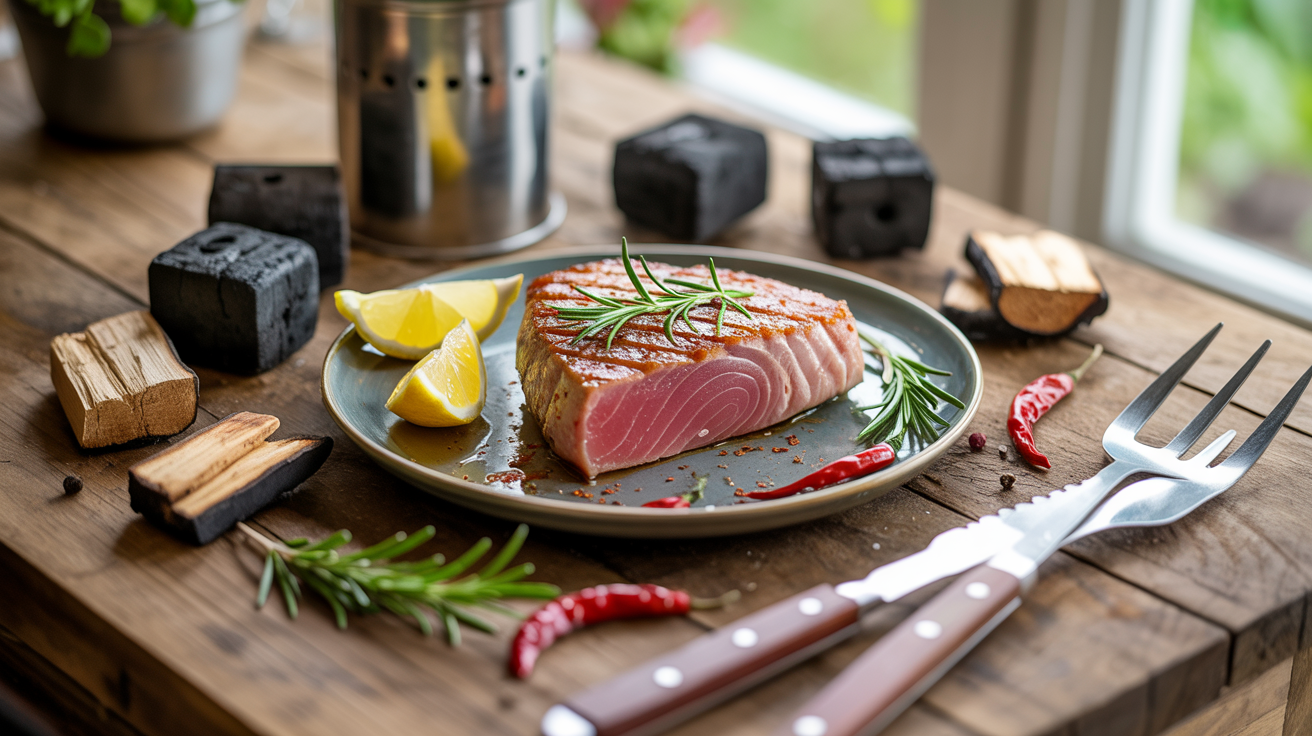
Ingredients
| AMOUNT | INGREDIENT | NOTES |
|---|---|---|
| 4 | ahi tuna steaks | 1 to 1.5 inches thick, approximately 6 to 8 oz each – fresh or thawed from frozen |
| 3 tablespoons | soy sauce | low sodium preferred |
| 2 tablespoons | sesame oil | toasted sesame oil for maximum flavor |
| 2 tablespoons | fresh lime juice | about 2 limes, freshly squeezed |
| 1 tablespoon | fresh lemon juice | adds brightness to the marinade |
| 3 cloves | garlic | minced fine |
| 1 teaspoon | fresh ginger | grated or minced – adds heat and depth |
| 1 tablespoon | honey | for slight sweetness and caramelization on the grill |
| 1 teaspoon | red pepper flakes | adjust to your heat preference |
| 2 tablespoons | olive oil | for brushing grates and coating steaks before grilling |
| 1 tablespoon | black sesame seeds | for garnish and texture |
| 1 tablespoon | white sesame seeds | for garnish – toast lightly before using |
| 2 tablespoons | fresh scallions | sliced thin, for garnish |
| 1 teaspoon | kosher salt | for seasoning before the grill |
| 1 teaspoon | cracked black pepper | coarse grind preferred |
Instructions
Nutrition (per serving)
The BBQ Story Behind This Recipe
Tuna has been a prized catch across coastal cultures for thousands of years, but grilling tuna as a backyard BBQ staple is deeply rooted in American coastal grilling traditions – particularly in Hawaii, the Pacific Coast, and the Gulf South. Hawaiian poke culture introduced the idea of treating tuna as a premium, minimally cooked protein, which naturally translated into the high-heat sear method that dominates American grilling today. Fishermen and pitmasters alike recognized that tuna, much like a prime beef steak, deserved fire and flame rather than a pot of simmering liquid.
In the American BBQ competition scene and the broader grilling community, seafood categories have grown significantly over the past two decades, with tuna steaks becoming a crowd favorite at coastal cookoffs and backyard gatherings from the Carolinas to California. The technique borrows heavily from steakhouse grilling – screaming hot grates, a short sear on each side, and a brief rest before slicing – but layers in global influences from Japanese yakitori, Mediterranean herb-crusted fish, and Gulf Coast Cajun seasoning. At GrillMasterHQ, we believe this grilled tuna steak recipe represents the best of all those traditions firing together over real flame.
Hot Off the Grill
A Closer Look
Pitmaster Tips for Best Results
- Always start with tuna steaks that are at least 1 inch thick – anything thinner will overcook in seconds at high heat and you will lose that prized medium-rare center. Look for sushi-grade ahi tuna for the best flavor and safe minimal cooking.
- Do not skip the pat-dry step before marinating. Surface moisture is the number one enemy of a good sear. Dry protein plus screaming hot oiled grates equals a perfect crust every time.
- The internal temp of 125 degrees Fahrenheit gives you a warm, deeply pink center that is safe and ideal for ahi tuna steaks. If you or your guests prefer a more cooked fish, pull at 140 to 145 degrees Fahrenheit, but know the texture will be firmer and drier.
- If your grill develops flare-ups from the marinade dripping onto coals or burners, do not panic – briefly move the steaks to a cooler zone and let the flames die down before returning them to the direct heat zone. A two-zone fire setup gives you this insurance on any grill.
- Always rest the meat after pulling it off the grill, even for a short cook like tuna. Those 3 to 5 minutes make a real difference in juice retention and help the internal temp carry over slightly, finishing the cook perfectly without the grill.
🔧 Pitmaster Equipment
Charcoal Grill or Gas Grill: High direct heat is essential for achieving that perfect crust and sear on tuna steaks. Charcoal delivers the best radiant heat and subtle smoke character.
Instant Read Thermometer: With a cook time this short, you cannot afford to guess. An instant read thermometer is the only way to hit that perfect 125 degree internal temp for medium-rare tuna.
Long Tongs: Keep your hands safe while managing high-heat direct fire and flipping delicate tuna steaks without breaking them.
Grill Brush and Oil Rag: Clean and well-oiled grates are critical to prevent tuna from sticking. Always clean and oil your grates before adding any protein.
Shallow Dish or Zip-Lock Bag: For marinating the tuna steaks evenly before they hit the fire. A shallow dish allows full surface coverage of your marinade.
Cutting Board: A sturdy wooden or composite cutting board is where you will rest the meat after grilling and slice before serving.
🔥 Variations
Cajun Blackened Tuna Steak: Skip the soy-sesame marinade and coat your tuna steaks generously in a Cajun blackening spice blend – smoked paprika, cayenne, garlic powder, onion powder, dried thyme, and black pepper. Use a cast iron skillet directly on the grill grates at 500 degrees Fahrenheit for an intense, smoky blackened crust that pays tribute to Gulf Coast BBQ tradition.
Pellet Grill Version: Set your pellet grill to its highest sear setting or use the direct flame zone if available. Cherry or alder wood pellets pair beautifully with tuna and add a mild, sweet smoke character. Follow the same marinade and timing steps – the pellet grill will add an extra layer of smoke flavor to the crust that charcoal and gas cannot replicate.
Gas Grill Version: Preheat all burners to high for a full 15 minutes before grilling. Add a smoker box loaded with soaked alder or hickory wood chips directly over one burner to introduce smoke flavor. Follow the exact same technique – oiled grates, high direct heat, and 2 to 2.5 minutes per side. The smoker box brings a hint of wood smoke that elevates the dish beyond a standard gas grill cook.
Mediterranean Herb-Crusted Tuna: Swap the Asian-inspired marinade for a Mediterranean approach: olive oil, minced fresh rosemary, thyme, oregano, lemon zest, garlic, and a pinch of crushed red pepper. Press the herb mixture firmly onto all surfaces of the tuna steak before grilling. The herbs form an aromatic crust on the high heat grates and complement the meaty richness of the ahi perfectly.
Teriyaki Glazed Grilled Tuna: Use a store-bought or homemade teriyaki glaze as your marinade base, adding fresh ginger and garlic for depth. In the final 60 seconds of grilling on each side, brush on an additional layer of teriyaki glaze and let it caramelize directly on the grates. The sugars in the glaze create a lacquered, sticky crust that is incredibly satisfying with a side of grilled pineapple.
❓ Pitmaster FAQ
What internal temperature should grilled tuna steaks reach?
For medium-rare tuna, pull your steaks off the grill at an internal temp of 125 degrees Fahrenheit. For medium, target 130 to 135 degrees Fahrenheit. If you prefer a fully cooked fish, the USDA recommends 145 degrees Fahrenheit, though this will produce a firmer, drier steak. Always use an instant read thermometer inserted into the thickest part of the steak for an accurate reading.
Can I use frozen tuna steaks for this recipe?
Absolutely – frozen tuna steaks work great as long as you thaw them properly. Move them from the freezer to the refrigerator 24 hours before grilling and never thaw on the counter at room temperature. Once thawed, pat completely dry before marinating. Look for individually vacuum-sealed tuna steaks labeled as sushi-grade for the best quality and safest minimal-cook results.
How do I keep tuna steaks from sticking to the grill?
Three things prevent sticking: a clean grill, screaming hot grates, and oil. Before every cook, brush your grates clean with a wire brush, then use your long tongs and an oil-soaked paper towel to wipe the grates right before adding the tuna. Your grill should be at 450 to 500 degrees Fahrenheit – if the temp is too low, the protein will bond to the grates instead of releasing cleanly with a sear.
What type of tuna is best for grilling?
Ahi tuna – also known as yellowfin or bigeye tuna – is the gold standard for grilled tuna steak recipes. It has a firm, meaty texture that holds up to direct high heat without falling apart, and a rich, clean flavor that stands up to bold marinades. Bluefin is exceptional but expensive. Avoid canned or albacore tuna, which do not have the right texture or fat content for the grill.
How long should I marinate tuna steaks?
No more than 20 to 30 minutes in an acid-based marinade like the soy-citrus blend in this recipe. The citrus juice will begin to chemically cook the outer layer of the tuna if you leave it too long, compromising the texture and sear you are working toward. If you want to prep ahead, mix the marinade in advance and add the tuna only when you are ready to fire up the grill.
Can I grill tuna steaks on a charcoal grill instead of gas?
Charcoal is actually the preferred method for this grilled tuna steak recipe. A full chimney of lit coals spread in a single even layer generates intense radiant heat and adds a subtle smokiness that gas simply cannot match. The high heat of charcoal is ideal for the fast, aggressive sear that creates the crust and the rare-to-medium interior that makes grilled tuna so impressive.