Grilled Beef Tenderloin Recipe - Perfect Every Time
Ingredients
Method
- Trim and tie the tenderloin at least 2 hours before grilling, and ideally the night before. Lay the tenderloin on your cutting board and use a sharp boning knife to remove all silverskin - that tough, silvery connective tissue that will not break down during cooking and creates an unpleasant chewy texture. Fold the thin tail end of the tenderloin back under itself and tie securely so the roast is roughly the same diameter from end to end. Then tie additional loops of butchers twine every 2 inches along the entire length. This step is critical for even cooking - an untied tenderloin is tapered and will overcook on the thin end before the thick center reaches temp.
- Season aggressively and rest the tenderloin on the counter. Coat the entire surface with olive oil, then combine the kosher salt, black pepper, garlic powder, smoked paprika, onion powder, crushed dried rosemary, and dried thyme in a small bowl. Rub the seasoning blend all over every surface of the tied tenderloin, pressing it in firmly. Do not be shy here - a roast this size needs bold seasoning to deliver flavor all the way to the crust. Place the seasoned tenderloin on a wire rack set over a sheet pan and let it sit uncovered at room temperature for at least 45 minutes to allow the seasoning to penetrate and the surface moisture to dry out slightly. A dry surface means a better crust.
- Fire up the grill for a two-zone indirect setup. If you are using a charcoal kettle, light a full chimney of hardwood charcoal and once the coals are ashed over, bank them all to one side of the grill. This gives you a direct heat zone over the coals and an indirect zone on the opposite side where there are no coals beneath the grate. Toss your hardwood smoking chunks directly onto the coals - cherry or oak wood pairs beautifully with beef tenderloin. Replace the grill grate and let the grill stabilize at 225 to 250 degrees Fahrenheit on the indirect side with the lid closed. This low and slow phase is where the smoke does its work.
- Place the tenderloin on the indirect heat zone, away from the coals, and close the lid. Let it cook low and slow at 225 to 250 degrees Fahrenheit, turning once halfway through, until the internal temp at the thickest point reads 115 degrees Fahrenheit on your instant read thermometer. This phase typically takes 35 to 50 minutes depending on the thickness of your roast and your grill temperature. Resist the urge to lift the lid constantly - every time you open it, you lose heat and smoke. At 115 degrees internal, you will notice a faint smoke ring just beneath the surface and a light crust beginning to form. That is your cue to get ready for the sear.
- While the tenderloin rests on the indirect side, open all grill vents completely and add a fresh half chimney of lit coals directly on top of the banked coals to get the direct zone scorching hot. You want the grates directly above the coals to reach 500 to 600 degrees Fahrenheit - hold your hand 6 inches above the grate and if you cannot keep it there for even 1 second, the fire is ready. Set a small cast iron skillet on the grill grate near the edge of the fire and add the butter, smashed garlic, fresh rosemary sprigs, and fresh thyme. Let the butter melt and begin to foam while you prepare to sear.
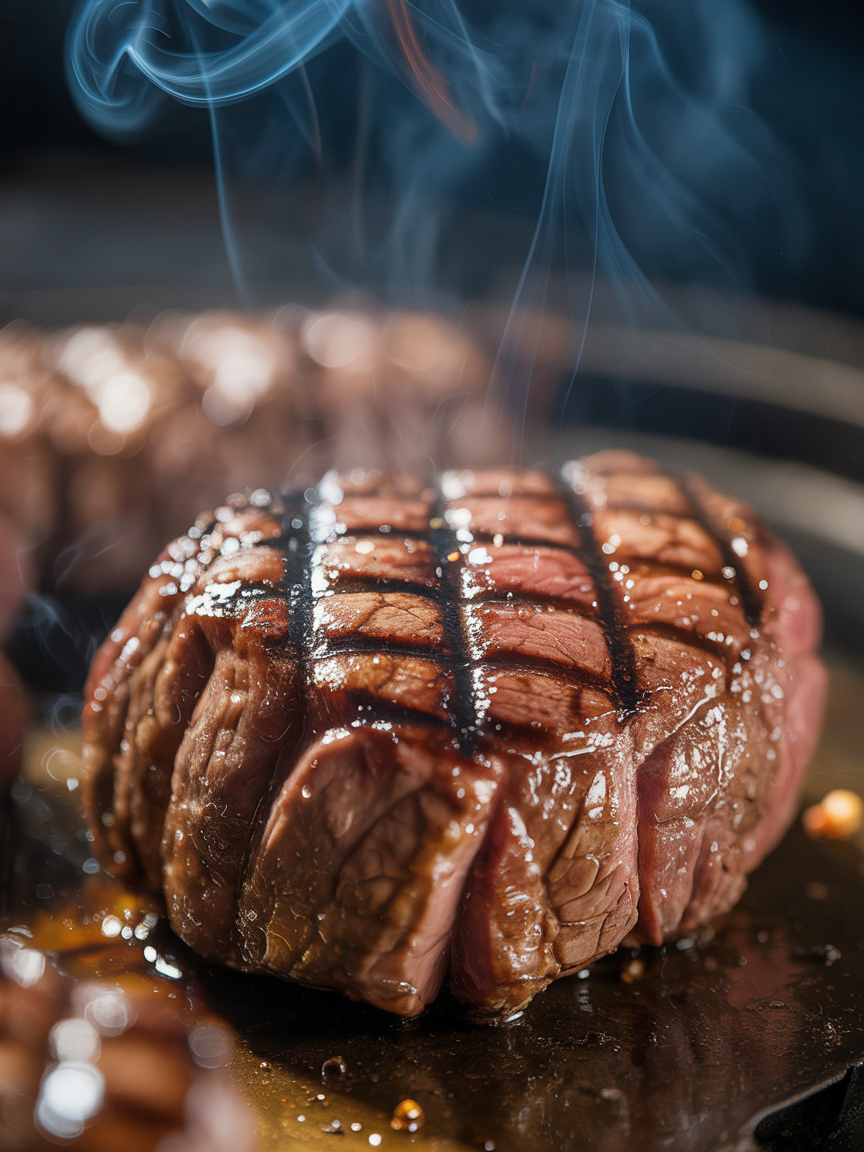
- Transfer the tenderloin directly over the hot coals and sear it, turning with long tongs every 60 to 90 seconds, until a deep mahogany crust has formed on all sides - this should take no more than 5 to 7 minutes total. Every 90 seconds, spoon the garlic herb butter generously over the top of the tenderloin as you rotate it. You want color on every surface including the ends. Watch for flare-ups - if the fat from the baste causes a flame-up, use your tongs to move the tenderloin slightly off the hottest part of the coals for a moment, then continue. The internal temp will climb quickly during this phase - check it frequently.
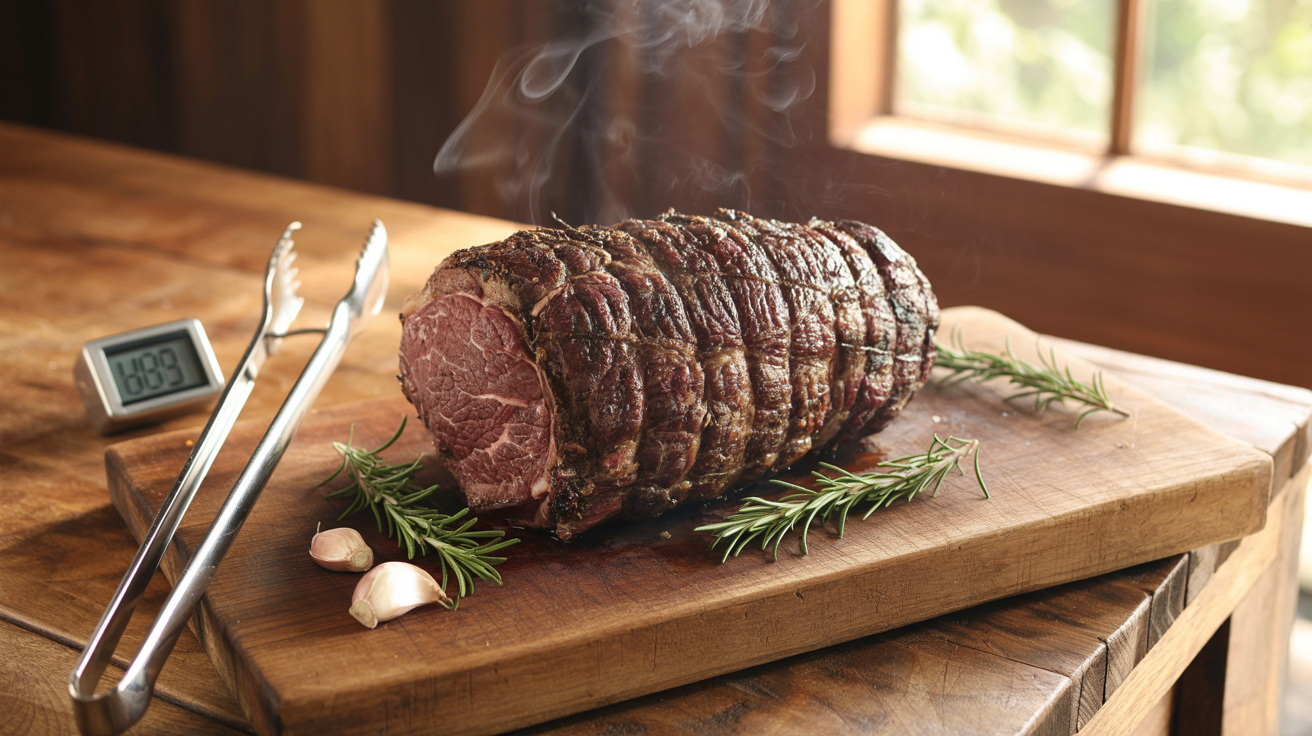
- Pull the tenderloin off the grill when the internal temp at the thickest point reaches 125 to 128 degrees Fahrenheit for medium-rare. Remember that carryover cooking will raise the temp another 5 degrees or so as it rests, bringing it to a perfect 130 to 133 degrees Fahrenheit medium-rare. Transfer the tenderloin to your cutting board with a juice groove, tent it loosely with aluminum foil, and rest the meat for a minimum of 10 minutes - 15 minutes is even better. Do not skip the rest. Cutting into it early will release all the juices that are still redistributing through the meat, leaving you with a dry, less flavorful result.
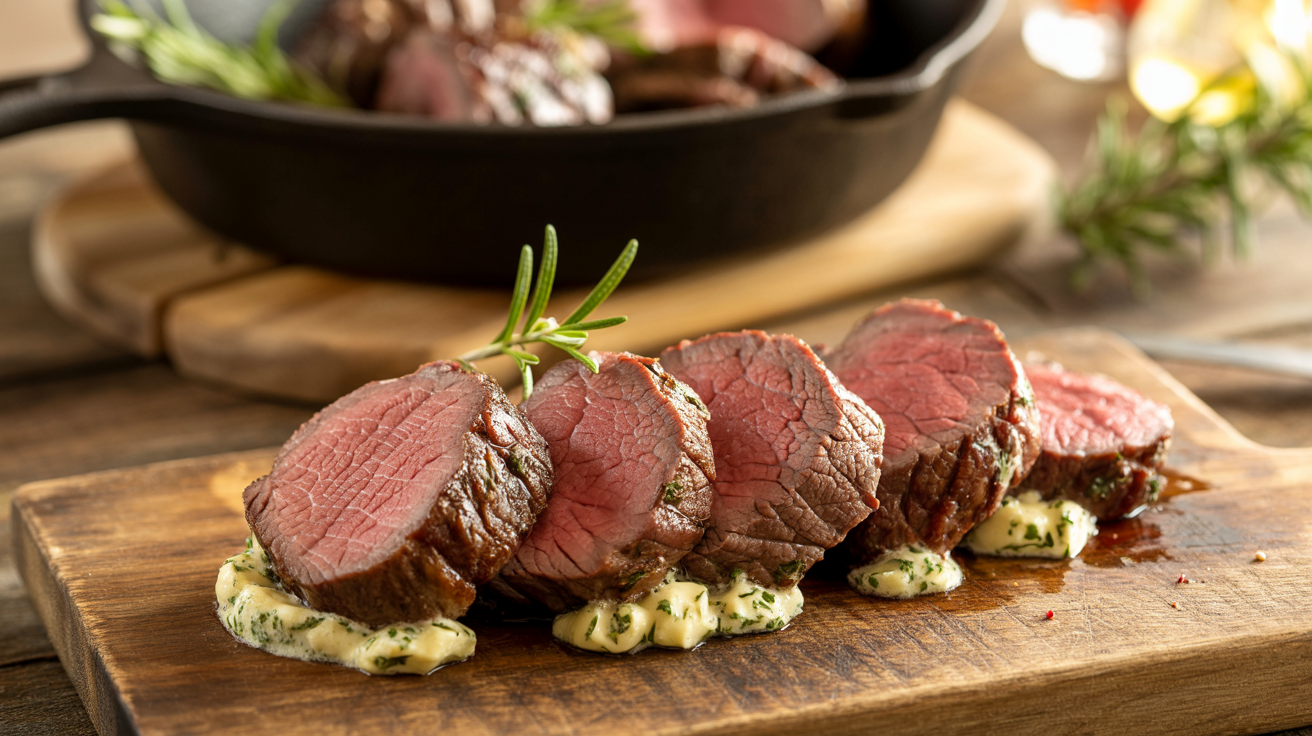
- Remove the butchers twine, slice the tenderloin into 1-inch to 1.5-inch medallions with a sharp slicing knife, and arrange them on a warm serving platter or directly on the cutting board. Spoon any remaining garlic herb butter and the collected resting juices over the sliced medallions. Finish with a light pinch of flaky sea salt over each slice and garnish with fresh rosemary sprigs. Serve immediately while the crust is still crackling and the interior is a gorgeous, even rosy pink from edge to edge.
Nutrition
This grilled beef tenderloin recipe is the crown jewel of the grill master repertoire – a lean, buttery-soft cut that rewards patience, precision, and proper fire management with results that will leave your guests speechless. We are talking about a center-cut tenderloin brought to an internal temp of 130 degrees Fahrenheit for a perfect medium-rare, using a reverse sear technique that builds incredible crust while keeping every inch of that rosy interior intact. When most people think of tenderloin, they think oven-roasted in a fancy kitchen, but we are here to tell you the grill does it better every single time.
The secret to nailing this cut on the grill is two-stage cooking. First, you set up an indirect heat zone around 225 to 250 degrees Fahrenheit and let the tenderloin come up to around 115 degrees internal temp low and slow, absorbing just a kiss of smoke along the way. Then you crank that fire wide open and sear the exterior over screaming hot direct heat – we are talking 500 degrees plus – to build that deep mahogany crust in under 90 seconds per side. That contrast of textures, that bark on the outside and silky tender interior, is what separates a good tenderloin from a legendary one.
This recipe walks you through every detail from trimming the silverskin to the all-important rest period after pulling it off the grill. Whether you are firing up the grill for a holiday dinner, a backyard celebration, or just because a beautiful whole tenderloin was calling your name at the butcher counter, this guide has you covered. Grab your instant read thermometer, your sharpest knife, and your best hardwood charcoal – this is going to be one for the record books.
Grilled Beef Tenderloin Recipe – Perfect Every Time
This grilled beef tenderloin recipe delivers a buttery, perfectly seared roast with a gorgeous crust and rosy center. Using a reverse sear method and precise internal temp monitoring, you will nail this showstopper cut every single time. Fire up the grill tonight and impress everyone at your table.
Ingredients
| AMOUNT | INGREDIENT | NOTES |
|---|---|---|
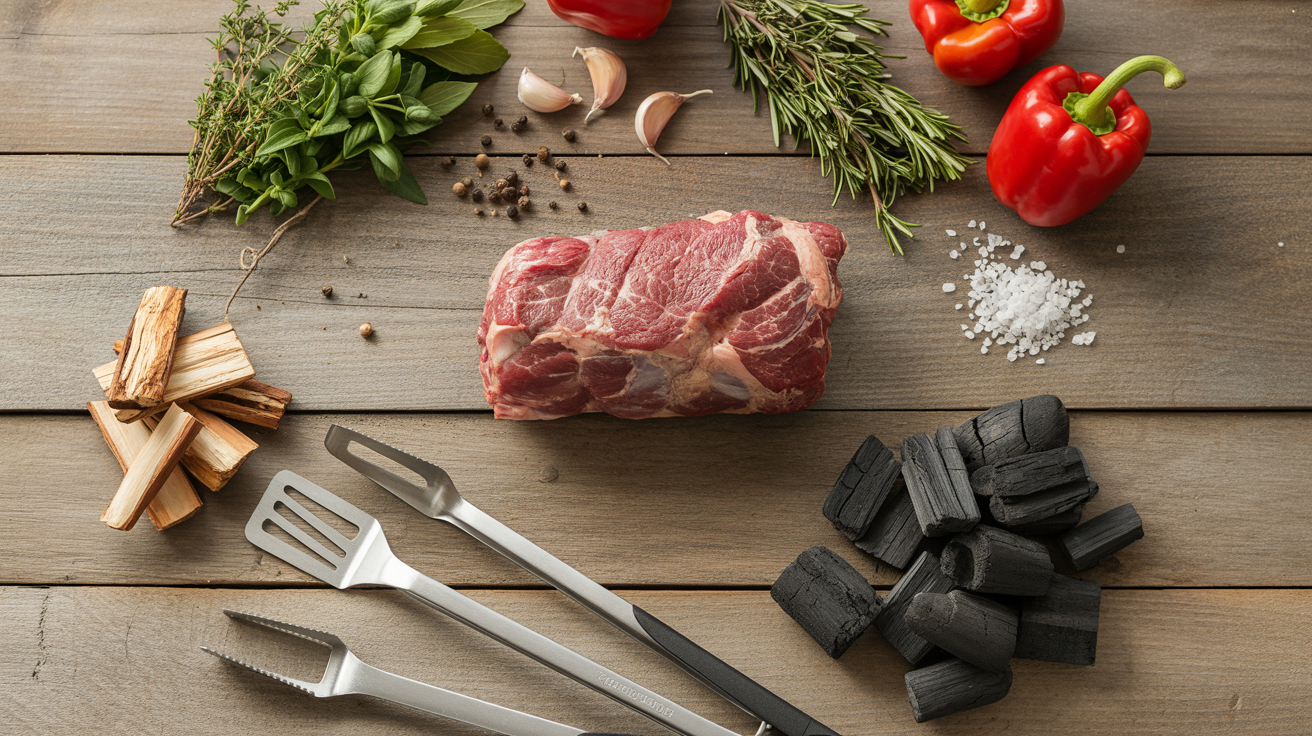
| 3 lbs | whole beef tenderloin, center-cut | trimmed of silverskin and excess fat, tied with butchers twine every 2 inches |
| 3 tablespoons | extra virgin olive oil | for coating before seasoning |
| 2 tablespoons | kosher salt | coarse grind, applied at least 1 hour before grilling |
| 1 tablespoon | coarse black pepper | freshly cracked for best flavor |
| 1 tablespoon | garlic powder | not garlic salt |
| 1 teaspoon | smoked paprika | adds subtle color and smoke depth |
| 1 teaspoon | onion powder | rounds out the savory base |
| 0.5 teaspoon | dried thyme | or 1 teaspoon fresh thyme leaves |
| 0.5 teaspoon | dried rosemary | crushed fine between your fingers before applying |
| 4 tablespoons | unsalted butter | for the finishing baste |
| 3 cloves | fresh garlic | smashed and minced, for the basting butter |
| 2 sprigs | fresh rosemary | for the basting butter and garnish |
| 1 tablespoon | fresh thyme leaves | for the basting butter |
| 2 chunks | hardwood smoking wood | cherry or oak work beautifully with beef tenderloin |
Instructions
Nutrition (per serving)
The BBQ Story Behind This Recipe
Beef tenderloin has graced the tables of royalty, presidents, and celebratory feasts for centuries, but its relationship with live fire goes back even further than the white-tablecloth dining rooms that made it famous. Before the age of cast iron ovens and temperature-controlled ranges, this prized muscle from the loin of the steer was roasted directly over open coals by cooks who understood that the clean, neutral flavor of the tenderloin demanded bold char and wood smoke to reach its full potential. In the American South and on cattle ranches throughout the Great Plains, whole tenderloins were a treasured reward on butchering day – cooked quickly over hardwood coals while the rest of the animal was prepped for preservation.
The modern BBQ and grilling renaissance of the past two decades has brought the tenderloin back to its rightful home over fire, with pitmasters across the country reclaiming it from the fine dining world and putting their own smoke-kissed stamp on it. The reverse sear method, popularized by backyard grilling communities and serious BBQ competitors, transformed how we approach this cut – proving that low and slow heat followed by a high-heat finish produces a more evenly cooked, more deeply flavored result than any high-heat-only approach. At GrillMasterHQ, we believe every cut of beef deserves the respect of a proper fire, and the tenderloin, king of all beef cuts, deserves nothing less than your absolute best technique.
Hot Off the Grill
A Closer Look
Pitmaster Tips for Best Results
- Always dry brine your tenderloin uncovered in the refrigerator overnight if time allows. Salt applied 12 to 24 hours in advance draws out surface moisture, then gets reabsorbed back into the meat, seasoning it deeper than a last-minute rub ever could and promoting an even better crust during the sear.
- Pull the tenderloin off the grill 5 degrees before your target internal temp every single time. Carryover cooking is real – the residual heat in a 3-pound roast will push the internal temp up another 5 to 7 degrees during the rest period. Waiting until you hit 130 degrees on the grill means you will end up at 135 to 137 degrees by the time you slice, which is medium, not medium-rare.
- Use hardwood charcoal rather than standard briquettes for this cook. Hardwood charcoal burns hotter, cleaner, and with less off-putting chemical flavor. For smoking wood, cherry is our top pick for beef tenderloin – it produces a lighter, fruit-forward smoke that complements the delicate flavor of the tenderloin without overpowering it the way stronger woods like hickory can.
- Do not overthink the seasoning on a tenderloin. This cut has such a clean, elegant beef flavor that a heavy, complex rub will actually work against you. Salt, pepper, garlic, and a touch of smoked paprika is genuinely all you need. Let the smoke, the butter baste, and the char do the heavy lifting on flavor – they will not let you down.
- If your tenderloin comes with a long thin tail section, fold it under and tie it as described in the instructions, but also keep a close eye on the temperature at that end during the indirect phase. Even with tying, the tail section may run a few degrees hotter than the center. Insert your thermometer into the thickest center section for your reference temp reading every time.
🔧 Pitmaster Equipment
Charcoal Grill or Kettle Grill: A two-zone charcoal setup gives you the indirect heat zone for the low and slow phase and a screaming hot sear zone for the final crust. Hardwood charcoal burns hotter and cleaner than briquettes for this application.
Instant Read Thermometer: This is non-negotiable for tenderloin. Pulling it at exactly 115 degrees before the sear and confirming 130 degrees for medium-rare after is the difference between a perfect roast and an overcooked disappointment.
Long Tongs: During the high-heat sear phase, the grill is scorching hot. Long heavy-duty tongs give you the control to rotate the tenderloin safely across all sides without burning your hands or dropping the roast.
Butchers Twine: Tying the tenderloin into a uniform cylinder ensures even cooking from end to end. Without it, the thin tail end will overcook long before the thick center reaches target temp.
Basting Brush or Spoon: For applying butter and herb baste during the sear phase. A cast iron skillet on the grill grate works great for melting the compound butter right there beside the flame.
Cutting Board with Juice Groove: When you rest the meat and slice, a board with a juice groove catches all those precious juices that you will want to spoon back over the sliced tenderloin before serving.
🔥 Variations
Pellet Grill Version: Set your pellet grill to 225 degrees Fahrenheit and use cherry or oak pellets for the best smoke profile on beef. Follow the same reverse sear process, pulling the tenderloin at 115 degrees internal, then crank the pellet grill to its highest setting – usually 500 to 600 degrees – and sear directly on the grate for 60 to 90 seconds per side to build that gorgeous crust. The basting butter technique works exactly the same way on a pellet grill.
Gas Grill Version: On a gas grill, set up two-zone indirect heat by turning one side of burners to medium-low and leaving the other side off. Place a smoker box filled with soaked cherry or oak wood chips directly over the lit burners to generate smoke during the indirect phase. Stabilize the indirect zone at 225 to 250 degrees Fahrenheit with the lid closed, follow the same reverse sear process, and for the final sear, crank all burners to maximum and sear over direct heat just like the charcoal version.
Herb-Crusted Version: After the low and slow indirect phase, brush the tenderloin with a thin coat of Dijon mustard before the sear. The mustard acts as a binder and adds a tangy depth to the crust. During the final sear, the mustard caramelizes into the herb rub creating an extra-thick, crackly bark with incredible flavor complexity. This variation pairs especially well with a classic red wine reduction sauce on the side.
Smoked Beef Tenderloin: For a more pronounced smoke experience, skip the sear-first approach and run the tenderloin in your smoker at 225 degrees Fahrenheit with cherry or oak wood all the way to 125 degrees internal temp. You will develop a more pronounced smoke ring and deeper smoke flavor throughout. Finish with a 2 to 3 minute butter baste sear over ripping hot coals or a screaming hot cast iron skillet on the grill to set the crust before resting.
❓ Pitmaster FAQ
What internal temperature should grilled beef tenderloin reach?
For medium-rare, which is the ideal doneness for beef tenderloin, pull it off the grill at 125 to 128 degrees Fahrenheit. Carryover cooking during the rest period will bring it up to 130 to 133 degrees Fahrenheit, which is a perfect medium-rare. For medium, pull at 130 degrees and let it rest to 135 to 138 degrees. We do not recommend cooking tenderloin beyond medium – this lean cut loses its signature buttery texture quickly at higher temperatures.
Can I use a gas grill instead of charcoal for beef tenderloin?
Absolutely. Set up two-zone indirect heat by running one side of your gas grill on medium-low and leaving the opposite side off. Add a smoker box with soaked cherry or oak wood chips over the lit burners to introduce smoke flavor during the indirect cooking phase. For the final sear, crank all burners to maximum and sear over direct heat for 60 to 90 seconds per side. The results are excellent on a gas grill when you use the smoker box and follow the reverse sear method.
How long does it take to grill a whole beef tenderloin?
A 3-pound center-cut tenderloin on the reverse sear method will take approximately 35 to 50 minutes during the indirect low and slow phase at 225 to 250 degrees Fahrenheit, followed by 5 to 7 minutes of high-heat searing, plus a 10 to 15 minute rest. Total active grill time is roughly 45 to 60 minutes. Always cook to internal temp rather than time alone, as grill temperatures and tenderloin thickness vary.
Do I need to tie the beef tenderloin before grilling?
Yes, tying is strongly recommended. The natural shape of a whole tenderloin is tapered – thick in the center and thin at the tail end. Without tying the tail under and securing the roast with butchers twine, the thin end will overcook significantly before the thick center reaches your target internal temp. Tying it into a uniform cylinder is a 5-minute step that makes an enormous difference in the final result.
What is the best wood for smoking beef tenderloin?
Cherry wood is our top recommendation for beef tenderloin. It produces a mild, slightly sweet smoke that complements the delicate flavor of this cut without overwhelming it. Oak is a close second and produces a slightly bolder, more classic BBQ smoke flavor that pairs beautifully with the garlic herb butter baste. Avoid heavy woods like mesquite on this cut – mesquite smoke is very powerful and can easily overpower the clean beef flavor that makes tenderloin so special.
Can I prep the beef tenderloin the night before?
Yes, and we highly recommend it. Trimming, tying, and applying the dry rub the night before and leaving the tenderloin uncovered on a wire rack in the refrigerator overnight produces a noticeably better crust and more deeply seasoned meat. The overnight dry brine draws out surface moisture, which then gets reabsorbed into the meat carrying the salt deeper into the muscle. Pull the tenderloin from the refrigerator 45 to 60 minutes before grilling to take the chill off and promote even cooking.