Smoked Beef Shoulder Recipe: Texas-Style Beef Clod
Ingredients
Method
- Trim the beef clod the night before your smoke. Lay the clod fat side up on your cutting board and trim the fat cap down to a consistent one quarter inch thickness. Remove any hard fat or silver skin from the meat side that will not render during the cook. A properly trimmed clod should have a clean, well-defined shape with no ragged edges. Once trimmed, pat the entire surface dry with paper towels - a dry surface is essential for bark development.
- Mix your dry rub by combining one cup kosher salt, one cup coarse black pepper, three tablespoons garlic powder, two tablespoons onion powder, two tablespoons smoked paprika, and one tablespoon cayenne if using. This is a Texas-style rub that lets the beef be the star. Mix it thoroughly and set it aside.
- Apply a thin, even coat of yellow mustard over the entire surface of the clod, including the sides and bottom. This is your binder - do not worry about the mustard flavor, it completely disappears during the cook. Immediately after applying the mustard, season the clod generously on all sides with your rub, pressing it gently into the meat so it adheres. You want visible coverage on every surface. Once seasoned, place the clod on a wire rack over a sheet pan and refrigerate uncovered overnight or for at least 4 hours to let the rub set and dry brine the meat.
- Fire up the smoker about 60 minutes before you plan to put the clod on. You are targeting a steady 250 degrees Fahrenheit at grate level. For an offset smoker, build your fire with hardwood lump charcoal and add post oak wood chunks or splits as needed to maintain clean, thin blue smoke. You want thin blue smoke, not thick white billowing smoke, which means your fire is burning clean and efficiently. Thick white smoke creates a bitter, acrid bark - patience at this stage makes all the difference.
- Pull the clod from the refrigerator 30 to 45 minutes before it goes on the smoker so it can take some of the chill off. This helps it accept smoke more readily in the early phase of the cook. Mix your apple cider vinegar and water in a spray bottle and set it nearby. Load your leave-in probe thermometer and insert it into the deepest part of the clod, away from any bones or fat deposits, for an accurate internal temp reading.
- Place the beef clod on the smoker fat side up, positioned over your drip pan. Fat side up allows the rendering fat to baste the meat as it cooks down through the muscle fibers. Close the lid and do not open it for the first two hours. Let the smoke work undisturbed. Maintain your 250 degree Fahrenheit temperature by managing your fire and airflow. Remember, every time you open the lid you lose heat and add cooking time.
- After the first two hours, begin spritzing the clod every 45 to 60 minutes with your apple cider vinegar and water mixture. A quick, even spritz over the entire surface is all you need - you are not soaking it, just keeping the surface moist enough to continue building bark and absorbing smoke. Continue maintaining 250 degrees Fahrenheit and adding wood chunks as needed to keep clean smoke flowing. The bark will begin developing color around the 4 to 5 hour mark and you will start smelling that deep, rich combination of beef fat, smoke, and caramelized rub.
- Watch for the stall, which typically hits between 155 and 165 degrees Fahrenheit internal temp. The stall can last anywhere from 2 to 4 hours as evaporative cooling balances out the heat and holds the internal temp steady. Do not panic, do not crank up the heat. This is a natural part of the process. When the internal temp has been stalled for about an hour, you can wrap the clod in pink butcher paper or heavy-duty foil with a couple tablespoons of beef tallow or butter tucked inside. This is called the Texas Crutch and it helps push through the stall while preserving the bark better than foil alone.
- Return the wrapped clod to the smoker and continue cooking at 250 degrees Fahrenheit until the internal temp reaches 200 to 205 degrees Fahrenheit. At this temperature the collagen has converted to gelatin, the connective tissue has broken down, and the meat will probe tender - meaning when you insert your thermometer probe it slides in with little to no resistance, like a knife through warm butter. The total cook time from start to finish on a full 15 to 20 pound clod will be approximately 14 to 18 hours depending on size, starting temp of the meat, and how well you maintained your smoker temperature.
- Once the clod probes tender at 200 to 205 degrees Fahrenheit, remove it from the smoker. Do not unwrap it yet. Place the wrapped clod in a dry cooler, fat side up, and stuff any empty space around it with old towels or newspaper to retain heat. Let the meat rest for a minimum of one hour and ideally two hours. Resting the meat is not optional - it allows the muscle fibers to relax, the juices to redistribute, and the internal temp to equalize throughout the cut. Skipping the rest means dry, uneven slices no matter how well you managed the cook.
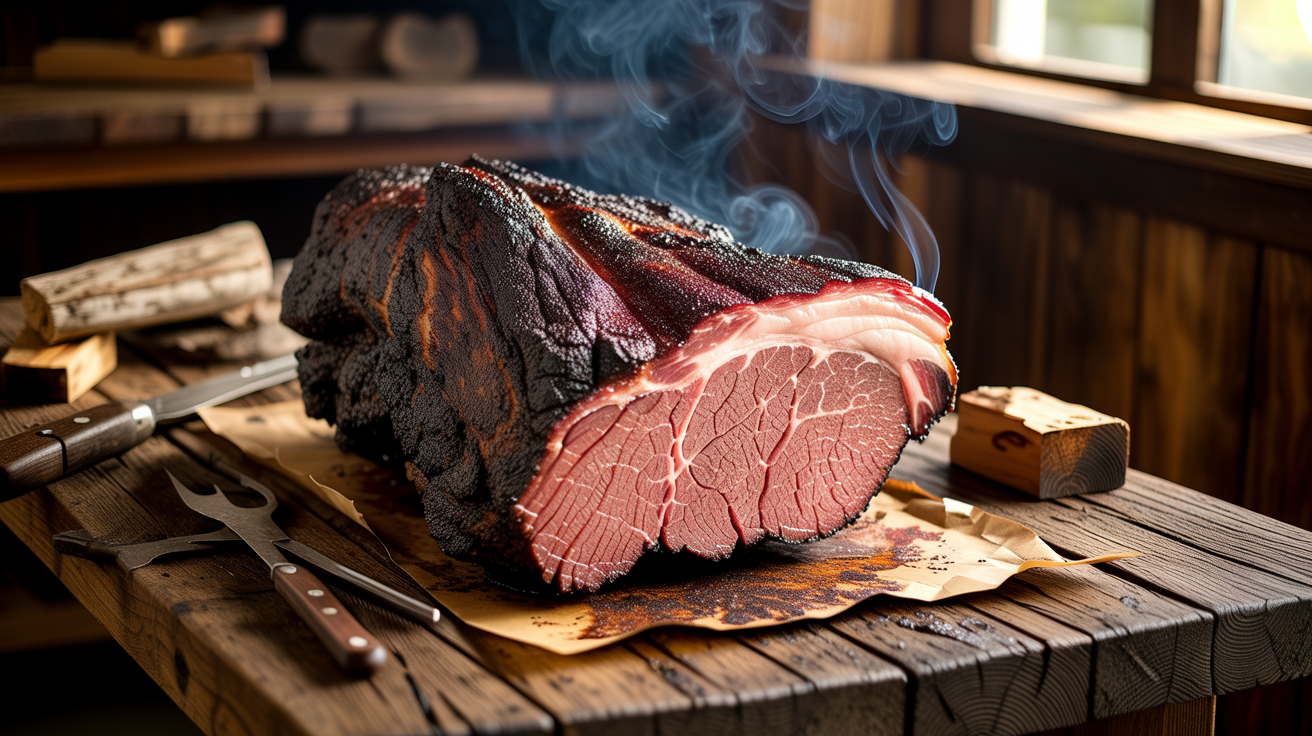
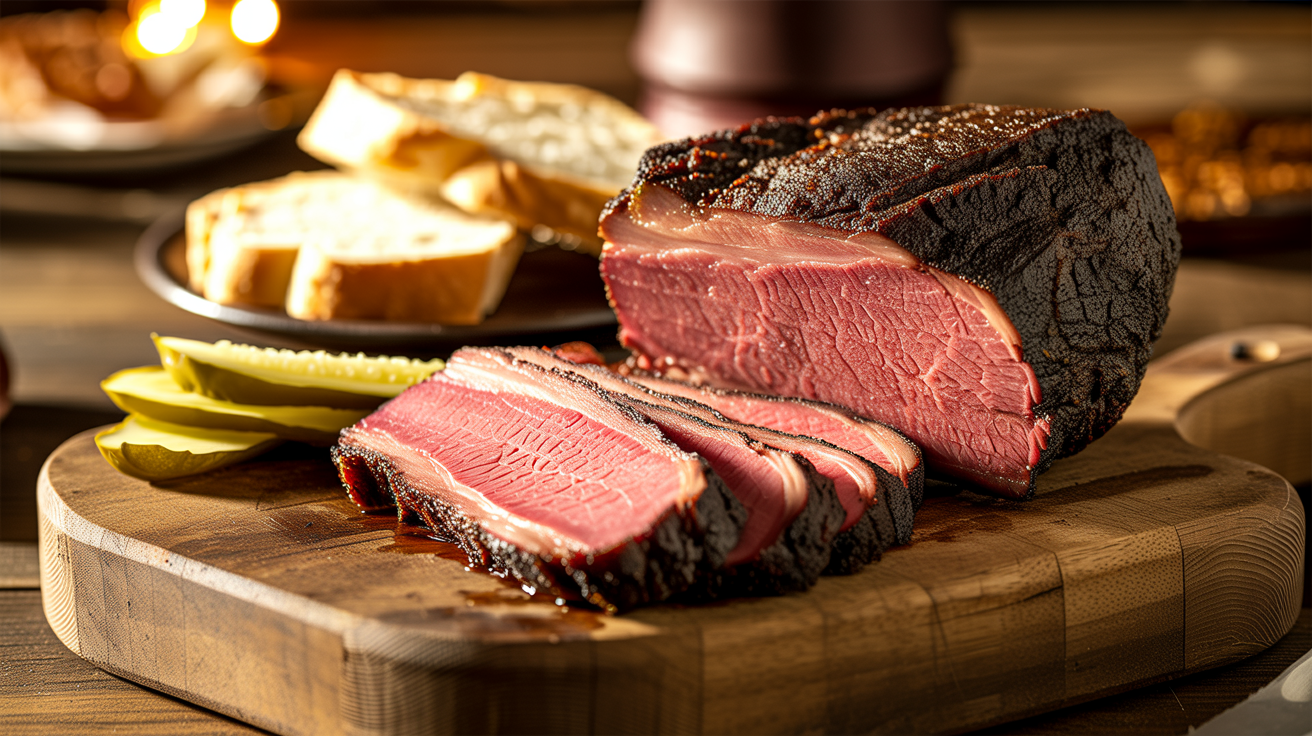
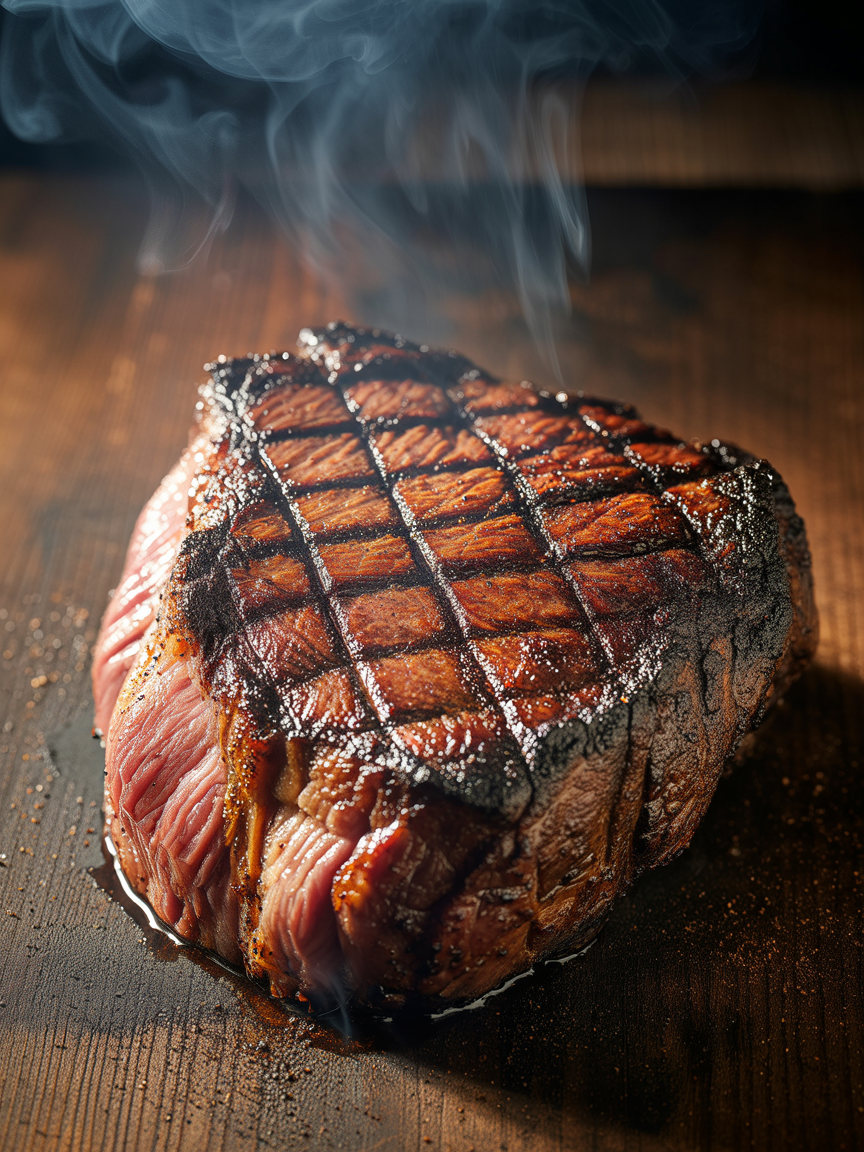
- After resting, unwrap the clod on your large cutting board and take a moment to appreciate the bark you just built - deep mahogany, crusty, aromatic, and packed with concentrated beef and smoke flavor. Locate the grain direction of the meat, which can vary by muscle section on a clod, and slice perpendicular to the grain in slices about one quarter to three eights inch thick for serving. Serve immediately with your favorite BBQ sides, white bread, pickles, and onions in true Texas tradition.
Nutrition
This smoked beef shoulder recipe is the kind of low and slow cook that separates backyard grillers from true pitmasters – a full beef clod smoked to tender, beefy perfection with a mahogany bark so thick and flavorful it practically shatters when you slice into it. The beef clod, which comes from the shoulder section of the cow, is one of the most underappreciated cuts in the BBQ world, often overshadowed by brisket, but if you ask any old-school Texas pitmaster they will tell you the clod is where the real magic lives.
We are talking about a 15 to 20 pound primal cut cooked at 250 degrees Fahrenheit for anywhere from 14 to 18 hours over post oak wood. The connective tissue slowly breaks down, the collagen converts to gelatin, and what you end up with is a pull-apart tender shoulder roast that is rich, smoky, and deeply beefy in a way that brisket simply cannot replicate. You will get a gorgeous smoke ring penetrating deep into the meat and a bark that is built layer by layer through hours of patient fire management and the natural Maillard reaction doing its slow, beautiful work.
Do not let the size or cook time intimidate you. Once you trim the clod, apply your rub, and get it on the smoker, this is largely a hands-off cook with periodic temperature checks and maybe a spritze or two to keep the bark moist and building. Nail your internal temp, rest the meat properly, and you will be serving the kind of BBQ that stops conversation and starts legends. Let us walk you through every step of this legendary Texas-style smoked beef shoulder recipe from fire to plate.
Smoked Beef Shoulder Recipe: Texas-Style Beef Clod
This smoked beef shoulder recipe delivers Texas BBQ royalty straight from your backyard smoker. Low and slow cooking transforms a tough beef clod into melt-in-your-mouth perfection with jaw-dropping bark and a smoke ring that will make your neighbors jealous. Fire up the grill today and taste what real pit BBQ is all about.
Ingredients
| AMOUNT | INGREDIENT | NOTES |
|---|---|---|
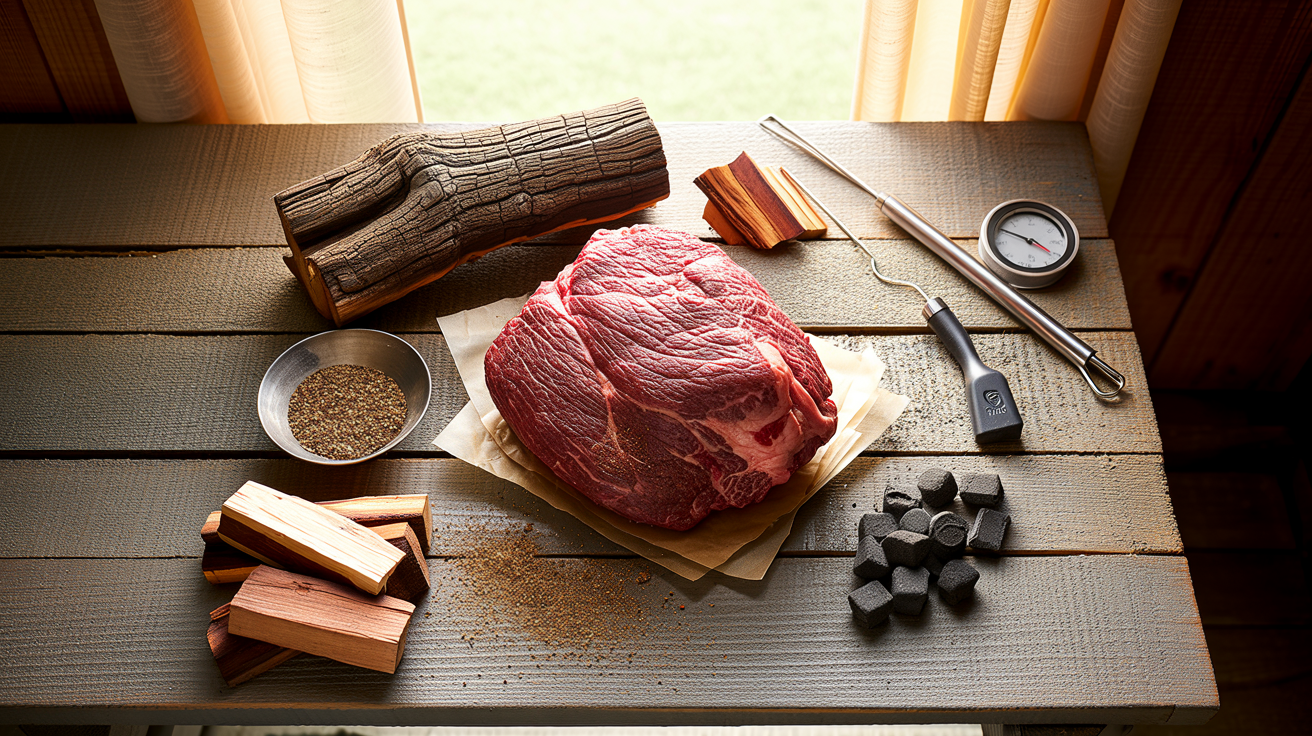
| 1 whole | beef clod (beef shoulder clod) | approximately 15 to 20 lbs, choice or prime grade, fat cap trimmed to about one quarter inch |
| 1 cup | coarse kosher salt | for the base rub, do not use fine table salt |
| 1 cup | coarse black pepper | freshly cracked 16-mesh black pepper for authentic Texas bark |
| 3 tablespoons | garlic powder | adds depth to the rub without overpowering the beef |
| 2 tablespoons | onion powder | complements the garlic and builds rub complexity |
| 2 tablespoons | smoked paprika | helps with color development and adds a subtle sweetness |
| 1 tablespoon | cayenne pepper | optional, adjust to your heat preference |
| 2 tablespoons | yellow mustard | used as a binder, the flavor cooks off completely leaving only bark |
| 4 large chunks | post oak wood | traditional Texas choice, substitute hickory or pecan if post oak is unavailable |
| 1 cup | apple cider vinegar | mixed 50/50 with water for the spritz bottle |
| 1 cup | water | for the spritz mixture |
| 2 tablespoons | beef tallow or unsalted butter | optional, for wrapping phase to add richness |
Instructions
Nutrition (per serving)
The BBQ Story Behind This Recipe
The beef clod has deep roots in Central Texas BBQ culture, and if you trace the tradition back to the early meat markets of Lockhart, Luling, and Taylor you will find beef shoulder sitting right alongside brisket as a staple of the pits. German and Czech butcher immigrants who settled Central Texas in the 1800s brought with them a culture of whole-animal utilization and slow-cooked meats. They fired up post oak in their meat market smokers to preserve and cook the tougher cuts of Texas longhorn cattle, and the beef clod was one of the primary cuts that fed working-class families and cowboys who could not afford the more prized cuts. Historically, places like Luling City Market and Kreuz Market made the clod famous long before brisket took over as the king of Texas BBQ.
By the mid-20th century, brisket began its rise to dominance partly due to USDA grading changes and the way fat content in brisket responded to low and slow smoking. The beef clod quietly faded from mainstream BBQ culture in most of the country, but dedicated Texas pitmasters never let it disappear entirely. Today there is a genuine revival of interest in the beef clod among BBQ enthusiasts who want to explore beyond brisket, and for good reason. The clod offers a different textural experience, slightly leaner slices with pockets of rich marbling, a stronger beefy flavor profile, and the satisfaction of cooking a truly massive, old-school primal cut the way the original Texas pit men intended it.
Hot Off the Grill
A Closer Look
Pitmaster Tips for Best Results
- Post oak is the traditional Texas wood for beef clod and delivers a cleaner, slightly milder smoke than hickory. If you cannot find post oak, use pecan or hickory but reduce the amount of wood you add to avoid over-smoking a cut this large. A heavy smoke at the start of the cook will give you plenty of smoke ring and flavor without going bitter.
- The fat cap direction matters. Fat side up is the standard recommendation for beef clod because gravity pulls the rendering fat down through the meat as it cooks, acting as a natural self-basting system. However, on some offset smokers where heat comes from below, fat side down can serve as a heat shield to protect the meat. Know your smoker and adjust accordingly.
- Do not trim all the fat off the clod in the name of making it leaner. That fat cap is critical to moisture and flavor during a cook this long. Trimming to one quarter inch is the sweet spot – enough fat to protect the meat and add flavor but not so much that you end up with a thick rubbery layer that will not render properly.
- Temperature consistency is everything on a cook this long. A smoker that swings between 225 and 275 degrees Fahrenheit repeatedly will result in uneven cooking and a stall that hits harder and lasts longer. Invest time in learning your specific smoker before attempting a full clod so you can keep it dialed in at 250 degrees Fahrenheit with confidence.
- If you are serving this for a specific meal time, plan to finish the cook early and hold in the cooler. A properly wrapped clod wrapped in butcher paper and then towels in a dry cooler will stay at safe serving temperature for 3 to 4 hours easily. This is called a hold and it is how competition pitmasters and restaurant pits time their service without sacrificing quality.
🔧 Pitmaster Equipment
Offset Smoker or Large Charcoal Smoker: A beef clod is a massive primal cut that needs a large cooking chamber with consistent indirect heat and excellent airflow for a 14 to 18 hour smoke session.
Instant Read Thermometer: Hitting the right internal temp is absolutely critical with a cut this large. You need a reliable instant read thermometer to probe multiple spots and confirm doneness.
Leave-In Probe Thermometer: Set a leave-in probe in the thickest part of the clod so you can monitor internal temp without opening the smoker and losing precious heat and smoke.
Long Tongs and Heat-Resistant Gloves: A full beef clod can weigh 15 to 20 pounds and is unwieldy at temperature. Heavy-duty gloves and long tongs keep your hands safe when repositioning this massive cut.
Large Aluminum Drip Pan: Place it under the clod to catch drippings which you can use for basting or making a finishing sauce, and to help regulate moisture in the cook chamber.
Spray Bottle: A simple water or apple cider vinegar spritz keeps the bark moist and helps it build color and texture during the long smoke without washing off your rub.
Butcher Paper or Heavy Foil: Used for wrapping the clod during the stall phase to push through without steaming out the bark like foil alone would.
Large Cutting Board and Sharp Slicing Knife: A beef clod needs a massive cutting surface and a long, sharp carving knife to slice properly against the grain for maximum tenderness.
🔥 Variations
Pellet Grill Version: Set your pellet grill to 250 degrees Fahrenheit and use post oak or hickory pellets for the most authentic flavor profile. Follow the same steps including the spritz schedule and butcher paper wrap at the stall. The main difference is temperature regulation will be handled automatically which makes this version more forgiving for newer BBQ cooks while still delivering excellent bark and smoke ring.
Gas Grill Version: Set up your gas grill for indirect heat by lighting only one or two burners on one side and placing the clod on the unlit side. Place a smoker box filled with pre-soaked post oak or hickory chips over the lit burner to generate smoke. You will need to replenish wood chips every 45 to 60 minutes. Maintain an internal temperature of 250 degrees Fahrenheit and follow the same wrapping and resting process. The smoke flavor will be lighter but still delicious.
Spicy Chipotle Rub Version: Replace the smoked paprika in the base rub with two tablespoons of ground chipotle pepper and add one tablespoon of ground cumin. This adds a smoky heat and Southwestern character to the clod that pairs beautifully with the deep beef flavor. Finish with a spritz of chipotle-laced apple juice instead of the standard vinegar spritz for extra depth.
Overnight Cook Version: Start your fire at 10 PM the night before your serving day, get the clod on the smoker at 250 degrees Fahrenheit, and let it run overnight. Use a leave-in probe thermometer with a remote alarm set to alert you when the internal temp hits 165 degrees Fahrenheit so you know when to wrap. By early morning the clod should be approaching final temp, giving you plenty of time to rest it before a midday or afternoon meal.
Coffee and Brown Sugar Bark Version: Add two tablespoons of finely ground dark roast coffee and two tablespoons of light brown sugar to your base rub mixture. The coffee deepens the bark color and adds an earthy, slightly bitter complexity that enhances the beefy flavor, while the brown sugar promotes caramelization. Watch your smoker temperature more carefully with this variation as the added sugar can burn at temps above 275 degrees Fahrenheit.
❓ Pitmaster FAQ
What internal temperature should smoked beef clod reach?
You are cooking smoked beef clod to tenderness, not just to a food safety number. The USDA safe internal temp for beef is 145 degrees Fahrenheit, but a beef clod needs to reach 200 to 205 degrees Fahrenheit for the collagen and connective tissue to fully break down and become tender. Use the probe test alongside your thermometer – when the probe slides in with zero resistance like pushing into warm butter, the clod is done regardless of whether it reads 200 or 207 degrees Fahrenheit.
How long does it take to smoke a full beef clod?
A full beef clod weighing 15 to 20 pounds will take approximately 14 to 18 hours at 250 degrees Fahrenheit. Plan for variability based on the starting temp of the meat, how well you maintain your smoker temperature, and how long the stall lasts on your particular cook. Always add an hour or two of buffer and hold the finished clod in a cooler rather than rushing the process by cranking up heat.
What is the difference between beef clod and brisket?
Beef clod comes from the shoulder while brisket comes from the lower chest or pectoral area. Clod is generally a bit leaner than brisket and has a different muscle structure, which means it has its own grain direction challenges when slicing. Many Texas BBQ veterans argue that clod has a more intensely beefy flavor than brisket. Brisket has more marbling and a higher fat content which makes it more forgiving on the smoker, while clod rewards precise technique and temperature management.
Can I smoke a smaller portion of the beef clod?
Absolutely. While a full beef clod is the traditional and most impressive option, you can purchase the heart of clod or a chuck roast from the same shoulder region and apply the same smoking technique at 250 degrees Fahrenheit. A 4 to 6 pound portion will cook in roughly 6 to 10 hours using the same rub, spritz schedule, and wrapping process. Pull it at the same 200 to 205 degrees Fahrenheit internal temp and probe tender standard.
What wood is best for smoked beef shoulder?
Post oak is the classic Texas choice and delivers a clean, medium-strength smoke that complements beef without overpowering it. Pecan is an excellent alternative with a slightly sweeter, nuttier smoke profile. Hickory works well but is stronger so use it more sparingly, especially on a long cook like this. Avoid lighter woods like apple or cherry on a cut this large as they simply do not have the strength to penetrate the meat and create a meaningful smoke ring over 14 to 18 hours.
Do I need to inject a beef clod?
Injection is not strictly necessary for beef clod the way it might be for a competition brisket, but it can add moisture and flavor insurance on a cut this lean. If you choose to inject, use a mixture of beef broth, a bit of soy sauce for umami depth, garlic powder, and a splash of Worcestershire sauce. Inject the clod the night before so the liquid distributes evenly through the muscle tissue before the cook. It is entirely optional and a properly smoked clod at the right internal temp will be juicy without it.
How do I store and reheat leftover smoked beef clod?
Slice only what you plan to serve immediately. Store leftover unsliced portions wrapped tightly in butcher paper and then in foil in the refrigerator for up to 4 days. To reheat, warm sliced meat in a covered pan with a splash of beef broth over low heat until warmed through, or wrap the unsliced portion in foil with a few tablespoons of broth and reheat in a 275 degree Fahrenheit oven until the internal temp hits 140 degrees Fahrenheit. The leftover smoked beef clod also makes extraordinary tacos, sandwiches, and beef hash the next day.