
Smoked Pork Tenderloin Recipe: Juicy and Tender
Ingredients
Method
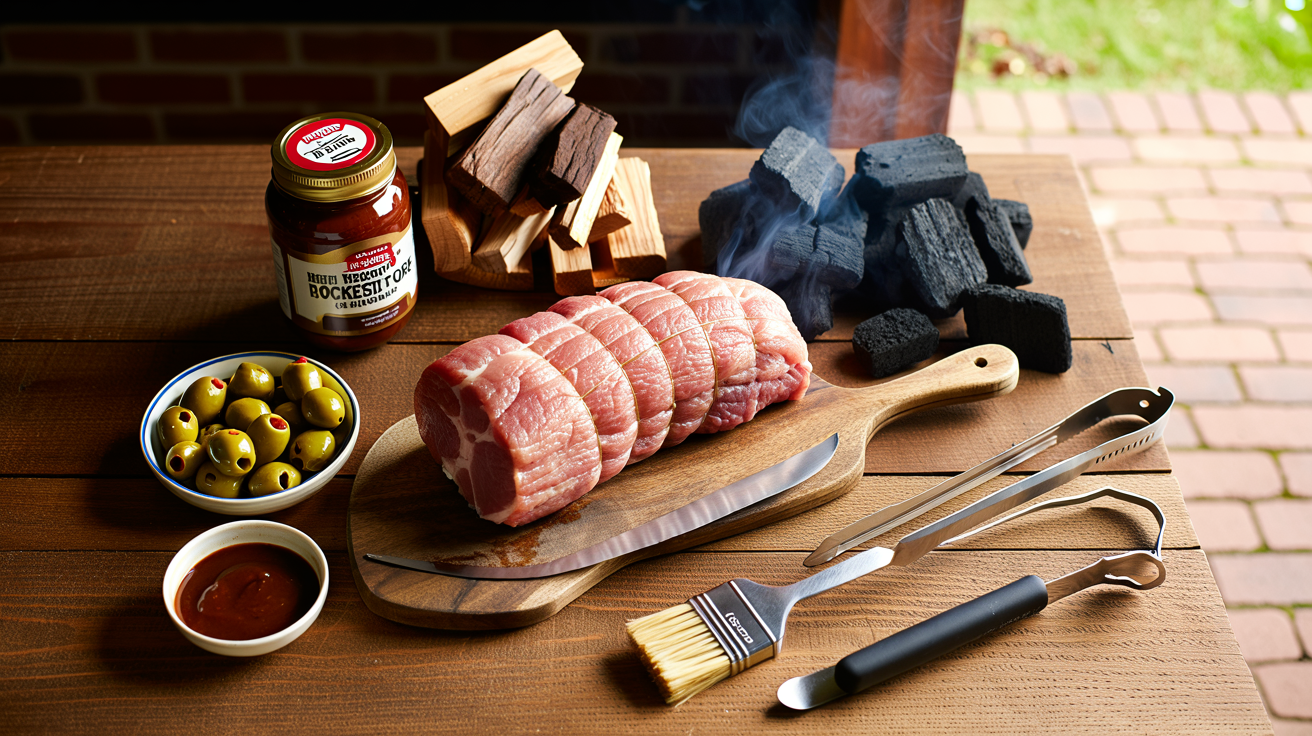
- Start by prepping your pork tenderloins. Lay them on a cutting board and use a sharp boning knife to remove all of the silver skin. Slide the blade just under that tough membrane, angle it slightly upward, and work your way down the length of the tenderloin in long strokes. The silver skin will not render during the cook and it will create a tough, chewy texture if left on. Once the silver skin is gone, pat both tenderloins completely dry with paper towels. Dry surface equals better bark, and that is non-negotiable.
- Mix up your dry rub in a small bowl. Combine the brown sugar, smoked paprika, kosher salt, black pepper, garlic powder, onion powder, dried thyme, cayenne pepper, and mustard powder. Whisk everything together until fully incorporated. Coat both tenderloins all over with olive oil first - this acts as the binder that makes your rub stick hard. Then apply the dry rub generously on all sides, pressing it into the meat firmly with your hands. Do not be shy here. Let the rubbed tenderloins rest uncovered in the refrigerator for at least 1 hour, or up to overnight for maximum flavor penetration.
- About 30 minutes before you are ready to cook, fire up the grill or smoker. Your target temperature is 225 to 250 degrees Fahrenheit. Set up your smoker for indirect cooking with your wood chunks positioned directly on the coals or in your smoker box. If you are using an offset smoker, get your firebox burning clean with a small hot fire. If you are using a kettle grill, bank your coals to one side and place a drip pan with a cup of water on the cool side. You want thin blue smoke rolling out of that exhaust vent, not thick white billowing smoke.
- Place the tenderloins on the smoker grates over indirect heat. They should not be sitting directly over any live flame or hot coals. Insert your wireless probe thermometer into the thickest part of one tenderloin making sure the probe tip is centered in the meat and not touching the grates. Close the lid and maintain your 225 to 250 degree Fahrenheit cooking temperature. Do not open that lid for the first 45 minutes. Every time you lift the lid you lose 15 to 20 minutes of cook time.
- After about 45 minutes check your smoke color and your internal temp. You are looking for thin blue smoke and an internal temp climbing steadily toward 145 degrees Fahrenheit. At the 225 to 250 degree range, a 1-pound tenderloin takes roughly 45 minutes to an hour, and a 2-pound tenderloin runs closer to 1.5 to 2 hours. If your bark is setting up nicely with a deep reddish-brown color and the surface looks slightly firm and tacky, you are right on track. Add a small chunk of wood if your smoke has died off.
- When your instant read thermometer reads 140 to 143 degrees Fahrenheit, pull the tenderloins off the smoker. They will carry over cook to the USDA safe internal temp of 145 degrees Fahrenheit during the rest. Do not wait until you hit 145 on the smoker or you risk overshooting into dry territory with this lean cut. Tent the tenderloins loosely with aluminum foil and let them rest the meat on a cutting board for a minimum of 10 minutes. This rest period allows the juices to redistribute throughout the muscle fibers and is absolutely critical for maximum juiciness.
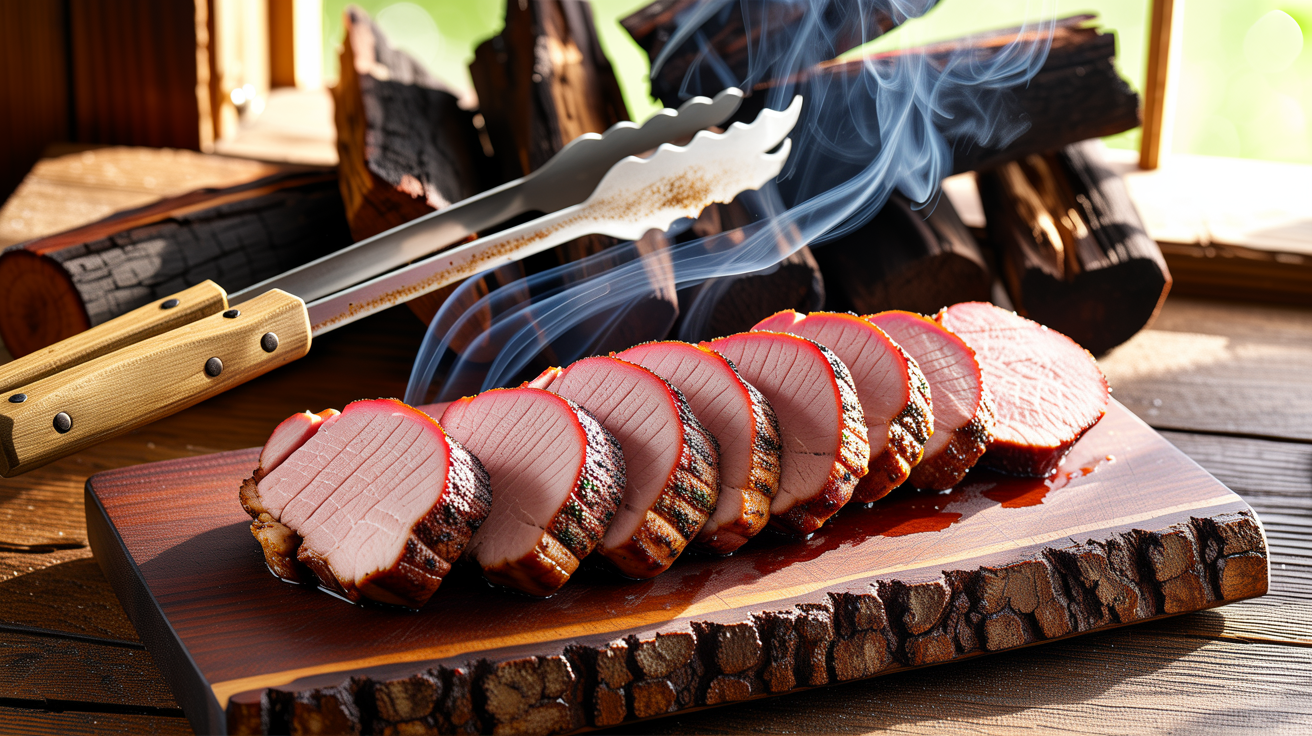
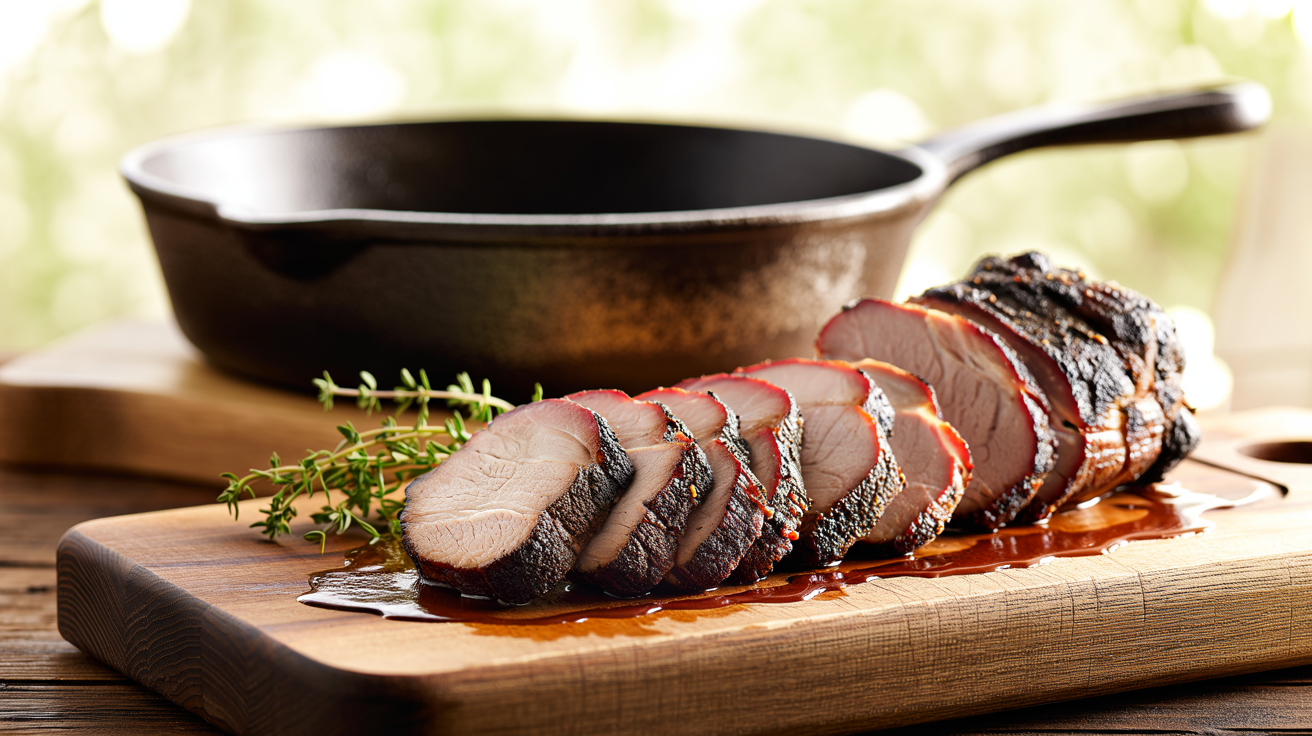
- After resting, slice the tenderloins into half-inch thick medallions on a slight bias for the best presentation. You should see a beautiful pink smoke ring just under the surface of the bark - that is your proof of a proper smoke cook. Arrange the slices on a wooden cutting board, drizzle any resting juices from the foil tent right back over the top, and serve immediately. This cut is incredible on its own but pairs perfectly with grilled corn, smoked baked beans, or a tangy apple coleslaw to complement those apple wood smoke notes.
Nutrition
This smoked pork tenderloin recipe is the kind of cook that turns a weeknight dinner into a full-on BBQ event worth talking about. We are talking a lean, tender cut of pork that soaks up wood smoke like a sponge, develops a gorgeous mahogany bark on the outside, and stays unbelievably juicy at the perfect internal temp of 145 degrees Fahrenheit. Whether you are a seasoned pitmaster or just learning the craft, this recipe is your ticket to pork perfection.
The secret to nailing this cook is understanding the tenderloin itself. It is one of the leanest cuts on the hog, which means it can dry out fast if you are not paying attention. That is why we run our smoker at a steady 225 to 250 degrees Fahrenheit, giving the smoke time to penetrate deep into the meat while keeping every ounce of moisture locked in. We are looking at roughly 1.5 to 2 hours on the smoker depending on the size of your tenderloin, and the result is a smoke ring that will make your guests stop mid-bite just to admire it.
Before you fire up the grill, there are a few key moves that separate a good smoked pork tenderloin from a great one. First, we trim that silver skin off completely because it does not render down and it will toughen up on you. Second, we hit the meat with a bold dry rub and let it sit so those flavors really bond with the surface. Third, and most importantly, we rest the meat properly after the cook so every drop of juice stays right where it belongs. Follow these steps and you will have a centerpiece dish that rivals anything coming out of a competition BBQ tent.
Smoked Pork Tenderloin Recipe: Juicy and Tender
This smoked pork tenderloin recipe delivers incredibly juicy, perfectly seasoned meat with a beautiful bark and deep smoke ring every single time. Low and slow smoking transforms this lean cut into something truly spectacular. Fire up the smoker today and taste the difference real wood smoke makes.
Ingredients
| AMOUNT | INGREDIENT | NOTES |
|---|---|---|
| 2 lbs | pork tenderloin | silver skin removed, about 2 tenderloins |
| 2 tablespoons | olive oil | for coating the meat before the rub |
| 2 tablespoons | brown sugar | packed, helps build that beautiful bark |
| 1 tablespoon | smoked paprika | adds color and depth of flavor |
| 1 tablespoon | kosher salt | coarse kosher salt preferred |
| 1 teaspoon | black pepper | freshly ground for best results |
| 1 teaspoon | garlic powder | not garlic salt |
| 1 teaspoon | onion powder | balances the garlic in the rub |
| 1 teaspoon | dried thyme | adds an earthy herbal note |
| half teaspoon | cayenne pepper | adjust to your heat preference |
| half teaspoon | mustard powder | helps the rub stick and adds subtle tang |
| 3 chunks | apple or cherry wood chunks | soaked in water 30 minutes if using charcoal smoker |
Instructions
Nutrition (per serving)
The BBQ Story Behind This Recipe
Pork has been the backbone of American BBQ culture for centuries, and the American South is where that love affair really took root. Whole hog cooking, ribs, pulled pork shoulders – these traditions were born from a need to use every part of the animal and a desire to transform tough, humble cuts into extraordinary meals through patience and fire. While the tenderloin is a more refined cut compared to the shoulder or the butt, pitmasters across the Carolinas, Tennessee, and the Midwest have long known that even the most tender cuts benefit enormously from time in the smoke. The low and slow philosophy that defines Southern BBQ applies just as beautifully to a pork tenderloin as it does to a 10-hour brisket.
Regionally, smoked pork tenderloin has become a favorite among competition BBQ teams who want to showcase their seasoning and smoke wood skills without the lengthy cook times of larger cuts. Apple wood and cherry wood became the go-to pairings for pork in the Midwest competition circuit because their mild, slightly sweet smoke complements pork without overpowering it. Over time, backyard pitmasters adopted those same techniques, and the smoked pork tenderloin evolved into a weeknight-friendly BBQ staple that delivers full competition-level flavor in under two hours. It is a dish that honors the tradition of wood-fired cooking while fitting into the modern griller schedule.
Hot Off the Grill
A Closer Look
Pitmaster Tips for Best Results
- Always remove the silver skin completely before applying your rub. Leaving it on will create a chewy, rubbery barrier that blocks smoke penetration and ruins your bark. A sharp flexible boning knife makes this task take under 2 minutes.
- Run your smoker at 225 to 250 degrees Fahrenheit for best results. Going higher than 275 degrees Fahrenheit with a tenderloin is risky because this lean cut dries out quickly without the fat content of a shoulder or butt to protect it.
- Pull the tenderloins off the smoker at 140 to 143 degrees Fahrenheit internal temp and let carryover cooking bring them to the USDA safe 145 degrees Fahrenheit during the 10-minute rest. This single tip is the difference between juicy and dry pork.
- Apple wood and cherry wood are the top choices for pork tenderloin. They produce a mild, slightly sweet smoke that complements the delicate flavor of the meat. Hickory and mesquite are too aggressive for this cut and will overpower it.
- If you want an extra layer of flavor, brush the tenderloins with a light coat of apple jelly or honey during the last 15 minutes of the cook. This glaze caramelizes over the bark and adds a beautiful sticky sweetness that plays off the savory rub perfectly.
🔧 Pitmaster Equipment
Charcoal Smoker or Offset Smoker: Provides authentic wood smoke flavor and the steady low heat needed for a proper low and slow cook on pork tenderloin.
Instant Read Thermometer: Absolutely critical for hitting the safe USDA internal temp of 145 degrees Fahrenheit without overcooking this lean cut.
Long Tongs: Keep your hands safe while rotating and positioning the tenderloin over indirect heat on the smoker grates.
Wireless Probe Thermometer: Lets you monitor internal temp in real time without opening the smoker lid and losing precious heat and smoke.
Aluminum Drip Pan: Placed under the meat to catch drippings and add moisture to the cooking environment, helping keep the tenderloin juicy.
Wood Chunks or Chips: Apple, cherry, or pecan wood are the top choices for pork, delivering mild sweet smoke that enhances without overpowering.
🔥 Variations
Pellet Grill Version: Set your pellet grill to 225 degrees Fahrenheit and load up with apple or cherry pellets for the best pork flavor. Follow every step exactly as written. The pellet grill excels at maintaining steady low temps and produces excellent smoke penetration on a tenderloin, often developing a great smoke ring with quality pellets and a longer cook time at 225.
Gas Grill Version: Use indirect heat by lighting only the outer burners and leaving the center burner off. Place a smoker box filled with soaked apple wood chips directly over a lit burner to generate smoke. Position the tenderloins over the unlit center burner. Maintain 225 to 250 degrees Fahrenheit by adjusting your lit burners and replenish wood chips every 30 minutes for consistent smoke throughout the cook.
Sweet and Spicy Glazed Version: Add 1 teaspoon of chipotle powder to the base dry rub for extra heat and smoky depth. During the last 20 minutes of the cook, brush the tenderloins every 5 minutes with a glaze made from 3 tablespoons of hot honey, 1 tablespoon of apple cider vinegar, and 1 teaspoon of your dry rub. The glaze will caramelize beautifully over the bark and create an irresistible sticky, spicy-sweet crust.
Herb and Garlic Version: Skip the brown sugar and cayenne in the base rub and replace them with 1 tablespoon of fresh rosemary minced fine, 1 tablespoon of fresh thyme, and 1 extra teaspoon of garlic powder. After applying the rub, press 4 to 5 thin slices of fresh garlic directly into small slits cut into the surface of the tenderloin. Use pecan or oak wood chunks instead of apple for a slightly more robust smoke to match the bold herb profile.
❓ Pitmaster FAQ
What internal temperature should smoked pork tenderloin reach?
According to USDA guidelines, pork tenderloin should reach a safe internal temperature of 145 degrees Fahrenheit followed by a 3-minute rest. Pull it off the smoker at 140 to 143 degrees Fahrenheit and let carryover cooking finish the job during the rest period. Use a reliable instant read thermometer every single time.
How long does it take to smoke a pork tenderloin?
At 225 to 250 degrees Fahrenheit, a 1-pound pork tenderloin takes approximately 45 minutes to 1 hour. A larger 1.5 to 2-pound tenderloin runs closer to 1.5 to 2 hours. Always cook to internal temp, not time alone, because every smoker and every piece of meat is slightly different.
Can I use a gas grill instead of a charcoal smoker?
Absolutely. Set up your gas grill for indirect cooking by lighting only the outer burners. Place a smoker box loaded with soaked apple or cherry wood chips over a lit burner to generate smoke. Keep the grill temp at 225 to 250 degrees Fahrenheit and replenish your wood chips every 30 minutes for good smoke coverage throughout the cook.
Should I wrap the pork tenderloin in foil during the cook?
For a tenderloin, wrapping in foil during the cook is not necessary or recommended. Unlike a pork shoulder or brisket that benefits from the Texas crutch method to power through the stall, a tenderloin cooks fast enough that wrapping would steam the bark and undo all of that beautiful crust you worked hard to build. Wrap it loosely after pulling it off the smoker for the resting period only.
What is the best wood for smoking pork tenderloin?
Apple wood and cherry wood are the top two choices for smoking pork tenderloin. Both produce a mild, sweet smoke that enhances the natural flavor of the pork without overpowering it. Pecan is another excellent option that adds a slightly richer, nuttier smoke profile. Avoid mesquite and hickory for this lean cut as both are too aggressive and will make the meat taste bitter.
How do I keep smoked pork tenderloin from drying out?
Three things protect a pork tenderloin from drying out on the smoker. First, cook at a low temperature between 225 and 250 degrees Fahrenheit. Second, pull the meat off the smoker when it reaches 140 to 143 degrees Fahrenheit internal temp and allow carryover cooking to finish it. Third, rest the meat under a loose foil tent for at least 10 minutes before slicing. Skipping the rest is the number one reason sliced tenderloin comes out dry.