
Grilled Chicken Fajitas Recipe - Bold BBQ Flavor
Ingredients
Method
- Build your marinade first. In a medium bowl or large zip-lock bag, combine 2 tablespoons of the olive oil, the lime juice, orange juice, minced garlic, smoked paprika, cumin, chili powder, onion powder, kosher salt, black pepper, and cayenne if you are using it. Whisk everything together until it forms a cohesive, deeply aromatic mixture. This is the flavor foundation of your entire cook, so taste it and make sure it has that bold, tangy, smoky punch you are looking for.
- Add the boneless skinless chicken thighs to the marinade and toss to coat every surface completely. Seal the bag or cover the dish with plastic wrap and refrigerate for a minimum of 2 hours. If you have the time, marinate overnight for the deepest flavor penetration. Do not go beyond 24 hours or the citrus acids will start to break down the texture of the meat in an unpleasant way.
- About 30 minutes before you are ready to cook, pull the chicken out of the refrigerator and let it come closer to room temperature. Cold meat hitting hot grates causes uneven cooking and can tighten up the muscle fibers fast. While the chicken is resting on the counter, fire up the grill. For a charcoal setup, use a chimney starter to get a full load of coals going until they are covered in gray ash, then pour them onto one side of the grill for a two-zone configuration. Your direct heat zone should be running around 450 to 500 degrees Fahrenheit.
- While the grill is heating up, toss your sliced bell peppers and onion rings in the remaining tablespoon of olive oil and season them with a generous pinch of salt and a few cracks of black pepper. Load them into your grill basket or cast iron skillet and set them aside. Getting the vegetables ready now means you can manage everything on the grill at the same time without scrambling.
- Place the marinated chicken thighs directly over the hot coals or the direct heat zone of your gas grill. You should hear an immediate and aggressive sizzle when the meat hits those grates. That is exactly what you want. Grill the chicken thighs for 5 to 6 minutes on the first side without touching them. Let the fire do its work and build that deep, gorgeous char. Resist the urge to move the chicken around. Those grill marks develop from sustained contact with the hot grates.
- Flip the chicken thighs and grill for another 5 to 6 minutes on the second side. If any pieces look like they are getting too dark on the outside before they are cooked through, slide them to the indirect heat zone to finish. At this point, place your grill basket or cast iron with the peppers and onions directly over the hot zone. Toss them every couple of minutes until they are lightly charred, softened, and smelling incredible, roughly 8 to 10 minutes total.
- Check the internal temp of your chicken thighs using your instant read thermometer inserted into the thickest part of the meat, avoiding any contact with the pan if you slid them to indirect. You are looking for a solid 165 degrees Fahrenheit. Do not pull the chicken until you hit that number. Once every piece registers at or above 165 degrees, transfer the chicken to a clean cutting board and let it rest the meat for a full 5 minutes. Do not skip this step. Resting allows the juices to redistribute through the fibers so every slice stays moist.
- While the chicken is resting, toss your flour tortillas directly onto the grill grates over medium or indirect heat for about 30 seconds per side. You want them warm, pliable, and showing just a touch of char on the edges. Remove them and wrap in a clean kitchen towel to keep them soft and warm until serving time.
- Once the chicken has rested, slice it against the grain into thin strips about a quarter-inch thick. Cutting against the grain shortens the muscle fibers and is the single biggest factor in getting tender, easy-to-eat fajita meat. Arrange the sliced chicken on a large platter alongside the grilled peppers and onions. Squeeze a couple of lime wedges over everything, scatter the fresh cilantro on top, and serve immediately with the warm tortillas and your choice of toppings.
Nutrition
This grilled chicken fajitas recipe is the kind of cook that turns a Tuesday night into a backyard celebration worth remembering. We are talking about chicken thighs marinated in a bold citrus and spice blend, grilled over direct heat at around 450 degrees Fahrenheit until you get those deep, caramelous char marks that only open fire can deliver. Pair that with blistered peppers and smoky onions kissed by the same high heat, and you have got a plate of food that no skillet version can touch.
The secret weapon in this cook is the marinade. Citrus juice breaks down the muscle fibers and carries the spice deep into the meat, while a touch of smoked paprika and cumin build that unmistakable fajita flavor profile. We let the chicken rest in that marinade for at least two hours, but if you can go overnight, do it. The longer the marinate time, the deeper the flavor penetration before the meat ever touches the grates.
When it is time to fire up the grill, we are running a two-zone setup. Direct heat on one side for searing and getting that gorgeous char, and an indirect zone on the other side in case anything needs to finish cooking without burning. Pull your chicken at an internal temp of 165 degrees Fahrenheit, let it rest the meat for five full minutes before slicing, and serve it all up in warm tortillas with your favorite toppings. This is backyard grilling at its most satisfying.
Grilled Chicken Fajitas Recipe – Bold BBQ Flavor
This grilled chicken fajitas recipe delivers smoky, charred perfection straight from the fire. Juicy marinated chicken, blistered peppers, and caramelized onions come together in one sizzling masterpiece. The grill is calling your name today.
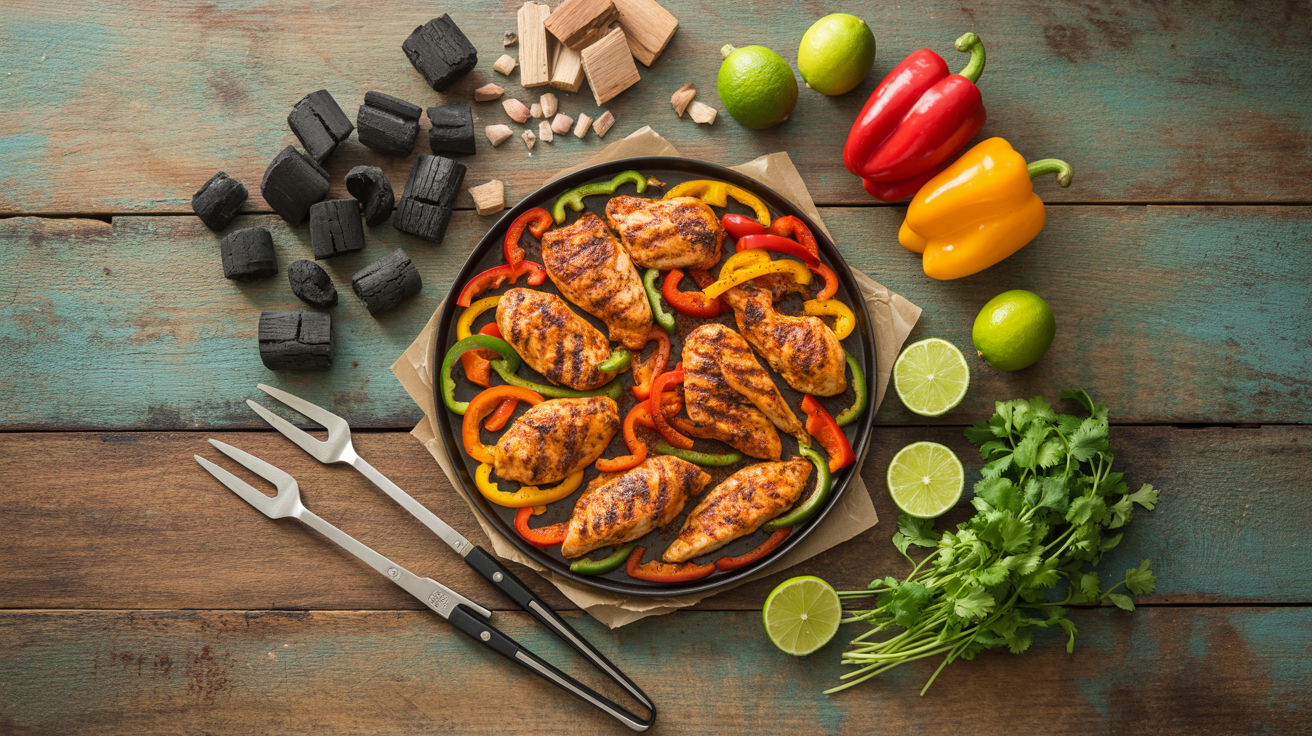
Ingredients
| AMOUNT | INGREDIENT | NOTES |
|---|---|---|
| 2 lbs | boneless skinless chicken thighs | thighs stay juicier than breasts over high direct heat |
| 3 tablespoons | olive oil | divided, for the marinade and the vegetables |
| 3 tablespoons | fresh lime juice | from about 2 large limes, do not use bottled |
| 2 tablespoons | fresh orange juice | adds subtle sweetness that balances the spice |
| 4 cloves | garlic | minced fine |
| 2 teaspoons | smoked paprika | use smoked not sweet for that BBQ depth |
| 2 teaspoons | ground cumin | essential for authentic fajita flavor |
| 1 teaspoon | chili powder | adjust up if you want more heat |
| 1 teaspoon | onion powder | |
| 1 teaspoon | kosher salt | plus more to taste after grilling |
| 0.5 teaspoon | black pepper | freshly cracked |
| 0.5 teaspoon | cayenne pepper | optional, for extra fire |
| 3 whole | bell peppers | one red, one yellow, one green, sliced into thick strips |
| 1 large | yellow onion | sliced into half-inch rings |
| 8 whole | flour tortillas | 8-inch size, warmed on the grill for 30 seconds per side |
| 0.5 cup | fresh cilantro | roughly chopped, for serving |
| 2 whole | limes | cut into wedges for serving |
| 1 cup | sour cream | optional topping |
| 1 cup | guacamole | optional topping |
| 1 cup | pico de gallo | optional topping |
Instructions
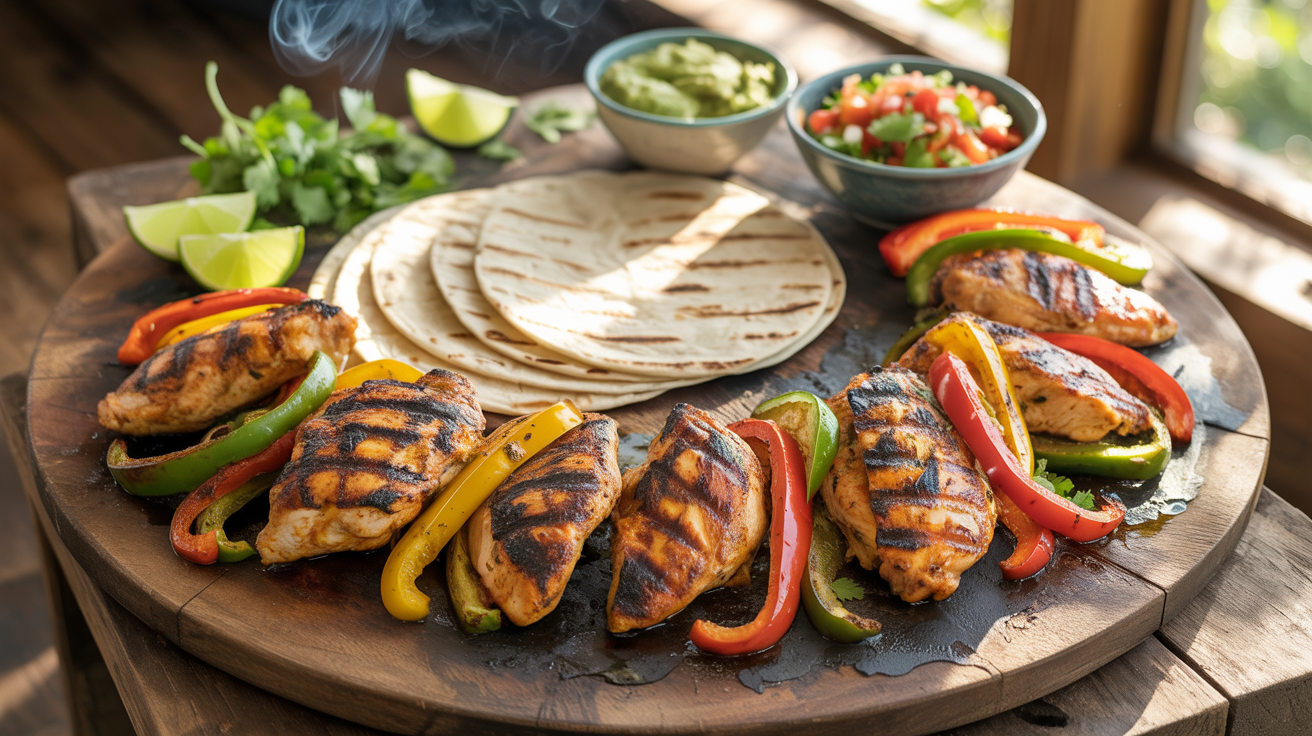
Nutrition (per serving)
The BBQ Story Behind This Recipe
Fajitas trace their roots back to the ranch lands of West Texas and northern Mexico, where cattle workers known as vaqueros were often paid in part with the less desirable cuts of beef from the animals they herded. Skirt steak was tough, cheap, and overlooked by most, but those vaqueros knew how to work with fire. They grilled those cuts over open mesquite flames, sliced the meat thin against the grain, and wrapped it in flour tortillas with whatever vegetables were on hand. It was humble, resourceful cooking born out of necessity and perfected by instinct.
Over the decades, fajitas migrated into Tex-Mex restaurant culture and evolved into a broader category of grilled proteins served with sizzling peppers and onions. Chicken became a natural fit as a leaner, more widely available option, and the open flame remained the heart of the dish no matter what protein ended up on the grates. Today, grilled chicken fajitas are a staple of backyard cookouts across the country, beloved for their bold flavors, their ease of preparation, and the fact that cooking over live fire just makes everything taste better. At GrillMasterHQ, we honor that tradition every time we light the coals.
Hot Off the Grill
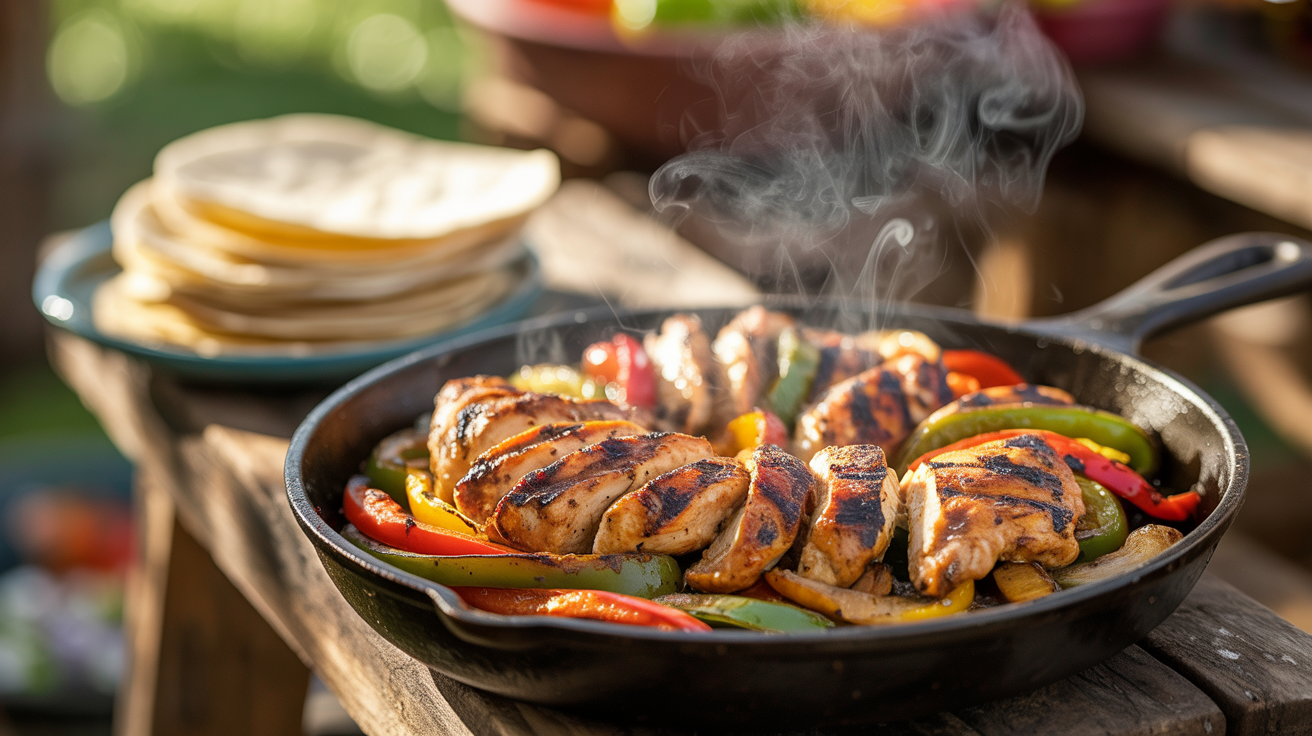
A Closer Look
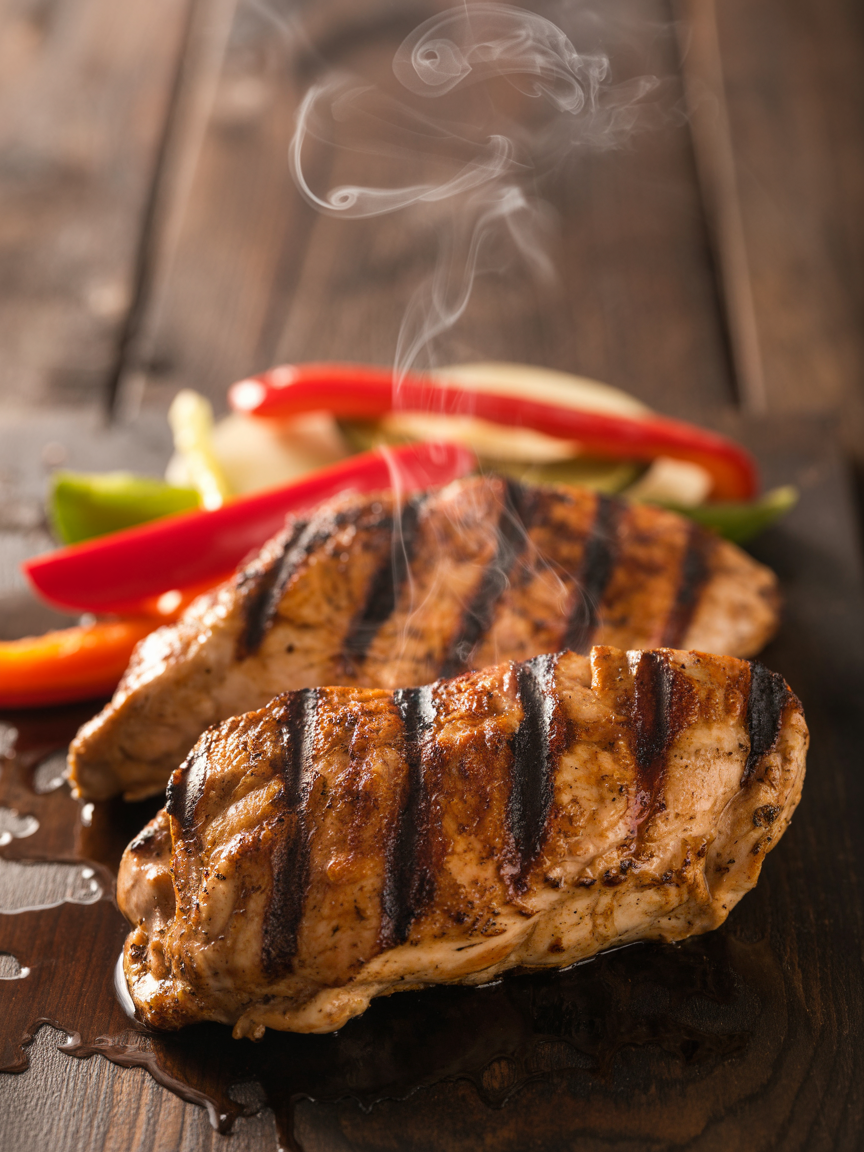
Pitmaster Tips for Best Results
- Chicken thighs are the right call for this cook. They have more fat than breasts which means they can handle the high direct heat of the grill without drying out. If you insist on using chicken breasts, pound them to an even thickness of about three-quarters of an inch before marinating so they cook evenly and do not dry out over the hot zone.
- Do not rush the marinade time. The citrus and spice blend needs at least 2 hours to work its way into the meat. Overnight marinating at 8 to 12 hours produces noticeably bolder, deeper flavor throughout every piece of chicken, not just on the surface.
- Always let the meat rest for 5 full minutes after pulling it off the grill before you slice it. Cutting into chicken immediately after cooking forces all those built-up juices to run out onto the cutting board instead of staying in the meat where they belong.
- Get your grill grates clean and lightly oiled before the chicken goes on. Dirty grates cause sticking and ruin your char marks. Use a wire brush to scrub the grates once they are hot, then fold a paper towel in oil and run it over the grates with your long tongs before the chicken touches the surface.
- For extra smoky depth on a charcoal grill, toss a small handful of mesquite or hickory wood chips directly onto the hot coals right before the chicken goes on. The smoke will only last a few minutes but it adds a layer of complexity that you simply cannot get from a stovetop pan.
🔧 Pitmaster Equipment
Charcoal Grill or Gas Grill: Direct high heat is essential for getting authentic char marks and caramelized edges on both the chicken and the vegetables.
Instant Read Thermometer: Critical for confirming the chicken hits a safe internal temp of 165 degrees Fahrenheit without overcooking and drying out the meat.
Long Tongs: Keep your hands safe while managing the fire, flipping chicken, and tossing peppers and onions over high heat.
Grill Basket or Cast Iron Skillet: Keeps sliced peppers and onions from falling through the grates while still getting that beautiful char from the open flame.
Zip-Lock Bag or Shallow Dish: For marinating the chicken evenly so every surface gets coated in that bold citrus and spice blend.
Sharp Slicing Knife: A sharp blade lets you slice the rested chicken cleanly against the grain so every bite stays juicy and tender.
🔥 Variations
Pellet Grill Version: Set your pellet grill to 450 degrees Fahrenheit and use a blend of mesquite and hickory pellets for that classic Tex-Mex smoke character. Follow the same timing and internal temp targets as the charcoal version. The convection airflow of a pellet grill may cook the chicken slightly faster, so start checking the internal temp at the 9-minute mark.
Gas Grill Version: Preheat your gas grill on high with all burners running for at least 15 minutes to get the grates ripping hot. Use indirect heat for any pieces that need more time, and add a smoker box loaded with mesquite wood chips under the grates to introduce some smoke flavor into the cook. Follow the same internal temp target of 165 degrees Fahrenheit.
Skirt Steak Fajitas: Swap the chicken thighs for two pounds of skirt steak and use the same marinade. Skirt steak is the traditional fajita cut and it thrives over screaming hot direct heat. Pull it at an internal temp of 130 to 135 degrees Fahrenheit for medium-rare and let it rest before slicing thin against the grain.
Shrimp Fajitas: Marinate large peeled and deveined shrimp in the same citrus and spice blend for no more than 30 minutes since the acid will cook the shrimp if left too long. Grill them in a basket over direct heat for 2 minutes per side until they are pink and just slightly charred. Fast, easy, and absolutely packed with smoky flavor.
Smoker Version: Set your offset smoker or kettle to run at 275 degrees Fahrenheit with mesquite wood for fuel. Smoke the marinated chicken thighs for about 45 minutes until they develop a light bark on the exterior, then crank the heat or finish them over direct coals to crisp up the exterior and hit that 165 degree internal temp target.
❓ Pitmaster FAQ
What internal temperature should grilled chicken fajitas reach?
Always cook chicken to a minimum internal temp of 165 degrees Fahrenheit as measured by an instant read thermometer inserted into the thickest part of the meat. For chicken thighs, you can safely push to 170 to 175 degrees and the extra fat content means they will still be juicy and tender rather than dried out.
Can I use chicken breasts instead of thighs?
Yes, but chicken breasts are less forgiving over high direct heat. Pound them to an even three-quarter inch thickness before marinating so they cook evenly, and watch them closely since breasts will hit 165 degrees faster than thighs and dry out quickly if left on the grill too long.
How long should I marinate the chicken?
A minimum of 2 hours is required for the citrus and spice flavors to penetrate the meat. Overnight marinating in the 8 to 12 hour range produces the best results. Do not exceed 24 hours because the citrus acids will begin to break down the proteins and the texture of the chicken will become mushy.
Can I make grilled chicken fajitas ahead of time?
You can marinate the chicken up to 24 hours in advance and slice the peppers and onions the day before. However, grilling and slicing should happen right before serving for the best texture and flavor. Leftover cooked fajita meat reheats well in a hot cast iron skillet with a splash of chicken broth to restore moisture.
What wood should I use for smoke on this cook?
Mesquite is the most traditional choice for fajitas given the Tex-Mex heritage of the dish and its bold, earthy smoke character. Hickory is a great alternative if you want a slightly milder smoke. For a lighter, more subtle smoke note, pecan wood works beautifully with the citrus and cumin flavors in the marinade.
Why are my grilled peppers and onions coming out soggy instead of charred?
Soggy vegetables almost always mean the grill was not hot enough or the vegetables were overcrowded. Make sure your direct heat zone is running at 450 degrees or higher, and do not pile the peppers and onions too deep in the grill basket. A single layer with enough room for steam to escape is what gets you that beautiful char rather than a steamed, soft texture.