How to Smoke Brisket Low and Slow Like a Pitmaster
Ingredients
Method
- Trim the brisket the night before your cook. Place it fat-side up on your cutting board and use a sharp boning knife to trim the hard fat cap down to a uniform 1/4-inch thickness. Remove any hard chunks of fat that will not render during the cook, particularly the thick deposit between the flat and the point. Flip it over and trim away any silver skin or thin, papery fat on the meat side. Your goal is a brisket that looks aerodynamic and uniform so heat wraps around it evenly. A well-trimmed brisket promotes better bark formation and more even cooking from edge to edge.
- Apply your rub after trimming. If using a binder, coat the entire brisket in a thin layer of yellow mustard or beef tallow to help the seasoning stick. Mix your kosher salt and coarse 16-mesh black pepper in a 50/50 ratio by volume. This is the classic Central Texas SPG rub and it is all you need. Season every surface generously, pressing the rub into the meat. You want a visible crust of seasoning covering every inch. Wrap the brisket in plastic wrap or place it uncovered on a rack in the refrigerator overnight for a minimum of 8 hours and up to 24 hours. The dry brine draws moisture to the surface, the salt dissolves, and then gets reabsorbed, seasoning the meat deep below the surface.
- Fire up your smoker 60 to 90 minutes before the brisket goes on. Your target pit temperature is 225 to 250 degrees Fahrenheit. If you are running an offset smoker, build a fire in the firebox with seasoned hardwood and let it burn down to a clean, thin blue smoke. Avoid thick white billowy smoke, which is a sign of incomplete combustion and will leave a bitter, acrid flavor on the meat. Add your smoking wood chunks or logs and dial in your temperature using your intake and exhaust vents. Stabilize your pit for at least 30 minutes before loading the brisket.
- Place the brisket fat-side up on the smoker grate, positioning it in the center of the cooking chamber away from direct heat. If running an offset, orient the flat end toward the firebox since it is the thinner, leaner muscle that dries out faster, and the thicker point can handle more direct radiant heat. Insert your leave-in probe thermometer into the thickest part of the flat, being careful to keep the probe away from any fat seams. Close the lid and resist the urge to open it for the first 3 hours. Let the smoke do its work.
- Every 60 to 90 minutes during the first 6 hours, open the smoker and give the brisket a spritz with your apple cider vinegar and water mixture. This keeps the exterior moist, encourages smoke adhesion, and helps build that deep mahogany bark color. Check your pit temp each time you open the lid and adjust your vents accordingly to maintain that 225 to 250 degree range. Add wood as needed to keep your thin blue smoke rolling. During this phase you will notice the brisket sweating, the surface beginning to darken, and the fat starting to glisten and render.
- Expect the stall. Around 150 to 165 degrees Fahrenheit internal temp, your brisket will plateau and the temperature will stop rising for anywhere between 2 and 6 hours. This is completely normal and happens because moisture evaporating from the surface of the meat cools it at the same rate your smoker is heating it. Do not panic and do not crank up your heat. The stall is where that incredible bark is being built. You have two choices: power through it and wait it out, or wrap the brisket to push past the stall faster.
- Wrap the brisket when the bark is fully set, typically around 165 to 170 degrees Fahrenheit internal temp. The bark should feel firm, dry, and almost leathery when you press it. For maximum bark integrity, use pink unwaxed butcher paper. Lay out two overlapping sheets of butcher paper, place the brisket fat-side down in the center, and wrap it tightly like a burrito, folding the sides in first and then rolling it up. If you prefer a softer, more braised result, use two layers of heavy duty aluminum foil and add a splash of beef tallow or a couple pats of butter before sealing. Return the wrapped brisket to the smoker fat-side down.
- Continue cooking the wrapped brisket until the internal temp of the flat reaches 195 to 205 degrees Fahrenheit. Begin probing at 195 degrees. Insert your thermometer probe into multiple spots across the flat and into the point. What you are looking for is zero resistance, the probe sliding in and out like it is going into warm butter or room temperature peanut butter. The point will almost always be done before the flat. Do not pull the brisket based solely on temperature. Probe feel is the final authority. A perfectly done brisket should wiggle like jello when you shake the foil-wrapped package.
- Rest the meat. This step is non-negotiable and skipping it is the most common mistake backyard pitmasters make. When you pull the brisket off the smoker, do not slice it. Place the wrapped brisket into a dry empty cooler lined with towels and close the lid. Rest it for a minimum of 1 hour and ideally 2 to 4 hours. During this rest period the carryover cooking finishes the job, the muscle fibers relax, and the juices redistribute throughout the entire brisket. Slice a brisket that has rested properly and the juice runs out onto the cutting board. Slice it too early and all of that juice ends up in a puddle while your meat dries out.
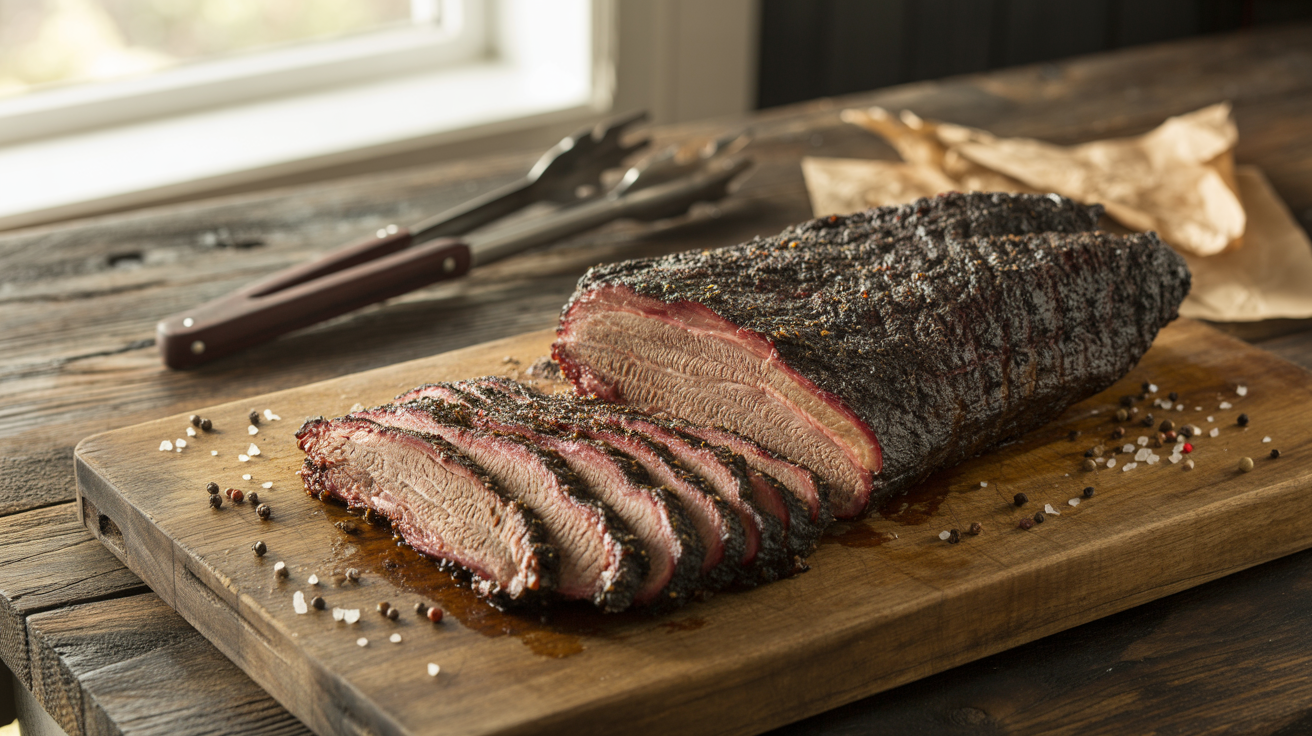
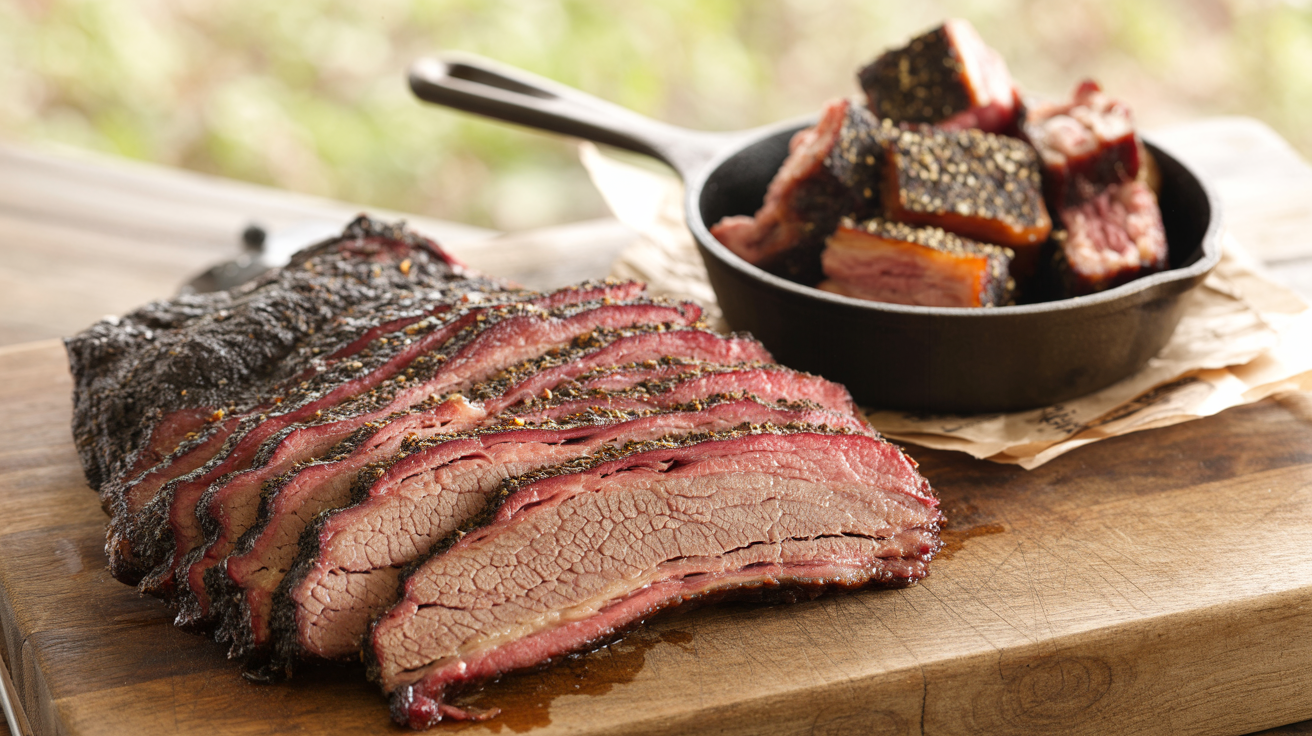
- Slice and serve. Unwrap your rested brisket and pour any accumulated juices into a small bowl to drizzle over the slices. Place the brisket on your cutting board with the flat and point visible. Separate the point from the flat by cutting through the fat seam between them. Slice the flat against the grain into pencil-thick slices, about 1/4-inch each. The point has grain running in a different direction, so rotate it 90 degrees and slice it against its grain as well, or cube it up for burnt ends. Lay your slices out on butcher paper or a wooden serving board, drizzle with those reserved juices, and serve immediately.
Nutrition
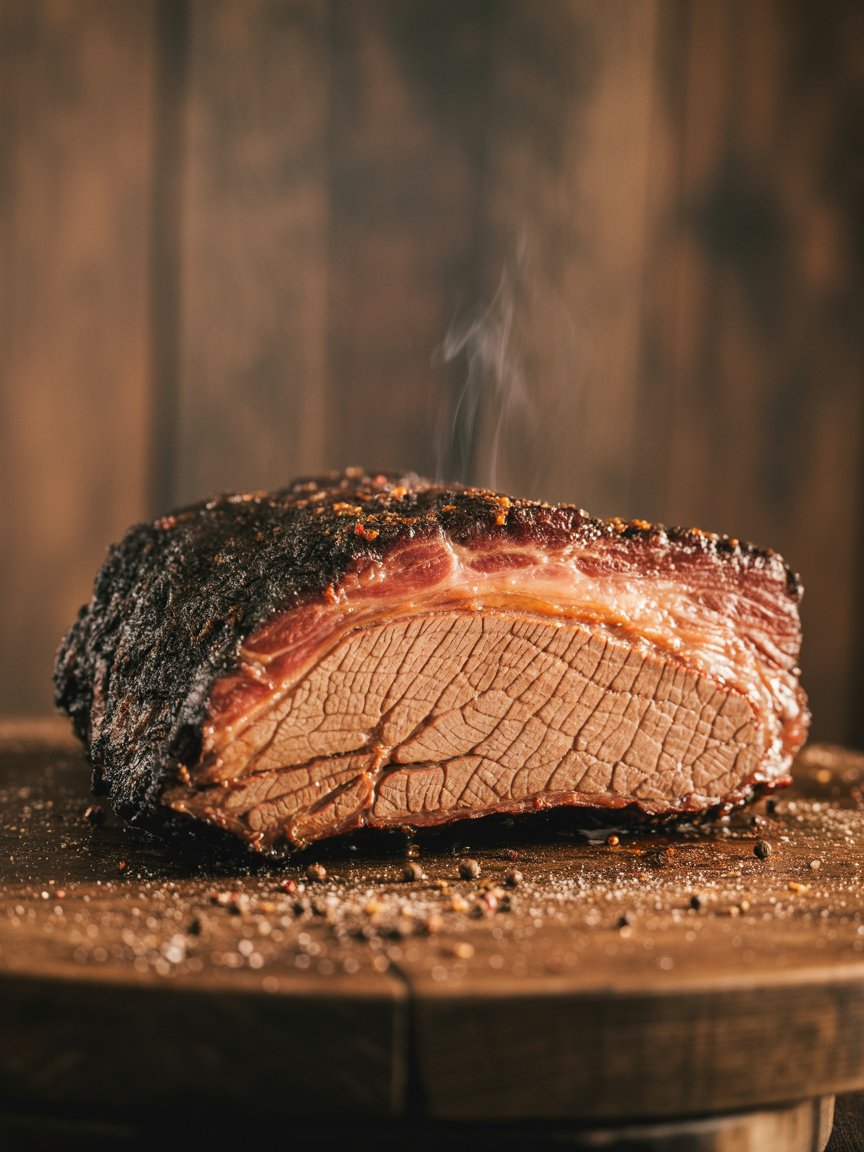
Knowing how to smoke brisket is the true test of any pitmaster worth their salt, and once you nail it, you will never look at beef the same way again. We are talking about a 12 to 16 hour low and slow journey at 225 to 250 degrees Fahrenheit, where a tough packer brisket transforms into a quivering, juicy masterpiece with a jet-black bark that crackles when you slice through it. This is not weekend warrior territory anymore. With the right technique, the right wood, and a little patience, you can pull off a brisket that rivals anything coming out of the best Texas BBQ joints.
Brisket comes from the chest of the cow, which means it is loaded with connective tissue and collagen that absolutely requires low heat and a long cook to break down into silky, mouth-coating gelatin. Push the temperature too high or rush the process and you end up with something that chews like a work boot. But hold steady at that 225 to 250 degree range, give it time, and the collagen converts, the fat renders, and every single bite becomes an event worth remembering. The internal temp you are chasing is 195 to 205 degrees Fahrenheit in the flat, with the point feeling like warm butter when you probe it.
At GrillMasterHQ, we have smoked hundreds of briskets across offset smokers, kettle grills, pellet rigs, and everything in between. This guide is the real deal. We will walk you through trimming, seasoning, fire management, the stall, wrapping, and how to rest the meat properly so every slice is dripping with juice. Fire up the smoker and let us get into it.
How to Smoke Brisket Low and Slow Like a Pitmaster
Learning how to smoke brisket the right way transforms a tough cut of beef into the most tender, flavor-packed BBQ experience of your life. With the right wood, temperature control, and patience, you will achieve legendary bark and a smoke ring that turns heads. Fire up the smoker and make today the day you master brisket.
Ingredients
| AMOUNT | INGREDIENT | NOTES |
|---|---|---|
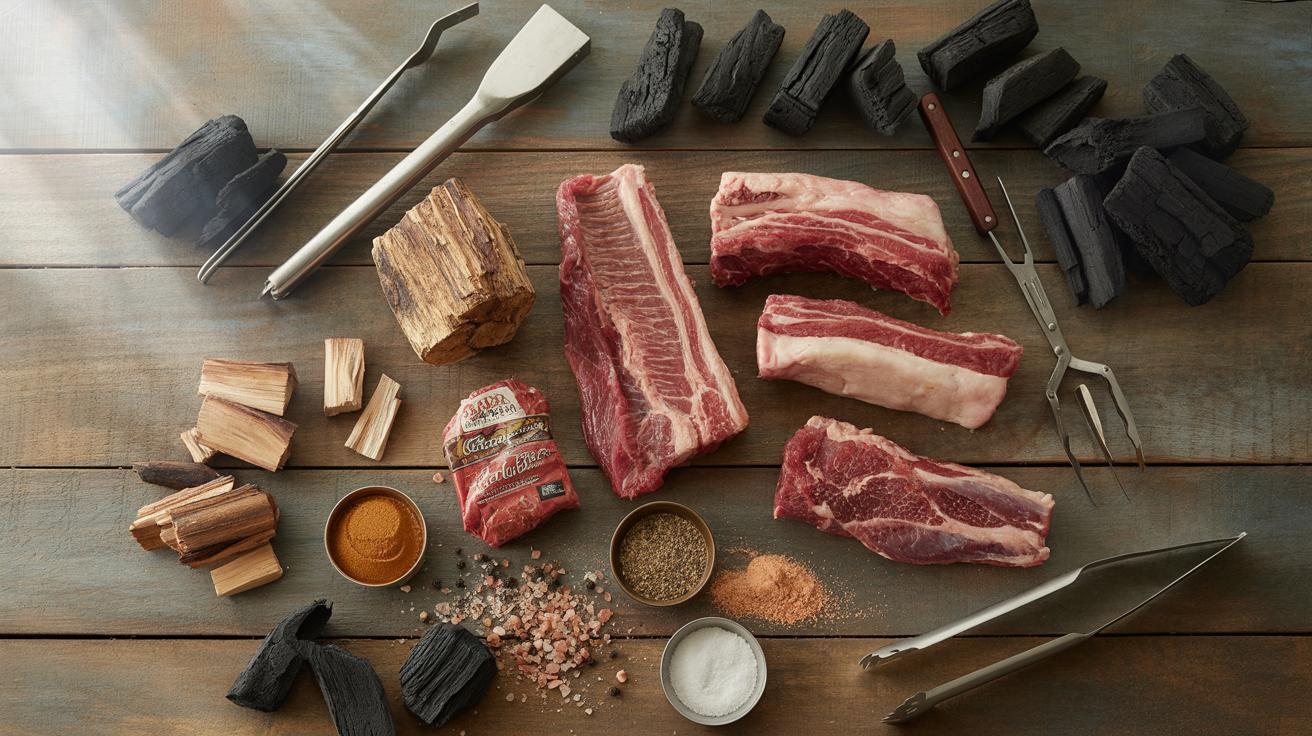
| 1 whole | packer brisket (12 to 16 lbs) | USDA Choice or Prime grade with a full flat and point attached |
| 1/2 cup | coarse kosher salt | Diamond Crystal preferred for even coverage |
| 1/2 cup | coarse ground black pepper (16-mesh) | coarse grind is essential for proper bark formation |
| 2 tablespoons | garlic powder | optional but adds a savory depth to the bark |
| 1 tablespoon | onion powder | optional, part of a Texas-plus rub profile |
| 1 tablespoon | smoked paprika | adds color and a subtle sweetness to the crust |
| Post oak, hickory, or pecan wood chunks or logs | smoking wood | post oak is the Texas standard. hickory is bolder. pecan is sweeter and milder |
| 1/2 cup | apple cider vinegar | for the spray bottle, diluted 50/50 with water |
| 2 tablespoons | yellow mustard or beef tallow | optional binder to help rub adhere to the meat surface |
Instructions
Nutrition (per serving)
The BBQ Story Behind This Recipe
Brisket as BBQ royalty has its deepest roots in Central Texas, where German and Czech butchers in the mid-1800s smoked the cheap, tough cuts that nobody else wanted over post oak wood in their meat market pits. Places like Kreuz Market in Lockhart and Snow Barbecue in Lexington carry that tradition forward to this day, serving brisket on butcher paper with no sauce required because the bark and the smoke do all the talking. The Texas style that the world now worships was born from necessity and refined through generations of pit work, emphasizing simplicity: salt, pepper, smoke, time, and fire.
Beyond Texas, brisket has deep cultural significance in Jewish cooking, where braised brisket has been a centerpiece of holiday tables for centuries, and in Kansas City where the meat is often smoked and finished with a thick, sweet sauce. The convergence of these traditions helped brisket climb from a bargain butcher cut to the crown jewel of American BBQ culture. Today, pitmasters from Brooklyn to Brisbane are chasing that perfect smoke ring and paper-thin bark crust, proving that this ancient technique of low and slow fire cooking is as relevant and thrilling as it has ever been.
Hot Off the Grill
A Closer Look
Pitmaster Tips for Best Results
- Always buy USDA Choice or Prime grade packer brisket. The higher intramuscular fat content in Prime grade practically guarantees a juicier result and gives you more margin for error during a long cook. If your budget allows, Prime is worth every penny.
- Keep your smoker temperature steady between 225 and 250 degrees Fahrenheit for the entire cook. Wild temperature swings above 275 degrees will tighten the muscle fibers and squeeze out moisture before the collagen has a chance to fully convert. Consistent low heat is the foundation of great brisket.
- The smoke ring, that pink layer just beneath the bark, forms in the first 4 hours of the cook while the meat is still below 140 degrees Fahrenheit. Do not skip the early smoke phase by wrapping too soon. Let that smoke ring develop before you even think about foil or paper.
- Let the brisket rest for at least 2 hours in a cooler before slicing. Competition teams frequently rest briskets for 4 to 8 hours in insulated coolers and the results are consistently superior. A proper rest is the difference between a moist, pliable slice and a dry, crumbly disappointment.
- Always slice brisket against the grain. The flat and the point have grain running in different directions, so you need to identify which way the muscle fibers run before you start cutting. Slicing with the grain instead of against it is a fast track to tough, chewy brisket no matter how perfect your cook was.
🔧 Pitmaster Equipment
Offset Smoker or Charcoal Smoker: An offset smoker or dedicated charcoal smoker gives you the best fire control and authentic wood smoke flavor essential for proper brisket.
Instant Read Thermometer: Hitting the exact internal temp of 195 to 205 degrees Fahrenheit in the flat is non-negotiable. A reliable probe thermometer is your most important tool.
Leave-In Probe Thermometer: A dual-probe leave-in thermometer lets you monitor both the brisket internal temp and your pit temp simultaneously without opening the lid.
Sharp Boning or Slicing Knife: A sharp 12-inch slicing knife ensures clean, even cuts across the grain so you get maximum tenderness in every slice.
Cutting Board with Juice Groove: Brisket releases a massive amount of juice when sliced. A large cutting board with a juice channel keeps your workspace clean and saves that precious liquid.
Butcher Paper or Heavy Duty Foil: Pink unwaxed butcher paper or heavy duty aluminum foil is used to wrap the brisket through the stall and preserve bark texture.
Heat Resistant Gloves: High-temp silicone or welding gloves let you handle a hot 14-pound brisket safely when moving it to and from the smoker.
Spray Bottle: A spray bottle filled with apple cider vinegar or beef tallow helps keep the bark moist and builds color during the first several hours of the cook.
🔥 Variations
Pellet Grill Brisket: Set your pellet grill to 225 degrees Fahrenheit and follow all the same steps including the overnight dry brine, the spritzing schedule, and the butcher paper wrap at 165 degrees. Use hickory or pecan pellets for the richest smoke flavor. Because pellet grills burn cleaner and produce less smoke than stick burners, add a smoke tube filled with pellets to boost smoke production during the first 4 hours. Pull and rest exactly the same way.
Hot and Fast Brisket: If you are pressed for time, fire up your smoker to 300 to 325 degrees Fahrenheit and cook the brisket fat-side down for the entire cook. Wrap in butcher paper at 170 degrees internal temp and pull at 205 degrees. A 12-pound brisket can be done in 8 to 10 hours this way versus 14 to 16 hours low and slow. The bark will be slightly different but many competition pitmasters swear by this method for a juicier flat.
Texas Burnt Ends: After slicing the flat, take the point section and cube it into 1-inch pieces. Toss the cubes in a mixture of your original rub plus a tablespoon of brown sugar. Place the cubes back on the smoker at 275 degrees Fahrenheit in a cast iron skillet or aluminum pan for 1 to 2 additional hours until they are caramelized, charred on the edges, and sticky throughout. These meat candy morsels are the most prized bites in all of BBQ.
Coffee Rub Brisket: Swap out half of your black pepper in the standard SPG rub for finely ground dark roast espresso coffee. Add a teaspoon of cayenne for heat and a tablespoon of brown sugar to encourage deeper bark caramelization. Follow the same low and slow cook process. The coffee amplifies the beefy, savory qualities of the brisket and adds a subtle bitterness that balances the rich fat beautifully.
❓ Pitmaster FAQ
What internal temperature should brisket reach when done?
Your target internal temperature for smoked brisket is 195 to 205 degrees Fahrenheit measured in the thickest part of the flat. However, do not rely on temperature alone. Use the probe tenderness test: your thermometer probe should slide into the meat with zero resistance, like pushing into warm butter. The point section will usually hit that tender feel at a slightly lower temperature than the flat.
How long does it take to smoke a brisket?
At 225 to 250 degrees Fahrenheit, plan for approximately 1 to 1.5 hours of cook time per pound of brisket. A 14-pound packer brisket will typically take 14 to 18 hours total. Factors like humidity, altitude, the thickness of the flat, and how well you hold your pit temperature all affect total cook time. Always cook to internal temp and probe feel, not to the clock.
Do I cook brisket fat-side up or fat-side down?
This is one of the great BBQ debates and the honest answer is that both methods work. Fat-side up allows the rendering fat to baste the meat surface as it drips down. Fat-side down acts as a heat shield protecting the flat from direct radiant heat in offset smokers. On an offset smoker, fat-side down during the unwrapped phase offers the most protection for the leaner flat muscle. When wrapped in butcher paper or foil, flip it fat-side down regardless.
What wood is best for smoking brisket?
Post oak is the gold standard for Texas-style smoked brisket and produces a clean, medium-intensity smoke with an earthy flavor that complements beef perfectly. Hickory gives you a stronger, more assertive smoke flavor that pairs beautifully with a peppery bark. Pecan is milder and slightly sweet, great for those who find hickory too bold. Avoid mesquite for a long brisket cook as it can become bitter over many hours. Fruit woods like apple or cherry can be blended with oak or hickory to add subtle sweetness.
Should I wrap my brisket and when?
Wrapping is highly recommended for backyard cooks because it helps push through the stall and retains moisture. Wrap the brisket when the bark is fully set and the internal temp hits 165 to 170 degrees Fahrenheit. Pink butcher paper is preferred because it allows some airflow, preserving bark texture better than foil. Foil creates a tighter seal and produces a softer, more braised result which some people prefer. If you want the most aggressive bark possible, you can skip the wrap entirely and power through the stall without it.
Can I smoke a brisket on a gas grill?
Yes, you can absolutely smoke a brisket on a gas grill using the indirect heat method. Light only one or two burners on one side and place the brisket on the opposite unlit side. Fill a smoker box with soaked wood chips and place it directly over a lit burner. Maintain a lid temperature of 225 to 250 degrees Fahrenheit using your burner controls. You will need to replenish the wood chips every 45 to 60 minutes during the first several hours. The results will not match a dedicated smoker but you can still produce a very respectable brisket this way.